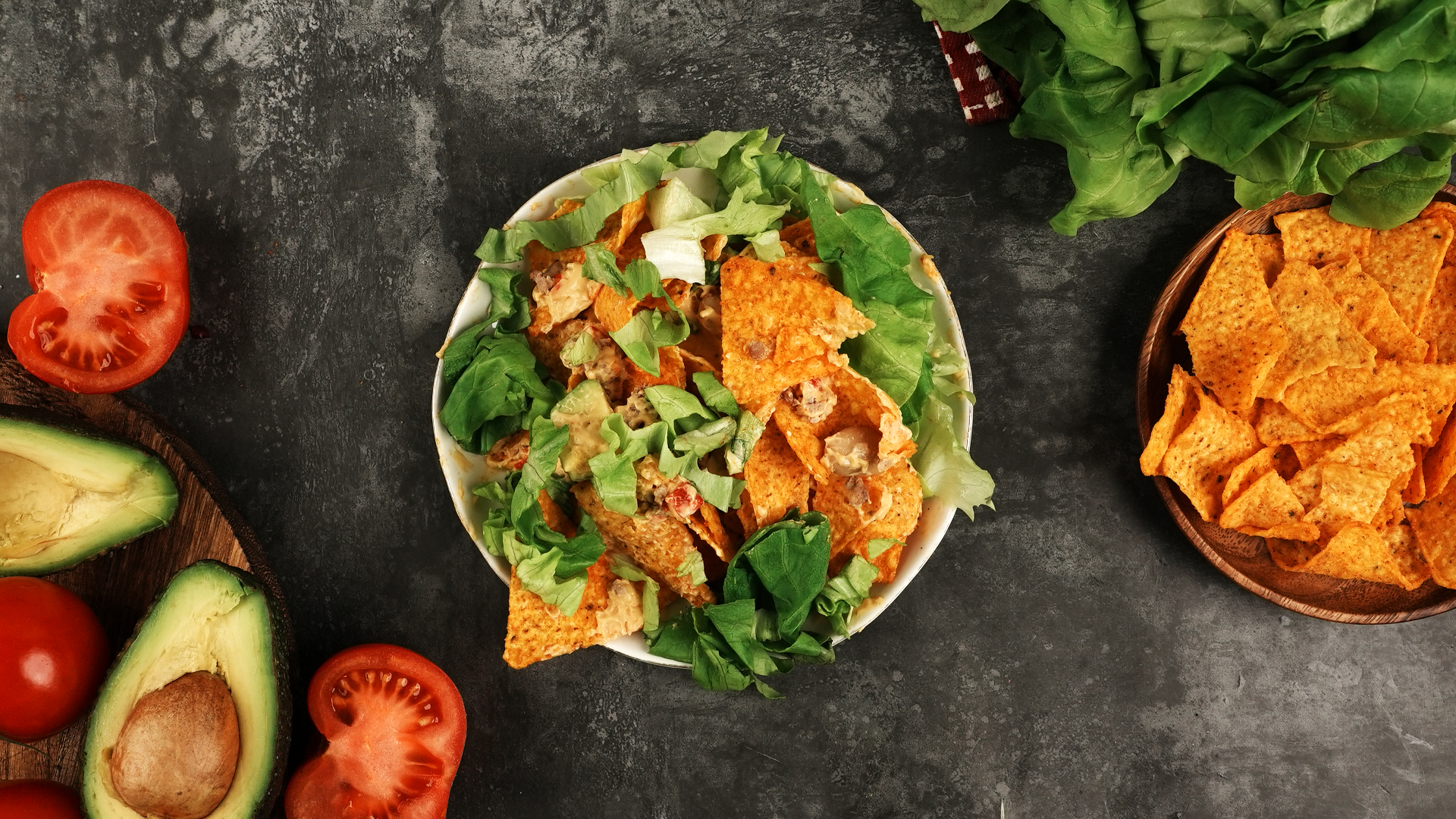
Leftover nachos are a tiny miracle wrapped in aluminum foil: still cheesy, still snacky, still capable of making yesterday’s dinner feel like today’s victory lap. But they also come with a serious threatsoggy chips. One minute you’re dreaming of crispy tortilla edges and melty cheese; the next, you’re poking at a warm pile of corn-chip sadness with a fork.
The good news? You absolutely can reheat nachos so they taste fresh again. The trick is understanding what made them soggy in the first place: moisture, steam, heavy toppings, and the microwave’s chaotic “hot on the edges, cold in the middle” personality. Whether your nachos came from a restaurant, a game-day sheet pan, or a late-night homemade masterpiece, the right reheating method can bring back crunch, melt the cheese, warm the toppings, and save your snack from becoming edible papier-mâché.
This guide breaks down the best ways to reheat nachos in the oven, air fryer, toaster oven, skillet, and microwave. You’ll also learn how to store leftover nachos, which toppings to remove, when to add fresh toppings back, and how to fix nachos that are already a little too soft. Grab the leftovers. We’re going in.
The Golden Rule: Separate Cold and Wet Toppings First
Before reheating nachos, do a quick topping rescue mission. If possible, remove sour cream, guacamole, lettuce, fresh tomatoes, salsa, pico de gallo, avocado, cilantro, and any other cool or watery toppings. These ingredients are wonderful on fresh nachos, but they do not love reheating. Sour cream can separate, guacamole can turn dull, lettuce wilts like it just heard bad news, and salsa releases moisture that turns chips soft.
Use a spoon or fork to gently scrape off what you can. Don’t worry about perfection. A little salsa residue or a few bits of tomato are not going to ruin everything. The goal is to reduce excess moisture so the chips can crisp back up. After reheating, add fresh toppings again for that “just made” flavor.
Best Overall Method: Reheat Nachos in the Oven
The oven is the best way to reheat a larger batch of nachos because it gives the chips dry, even heat. Dry heat is your friend. Steam is your enemy. The oven warms the toppings, melts the cheese, and helps revive the tortilla chips without turning everything rubbery.
How to Reheat Nachos in the Oven
- Preheat your oven to 300°F to 350°F.
- Remove cold toppings like sour cream, guacamole, lettuce, and salsa.
- Spread the nachos in a single layer on a baking sheet lined with parchment paper or foil.
- If the nachos look dry, sprinkle on a small handful of fresh shredded cheese.
- Bake for 5 to 10 minutes, checking often.
- Remove when the cheese is melted and the chips are crisp at the edges.
- Add fresh toppings and serve immediately.
For thin chips or lightly topped nachos, use the lower end of the time range. For loaded nachos with meat, beans, or thick cheese, you may need closer to 10 minutes. Keep an eye on the edges because tortilla chips can go from golden to “campfire souvenir” quickly.
Oven Reheating Tip
Do not pile nachos into a deep mound. A single layer gives hot air access to the chips. If the nachos are stacked too high, the bottom layer will steam while the top layer crisps. That is how you end up with nacho weather: dry on top, swampy underneath.
Fastest Crispy Method: Reheat Nachos in an Air Fryer
If the oven is the reliable family SUV of nacho reheating, the air fryer is the zippy little scooter. It is fast, efficient, and excellent at restoring crunch because the fan circulates hot air around the chips. This method works best for small to medium portions.
How to Reheat Nachos in the Air Fryer
- Preheat the air fryer to 325°F to 350°F if your model recommends preheating.
- Remove cold, wet toppings.
- Place nachos in the basket in a loose, even layer.
- Air fry for 3 to 5 minutes.
- Check after 2 minutes to prevent burning.
- Add fresh toppings after reheating.
Use parchment or foil only if your air fryer manual allows it, and avoid blocking airflow completely. If you use foil, shape it like a shallow tray with room for air to move. The goal is crispness, not building a tiny nacho bunker.
When to Use the Air Fryer
The air fryer is ideal when you have a personal serving of nachos, especially if the chips are only slightly soft. It is also great for nachos with shredded cheese, beans, chicken, steak, or ground beef. It is less ideal for nachos covered in liquid cheese sauce because sauce-heavy chips can stick, bubble, and make cleanup more dramatic than the snack deserves.
Small Batch Winner: Reheat Nachos in a Toaster Oven
A toaster oven is perfect for one plate of leftover nachos. It heats faster than a full oven and provides the same dry heat that helps chips crisp. If you live alone, work from home, or just want a quick snack without preheating the entire kitchen, this is a top-tier method.
How to Reheat Nachos in a Toaster Oven
- Set the toaster oven to 300°F to 350°F.
- Remove cold toppings.
- Arrange nachos on the toaster oven tray in a single layer.
- Heat for 5 to 8 minutes.
- Watch closely near the end so the chips do not burn.
- Top with fresh salsa, sour cream, guacamole, or herbs after heating.
The toaster oven is especially useful for restaurant nachos because those portions are often too big for the air fryer but too small to justify the full oven. It also gives better texture than the microwave, which is important if you believe chips should crunch instead of sigh.
Best No-Oven Option: Reheat Nachos in a Skillet
A skillet can reheat nachos surprisingly well. The direct heat crisps the bottom of the chips while a loose cover helps melt the cheese. This method takes a little attention, but it is excellent when you do not want to use the oven.
How to Reheat Nachos in a Skillet
- Place a dry skillet over medium-low heat.
- Add nachos in a single layer.
- Cover loosely with a lid or foil for 2 to 3 minutes to melt the cheese.
- Remove the cover and heat for another 1 to 2 minutes to release steam.
- Transfer to a plate and add fresh toppings.
The key is medium-low heat. If the pan is too hot, the chips on the bottom can scorch before the cheese warms. If there is a lot of moisture from beans or salsa, uncovering the pan at the end is important because it lets steam escape. Steam trapped under a lid is basically a spa day for sogginess.
Can You Reheat Nachos in the Microwave?
Yes, you can reheat nachos in the microwave. Should you? Only when speed matters more than crunch. The microwave is convenient, but it heats by exciting water molecules, which means it can make chips soft and toppings unevenly hot. It is the method of last resort, but with a few tricks, you can make it less tragic.
How to Reheat Nachos in the Microwave
- Remove cold toppings.
- Spread nachos on a microwave-safe plate.
- Place a paper towel under the chips to absorb some moisture.
- Microwave in 20- to 30-second intervals.
- Stop as soon as the cheese melts and the toppings are hot.
- For better texture, finish the nachos in a hot skillet or toaster oven for 1 to 2 minutes.
The microwave works best for nachos you plan to eat with a fork, especially if they are loaded with meat, beans, and cheese sauce. If you want crispy chips, use the oven, air fryer, toaster oven, or skillet instead.
How to Store Leftover Nachos So They Reheat Better
The quality of reheated nachos starts before reheating. If you store them poorly, you are already fighting a soggy battle uphill in flip-flops.
Smart Storage Steps
- Remove cold toppings before storing whenever possible.
- Store chips and heavy toppings separately if you know you will have leftovers.
- Use a shallow airtight container so leftovers cool quickly.
- Refrigerate leftovers within 2 hours, or within 1 hour if the food has been sitting in a hot environment above 90°F.
- Eat refrigerated leftovers within 3 to 4 days.
- Reheat leftovers with meat, poultry, beans, or dairy until hot throughout, ideally to 165°F for food safety.
If you are making nachos at home and expect leftovers, build them strategically. Bake the chips, cheese, beans, and meat together, but serve wet toppings on the side. This keeps the leftovers more reheatable and lets everyone customize their plate. It also prevents the dreaded “guacamole fossil” stuck to a chip the next day.
How to Fix Soggy Nachos
Sometimes the nachos are already soggy before you get to them. Maybe they sat too long during a party. Maybe the salsa was enthusiastic. Maybe someone put lettuce under hot queso and called it innovation. Whatever happened, you still have options.
Try the Rescue Bake
Spread the nachos on a baking sheet and bake at 350°F for 5 to 8 minutes. Add a little extra shredded cheese on top before baking. The cheese helps bind the toppings and adds fresh texture. After baking, let the nachos sit for 1 minute before serving. That short rest helps the melted cheese settle instead of sliding off like a tiny dairy avalanche.
Add Fresh Chips
If some chips are beyond saving, mix in fresh tortilla chips before reheating. Place fresh chips on the baking sheet, spoon the leftover nachos over them, sprinkle with cheese, and bake. The fresh chips provide structure and crunch while the leftovers become more like a loaded topping. This is one of the easiest ways to turn sad leftovers into respectable nachos again.
Turn Them Into Chilaquiles-Inspired Breakfast
If crisp nachos are no longer realistic, pivot. Warm the leftovers in a skillet, add scrambled or fried eggs, and top with fresh cilantro, hot sauce, and avocado. At that point, you are not reheating nachos; you are creating brunch. Very sophisticated. Possibly accidental. Still delicious.
Best Toppings to Add After Reheating
Fresh toppings make reheated nachos taste new again. After the chips and cheese are hot, add brightness, crunch, and creaminess back to the plate.
- Fresh salsa or pico de gallo
- Guacamole or sliced avocado
- Sour cream or Mexican crema
- Pickled jalapeños
- Chopped cilantro
- Sliced green onions
- Fresh lime juice
- Hot sauce
- Crumbled cotija
Fresh lime juice is especially powerful. A quick squeeze wakes up cheese, meat, beans, and chips with almost no effort. Lime is basically the “refresh” button for leftovers.
Common Mistakes That Make Reheated Nachos Soggy
Mistake 1: Reheating With Sour Cream and Guacamole
Cold creamy toppings should be added after reheating. Warm sour cream rarely improves anyone’s day.
Mistake 2: Using Too Much Heat
High heat can burn chips before the center warms. Moderate heat gives cheese time to melt and toppings time to heat through.
Mistake 3: Overcrowding the Pan
Nachos need space. Spread them out so moisture can evaporate and the chips can crisp.
Mistake 4: Depending Only on the Microwave
The microwave is fast, but it does not restore crunch. Use it only when necessary, or combine it with a skillet or toaster oven finish.
Mistake 5: Storing Everything Together
If you store chips under salsa, lettuce, and sour cream, tomorrow’s reheating job becomes much harder. Keep wet toppings separate whenever you can.
Quick Reheating Cheat Sheet
| Method | Best For | Temperature | Time | Texture Result |
|---|---|---|---|---|
| Oven | Large batches | 300°F to 350°F | 5 to 10 minutes | Crispy and evenly hot |
| Air Fryer | Small portions | 325°F to 350°F | 3 to 5 minutes | Very crisp edges |
| Toaster Oven | Single servings | 300°F to 350°F | 5 to 8 minutes | Crispy and convenient |
| Skillet | No-oven reheating | Medium-low heat | 3 to 5 minutes | Crisp bottom, melty top |
| Microwave | Fastest option | High power | 20- to 30-second bursts | Soft but warm |
Food Safety Notes for Reheating Nachos
Nachos often contain perishable ingredients such as cheese, beef, chicken, beans, sour cream, and guacamole. That means food safety matters. Refrigerate leftovers promptly, keep your refrigerator at 40°F or below, and do not eat nachos that have been left at room temperature for more than 2 hours. If the nachos sat outside during a hot picnic, tailgate, or summer party, shorten that window to 1 hour.
When reheating nachos with meat, poultry, beans, or dairy-based toppings, heat them until they are hot throughout. For safest results, use a food thermometer and aim for 165°F in the thickest or most heavily topped spots. If the nachos smell off, look slimy, or have been in the fridge longer than 3 to 4 days, toss them. No plate of leftover nachos is worth a food poisoning plot twist.
Real Kitchen Experience: What Actually Works When Reheating Nachos
After reheating many plates of leftover nachos, one lesson becomes obvious: the best method depends on what kind of nachos you are dealing with. A light tray of chips with shredded cheese behaves very differently from restaurant nachos loaded with queso, beans, beef, salsa, jalapeños, and enough sour cream to qualify as a weather system.
For homemade sheet pan nachos, the oven is the most forgiving. Spread everything out, add a little fresh cheese, and let the dry heat do the work. The chips usually crisp around the edges while the cheese melts into the toppings again. This method is especially good when the nachos were originally baked, because you are basically returning them to their natural habitat.
For takeout nachos, the air fryer can be amazing, but only if the portion is not too saucy. I have had great results using the air fryer for chicken nachos with shredded cheese and beans. The chips on top crisp beautifully, and the cheese gets bubbly in just a few minutes. But if the nachos are covered in liquid queso, I prefer the toaster oven or skillet because they are easier to control and clean.
The skillet method is underrated. It feels a little odd at firstnachos in a pan? Is this legal? But it works. The bottom chips crisp against the warm skillet, and covering the pan briefly helps melt the cheese. The important part is removing the lid near the end. If you leave the lid on too long, condensation drips back onto the chips. That is not reheating; that is nacho rain.
The microwave is the method I use only when I am hungry enough to negotiate with texture. It warms nachos quickly, but the chips almost always soften. The best microwave trick is using short bursts and stopping before the chips become chewy. A paper towel helps absorb some moisture, but it cannot perform miracles. If you want a better result, microwave for 20 seconds to loosen the cheese, then finish the nachos in a hot skillet or toaster oven.
One of the best leftover nacho tricks is adding fresh chips before reheating. This sounds almost too simple, but it works because fresh chips bring back crunch and structure. Put fresh chips on a baking sheet, scatter the leftover nachos over them, add a little shredded cheese, and bake until hot. Suddenly yesterday’s leftovers become a new tray of loaded nachos instead of a reheated pile.
Another real-world tip: always add fresh toppings at the end. Even a small spoonful of fresh salsa, a squeeze of lime, or a sprinkle of green onions makes reheated nachos taste brighter. Leftovers often taste heavier because the cheese and beans settle together in the fridge. Fresh toppings add contrast, and contrast is what makes nachos exciting.
The biggest mistake I see is trying to preserve the original plate exactly as it was. Reheated nachos are better when you rebuild them a little. Remove what should not be heated, crisp what can be saved, add a little fresh cheese, and finish with cool toppings. Think of it as nacho renovation. You are not covering up damage; you are restoring curb appeal.
In my experience, the best leftover nachos come from smart storage. If you know you will not finish the whole tray, do not dump salsa, sour cream, and guacamole over every chip. Serve those toppings on the side. Future you will be grateful. Future you may even applaud. Quietly, because future you has a mouth full of crispy reheated nachos.
Conclusion
The best way to reheat nachos so they are fresh and not soggy is to use dry heat, remove wet toppings first, and spread the chips in a single layer. The oven is best for big batches, the air fryer is fastest for crispy small portions, the toaster oven is ideal for single servings, and the skillet is a surprisingly strong no-oven option. The microwave works in a hurry, but it will not give you the same crunch.
For the freshest results, treat leftover nachos like a rebuild, not a replay. Scrape off cold toppings, reheat the chips and cheese gently, add fresh cheese if needed, and finish with salsa, sour cream, guacamole, cilantro, jalapeños, or lime after reheating. With the right method, leftover nachos can be crispy, melty, and snack-worthy againwhich is excellent news for anyone who believes no chip should be left behind.
Note: This article is based on real food-safety guidance and practical cooking methods from reputable U.S. food, recipe, and public-health sources, rewritten into original publish-ready content.