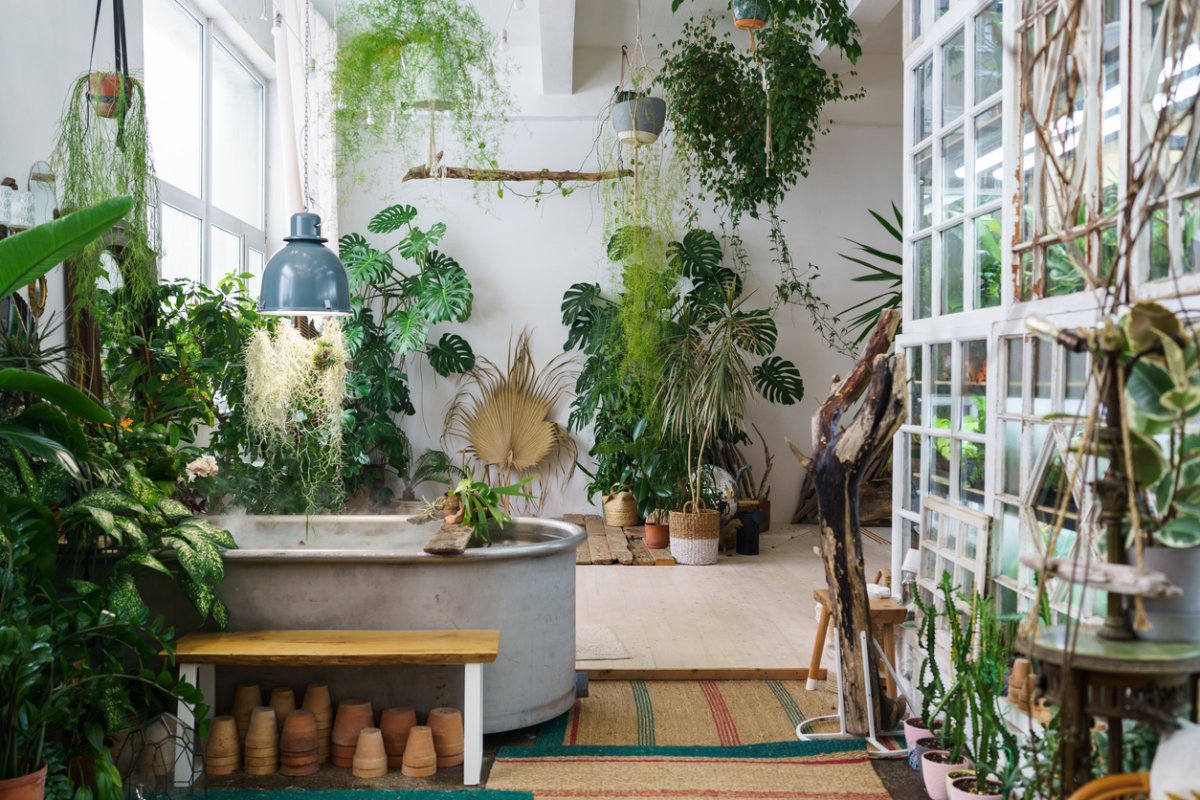
Tropical plants have a reputation for being dramatic, and honestly, they have earned it. They arrive with glossy leaves, architectural stems, flamboyant flowers, and the confidence of something that has never scraped ice from a windshield. Fortunately, many tropical species adapt beautifully to indoor life, allowing gardeners in colder regions to enjoy colorful blooms and lush foliage throughout the year.
The trick is not to recreate a rainforest in the living room. Your sofa probably would not appreciate daily monsoons. Instead, success comes from matching each plant with the right combination of light, moisture, temperature, drainage, and seasonal rest. Most indoor tropical plants prefer warm rooms, protection from drafts, and soil that drains freely rather than remaining permanently wet. Flowering species generally require more light than foliage plants, while many winter bloomers perform best when nighttime temperatures are slightly cooler.
From towering hibiscus flowers to waxy hoya clusters, the following tropical indoor plants prove that gardening season does not have to end when outdoor temperatures drop.
Before You Bring Tropical Plants Indoors
Evaluate the available light
A bright room is not always a bright room from a plant’s perspective. South- and southwest-facing windows generally provide the strongest light, while east-facing windows offer gentler morning sun. North-facing rooms usually suit shade-tolerant foliage plants better than sun-hungry bloomers. Watch how sunlight moves through your home before deciding where a plant will live.
Choose containers with drainage
Decorative pots are charming, but roots sitting in trapped water are decidedly less charming. Use a container with drainage holes, or keep the plant in a plastic nursery pot placed inside a decorative cachepot. Empty collected water after each thorough watering.
Expect a short adjustment period
Tropical plants moved from a greenhouse, patio, or garden may drop a few leaves as they adapt to lower indoor light and drier air. That does not necessarily mean the plant is dying. Give it stable conditions, avoid overwatering in a panic, and allow several weeks for adjustment.
15 Tropical Plants That Thrive Indoors
1. Amaryllis (Hippeastrum species)
Few houseplants deliver a winter performance as confidently as amaryllis. A large bulb can produce thick flower stalks topped with trumpet-shaped blooms in red, white, pink, salmon, or striped combinations. It is essentially a botanical fireworks display requiring much less cleanup.
Plant the bulb in a narrow container with the upper third remaining above the soil. Place it near a sunny window and water when the top couple of inches feel dry. After flowering, remove spent blooms but keep the leaves growing in bright light so they can recharge the bulb. Amaryllis can rebloom for many years and generally needs repotting only every three or four years. Keep the bulbs away from pets, since ingestion can cause illness.
2. Cape Primrose (Streptocarpus species)
Cape primrose combines velvety foliage with graceful trumpet-shaped flowers in purple, blue, pink, white, and multicolored varieties. Most plants remain compact, making them excellent choices for shelves, desks, or windowsills where a six-foot vine would be considered an aggressive roommate.
Provide bright, indirect light or filtered morning sun. Cape primrose often flowers under artificial grow lights, too. Water with room-temperature water when the soil surface begins to dry, but avoid leaving the pot soggy. Temperatures between approximately 60 and 70 degrees Fahrenheit generally support strong growth and prolonged flowering.
3. Clivia (Clivia miniata)
Clivia produces broad, strap-shaped leaves and clusters of orange, red, or yellow flowers in late winter or early spring. It grows slowly, tolerates being somewhat root-bound, and can become a long-lived family plant rather than another temporary piece of seasonal décor.
During the growing season, give clivia bright, indirect light and water after the upper layer of soil dries. To encourage buds, provide a cool, relatively dry rest in fall or early winter. Once flower stalks appear, resume regular watering and move the plant to a slightly warmer location. Avoid frequent repotting; clivia often blooms more reliably when its roots fit snugly inside the container.
4. Crown of Thorns (Euphorbia milii)
Crown of thorns is a rugged Madagascar native with thorny stems, small leaves, and colorful bracts that may remain attractive for months. Unlike humidity-loving divas, it usually tolerates the dry air found in heated homes.
Place it where it receives several hours of direct sun each day and allow the soil to dry partially before watering again. Too much water is far more dangerous than a brief dry spell. Wear gloves when handling or pruning it: the thorns are sharp, and its milky sap can irritate skin and eyes. This is not the plant for a low table in a home with curious children or pets.
5. Cyclamen (Cyclamen persicum)
With silver-patterned leaves and flowers that resemble tiny butterflies flying backward, florist’s cyclamen brings welcome color to winter. Its unusual requirement is coolness. A hot room may send it into dormancy faster than you can say, “Wasn’t this blooming yesterday?”
Keep cyclamen in bright, indirect light, ideally where daytime temperatures stay near 60 to 65 degrees Fahrenheit and nights are cooler. Water when the soil feels slightly dry, directing moisture around the edge of the pot instead of onto the central crown. After flowering, yellowing leaves may signal normal seasonal dormancy rather than death. Reduce watering until new growth returns. Cyclamen is toxic if eaten, so position it carefully in homes with pets.
6. Flowering Maple (Abutilon species)
Flowering maple is not a true maple, but its lobed leaves explain the nickname. Its dangling, bell-shaped flowers appear in shades of yellow, orange, red, pink, or white and can continue for much of the year under strong indoor light.
Grow it near a bright window with several hours of gentle sun. Water after the top inch of potting mix dries, and never let the container stand in water. Flowering maple can become lanky indoors, so prune long shoots in spring to encourage branching. Because blooms form on new growth, a light seasonal trim often results in a fuller and more floriferous plant.
7. Annual Geranium (Pelargonium species)
Geraniums may be familiar porch plants, but they are technically tender plants from warmer climates and can live indoors for years. Their rounded leaves and vivid flower clusters make them reliable choices for gardeners who prefer cheerful color over subtle botanical minimalism.
Bright light is essential. A south- or west-facing window is usually best, particularly during winter. Allow the upper inch of soil to dry before watering and remove faded flowers to support continued blooming. If natural light is weak, a grow light can prevent pale, stretched growth. Plants brought indoors from a patio should be inspected carefully for aphids, whiteflies, and other hitchhikers.
8. Wax Plant (Hoya species)
Hoya earns its common name from thick, waxy foliage and star-shaped flowers that appear in rounded clusters. Some varieties produce a sweet fragrance, especially in the evening. Others offer variegated, curled, or rope-like leaves that remain decorative even when flowers are absent.
Provide bright, indirect light with a little mild morning sun. Let the surface of the potting mix dry between waterings, especially during winter. Hoyas often flower from short woody spurs, so do not cut those structures off after the blooms fade. Mature plants also prefer not to be moved constantly once they have selected their favorite window and apparently signed a lease.
9. Lipstick Plant (Aeschynanthus species)
Lipstick plant is a tropical trailer designed for hanging baskets. Its tubular buds resemble tubes of lipstick before opening into bright red, orange, or pink flowers. The cascading stems look especially attractive when allowed to spill over the edge of a shelf or elevated planter.
Choose a location with bright, filtered light and protection from harsh midday sun. Water when the surface of the soil becomes dry, then allow excess moisture to drain completely. Warm temperatures and moderate humidity encourage flowering. Pinching the tips of long stems promotes branching and creates a denser, more impressive basket.
10. Moth Orchid (Phalaenopsis species)
Moth orchids look expensive and intimidating, yet they are among the most approachable orchids for indoor gardeners. Their arching flower stems can remain colorful for weeks or even months, which is considerably more commitment than most bouquets are willing to offer.
Grow moth orchids in a loose orchid medium such as bark, not ordinary garden soil. Give them bright, indirect light and water when the medium approaches dryness. Drain thoroughly and keep water from collecting in the crown. Slightly cooler nighttime temperatures during fall can help stimulate flower spikes. Orchids appreciate humidity, but good airflow is equally important.
11. Passionflower (Passiflora species)
Passionflower produces some of the plant world’s most elaborate blooms, complete with rings, filaments, contrasting colors, and enough visual complexity to make an ordinary daisy feel underdressed. The plant is a vigorous vine, so it needs a trellis, hoop, or other support.
Give passionflower as much indoor sunlight as possible. Water after the soil surface dries, but do not allow the root ball to remain parched for long during active growth. Regular pruning helps control its size and encourages branching. Seed-grown plants can take longer to bloom, so a plant propagated from a cutting may provide faster results.
12. Shrimp Plant (Justicia brandegeana)
Shrimp plant receives its amusing name from overlapping salmon, pink, yellow, or reddish bracts that resemble curved shrimp. Small white flowers emerge between the bracts, giving the plant a colorful display that can continue through multiple seasons.
Place it in full morning sun or very bright filtered light. Water whenever the top of the potting mix feels dry. Pinch back growing tips periodically to maintain a compact shape, since older plants can become loose and leggy. With enough light, shrimp plant is surprisingly dependable and much easier to care for than its exotic appearance suggests.
13. Skyflower (Thunbergia grandiflora)
Skyflower is a vigorous climbing tropical plant known for large blue-violet flowers with pale or yellow throats. It can transform a bright sunroom into something resembling a conservatory, although it may also attempt to annex the curtain rod.
Provide strong sunlight, a sturdy support, and regular watering during active growth. Let the surface of the soil dry slightly between waterings rather than keeping it constantly saturated. Prune aggressively when necessary to control the vine. A room that becomes genuinely dark at night may support better seasonal flowering than a location illuminated around the clock.
14. Tropical Hibiscus (Hibiscus rosa-sinensis)
Tropical hibiscus produces enormous flowers in colors ranging from sunny yellow and vivid red to peach, pink, orange, and multicolored combinations. Individual flowers may last only a day or two, but a healthy plant can keep producing buds throughout the growing season.
Indoor hibiscus needs abundant light, ideally four or more hours of direct sun from a southern or western exposure. Water when the soil surface dries, but do not allow the entire root ball to become bone-dry. Keep it away from cold drafts and inspect regularly for spider mites, aphids, and whiteflies. Plants moved outdoors for summer must be gradually acclimated to stronger sunlight.
15. Winter-Blooming Jasmine (Jasminum polyanthum)
Winter-blooming jasmine produces clusters of pink buds that open into fragrant white flowers, often during the coldest part of the year. One blooming plant can perfume an entire room, making it a natural alternative to candles with names like “Imaginary Island Breeze.”
Give the vine bright light and a support for its twining stems. Flower formation is encouraged by several weeks of cool autumn nights, generally between 40 and 60 degrees Fahrenheit. Once buds develop, bring the plant into a bright, cool indoor position. Water when the upper half-inch of soil dries and prune after flowering to keep the vine manageable.
Practical Experience: What Indoor Gardeners Learn Over Time
Growing tropical plants indoors teaches one major lesson very quickly: a watering schedule is not the same thing as plant care. “Water every Sunday” sounds organized, but plants do not know what day it is. Soil may dry in three days during a sunny summer week and remain damp for two weeks during a dark winter stretch. Checking the soil with a finger, lifting the pot to judge its weight, and observing the leaves are more dependable habits than following a rigid calendar.
Another common experience is that light problems often disguise themselves as watering problems. A plant in insufficient light grows slowly and uses less moisture. If it receives the same amount of water it enjoyed in summer, its roots may remain wet long enough to rot. Yellow leaves then appear, inspiring the well-meaning owner to add even more water. This is how a tropical plant turns a minor lighting issue into a full-scale root emergency. Adjust watering whenever seasons or locations change.
Flowering tropical plants also reveal how dramatically indoor conditions vary from room to room. A hibiscus may flourish beside a south-facing window but refuse to bloom six feet away. A cyclamen may thrive in a cool guest room and collapse in a warm kitchen. Rather than trying to force every species into the same “plant corner,” experienced growers treat the home as a collection of microclimates. Sunny windows accommodate hibiscus, geraniums, and crown of thorns. Cooler rooms suit cyclamen, clivia, and winter jasmine. Humid bathrooms with adequate light may benefit orchids and lipstick plants.
Pest prevention becomes another hard-earned skill. Plants brought indoors after summer can carry aphids, scale insects, mealybugs, spider mites, or whiteflies. Inspect leaf undersides, stem joints, and the soil surface before bringing anything inside. Isolating new arrivals for a couple of weeks can prevent one inexpensive geranium from launching an insect convention across the entire collection.
Finally, indoor gardeners learn that leaf loss is not always failure. Tropical plants may drop older foliage while adjusting to lower light, dry winter air, or a change in temperature. The best response is usually stability: correct the obvious issue, remove damaged leaves, and give the plant time. Constantly moving it, repotting it, fertilizing it, and watering it “for encouragement” creates four additional stresses when the plant was already dealing with one.
The most successful tropical indoor garden is not the one with the most complicated equipment. It is the one in which each plant has been matched to a suitable location. Start with one or two species that fit your available light, learn their rhythms, and expand gradually. Before long, the winter living room may look less like a waiting area and more like a small conservatoryonly with better chairs.
Final Thoughts
Tropical indoor plants offer far more than large green leaves. Amaryllis, cyclamen, clivia, orchids, hibiscus, hoyas, jasmine, and other flowering species can provide color and fragrance during months when outdoor gardens are resting. Their care varies, but the essential principles remain consistent: provide appropriate light, use well-draining containers, water according to the soil rather than the calendar, protect plants from extreme temperatures, and respect natural periods of dormancy.
Choose plants that match the conditions already available in your home. Doing so is easier, less expensive, and much more successful than trying to persuade a sun-loving hibiscus that a dim hallway is “basically the Caribbean.”
SEO Information
Note: The horticultural recommendations in this article were synthesized from research-based guidance published by U.S. university extension programs, botanical organizations, and established home-and-garden publications. Plant responses may vary with cultivar, climate, container size, indoor light, and household temperature.