Blood parrot cichlids look like someone asked a fish to smile for a school photo and then painted it orange with a highlighter. They are round, bright, goofy, interactive, and surprisingly charming. But behind that cartoonish face is a real cichlid with real needs: space, stable water, strong filtration, careful feeding, and tank mates that will not turn the aquarium into an underwater soap opera.
If you are thinking about keeping blood parrot cichlids, the good news is that they are generally hardy when cared for properly. The less-fun-but-important news is that they are not “small beginner fish,” even though pet stores sometimes sell them at a cute little size. These fish can reach about 7 to 8 inches, live for many years, and produce a respectable amount of waste. In other words, they are not decorations with fins. They are pets with opinions.
This complete blood parrot cichlid care guide covers tank size, water parameters, diet, tank mates, behavior, health, maintenance, and practical keeper experience so you can give these fish a healthy, low-stress home.
What Are Blood Parrot Cichlids?
Blood parrot cichlids are man-made hybrid freshwater fish. They are commonly believed to have been developed from Central American cichlid lines, often associated with Midas cichlids and redhead cichlids, although exact breeding histories vary by source and breeder. Unlike wild species, blood parrots do not exist naturally in rivers or lakes.
Their unusual body shape is what makes them famous: a rounded body, large eyes, short face, and small beak-like mouth. That mouth is part of their charm, but it also affects how they eat. Many blood parrots cannot bite or tear food as efficiently as other cichlids, so the right food size and texture matter.
The Ethical Conversation
Blood parrot cichlids are controversial in the aquarium hobby because their hybrid body shape can come with deformities, including mouth limitations, spinal issues, and swimming challenges. Not every fish has serious problems, and many live long, active lives, but responsible keepers should understand the debate before buying one.
Avoid dyed, tattooed, or artificially colored blood parrots. These fish may be sold under flashy names, but forced coloration is stressful and unnecessary. A healthy natural orange, red-orange, yellow, or pale blood parrot is already dramatic enough. It does not need to look like it lost a fight with a marker set.
Ideal Tank Size for Blood Parrot Cichlids
The minimum tank size for one blood parrot cichlid is commonly listed around 30 gallons, but a 55-gallon aquarium is a much better long-term choice for an adult. Bigger is not showing off; bigger is stability. These fish are chunky, active, and messy enough that extra water volume makes care easier.
For a small group of three, a 55- to 75-gallon tank is a practical starting point. For five or more blood parrots, consider 75 gallons or larger, with a long footprint that gives them room to cruise, claim spaces, and avoid each other when moods get spicy.
Tank Size Guidelines
- One adult blood parrot: 40 to 55 gallons preferred
- Three blood parrots: 55 to 75 gallons
- Five or six blood parrots: 75 gallons or larger
- Community setup: 75 gallons or larger, depending on tank mates
A long tank is better than a tall tank because blood parrot cichlids use horizontal swimming space. A 55-gallon long or 75-gallon aquarium gives them more practical territory than a narrow show tank with the same water volume.
Best Water Parameters for Blood Parrot Cichlids
Blood parrots are adaptable, but “adaptable” does not mean “thrives in mystery soup.” Stable, clean water is the heart of successful blood parrot cichlid care.
- Temperature: 76°F to 82°F
- pH: 6.5 to 8.0
- Ammonia: 0 ppm
- Nitrite: 0 ppm
- Nitrate: ideally below 20 to 40 ppm
- Water hardness: moderate hardness is usually fine
The exact pH is less important than keeping it steady. A blood parrot living happily at 7.6 pH is better off than one being chased up and down the pH scale because someone keeps adding bottled “fixes.” Stability beats perfection.
Cycle the Tank First
Never add blood parrot cichlids to an uncycled aquarium. A cycled tank has beneficial bacteria that convert toxic ammonia into nitrite and then into nitrate, which can be controlled with water changes. Because blood parrots are larger fish with a heavier bioload, an immature filter can crash quickly.
Before bringing fish home, test the water. Ammonia and nitrite should read zero. If they do not, the tank is not ready, no matter how lonely the empty aquarium looks.
Filtration and Water Movement
Blood parrot cichlids need strong filtration. They eat heartily, produce waste generously, and often dig around the substrate like tiny orange bulldozers with no building permit.
A canister filter, large hang-on-back filter, or sponge filter combination can work well. The goal is both mechanical filtration to remove debris and biological filtration to support beneficial bacteria. Many keepers use more filtration than the package rating suggests. For example, a filter rated for a 75-gallon tank is a smarter match for a 55-gallon blood parrot setup than a barely adequate filter rated exactly at 55 gallons.
Water Change Routine
Plan on changing 25% to 40% of the water weekly, depending on stocking level and nitrate readings. In a lightly stocked tank, weekly 25% changes may be enough. In a busy community tank, you may need larger or more frequent changes.
Use a gravel vacuum to remove waste from the substrate, especially around caves, rocks, and decorations where debris collects. Always dechlorinate new water before adding it to the tank, and match the temperature closely to avoid shocking the fish.
How to Set Up a Blood Parrot Cichlid Tank
The best blood parrot cichlid tank is roomy, secure, and easy to clean. These fish like open swimming space, but they also appreciate hiding spots where they can retreat when nervous.
Substrate
Use sand or smooth gravel. Blood parrots often dig and sift around the bottom, so avoid sharp substrate that can scrape their mouths or bellies. Sand is especially good because it allows natural digging behavior without rough edges.
Decorations and Hiding Places
Add caves, driftwood, smooth rocks, ceramic tubes, or large aquarium-safe ornaments. Make sure everything is stable. Blood parrots may shove, bump, and rearrange objects, so avoid stacked rocks that can collapse. If a decoration looks like it could fall during a minor fish tantrum, secure it or remove it.
Plants
Live plants can work, but choose tough species such as Java fern, Anubias, Amazon sword, or floating plants. Attach rhizome plants to wood or rock instead of burying them. Blood parrots may dig up delicate plants just to see what happens. Spoiler: what happens is you replant them every morning while questioning your life choices.
Lighting
Moderate lighting is best. Bright light can make some blood parrots shy, especially in a bare tank. Floating plants, background coverage, and shaded areas help them feel secure.
What Do Blood Parrot Cichlids Eat?
Blood parrot cichlids are omnivores. A balanced diet should include high-quality cichlid pellets as the staple, along with occasional frozen, freeze-dried, or fresh foods for variety.
- Staple foods: sinking cichlid pellets, soft pellets, color-enhancing pellets
- Protein treats: bloodworms, brine shrimp, mysis shrimp, krill
- Vegetable foods: spirulina pellets, blanched peas, small pieces of zucchini
- Occasional extras: gel food or soft prepared foods for easier eating
Because of their small mouths, many blood parrots do better with sinking pellets that soften quickly. Large floating pellets may be frustrating for them, and frustrated fish are basically toddlers with gills.
Feeding Schedule
Feed once or twice daily, offering only what they can eat in about two minutes. Overfeeding is one of the fastest ways to ruin water quality. If food is sitting on the bottom after feeding, reduce the amount and remove leftovers.
For color, look for foods containing natural carotenoids, spirulina, krill, or shrimp meal. Good nutrition can help support bright coloration, but do not expect food to turn a pale fish into a neon traffic cone overnight.
Best Tank Mates for Blood Parrot Cichlids
Blood parrot cichlids are usually semi-aggressive rather than truly peaceful. They are less dangerous than many cichlids because of their small mouths, but they can still chase, shove, guard territories, and stress timid fish.
Good tank mates are typically similar-sized, confident, and not overly aggressive. Avoid tiny fish that may be eaten or harassed. Also avoid hyper-aggressive cichlids that will bully blood parrots.
Possible Tank Mates
- Severums
- Angelfish in spacious tanks
- Silver dollars
- Larger rainbowfish
- Large peaceful barbs
- Clown loaches in very large tanks
- Bristlenose plecos
- Other blood parrot cichlids
Fish to Avoid
- Neon tetras and other tiny schooling fish
- Betta fish
- Guppies
- Goldfish
- Very aggressive cichlids
- Fin-nippers in small groups
Always watch new introductions closely. Aquarium compatibility is not only about species; it is also about personality, tank size, layout, and whether one fish wakes up and chooses chaos.
Blood Parrot Cichlid Behavior
One reason people love blood parrots is their personality. They often recognize their keeper, come to the glass during feeding time, follow movement outside the tank, and develop routines. Some are shy at first and may hide for days after moving into a new aquarium. That does not mean they hate you. It means they are fish, and your living room is enormous and suspicious.
Once comfortable, blood parrots can become bold and interactive. They may dig pits, rearrange substrate, defend favorite caves, or gently bump other fish away from food. Provide multiple hiding places and visual barriers so weaker fish can avoid dominant ones.
Can Blood Parrot Cichlids Breed?
Blood parrots may pair up, clean a flat surface, lay eggs, and guard the area like tiny security guards with fins. However, many males are infertile, so successful breeding is uncommon. Eggs often turn white and fail to hatch.
Even if the eggs are infertile, breeding behavior can increase aggression. A pair may suddenly claim half the tank and treat every other fish as an uninvited guest at a private wedding. If aggression becomes intense, rearrange decor, add barriers, or separate fish if needed.
Common Health Problems
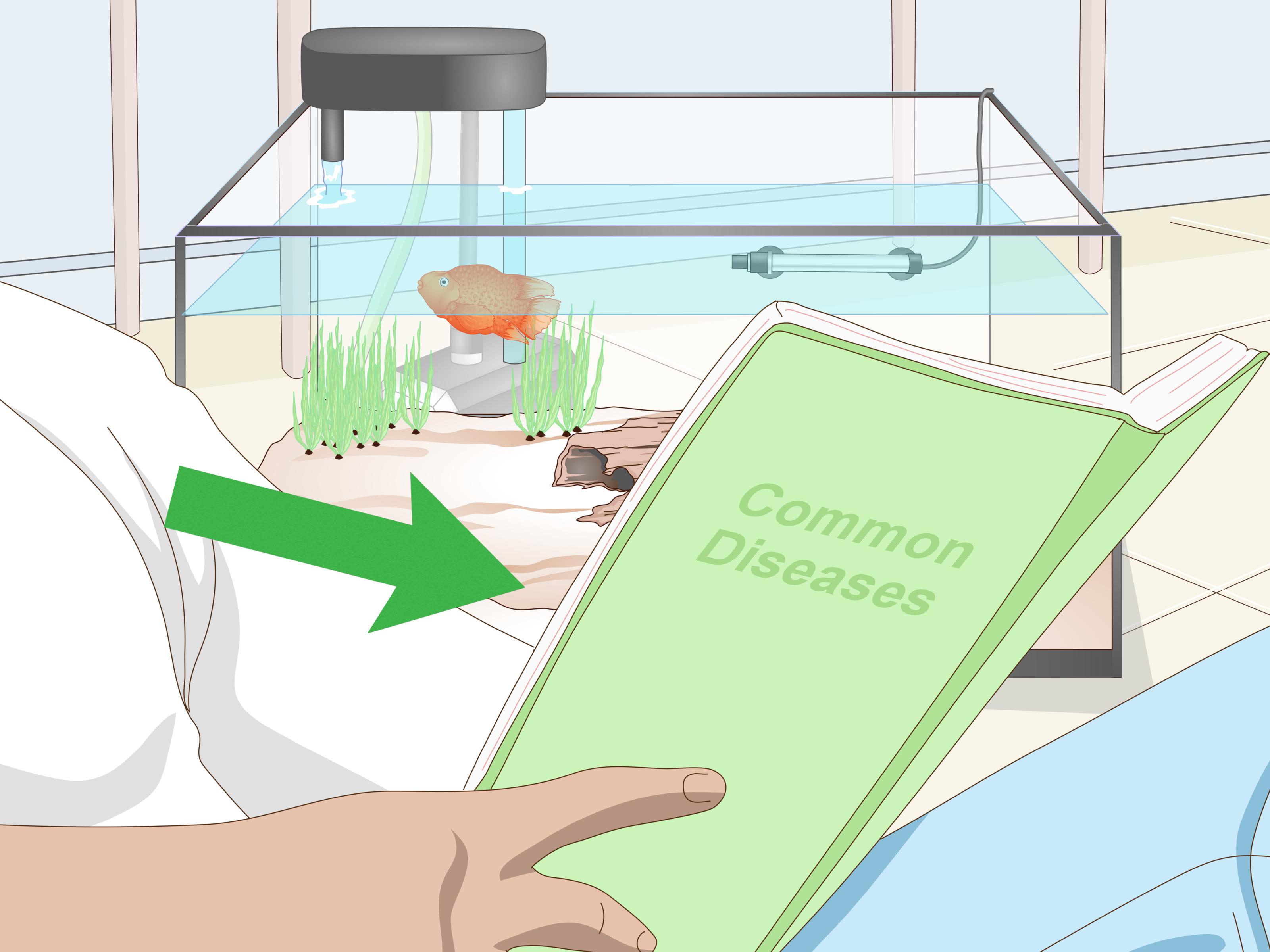
Healthy blood parrots are active, alert, and eager to eat. Watch for clamped fins, rapid breathing, flashing, white spots, bloating, unusual swimming, faded color, or loss of appetite. Many health problems come from poor water quality, stress, overfeeding, or incompatible tank mates.
Ich
Ich appears as small white spots on the body and fins. It often shows up after stress or temperature swings. Treat promptly with aquarium-safe medication and follow instructions carefully.
Swim Bladder Trouble
Some blood parrots may struggle with buoyancy because of body shape, diet, constipation, or water conditions. Offer a varied diet, avoid overfeeding, and try occasional blanched peas if constipation is suspected.
Mouth and Feeding Issues
Their small mouth can make eating difficult. Use appropriately sized sinking foods and observe each fish during feeding. A shy or slower fish may need food placed in a quieter area of the tank.
Maintenance Checklist
- Test ammonia, nitrite, nitrate, and pH weekly.
- Change 25% to 40% of the water every week.
- Vacuum waste from the substrate.
- Rinse filter media only in old tank water, not tap water.
- Check heater temperature daily.
- Watch fish behavior during feeding.
- Remove uneaten food quickly.
- Inspect decorations for sharp edges or unstable stacking.
Buying Healthy Blood Parrot Cichlids
Choose fish that are active, alert, and swimming normally. Avoid fish with torn fins, cloudy eyes, sunken bellies, severe deformities, labored breathing, or white patches. Ask what the fish is eating at the store. If possible, watch it eat before buying.
Do not buy dyed or tattooed blood parrots. Look for natural coloration and normal behavior. A slightly shy fish is fine; a fish gasping in the corner is not “just tired.” It is a warning sign with scales.
Common Mistakes to Avoid
Keeping Them in a Tank That Is Too Small
A juvenile may look comfortable in a small aquarium, but adults need space. Small tanks also make water quality harder to control. Start with the adult size in mind.
Mixing Them With Tiny Fish
Blood parrots have small mouths, but they are still cichlids. Tiny fish may be chased, stressed, or eaten. Choose tank mates carefully.
Skipping Water Testing
Clear water is not always clean water. Ammonia, nitrite, and nitrate are invisible. Test kits tell the truth even when the aquarium looks like a sparkling mountain spring.
Overfeeding
Blood parrots are excellent beggars. They may act as if they have never been fed in their entire dramatic lives. Do not believe the performance. Feed moderately and keep the water clean.
Real-World Experience: What Keeping Blood Parrot Cichlids Actually Feels Like
Keeping blood parrot cichlids is a little like sharing your home with underwater puppies that also enjoy light landscaping. Many new keepers are surprised by how much personality these fish show. At first, a newly added blood parrot may hide behind a cave, peek out like a suspicious neighbor, and refuse to admit that food exists. Then, after a week or two, the same fish may rush to the front glass every time you enter the room, wiggling like it has urgent breaking news.
One practical lesson many keepers learn quickly is that decor placement matters. A cave in the middle of the tank can become prime real estate. Once a blood parrot claims it, every other fish may be politelyor not so politelyescorted away. A better setup uses several caves, driftwood pieces, or rock structures spread across the tank. This breaks up sight lines and gives each fish a place to retreat. Think of it as designing a fish apartment complex: everyone needs a door, and nobody wants their neighbor staring directly into the living room.
Feeding also becomes easier with observation. Some blood parrots charge at food immediately, while others are slower because of their mouth shape. In a community tank, fast fish may steal pellets before the blood parrots get enough. Sinking pellets help, especially when dropped in two or three areas of the aquarium. Frozen foods like brine shrimp or bloodworms can be used as occasional treats, but they should not replace a balanced pellet diet. The goal is variety, not a fish buffet that leaves the filter crying in the corner.
Another real experience: these fish can change color slightly based on stress, diet, age, and mood. A fish that looks pale after transport may brighten once settled into clean, stable water. However, sudden fading, hiding, or refusing food should make you check water parameters first. Many problems that look mysterious are really ammonia, nitrite, high nitrate, temperature swings, or bullying.
Blood parrots also teach patience. They do not always behave according to the care sheet. One may be peaceful with angelfish; another may decide angelfish are unacceptable roommates. One may ignore plants; another may remove them like an unpaid gardener with strong opinions. The best keepers adjust based on behavior, not just theory.
The biggest long-term lesson is that consistency wins. Stable temperature, weekly water changes, proper food, and enough space do more for blood parrot cichlids than fancy additives or dramatic tank makeovers. Give them clean water, a roomy tank, good food, and peaceful companions, and they can become some of the most entertaining freshwater fish you will ever keep. They may not be elegant in the traditional sense, but they have charm, curiosity, and a face that looks permanently surprised by rent prices.
Conclusion
Blood parrot cichlids are colorful, personable, and rewarding fish for aquarists who can provide the space and care they need. They are not tiny, low-maintenance decorations; they are long-term pets that need a properly sized aquarium, strong filtration, stable warm water, a balanced diet, and carefully chosen tank mates.
The key to successful blood parrot cichlid care is simple: think big, keep the water clean, feed smart, and watch behavior closely. A 55-gallon or larger tank, weekly maintenance, soft sinking foods, and a thoughtful aquascape will prevent many common problems. Avoid dyed fish, avoid tiny tank mates, and avoid believing those dramatic “feed me again” faces.
With the right setup, blood parrot cichlids can be hardy, interactive, and wonderfully entertaining. They may dig, beg, rearrange, pout, and stare at you like you owe them snacksbut that is exactly why so many fishkeepers fall in love with them.
Note: This article is written from synthesized, real-world aquarium care information and practical fishkeeping experience for web publication.