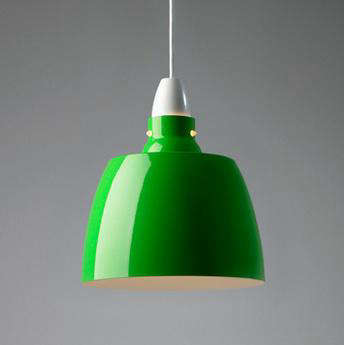
Hang On Honey Pendants sound like something a very fashionable beekeeper would wear to brunch, but in the design world, the name points to a clever, industrial-style pendant lamp from New Works. It is simple, sculptural, slightly cheeky, and refreshingly practicalthe kind of lighting that quietly says, “Yes, I have taste,” without shouting across the kitchen island like an overcaffeinated chandelier.
At its core, the Hang On Honey pendant is a modern hanging light built around a beautifully direct idea: let the shade attach close to the bulb, keep the form clean, and make the lamp easy to adapt. The design is commonly associated with Danish designer Niels Bak Rasmussen and is known for its raw materials, removable shade concept, and compact bell-like silhouette. Available finishes often include oxidized aluminum, jet black, and raw copper, giving homeowners and designers enough personality to play with without turning the ceiling into a circus tent.
This article explores what Hang On Honey Pendants are, why they work so well in modern interiors, how to style them, what to check before buying, and how real-life use compares with the product-page poetry. Spoiler: lighting matters more than most people think, and this pendant proves it with very little drama.
What Are Hang On Honey Pendants?
Hang On Honey Pendants are compact pendant lamps designed for indoor spaces such as dining rooms, kitchens, work areas, breakfast nooks, and small reading corners. The fixture has an industrial soul but a Scandinavian sense of restraint. It does not rely on decorative overload. Instead, it uses shape, material, proportion, and a smart attachment method to create interest.
The shade is typically made from metal, with versions listed in materials such as aluminum, steel, copper, silicone, plastic socket components, and cord materials depending on the finish and retailer. Most product specifications describe the lamp as using an E27 socket, with the bulb sold separately. This is important because the bulb becomes part of the visual experience. Choose the wrong one and the pendant may look less “design studio” and more “utility closet audition.”
A Simple Design With a Clever Twist
The standout idea behind Hang On Honey is the way the shade is held in place. Retailer descriptions often highlight three silicone buttons or buds that secure the shade directly around the bulb area. This gives the lamp a flexible, almost playful quality: the shade can be removed or changed more easily than with many traditional pendant fixtures.
That may sound like a small detail, but in home design, small details often do the heavy lifting. A removable shade makes cleaning easier, allows the look to feel more adaptable, and supports the product’s overall theme: industrial practicality refined into something elegant enough for a modern home.
Why the Hang On Honey Pendant Works in Modern Homes
The best pendant lights do two jobs at once. They provide useful illumination, and they add architectural character. Hang On Honey Pendants succeed because they do not try too hard. Their silhouette is familiar enough to feel comfortable, but the material finish and attachment concept make them feel distinctive.
In a kitchen, one or more Hang On Honey Pendants can help define the island as a social and functional zone. In a dining room, the downward light creates intimacy over the table. In a home office, the pendant can replace a dull ceiling fixture with something more intentional. And in a hallway or compact apartment, a single pendant can add design value without stealing square footage.
Industrial, But Not Cold
Industrial lighting can sometimes feel a bit severe, as if your breakfast bar is preparing to issue a factory safety briefing. Hang On Honey avoids that problem through scale and proportion. Its rounded shade softens the industrial reference, while finishes like raw copper or oxidized aluminum add texture and warmth.
The black version leans crisp and graphic. The oxidized aluminum option feels understated and modern. The raw copper version brings a warmer, more expressive tone that pairs beautifully with wood, stone, leather, and warm white bulbs. In other words, there is a finish for the minimalist, the material lover, and the person who keeps saying, “I just want the room to feel cozy but not grandma-cozy.”
Key Specifications to Know Before Buying
Specifications can vary slightly depending on the market and retailer, but Hang On Honey Pendants are generally listed at around 24 centimeters in diameter, or roughly 9.4 inches. Heights are commonly listed around 24.5 to 27.5 centimeters, depending on the version and source. Many listings describe the lamp as using one E27 bulb with a maximum wattage around 60W, and the bulb is usually not included.
Some European retailers list electrical details based on 220–240V standards. That matters for American shoppers. If you are buying from a U.S.-facing international retailer, check voltage compatibility, plug or ceiling canopy requirements, dimming compatibility, and whether the fixture carries the appropriate certification for your location. In the United States, many electricians and homeowners look for UL or ETL listing on installed electrical fixtures. When in doubt, ask a licensed electrician before installation. Your ceiling should glow, not become a suspense movie.
Product Snapshot
- Product type: Indoor pendant lamp
- Designer: Commonly listed as Niels Bak Rasmussen
- Brand: New Works
- Common finishes: Jet black, oxidized aluminum, raw copper
- Approximate diameter: 24 cm / 9.4 inches
- Socket: E27 in many product listings
- Light source: One bulb, usually sold separately
- Best rooms: Kitchen, dining room, living room, home office, hallway
- General care: Wipe with a soft or slightly damp cloth; avoid abrasive cleaners
Best Places to Use Hang On Honey Pendants
Because the Hang On Honey pendant is compact, it works especially well where focused light and visual rhythm are needed. It is not a giant chandelier trying to dominate a room. It is more like the stylish friend who arrives on time, dresses well, and somehow makes everyone else look more put together.
Over a Kitchen Island
A kitchen island is one of the strongest locations for Hang On Honey Pendants. The downward-facing shade helps direct light toward the countertop, making it practical for chopping vegetables, serving snacks, or pretending that reheating leftovers counts as “cooking from scratch.”
For a small island, one larger visual statement or two evenly spaced pendants may work well. For longer islands, three pendants can create balance and rhythm. A common design guideline is to leave space between the edge of the island and the first pendant, then space fixtures evenly so the island feels intentional rather than crowded.
Above a Dining Table
Over a dining table, Hang On Honey Pendants can create a warm pool of light that makes meals feel more intimate. One pendant may suit a small round table, while two or three can work over a longer rectangular table. The key is scale. A pendant should feel connected to the table below it, not like it wandered into the room by accident.
In a Home Office or Creative Studio
The industrial character of Hang On Honey makes it a natural fit for workspaces. It looks focused, unfussy, and creative. Pair it with a warm LED bulb and a dimmer-compatible setup where possible, and it can support both task lighting and atmosphere. For serious desk work, pair the pendant with a table lamp to avoid relying on one overhead light source.
In a Hallway or Entryway
A single Hang On Honey pendant can upgrade a hallway or entryway without overwhelming the space. In smaller homes and apartments, lighting is often one of the easiest ways to make a space feel more designed. Swapping a generic fixture for a sculptural pendant can instantly change the mood.
How High Should You Hang It?
Pendant height is where many beautiful lights go to lose their dignity. Hang a pendant too high and it looks disconnected. Hang it too low and guests start ducking like they are entering a secret bunker.
Over kitchen islands and dining tables, a common starting point is to place the bottom of the pendant roughly 28 to 34 inches above the surface below. This keeps light close enough to be useful while preserving sightlines across the room. For higher ceilings, larger rooms, or taller users, adjust the height slightly. Design rules are helpful, but they should not bully common sense.
In walkways, halls, and open areas where people pass underneath, make sure the pendant hangs high enough to avoid head bumps. If the fixture is being installed in a U.S. home, use proper mounting hardware and professional installation when needed.
Choosing the Right Bulb
The bulb is not an afterthought with Hang On Honey Pendants. Because the design interacts closely with the bulb, the light source affects both performance and appearance. A warm white LED bulb around 2700K to 3000K is usually a strong choice for dining rooms, living spaces, and cozy kitchens. It creates a soft, welcoming glow rather than the chilly atmosphere of a dentist’s waiting room.
For task-heavy kitchens, you may prefer slightly brighter output, but avoid harsh glare. A dimmable LED bulb can be ideal if your fixture, wiring, and switch setup support dimming. Always check compatibility first. Not every LED bulb behaves nicely with every dimmer, and nobody wants a romantic dinner under a flickering light that feels like a haunted bistro.
Warm Light vs. Cool Light
Warm light flatters wood, copper, brass, cream walls, and natural textures. Cool light can help with focus in work areas but may feel less relaxing in social spaces. Since Hang On Honey has a warm, material-driven personality, warm light usually brings out its best qualities.
How to Style Hang On Honey Pendants
Styling this pendant is about balance. The design already has enough character, so the surrounding decor should support it rather than compete aggressively. Think layered textures, restrained color palettes, and a few materials that echo the pendant’s finish.
With Modern Scandinavian Interiors
Hang On Honey naturally suits Scandinavian interiors: pale woods, clean lines, soft neutrals, black accents, wool textiles, and minimal clutter. The oxidized aluminum version feels especially at home here because it adds subtle texture without overpowering the room.
With Industrial Kitchens
In an industrial kitchen, pair the pendant with concrete countertops, dark cabinetry, exposed shelves, black hardware, or stainless-steel appliances. The black or aluminum finish can reinforce the look, while raw copper can add a warmer contrast.
With Transitional Homes
Not every home is a showroom of sharp modernism. In transitional interiors, Hang On Honey Pendants can work as a modern counterpoint to classic cabinets, wood dining tables, or traditional wall molding. The trick is to repeat one finish elsewhere in the room. For example, a black pendant can connect with black cabinet pulls, black-framed art, or dark chair legs.
Single Pendant or Cluster?
A single Hang On Honey pendant is great for small tables, reading corners, or compact entryways. Multiple pendants create a stronger design statement. Over a long kitchen island, a row of two or three pendants can look tailored and architectural. In a larger dining room or stairwell, a cluster at varied heights may create more drama.
However, clustering requires planning. Consider ceiling height, cord length, bulb brightness, and the visual weight of the finishes. Three raw copper pendants may feel rich and warm, but in a tiny room they could also look like the ceiling is wearing jewelry to the grocery store. Scale matters.
Pros and Cons of Hang On Honey Pendants
Pros
- Distinctive design: The fixture has a recognizable industrial-modern look.
- Compact scale: It works in kitchens, dining areas, offices, and smaller rooms.
- Flexible shade concept: The removable shade design supports easier customization and care.
- Material personality: Finishes like raw copper and oxidized aluminum add visual depth.
- Great for multiples: The simple shape looks strong in rows or clusters.
Cons
- Bulb not included: You need to choose the right bulb separately.
- Certification checks matter: U.S. buyers should confirm voltage and listing compatibility.
- Downward light focus: It may need supporting light sources for full-room illumination.
- Finish variation: Natural or oxidized materials may vary slightly in appearance.
- Not ideal for wet areas: Many listings describe indoor IP20-style use, not bathroom shower zones or outdoor spaces.
Care and Maintenance
Hang On Honey Pendants do not need complicated maintenance. A soft dry cloth is usually enough for routine dusting. For more stubborn marks, use a slightly damp cloth and dry the surface afterward. Avoid abrasive pads, harsh chemicals, and aggressive cleaners, especially on copper or oxidized finishes. Metal finishes can develop character over time, and that is part of the charm. Scrubbing them like a frying pan is not.
Always turn off power before cleaning around the bulb or socket. If you are removing the shade, handle the silicone components carefully. The design is simple, but simple does not mean indestructible.
Buying Advice for U.S. Homes
If you are shopping for Hang On Honey Pendants from the United States, pay attention to more than price. International design lighting can be beautiful, but electrical compatibility matters. Check whether the fixture is designed for U.S. voltage, whether it has UL or ETL certification, whether the socket and wiring are appropriate for your installation, and whether returns are practical if the fixture does not work for your space.
Also check dimensions in inches, cord length, canopy details, finish name, bulb requirements, and shipping policies. A pendant light is not like a throw pillow. You cannot just toss it on the couch and hope it vibes. It must connect safely to your electrical system and fit your ceiling height, room scale, and lighting plan.
Real-Life Experience: Living With Hang On Honey Pendants
The best way to understand Hang On Honey Pendants is to imagine using them every day, not just admiring them in a product photo where the countertop has never met toast crumbs. In real homes, lighting has to survive morning routines, dinner guests, late-night snacks, and that one family member who turns every switch on “just to see what it does.”
In a kitchen, the first experience is usually visual. Hang On Honey has enough shape to catch the eye, but it does not dominate the room. Over a kitchen island, two or three pendants can make the space feel finished almost instantly. The effect is especially strong if the kitchen previously had a basic flush-mount fixture. Suddenly, the island feels like a destination rather than a countertop with responsibilities.
The second experience is practical. Because the pendant directs light downward, it helps define the working surface. This is useful for food prep, serving, and casual dining. However, it is not a replacement for a complete kitchen lighting plan. Under-cabinet lights, recessed lighting, or wall sconces may still be needed. Think of Hang On Honey as the stylish lead singer, not the entire band.
The finish changes the mood dramatically. A black pendant feels sharp and modern, especially against white walls or pale cabinetry. Oxidized aluminum feels quieter and more architectural. Raw copper brings warmth and personality, particularly in kitchens with wood tones, cream tile, marble, or aged brass hardware. Copper can feel luxurious, but it also has a relaxed quality that keeps the room from becoming too polished.
One pleasant surprise is how adaptable the design feels. The shade concept makes the pendant seem less precious than some designer lighting. It has a practical, almost tool-like intelligence. You do not feel as if you are living under a fragile museum object. You feel as if someone designed a clever lamp and then trusted real people to use it.
There are a few realities to respect. Dust is more visible on darker finishes, so black pendants may need more frequent wiping. Copper and oxidized finishes may show natural variation, which is wonderful if you like character and less wonderful if you expect every surface to look digitally airbrushed. Bulb choice also matters more than expected. A clear bulb can emphasize the industrial look, while an opal or frosted bulb can soften glare. In dining areas, warm dimmable light makes the pendant feel much more inviting.
Installation experience depends heavily on where the fixture is purchased and where it is installed. American buyers should be especially careful with electrical standards. A pendant can be gorgeous and still not be the right choice if it is not compatible with local requirements. The smartest move is to confirm specifications before purchase and use a qualified electrician for hardwired installation.
After living with this style of pendant, the biggest takeaway is that it rewards restraint. It looks best when the surrounding room gives it breathing space. Pair it with clean counters, thoughtful materials, and layered lighting. Do not crowd it with too many competing statement pieces. Let it hang, honey. That is literally its job.
Conclusion
Hang On Honey Pendants are a strong choice for anyone who wants pendant lighting with industrial character, Scandinavian simplicity, and a clever design story. They work beautifully over kitchen islands, dining tables, work counters, and compact living spaces. Their appeal comes from honest materials, a clean silhouette, and a practical shade system that feels both smart and charming.
They are not the right fixture for every situation. U.S. buyers should carefully check voltage, certification, installation requirements, and bulb compatibility. But when the technical details line up, Hang On Honey can bring warmth, focus, and personality to a room without turning the ceiling into a design tantrum.
For homeowners who love modern lighting, compact pendant lamps, industrial finishes, and interiors that feel curated but still livable, Hang On Honey Pendants deserve serious consideration. They are proof that good design does not always need to be loud. Sometimes it simply needs to hang beautifully, glow warmly, and make your kitchen look like you finally read the design brief.
SEO Tags
Note: This article is written for web publishing and is based on real product specifications, interior lighting principles, and current pendant lighting best practices, with source links intentionally omitted for a clean reader experience.