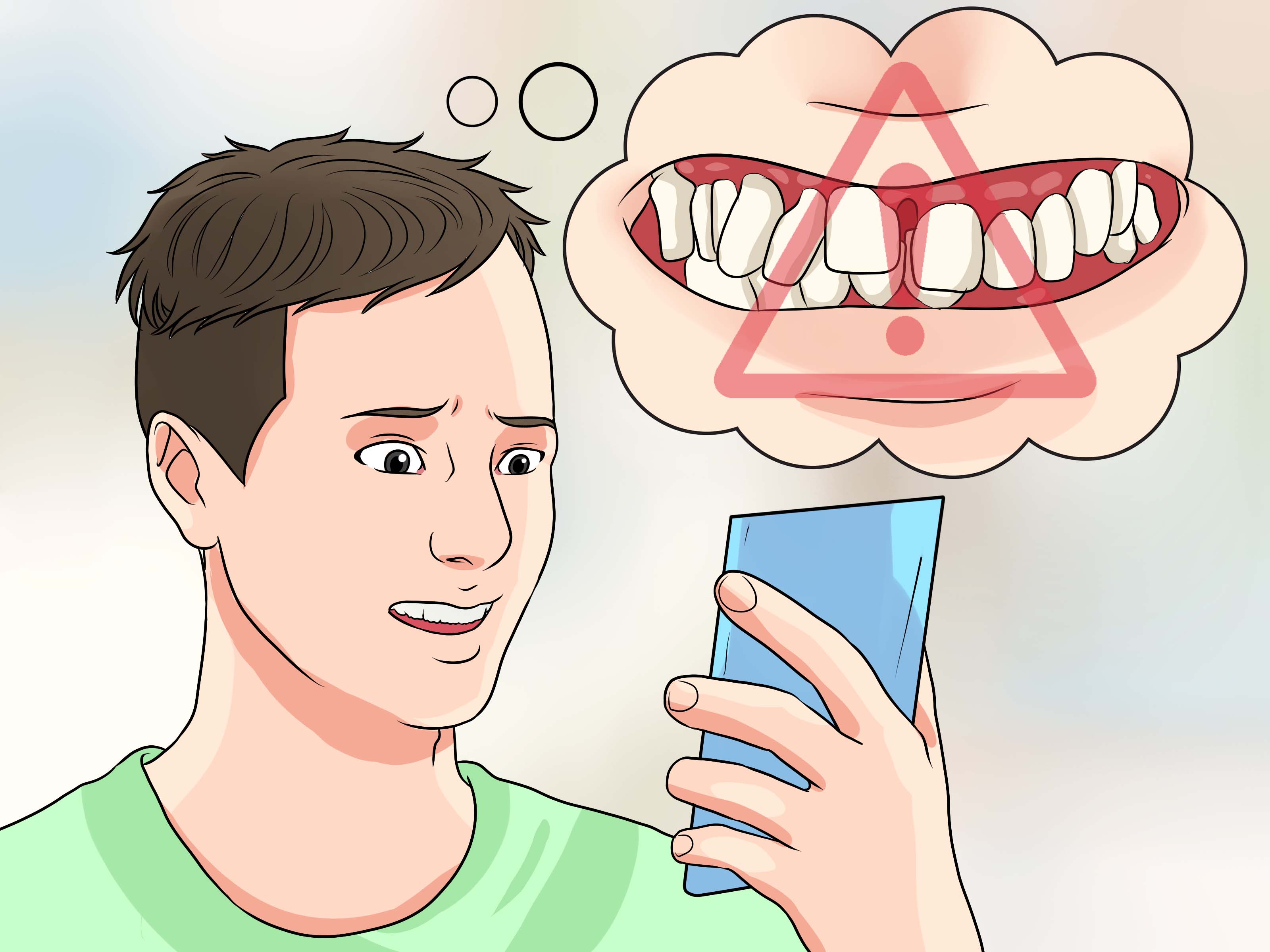
A tooth abscess is one of those dental problems that starts small and then barges into your life like it owns the place. One day you notice a little tooth sensitivity. The next day, chewing feels like a dramatic courtroom objection from your molar. By day three, your gum may be swollen, your breath may smell suspiciously unfriendly, and you may be Googling “can a tooth explode?” at 2:00 a.m.
The good news: a tooth abscess can often be treated successfully when caught early. The not-so-good news: it does not usually fix itself with wishful thinking, extra brushing, or bargaining with the dental gods. A dental abscess is a pocket of pus caused by bacterial infection. It may form at the tip of a tooth root, in the gums, or in the tissues supporting the tooth. Common triggers include untreated cavities, gum disease, cracked teeth, failed dental work, or trauma.
This guide explains how to identify a tooth abscess in 10 practical steps, what warning signs deserve urgent attention, and what you should do next. The goal is simple: help you recognize the problem early, avoid dangerous complications, and get the right dental care before your tooth turns into the villain of the week.
What Is a Tooth Abscess?
A tooth abscess is an infected pocket filled with pus. It happens when bacteria enter vulnerable areas of the tooth or gum tissue. Once bacteria reach the inner tooth pulp, the root area, or deep gum pockets, the body sends immune cells to fight the infection. The result can be swelling, pressure, pus, and pain that ranges from “annoying” to “I can hear colors.”
Common Types of Dental Abscesses
Periapical abscess: This forms at the tip of the tooth root, often after bacteria enter through a cavity, crack, or damaged filling. It is commonly linked with infected tooth pulp.
Periodontal abscess: This develops in the gums or supporting bone, often related to advanced gum disease. It may feel like swelling beside the tooth rather than deep inside it.
Gingival abscess: This is usually limited to the gum tissue and may happen when something gets stuck in the gum, such as a popcorn hull, toothbrush bristle, or tiny food fragment with big villain energy.
How to Identify a Tooth Abscess: 10 Steps
Step 1: Notice Severe, Constant, or Throbbing Tooth Pain
The classic sign of an abscessed tooth is a severe, steady, throbbing toothache. It may feel deep, pulsing, sharp, gnawing, or like someone installed a tiny drum set inside your jaw. Abscess pain often does not politely come and go. It can linger, worsen over time, and become harder to ignore.
The pain may spread to nearby areas, including the jawbone, ear, neck, or side of the face. This spreading pain happens because nerves in the mouth and face share communication pathways. In plain English: your tooth may be the troublemaker, but your ear may file the complaint.
If your tooth pain is constant, severe, or worsening, do not wait for it to “calm down.” Pain that intense is your body waving a large red flag, not a tiny decorative napkin.
Step 2: Check for Pain When Biting or Chewing
A tooth abscess often makes pressure painful. If biting into toast feels like biting into a brick, pay attention. Pain when chewing may happen because infection and swelling around the root make the tooth sensitive to pressure.
A simple clue is whether one specific tooth hurts when you tap, bite, or chew. Dentists use professional tests to evaluate this, but at home you may notice that one side of your mouth has become a “no-chew zone.” People often start chewing on the opposite side without realizing it, which is your brain’s way of saying, “Let’s not poke the dragon.”
Pain on biting can also occur with cracked teeth, inflamed pulp, sinus issues, or gum problems, so it is not a diagnosis by itself. But combined with swelling, fever, bad taste, or gum redness, it strongly suggests that a dentist should evaluate the tooth quickly.
Step 3: Look for Swollen, Red, or Tender Gums
Healthy gums should not look angry. If the gum near a painful tooth is red, swollen, shiny, tender, or warm, infection may be present. A gum abscess can sometimes appear as a raised bump, boil, or pimple on the gum. Dentists may call this a “gum boil” or draining sinus tract.
Do not squeeze it. Yes, the temptation may be real. No, your bathroom mirror is not an operating room. Pressing or popping a gum bump can push infection deeper or irritate the area. A dentist needs to evaluate the source and decide whether drainage, root canal therapy, periodontal treatment, antibiotics, or extraction is needed.
Swollen gums around one tooth are especially suspicious when paired with pain, a bad taste, or pus. General gum swelling may suggest gingivitis or gum disease, but localized swelling beside a painful tooth deserves faster attention.
Step 4: Watch for Facial, Jaw, Cheek, or Neck Swelling
Swelling outside the mouth is a more serious sign. If your cheek, jaw, lower face, or neck begins to swell, the infection may be spreading beyond the original tooth area. This does not mean panic, but it does mean act quickly.
Facial swelling from a tooth abscess can make the face look uneven or puffy. The skin may feel tender, tight, or warm. Jaw swelling may make it uncomfortable to open your mouth, speak, chew, or sleep. Neck swelling is especially concerning because infections in this region can sometimes affect swallowing or breathing.
Seek emergency medical care immediately if swelling is rapidly increasing, spreading toward the eye or neck, or making it hard to breathe or swallow. A dental infection that spreads is no longer just a tooth problem; it can become a whole-body medical emergency.
Step 5: Pay Attention to Lingering Hot or Cold Sensitivity
Many people have tooth sensitivity. Cold drinks, hot coffee, whitening products, receding gums, and small cavities can all cause zingers. But abscess-related sensitivity often has a different personality: it lingers, deepens, or comes with other signs like throbbing pain and swelling.
If a sip of cold water causes pain that hangs around after the water is gone, the tooth nerve may be inflamed or infected. Lingering heat sensitivity can also be a warning sign. A tooth that once only complained about ice cream but now throws a full drama festival over soup should not be ignored.
Sensitivity alone does not prove an abscess. However, sensitivity plus pain when biting, gum swelling, or foul taste strongly suggests the tooth needs a dental exam. The earlier the dentist checks it, the better the chance of saving the tooth.
Step 6: Notice Bad Breath, Bad Taste, or Salty Fluid
A tooth abscess may produce a foul smell or unpleasant taste. If an abscess drains, you may notice a sudden rush of bad-tasting, salty, bitter, or foul fluid in your mouth. Sometimes pain temporarily improves after drainage because pressure decreases.
Do not mistake sudden relief for healing. That is the dental version of a smoke alarm going quiet because the battery fell out. The infection can still be active even if the pressure drops. In fact, a draining abscess still needs professional treatment to eliminate the source.
Chronic bad breath can come from many causes, including dry mouth, tonsil stones, gum disease, smoking, diet, or poor oral hygiene. But when bad breath appears with one painful tooth, swollen gum, or pus, a dental abscess becomes a strong possibility.
Step 7: Check for Fever, Fatigue, or Feeling Generally Sick
A dental abscess can sometimes cause whole-body symptoms. Fever, chills, swollen lymph nodes, fatigue, headache, or a general “something is wrong” feeling may signal that your immune system is fighting infection.
Swollen lymph nodes under the jaw or in the neck can feel like tender lumps. They are part of the body’s immune response. While swollen nodes do not automatically mean danger, they matter when paired with dental pain, swelling, and fever.
If you have fever with facial swelling, difficulty swallowing, difficulty breathing, confusion, dehydration, or rapid worsening, seek emergency care. Dental infections are usually treatable, but delaying care can make treatment more complicated and riskier.
Step 8: Look for a Cracked, Broken, Darkened, or Deeply Decayed Tooth
An abscess often needs an entry point. Bacteria may enter through a deep cavity, cracked tooth, broken filling, chipped enamel, old crown margin, or injury. Sometimes the damaged tooth is obvious. Other times it hides like a tiny dental ninja.
Check whether the painful tooth has visible decay, discoloration, a broken edge, or an old filling that looks loose or damaged. A darkened tooth may indicate previous trauma or pulp death. A cracked tooth may hurt when biting but look normal at first glance.
Do not assume a tooth is fine just because you cannot see a hole. Many abscesses form below the surface or around roots. Dentists use X-rays, cold tests, bite tests, percussion tests, gum measurements, and clinical exams to locate the source.
Step 9: Identify Risk Factors That Make an Abscess More Likely
Some people have a higher risk of developing tooth abscesses. Poor oral hygiene, untreated cavities, frequent sugary snacks, dry mouth, gum disease, smoking, diabetes, immune system problems, and delayed dental care can all raise the risk.
Dry mouth matters because saliva helps protect teeth by washing away food particles and neutralizing acids. When saliva is low, bacteria get more time to party. Unfortunately, bacteria are terrible houseguests; they bring plaque, acid, decay, and sometimes infection.
If you have a history of cavities, periodontal disease, dental trauma, or repeated tooth pain, take symptoms seriously. Risk factors do not guarantee an abscess, but they help complete the picture. A person with deep decay, throbbing pain, swollen gum, and fever should not wait for a routine cleaning appointment two months away.
Step 10: Know When It Is an Emergency
Some tooth abscess symptoms need same-day dental care. Others need emergency medical care. Call a dentist urgently if you have severe tooth pain, visible gum swelling, pus, pain when biting, fever, or facial swelling. Many dental offices reserve time for emergencies, and the sooner treatment starts, the better.
Go to an emergency room or urgent medical setting immediately if you have difficulty breathing, trouble swallowing, swelling spreading into the neck or eye area, high fever, confusion, severe weakness, inability to open your mouth, or rapidly worsening facial swelling. These signs may mean the infection is spreading.
Do not try to treat a tooth abscess with leftover antibiotics, herbal remedies, or pain relievers alone. Pain medication may reduce discomfort, but it does not remove infected pulp, drain pus, repair decay, or clean a deep gum infection. The source must be treated.
What a Dentist May Do for a Tooth Abscess
Treatment depends on the source, severity, and spread of infection. A dentist may drain the abscess, perform root canal treatment, clean deep gum pockets, prescribe antibiotics when appropriate, or remove the tooth if it cannot be saved.
A root canal may sound scary, mostly because it has been bullied by decades of bad jokes. In reality, modern root canal therapy is designed to remove infected tissue, clean the canals, seal the tooth, relieve pain, and help preserve your natural tooth. Extraction may be needed when damage is too severe, but saving the tooth is often preferred when possible.
Antibiotics may be used when infection has spread, when there are systemic symptoms, or when immediate dental treatment is not available. However, antibiotics alone often do not cure an abscess because the infected source remains. Think of antibiotics as backup singers; the main performer is definitive dental treatment.
What You Can Do While Waiting for Dental Care
While waiting for your appointment, avoid chewing on the painful side. Choose soft foods and avoid very hot, cold, sugary, or acidic items if they trigger pain. Keep brushing gently with a soft-bristled toothbrush, and do not skip oral hygiene because the area hurts.
A warm saltwater rinse may help soothe irritated tissues. Over-the-counter pain relievers may help some people, but follow the label and avoid medications that are unsafe for you because of allergies, medical conditions, pregnancy, stomach ulcers, kidney disease, liver disease, blood thinners, or other concerns. When in doubt, ask a healthcare professional.
Most importantly, do not apply aspirin directly to the gum or tooth. This old home remedy can burn tissue. Also avoid poking, squeezing, or trying to drain the abscess yourself. Your mouth deserves professional care, not a do-it-yourself horror movie.
How to Prevent a Tooth Abscess
The best abscess is the one that never gets invited. Brush twice daily with fluoride toothpaste, floss once daily, limit frequent sugary snacks and drinks, drink water, and schedule regular dental checkups. Treat cavities early before they reach the nerve. Replace damaged fillings or crowns. Wear a mouthguard if you grind your teeth or play contact sports.
If you have gum disease, follow your dentist’s periodontal care plan. Deep cleanings, maintenance visits, improved home care, and risk-factor control can reduce pockets where bacteria collect. Prevention is less dramatic, less painful, and usually less expensive than emergency treatment. Your future self, your wallet, and your jaw will all send thank-you notes.
Common Mistakes People Make When Identifying a Tooth Abscess
Mistake 1: Assuming Pain Relief Means the Infection Is Gone
Sometimes abscess pain suddenly fades if the abscess drains or if the tooth nerve dies. That does not mean the infection disappeared. It may still spread silently.
Mistake 2: Waiting Until Swelling Gets Huge
You do not need cartoon-level cheek swelling to call a dentist. Persistent tooth pain with gum redness, bad taste, or tenderness is enough reason to get checked.
Mistake 3: Treating the Internet Like a Dentist
Online guides can help you recognize warning signs, but they cannot take X-rays, test tooth vitality, drain an abscess, or perform a root canal. Use the internet for education, not as a substitute for care.
Experience Section: What Identifying a Tooth Abscess Often Feels Like in Real Life
In real life, identifying a tooth abscess is rarely as neat as a textbook checklist. It often begins with a small warning sign that is easy to explain away. Maybe a molar feels tender when chewing popcorn. Maybe a tooth gives a sharp zap when you drink iced tea. Maybe the gum near an old filling feels a little puffy. At first, many people think, “I probably brushed too hard,” or “It will be fine tomorrow.” That is understandable. Nobody wants to turn a tiny tooth complaint into a dental appointment, especially when life is already busy.
Then the pattern changes. The pain becomes more specific. Instead of general sensitivity, one tooth starts acting like it has a personal grudge. Chewing on that side becomes uncomfortable, so you switch sides. Hot coffee or cold water may create pain that lingers. The gum may feel raised, tender, or tight. You might run your tongue over the area again and again because something feels different. This is often the moment when paying attention really matters.
A common experience with an abscess is the strange mix of pressure and throbbing. People often describe it as a heartbeat in the tooth. It may get worse when lying down because blood pressure changes can increase the pulsing sensation. That is why abscess pain has a rude habit of becoming louder at night, right when dental offices are closed and your pillow is suddenly useless.
Another real-world clue is behavior change. You may avoid crunchy foods, skip flossing around one tooth because it hurts, or chew carefully like your sandwich is made of glass. You may notice bad breath even after brushing. If pus drains, the taste can be bitter, salty, or foul. Some people feel embarrassed by this, but it is simply a sign that infection may be present. Dentists see this every day; they are not shocked, and they are not judging your molar’s life choices.
The emotional side is also real. Tooth abscess symptoms can make people anxious because the pain feels close to the brain, eyes, ears, and throat. That anxiety is not silly. Dental infections can spread, so it is wise to respect the symptoms. But fear should lead to action, not avoidance. Calling a dentist early usually gives you more treatment options and less drama.
The most useful experience-based rule is this: if a tooth problem is getting worse instead of better, especially with swelling, fever, bad taste, or pain when biting, treat it as urgent. You do not have to diagnose the abscess perfectly. That is the dentist’s job. Your job is to notice the warning signs and get professional help before the infection becomes harder to control.
Conclusion
Learning how to identify a tooth abscess can protect your health, your comfort, and possibly your tooth. The biggest clues are severe throbbing pain, pain when chewing, swollen or red gums, a pimple-like bump on the gum, bad taste, foul breath, fever, swollen lymph nodes, and swelling in the face, jaw, or neck. A cracked, decayed, darkened, or previously injured tooth adds even more suspicion.
The most important takeaway is simple: a tooth abscess needs professional dental care. Home care may reduce discomfort temporarily, but it cannot remove the source of infection. Call a dentist promptly if you suspect an abscess, and seek emergency medical care for trouble breathing, trouble swallowing, rapidly spreading swelling, high fever, confusion, or severe illness.
Your teeth are excellent at chewing, smiling, and starring in toothpaste commercials. They are terrible at negotiating with infection. When an abscess shows up, do not wait for it to become a bigger, louder, more expensive problem. Get it checked, get it treated, and let your mouth return to its regular job: helping you enjoy food without turning every bite into a suspense thriller.