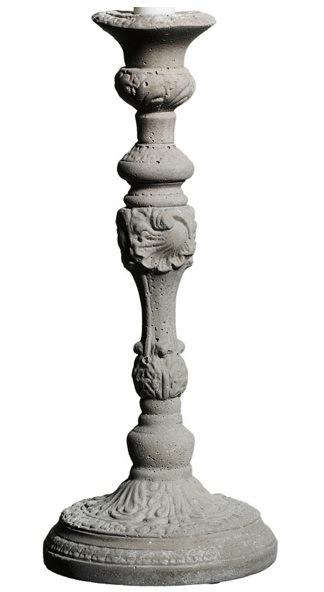
Some home accessories whisper. Others clear their throat, straighten their tiny concrete shoulders, and say, “Yes, I am the drama on this dining table.” Tove Adman Concrete Candlesticks belong firmly in the second group. These sculptural candle holders are not just places to park a taper candle; they are miniature design statementsequal parts Scandinavian restraint, industrial cool, and baroque wink.
At first glance, the idea sounds almost contradictory. Concrete is tough, gray, and usually associated with sidewalks, parking garages, and the mysterious corner of the basement nobody wants to organize. Candlesticks, meanwhile, are traditionally elegant, romantic, and often made from brass, silver, ceramic, or glass. Put the two together, and you get the magic of Tove Adman: a home accessory that feels raw yet refined, serious yet slightly playful, minimal yet full of personality.
This article explores why Tove Adman’s concrete candlesticks have become such memorable accessories, how they fit into modern interior design, where they work best, how to style them, and why they make surprisingly thoughtful gifts. We will also talk about living with them in real homes, because a candlestick may look gorgeous in a product photo, but the real test is whether it survives a dinner party, a coffee table shuffle, and your cousin asking, “Is this really made of concrete?”
Who Is Tove Adman?
Tove Adman is a Swedish designer known for transforming concrete into expressive, functional objects for the home. Before her design brand became widely recognized, she worked as a sculptor, which explains why her objects often feel less like mass-produced accessories and more like small architectural pieces. Her studio practice has been associated with Gotland, Sweden, an island environment that seems perfectly matched to her visual language: quiet, tactile, natural, and a little rugged around the edges.
What makes Adman’s work stand out is her ability to give a hard material a sense of humor. Concrete can be intimidating. It can also be elegant, depending on the hands shaping it. In Adman’s designs, concrete becomes softer visually because it is used in familiar domestic forms: candle holders, lamps, trays, and decorative objects. The result is design with contrast. It is industrial, but not cold. It is sculptural, but still useful. It has presence, but it does not shout across the room like a neon sofa having an identity crisis.
What Makes Tove Adman Concrete Candlesticks Special?
The appeal of Tove Adman Concrete Candlesticks starts with the tension between form and material. The silhouette often references traditional candlestick shapestall, elegant, almost old-worldbut the concrete gives the piece an unexpected modern edge. This mix is what many design lovers describe as an industrial-baroque effect. Imagine a candlestick that once lived in a castle, moved into a loft apartment, and decided to wear gray forever. That is the vibe.
Unlike shiny metal candle holders that bounce light around the room, concrete absorbs attention quietly. It has a matte finish, a cool surface, and a natural texture that makes each piece feel grounded. Since the material may show tiny variations, pores, or subtle surface differences, the object feels handmade rather than overly perfect. In a world where many accessories look like they were designed by an algorithm with commitment issues, that tactile imperfection feels refreshing.
A Material With Real Personality
Concrete is not neutral in the same way white plastic is neutral. It brings weight, texture, and architectural energy. Place a Tove Adman candlestick on a wooden dining table, and suddenly the table looks more considered. Set one on a marble shelf, and the contrast becomes quietly luxurious. Pair two on a mantel, and the whole space gets that “I read design magazines but still know where the snacks are” feeling.
The weight also matters. A concrete candlestick feels stable and substantial. That does not mean it should be treated like gym equipment, but it does give the object a pleasing seriousness. It sits where you put it. It does not look flimsy, trendy, or disposable. This is one reason concrete accessories have become popular in modern interiors: they provide a sense of permanence in rooms filled with soft textiles, glass, and lightweight furniture.
Why These Candlesticks Fit Modern American Homes
Although Tove Adman’s work is rooted in Scandinavian design, her concrete candlesticks translate beautifully into American interiors. Many U.S. homes today mix styles rather than following one strict design rule. A living room may have a mid-century sofa, a farmhouse table, a vintage rug, and a very opinionated cat. Concrete candlesticks work because they bridge categories. They are rustic enough for organic interiors, clean enough for minimal spaces, and bold enough for industrial rooms.
Scandinavian Minimalism Without Looking Bare
Scandinavian design is often associated with clean lines, functionality, natural materials, and calm color palettes. But the best Scandinavian interiors are not empty or lifeless. They use texture to create warmth. Tove Adman’s concrete candlesticks do exactly that. They add visual interest without clutter. Their gray tone pairs easily with whites, creams, oak, walnut, black metal, linen, wool, and stone.
For a Scandinavian-inspired room, place one or two concrete candlesticks on a light wood console table. Add a ceramic bowl, a linen runner, and a simple glass vase with branches. The arrangement feels intentional but not staged. It says, “I have taste,” not “I spent three hours arranging this tray and now no one may breathe near it.”
Industrial Interiors Love Them Too
Concrete naturally belongs in industrial spaces. If your home has exposed brick, black metal shelving, polished concrete floors, or Edison-style lighting, Tove Adman candlesticks will feel right at home. They echo the rawness of architectural materials while adding a softer, more domestic function through candlelight.
The trick is to avoid making the room feel too heavy. Pair concrete with warm wood, leather, textured rugs, or soft curtains. Candlelight helps here because it turns the concrete from “construction site chic” into “moody dinner party with excellent bread.”
How to Style Tove Adman Concrete Candlesticks
Styling these candlesticks is surprisingly easy because they are visually strong but color-neutral. The goal is not to bury them under accessories. Let them breathe. Concrete likes space. It is basically the introvert of home decor: interesting, thoughtful, and not thrilled about being crowded.
On the Dining Table
The dining table is the most natural place for these pieces. Use two candlesticks of the same height for symmetry, or mix heights if you prefer a more relaxed table setting. White taper candles create a clean, classic look. Black candles feel dramatic and modern. Warm ivory candles soften the gray and work beautifully for dinners, holidays, or quiet evenings when takeout deserves a better supporting cast.
For everyday styling, keep the table simple. A linen runner, two concrete candlesticks, and a low bowl of fruit are enough. For a dinner party, add greenery, small ceramic dishes, or clear glassware. Avoid tall floral arrangements that compete with the candlesticks. Their charm is sculptural, so give their shape room to show.
On a Mantel or Shelf
A mantel is a perfect stage for Tove Adman Concrete Candlesticks. Their vertical shape adds height, while the matte gray material grounds the arrangement. Try placing one candlestick beside stacked art books, a framed print, and a small plant. The concrete will balance the softer organic elements and prevent the display from becoming too sweet.
On open shelving, use candlesticks as bookends visually, even if they are not physically holding the books. Place one near a row of design books and another on a lower shelf with a ceramic vase. This staggered approach creates rhythm without looking overly matched.
On a Coffee Table
Coffee tables are tricky because they must look good and still leave room for real life: remote controls, mugs, books, and that one mysterious receipt that refuses to leave. A concrete candlestick works best on a tray or paired with a few low objects. Try a concrete candlestick, a small bowl, a match striker, and a compact vase. This grouping feels finished but functional.
Because concrete is heavy and can have a rough base, use felt pads underneath if you are placing it on delicate wood, lacquer, or marble. This tiny precaution can save your table from scratches and your future self from making the sound people make when they discover a new mark on furniture.
Best Candle Colors to Pair With Concrete
The candle color changes the entire mood of the candlestick. Since concrete is neutral, it gives you plenty of room to play.
White and Ivory Candles
White and ivory candles create a timeless look. They emphasize the shape of the candlestick and keep the arrangement calm. This combination is ideal for Scandinavian, minimalist, coastal, or modern farmhouse interiors.
Black Candles
Black candles turn the candlestick into a statement. The look is dramatic, architectural, and slightly mysteriousin a tasteful way, not in a “who moved the basement furniture?” way. Black works well in modern, industrial, and moody interiors.
Soft Pastels
Pale pink, sage green, butter yellow, or dusty blue candles can soften the concrete. This is a lovely choice for spring tables, brunch settings, or homes with playful Scandinavian color accents.
Deep Seasonal Colors
For fall and winter, try burgundy, forest green, rust, or chocolate brown candles. These richer tones warm up the cool gray and make the candlesticks feel festive without needing glitter, ribbons, or a centerpiece large enough to block conversation.
Care Tips for Concrete Candlesticks
Concrete is durable, but it is not invincible. Treat Tove Adman Concrete Candlesticks as handcrafted design objects rather than outdoor paving stones. Their surface may be porous, which means oils, colored wax, and harsh cleaners can stain or alter the finish.
Use a soft, dry cloth for regular dusting. If needed, lightly dampen the cloth with water and wipe gently. Avoid soaking the candlestick or using abrasive pads. For wax drips, allow the wax to cool and harden before removing it carefully with a fingernail or a plastic scraper. Some general candle-care methods recommend chilling wax to make it easier to lift, but use caution with concrete and avoid sudden temperature extremes that could stress the material.
It is also smart to trim candle wicks and keep the flame away from drafts. This helps reduce uneven burning and messy wax trails. Always place candlesticks on a stable, heat-safe surface, and never leave burning candles unattended. Beautiful design is wonderful; accidental table drama is not the ambiance we are after.
Are Tove Adman Concrete Candlesticks Good Gifts?
Yesespecially for people who appreciate design, architecture, Scandinavian interiors, handmade objects, or home accessories that do not look like they came from the emergency gift aisle. A Tove Adman candlestick feels thoughtful because it is distinctive but still practical. It is not too personal like perfume, not too generic like another plain mug, and not too enormous like a chair your friend now has to pretend fits their apartment.
They work well as housewarming gifts, wedding gifts, host gifts, or holiday presents. Pair one with a set of high-quality taper candles and a small box of long matches. The result feels complete and stylish without being fussy.
How to Spot the Right Interior Match
Before buying or styling concrete candlesticks, think about the room’s existing textures. Concrete looks best when it has something to contrast with. If everything in the room is already gray, hard, and minimal, the candlestick may disappear. Add wood, linen, wool, greenery, or warm candle colors to bring it alive.
In a room with many glossy surfaces, concrete provides balance. In a room with many rustic pieces, it adds modernity. In a room full of delicate decor, it adds confidence. That is the strength of this accessory: it changes the conversation without taking over the whole party.
Why Concrete Candlesticks Still Feel Fresh
Trends come and go, but certain materials keep returning because they offer something deeper than novelty. Concrete has stayed relevant in interiors because it feels honest. It does not pretend to be precious. It has texture, weight, and subtle variation. When shaped into something as traditional as a candlestick, it becomes even more interesting.
Tove Adman’s version remains appealing because it is not just a concrete block with a candle hole. It plays with history, form, and function. The candlestick nods to old decorative traditions while stripping away ornament through a modern material. That balance is why it still works in contemporary homes.
Experience Notes: Living With Tove Adman Concrete Candlesticks
There is a difference between admiring a design object online and actually living with it. In photos, Tove Adman Concrete Candlesticks look sculptural, composed, and almost gallery-like. In real life, they are more charming because they interact with the little imperfections of a home. Put one on a dining table with slightly wrinkled linen napkins, a half-filled wine glass, and a plate of roasted vegetables, and the candlestick suddenly feels less like an accessory and more like part of the atmosphere.
The first thing you notice is the weight. A concrete candlestick has a reassuring presence. It does not feel fragile in the way glass or thin ceramic might. You pick it up and immediately understand that the material is part of the experience. It makes even a simple taper candle feel more important. Lighting a candle in one of these holders turns an ordinary Tuesday dinner into something with a little ceremony. Not a royal banquet, obviously, unless your royal banquet includes leftover pastabut still, the mood improves.
One of the best experiences with these candlesticks is using them as contrast pieces. On a rustic wooden table, the gray concrete looks clean and modern. On a sleek white table, it adds texture and prevents the setting from feeling sterile. Next to flowers, it looks grounded. Next to books, it looks intellectual. Next to a bowl of chips, it looks like it is politely trying to elevate the situation.
They are also surprisingly versatile across seasons. In spring, pair them with pale candles and fresh branches. In summer, use them outdoors on a covered patio for dinner, but bring them back inside afterward to protect the finish. In fall, they look beautiful with amber glass, dried grasses, and deep-colored candles. In winter, they become especially cozy with ivory tapers, pine greenery, and soft textiles. The same object can move through the year without feeling out of place.
From a practical perspective, the main lesson is to respect the surface. Concrete may look tough, but a designed concrete accessory deserves gentle handling. I would avoid placing it directly on a delicate tabletop without protection. Small felt pads are inexpensive and nearly invisible, and they give peace of mind. I would also avoid brightly dyed candles if you are worried about staining. Natural, white, ivory, or high-quality dripless tapers are safer choices.
Another experience-based tip: do not over-style them. These candlesticks look best when they have breathing room. If you surround them with too many tiny objects, their sculptural shape gets lost. One candlestick can stand alone on a small side table. A pair can anchor a dining setup. Three can look dramatic on a long console, but only if the surrounding decor stays simple.
Guests tend to notice them. Concrete candlesticks invite questions because they challenge expectations. People expect candle holders to be metal, glass, or ceramic. When they realize the piece is concrete, the object becomes a small conversation starter. That is the sweet spot for great home accessories: useful enough to belong, unusual enough to be remembered.
The final experience worth mentioning is emotional. Concrete brings calm. It does not sparkle or beg for attention. It sits quietly, holds light, and makes a room feel more intentional. In a home filled with screens, cords, notifications, and fast-moving everything, that kind of stillness is valuable. Tove Adman Concrete Candlesticks are not just accessories; they are little anchors for atmosphere.
Conclusion: A Small Accessory With Architectural Soul
Tove Adman Concrete Candlesticks prove that a home accessory does not need to be loud, shiny, or oversized to make an impact. Their beauty comes from contrast: rough material with elegant form, industrial texture with candlelit warmth, Scandinavian restraint with a playful sculptural spirit.
Whether styled on a dining table, mantel, shelf, or coffee table, these candlesticks bring depth and character to a room. They pair beautifully with wood, linen, ceramic, metal, greenery, and almost every candle color from classic ivory to dramatic black. They also make excellent gifts for design lovers who appreciate objects with a story.
In the end, the charm of Tove Adman’s concrete candlesticks is simple: they make everyday spaces feel more designed without making them feel less livable. They are strong but graceful, minimal but memorable, and practical enough to earn their place in the home. That is a lot of personality for something whose main job is holding a candlebut honestly, some accessories are overachievers, and we should let them shine.