A car plunging into water is the sort of emergency most people expect to encoununches through a window without mussing up his hair. Real life is less cinematic. Water pressure is powerful, visibility can disappear quickly, and panic has a nasty habit of turning simple tasks into impossible puzzles.
The good news is that a vehicle usually does not vanish beneath the surface instantly. During the initial floating phase, occupants may have a brief opportunity to unbuckle, open a window, help children, and escape. The bad news is that this window of opportunity may last only seconds. Your survival plan must therefore be simple enough to remember when your brain is shouting seventeen different things at once.
The essential sequence is: seat belts off, windows open, children out, everyone out. Do not waste the best escape period searching for your phone, gathering belongings, or waiting for the passenger compartment to fill. Your car can be replaced. Your phone can be replaced. Even your embarrassingly large gas-station coffee can be replaced.
What Happens When a Car Enters the Water?
After entering deep water, a vehicle generally passes through three stages. First, it floats with much of the passenger compartment above the surface. Next, it begins sinking as water enters through vents, seals, and openings. Finally, it becomes fully submerged and may fill almost completely.
The first stage offers the safest and most practical escape opportunity. Once the outside water rises against the side windows, water pressure may prevent them from opening normally. Opening a door also becomes extremely difficult because the pressure outside is much greater than the pressure inside.
That is why speed matters more than strength. You do not need superhero muscles. You need a memorized plan and immediate action.
How to Escape from a Sinking Car in 13 Steps
1. Control Your First Reaction
The impact may be violent, noisy, and confusing. Cold water may begin entering the vehicle, airbags may have deployed, and the car could be tilted or upside down. Take one deliberate breath and focus on the sequence you already know.
Do not interpret “stay calm” as permission to move slowly. The goal is controlled urgency. Think: seat belt, window, children, out. Repeating those words can keep your attention on useful actions rather than on the highly unhelpful thought, “This cannot be happening.”
2. Begin Self-Rescue Immediately
Do not call 911 before trying to escape. Emergency dispatchers cannot reach a sinking vehicle within the few seconds you may have to open a window. Calling also occupies a hand and divides your attention at exactly the wrong time.
Escape first. Call for emergency help once you and your passengers are outside or have reached a reasonably secure location. If your phone automatically places a crash call, do not let the conversation delay your exit.
3. Remove Your Seat Belt
Unbuckle your seat belt immediately. The belt probably helped keep you conscious during the impact, which is precisely why wearing one remains essential near bridges, canals, rivers, and flooded roads.
Press the release button normally rather than pulling wildly against the belt. If the vehicle is upside down, brace yourself against the roof or seat before releasing it. Otherwise, you may drop onto your head, and the emergency has already contributed quite enough drama.
4. Lower a Window at Once
As soon as your belt is off, press the switch to lower a side window. Try the driver-side window first, but use whichever window opens most quickly. A powered window may continue working briefly after the car enters the water, so do not assume the electrical system has already failed.
Open the window before the water rises against it. Once a substantial portion of the window is underwater, pressure may prevent the glass from moving even if the motor still has power. If your vehicle has an operable sunroof and the side windows will not open, the roof may provide another exit.
5. Do Not Open a Door During the Floating Phase
A door may look like the obvious exit, but it is usually a poor first choice. Opening it allows a large volume of water to rush into the passenger compartment, causing the vehicle to sink more rapidly. The incoming water can also knock occupants off balance and reduce the time available to free children.
Water pressure may prevent the door from opening anyway. Use a window while one is still available. A door should be considered only in unusual circumstances, such as when the vehicle is still partly supported on solid ground and the door is clearly above the waterline.
6. Cut a Jammed Seat Belt if Necessary
A collision can place tension on a seat belt or damage its buckle. If the normal release does not work, use a seat-belt cutter kept within reach of the drivernot buried in the trunk beneath three reusable shopping bags and a mysterious umbrella.
Cut the belt diagonally across a flat, accessible section. Keep the cutting tool attached to the center console, visor, keychain area, or another location that can be reached while restrained. A tool inside a locked glove compartment may be technically present but practically useless.
7. Know Whether Your Side Windows Are Tempered or Laminated
If a window will not lower, your next option depends on its construction. Tempered glass is designed to shatter into small pieces and may be broken with a suitable vehicle escape tool. Laminated glass contains a plastic layer that holds the window together and is much harder to penetrate.
Many windshields are laminated, and an increasing number of vehicles also use laminated side windows. Look at the permanent markings near the lower corner of each window before an emergency occurs. Words such as “tempered,” “laminated,” or recognizable glass certification markings may identify the material. Your owner’s manual, dealership, or manufacturer can also confirm it.
8. Break a Tempered Side Window if It Will Not Open
If the side window is tempered, use a spring-loaded center punch or a tested automotive escape tool. Strike or press near a lower corner or edge, where the glass is generally more vulnerable. Do not aim at the middle unless the tool manufacturer specifically instructs you to do so.
A spring-loaded tool can be easier to use in a cramped or partially submerged car than a hammer-style device because it does not require much swinging room. Turn your face away, protect your eyes if possible, and expect water to enter rapidly after the window breaks.
Do not spend the entire floating phase attacking a laminated windshield. Windshields are intentionally difficult to shatter, and repeated kicks or blows may waste your best escape opportunity. Try another side window or the sunroof instead.
9. Establish an Exit Before Releasing Young Children
Open or break a usable window before beginning the more complicated task of releasing children from car seats. This order matters. If you free a small child first but then discover that every window is trapped by water pressure, you have lost precious time without creating an exit.
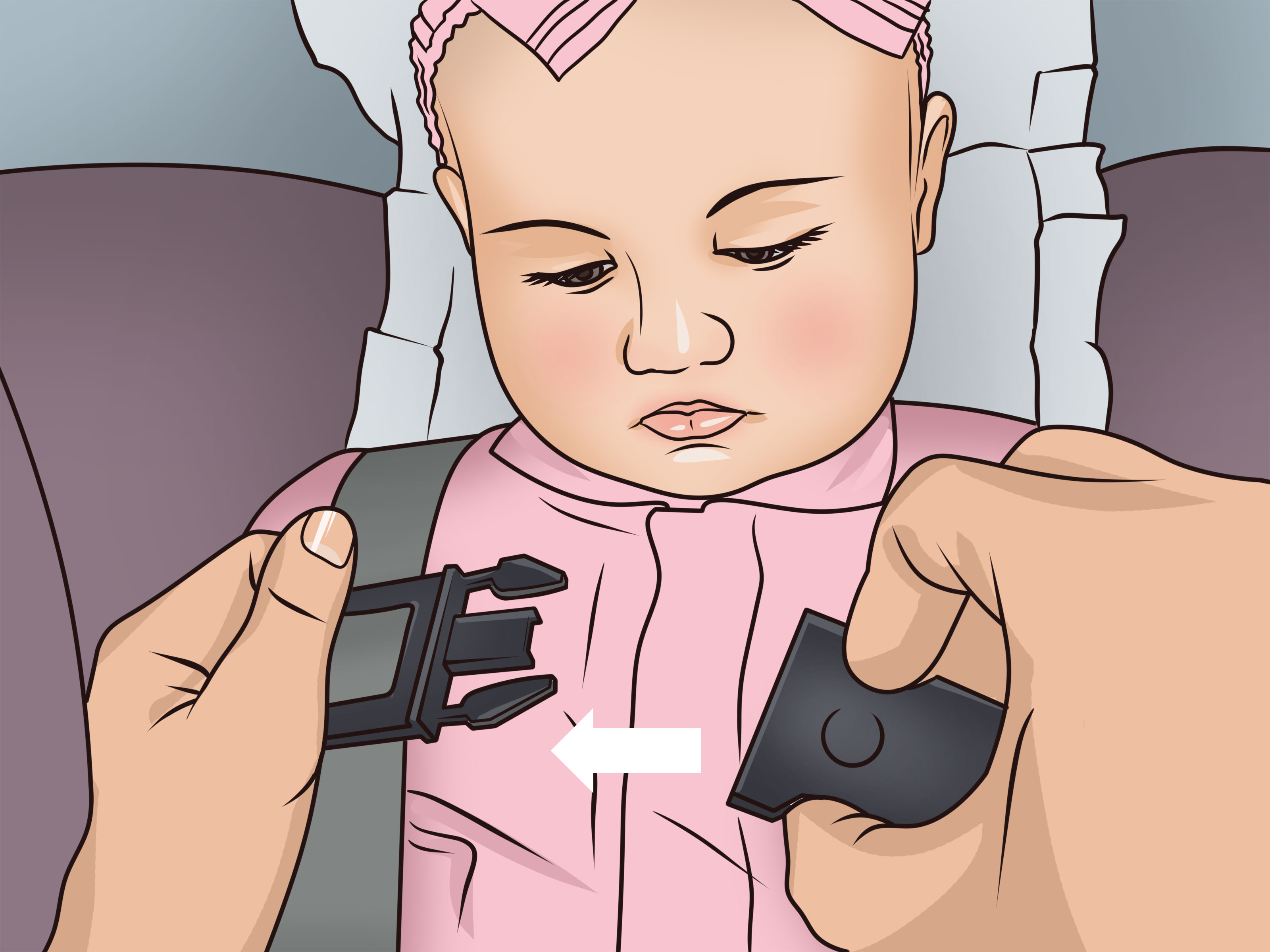
Once the window is open, release children from their restraints. Keep each child close so that moving water does not separate you inside the vehicle. Adults who regularly transport children should practice operating every buckle and chest clip without looking at it.
10. Send Children Out Before the Adults
Help children through the open window before leaving the vehicle yourself. When several children are present, assist the oldest or most capable child first. That child may be able to hold onto the vehicle, swim toward safety, or help receive a younger sibling.
Next, move younger children and infants toward the opening. Push them through feet first or guide them in the position that gives you the best control. Keep hold of an infant until you are moving through the window as well.
Do not climb out first with the intention of returning. Reentering a sinking vehicle is extremely difficult and may become impossible once the passenger compartment drops below the surface.
11. Exit Through the Window Without Taking Belongings
Move headfirst through the opening, using the door frame or roof edge for leverage. Bulky coats and shoes usually do not need to be removed unless they are physically snagged. Ordinary clothing contains trapped air at first and is rarely worth delaying your exit to remove.
Leave purses, wallets, luggage, groceries, laptops, and other possessions behind. Do not attempt to save a pet carrier if doing so would trap a person inside. Release an accessible pet when possible, but never sacrifice the only human escape opportunity while struggling with equipment or cargo.
12. Swim Clear and Locate the Surface
Once outside, move away from the vehicle so that you are not pulled against it, caught on debris, or struck if it shifts. If you become disoriented underwater, look for bubbles and follow their direction upward. Light may also indicate the surface during daylight, although muddy floodwater can reduce visibility to nearly zero.
In cold water, control your breathing and make deliberate movements. The initial cold shock may cause gasping and rapid breathing. Focus first on keeping your airway above water, then move toward the nearest stable bank, boat, structure, or floating object.
If fast-moving floodwater is carrying you away, avoid exhausting yourself by fighting directly against the current. Angle toward the safest reachable edge while protecting your head from debris.
13. Reach Safety, Call 911, and Seek Medical Evaluation
After reaching land or a secure structure, call 911 and report the vehicle’s location, the number of occupants, whether anyone is missing, and any visible injuries. Do not reenter the water to retrieve belongings.
Anyone who inhaled water, lost consciousness, experienced chest pain, struck their head, or has difficulty breathing should receive prompt medical attention. Breathing problems can develop after an apparent recovery. Cold-water exposure may also cause hypothermia even when the air temperature feels relatively mild.
What If No Window Opens or Breaks?
If all usable windows are laminated, the electrical controls fail, and no other opening is available, the situation becomes extremely dangerous. Continue trying every side window and the sunroof while they remain above the waterline. Do not abandon an available window merely because the first attempt fails.
As an absolute last resort, move toward the highest remaining air pocket. When the passenger compartment is almost completely full, the pressure inside and outside may begin to equalize, potentially making a door easier to open. Take a final breath from the remaining air, unlock the door, and push forcefully.
This is not a recommended primary strategy. Waiting for pressure equalization leaves very little breathable air and offers a much lower chance of survival than escaping through a window during the initial floating phase.
How to Prepare Before an Emergency
Inspect Your Vehicle’s Glass
Check every side window, not only the driver’s window. Some vehicles use laminated glass in front and tempered glass in the rear. Knowing that the back window is breakable could save the time you might otherwise spend repeatedly striking the wrong one.
Mount an Escape Tool Within Reach
Select an automotive escape tool that includes a seat-belt cutter and is designed for tempered glass. Secure it where it will remain accessible after a rollover or collision. A loose tool may fly under a seat, which is exactly where small but important objects go when they wish to retire permanently.
Practice the Escape Sequence
While the vehicle is parked safely, ask each family member to identify the belt release, window controls, glass markings, escape tool, and nearest exit. Practice saying the sequence aloud: seat belts, windows, children, out.
Do not conduct amateur underwater drills in a real vehicle. Dry practice is enough to build familiarity without creating the emergency you are supposedly preparing to survive.
Avoid Flooded Roads
The safest sinking-car escape is the one you never need. Never drive around flood barricades or assume shallow-looking water is harmless. Moving floodwater can float or sweep away a vehicle, and the roadway beneath it may be washed out.
Turn around and choose another route. Arriving late is inconvenient. Arriving by accidental submarine is considerably worse.
Common Sinking-Car Myths
Myth: You Should Wait Until the Car Fills With Water
Waiting for pressure to equalize is a last-resort maneuver, not the preferred plan. The safest escape generally occurs while the vehicle is still floating and a window can be opened.
Myth: Electric Windows Stop Working Immediately
Water does not necessarily disable power windows the instant a vehicle enters it. Try the switch immediately. Pressure against the window may become the greater obstacle as the water rises.
Myth: Headrests Always Break Windows
Removing a headrest and striking the glass is unreliable. Some headrests cannot be removed quickly, their posts may not be suitable for breaking glass, and laminated windows may resist the attempt completely. A tested escape tool and advance knowledge of the glass type provide a better plan.
Myth: A Large SUV Cannot Be Swept Away
Vehicle size can create false confidence. Floodwater can float cars and larger vehicles, especially when it is moving quickly. Greater ground clearance does not transform an SUV into a boat, despite what certain advertisements seem to imply.
Experience-Based Lessons from Vehicle Submersion Scenarios
Vehicle-submersion demonstrations, emergency-response reports, and survivor accounts repeatedly reveal the same lesson: preparation changes behavior. People who have never considered the possibility of a sinking vehicle often try several ineffective actions first. They call for help, pull repeatedly on a door handle, search for an object to strike the windshield, or attempt to collect personal belongings. Each action feels understandable in the moment, but together they consume the easiest escape period.
Consider a realistic family scenario. A parent drives off a rain-covered road into a drainage canal with two children in the back seat. The vehicle remains mostly upright and floats briefly. An unprepared driver may call 911 and explain the location while water rises past the door handles. A prepared driver unbuckles, lowers a side window, releases the older child, sends that child through the opening, releases the younger child, and exits immediately afterward. The difference is not extraordinary strength or swimming ability. It is the order in which ordinary tasks are performed.
Another common difficulty appears after rollovers. When a vehicle lands upside down, occupants may be hanging from their seat belts. Releasing the buckle without bracing can cause a painful fall onto the roof. Dry practice teaches drivers to place one hand or forearm against the ceiling before releasing the belt. That tiny detail may prevent a head or neck injury and help the occupant remain oriented.
Glass type creates another practical lesson. Imagine a driver who bought an escape hammer and confidently stored it in the center console. The tool is available, but the driver has laminated front side windows and tempered rear windows. Without checking beforehand, the driver may waste the floating phase striking glass that will crack but remain held together by its plastic layer. Knowing to move immediately toward a tempered rear window turns the same tool from a false comfort into a useful backup.
Tool placement matters just as much. Emergency tools found loose in a door pocket, cup holder, or glove box may move during impact. A rollover can scatter objects throughout the cabin. The most dependable arrangement is a secured tool that both front occupants can reach while wearing their seat belts. It should be simple to release with one hand and familiar enough that nobody needs to study the instructions while water is rising.
People also tend to underestimate how confusing dark or muddy water can be. A familiar passenger compartment becomes disorienting when tilted, filled with floating objects, and illuminated only by dashboard lights. Practicing the hand movements for the belt buckle and window switch reduces dependence on vision. This is especially valuable at night, during heavy rain, or after an impact damages the interior lighting.
Families with child safety seats face additional complications. Buckles differ among manufacturers, and a relative or caregiver may not know how a particular chest clip releases. Every regular driver should practice opening each restraint. Older children should also be taught not to wait silently for instructions. They can learn to unbuckle themselves when capable, move toward the opened window, and assist a younger sibling only when doing so does not delay their own escape.
Finally, experience from flood emergencies demonstrates that prevention deserves as much attention as escape technique. Drivers frequently enter water because another vehicle crossed successfully or because the roadway looks familiar. Neither observation proves that the water is safe. Depth can increase within minutes, currents can strengthen, and pavement can collapse beneath the surface. Turning around may add twenty minutes to a trip, but those twenty minutes are a bargain compared with testing your vehicle’s aquatic abilities.
The most useful takeaway is wonderfully uncomplicated: decide now what you will do later. Check your glass, secure a proper escape tool, learn the child restraints, and memorize the sequence. In an actual emergency, sophisticated plans tend to evaporate. Four actions are enough: seat belts off, windows open, children out, everyone out.
Conclusion
Escaping a sinking car depends on acting during the brief period when the vehicle is still floating and its windows remain usable. Unbuckle your seat belt, open a side window, establish the exit, release children, and leave immediately. Avoid doors during the floating phase, do not pause to call for help, and do not rely on breaking laminated glass.
A few minutes of preparation today can eliminate dangerous hesitation later. Learn what kind of glass your vehicle uses, mount an escape tool within reach, and review the plan with everyone who regularly rides with you. Hopefully, you will never need the information. That is perfectly fine. The best emergency skill is the one that spends its entire career unemployed.
Note: This safety article synthesizes guidance and research from U.S. government weather and transportation agencies, the American Red Cross, AAA automotive safety programs, peer-reviewed vehicle-submersion studies, child-safety organizations, and emergency-dispatch research. re>