There are two kinds of people in this world: people who mop regularly, and people who suddenly notice the kitchen floor has developed a mysterious “texture.” If you are in the second group, welcome. No judgment. The good news is that the best mops of 2025 are not the soggy, stringy, back-breaking floor noodles of the past. Today’s mops are smarter, lighter, easier to wring, better at trapping grime, and far less likely to make you question every life choice that led you to cleaning dried spaghetti sauce at 9:43 p.m.
This guide is inspired by Bob Vila’s 2025 hands-on mop testing and supported by current cleaning guidance from trusted home-care, product-testing, and floor-maintenance sources. The main takeaway is simple: the “best mop” is not one magical stick that rules every floor. A spin mop is excellent for deep cleaning. A spray mop is perfect for quick daily messes. A flat microfiber mop is a quiet hero for hardwood. A steam mop can be powerful on sealed tile, but it is not a free pass to blast every floor like a tiny dragon. Choosing well means matching the mop to your flooring, your messes, your patience level, and whether you are willing to wash reusable pads instead of buying disposable ones forever.
Below, we break down the top mop categories, the standout Bob Vila-tested models, what they do best, what they do not do so gracefully, and how to pick the right one without turning your cleaning closet into a museum of regret.
Quick Verdict: Best Mops of 2025
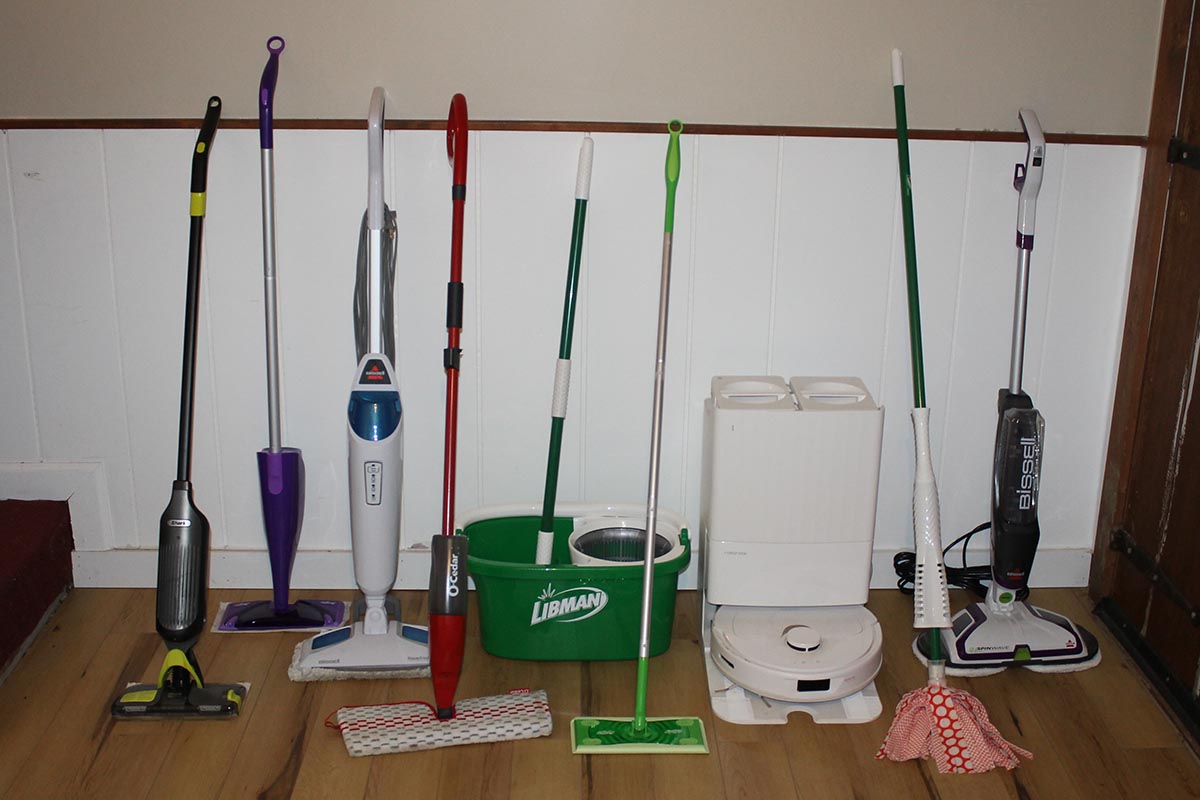
Bob Vila’s 2025 testing highlighted a wide range of mop styles, from classic spin systems to spray mops, steam mops, electric spin mops, vacuum mops, and robot mops. The best overall pick was the Libman Tornado Spin Mop System, thanks to its washable microfiber head, strong cleaning performance, easy wringing, and usefulness across sealed hard floors. It is the kind of mop that makes dirty water look like a confession.
Other notable performers included the O-Cedar ProMist Max Microfiber Spray Mop for value, the Swiffer WetJet for disposable-pad convenience, the Microfiber Wholesale 18-Inch Professional Mop System for flat-mop efficiency, the Bissell SpinWave Pet Hard Floor Spin Mop for powered scrubbing, the Bissell PowerFresh Steam Mop for steam cleaning on appropriate surfaces, the Shark VacMop Pro for vacuum-and-mop convenience, the ILife V5s Plus for robotic help, and the Libman Wonder Mop for old-school versatility with modern microfiber benefits.
Why Bob Vila’s 2025 Mop Testing Matters
A mop can look fantastic online and still behave like a wet sock on a stick. That is why hands-on testing matters. Bob Vila’s 2025 mop testing compared multiple mop types on common hard floors such as hardwood, vinyl, linoleum, and tile. The test focused on real household messes, including sticky spills and dried food, which is exactly what a mop has to face in normal life. Nobody buys a mop for a perfectly clean floor. You buy one because someone spilled juice, the dog brought in half the backyard, or your toddler has discovered gravity and yogurt.
The strongest mops shared a few traits: absorbent microfiber, good moisture control, easy maneuverability, a wringing or spray system that did not feel like a gym membership, and mop heads that could reach edges and corners. The weakest performers in any mop category usually had one of three problems: they pushed dirt around, left too much water behind, or required so much maintenance that cleaning the mop became a second chore.
Best Overall: Libman Tornado Spin Mop System
The Libman Tornado Spin Mop System earned the top spot because it balances cleaning power, floor safety, and convenience. Its microfiber mop head is large enough to cover ground quickly but flexible enough to work near cabinets, baseboards, and awkward corners. The spin bucket helps remove excess water, which is especially important for sealed hardwood and luxury vinyl plank floors where “damp” is good and “indoor pond” is bad.
What Makes It Stand Out
The best feature is the wringing system. Instead of twisting the mop by hand or guessing whether the head is too wet, you press and spin until the mop is damp enough for safe cleaning. That gives you more control, and moisture control is one of the biggest differences between a floor that shines and a floor that develops cloudy streaks or water damage.
The machine-washable mop head is another win. Reusable microfiber reduces long-term waste and cost, and it generally does a better job grabbing fine dust and grime than many traditional cotton mop heads. The main downside is that the bucket does not separate clean and dirty water, so if that feature matters to you, a two-tank spin system may be more appealing.
Best Bang for the Buck: O-Cedar ProMist Max Microfiber Spray Mop
The O-Cedar ProMist Max Microfiber Spray Mop is ideal for people who want quick cleanups without dragging out a bucket. A spray mop is especially useful in kitchens, entryways, bathrooms, and anywhere crumbs and mystery spots appear between full cleaning sessions. The refillable bottle gives you control over the cleaning solution, and the washable microfiber pad keeps ongoing costs lower than disposable-only systems.
This type of mop is not designed for a full muddy-house rescue mission. For heavy grime, a spin mop or electric scrubber-style mop will usually perform better. But for everyday floor maintenance, a good spray mop is the cleaning equivalent of keeping floss in the bathroom: easy, practical, and more effective when used regularly.
Best Disposable Pad Mop: Swiffer WetJet Mop Starter Kit
The Swiffer WetJet remains popular because it is convenient. The cleaning solution is built in, the pads are disposable, and setup takes almost no effort. For apartments, small homes, dorm rooms, or people who simply refuse to maintain a mop bucket, it makes sense.
The trade-off is long-term cost and waste. Disposable pads are easy, but you keep buying them. The WetJet also performs best on light to moderate messes rather than serious, stuck-on grime. Think of it as the fast-food drive-through of mopping: incredibly convenient, occasionally exactly what you need, but not always the most economical daily lifestyle.
Best Flat Mop: Microfiber Wholesale 18-Inch Professional Mop System
A wide flat mop is a favorite for large open areas, especially hardwood, laminate, and vinyl floors. The Microfiber Wholesale 18-Inch Professional Mop System stands out because its broad head covers more floor in fewer passes, and microfiber pads can be swapped, washed, and reused.
Flat mops are excellent for dusting and damp mopping. They are not always the best choice for deep scrubbing grout lines or attacking dried-on messes unless the pad has enough texture. Still, for regular maintenance, especially in homes with open floor plans, a flat microfiber mop can make cleaning feel surprisingly efficient. It glides rather than flops, which is a small blessing when you are trying to finish before guests arrive.
Best Wet/Dry Mop: Swiffer Sweeper 2-in-1 Starter Kit
The Swiffer Sweeper 2-in-1 is a classic because it handles dry dusting and light wet mopping with one slim tool. It is not the strongest deep cleaner, but it is excellent for daily dust, pet hair tumbleweeds, and quick touch-ups. If your main floor problem is dust rather than sticky residue, this kind of wet/dry system is useful.
It is also easy to store, which matters more than people admit. A mop that fits neatly in a closet is more likely to be used. A giant system that requires emotional preparation may become “the mop we bought during spring cleaning season and never saw again.”
Best Electric Mop: Bissell SpinWave Pet Hard Floor Spin Mop
The Bissell SpinWave Pet Hard Floor Spin Mop is for people who want the mop to do more of the scrubbing. Its rotating pads help loosen sticky spots, pet messes, and everyday grime without requiring as much arm pressure. That makes it especially appealing for larger kitchens, pet-friendly homes, and anyone whose shoulders have filed a formal complaint.
The SpinWave works best on sealed hard floors and comes with washable pads, which is good for repeated use. However, electric mops bring extra considerations: battery life or cord length, storage space, charging time, and replacement pad availability. They are more expensive than simple manual mops, but if powered scrubbing helps you clean more often with less effort, the value is real.
Best Steam Mop: Bissell PowerFresh Steam Mop
A steam mop can be terrific on sealed tile and some other steam-safe hard surfaces. The Bissell PowerFresh Steam Mop is designed to use heat and water to loosen grime, which can reduce the need for chemical cleaners. That sounds wonderful, and on the right surface, it often is.
But here comes the important part: steam is not safe for every floor. Many hardwood, laminate, engineered wood, and some luxury vinyl floors can be damaged by heat and moisture, especially if steam enters seams or cracks. Before using a steam mop, check your floor manufacturer’s instructions. A steam mop is a tool, not a personality test. You do not get extra points for using it on floors that specifically say, “Please don’t.”
Best Vacuum Mop: Shark VacMop Pro Cordless Vacuum Mop
The Shark VacMop Pro combines light vacuuming and mopping in one cordless tool. This is useful for small messes where dry debris and wet spots are hanging out together like they planned it. Instead of sweeping first and mopping second, a vacuum mop can simplify the process.
However, vacuum mops are not always replacements for full-size vacuums or deep-cleaning mop systems. Many are best for quick maintenance on sealed hard floors. They may have small tanks, disposable pads, limited runtime, or more parts to clean. For busy households, though, the convenience can be worth it.
Best Robot Mop: ILife V5s Plus Robotic Vacuum and Mop
Robot mops are not magic, but they are getting better. The ILife V5s Plus offers robotic vacuuming and mopping for people who want routine maintenance with less manual effort. A robot mop is best for keeping already-managed floors looking good. It is not the tool you call when the lasagna pan hits the floor. That is still your problem, unfortunately.
The biggest advantage is consistency. If a robot mop runs several times a week, it can reduce dust, light dirt, and surface grime. The downside is that robots require prep. Cords, socks, toys, pet bowls, and chair legs can all become tiny household villains. Robot mops work best in uncluttered spaces with predictable layouts.
Most Versatile: Libman Wonder Mop
The Libman Wonder Mop is a familiar, practical choice for people who want one tool that can handle many surfaces. Its microfiber strips are washable, absorbent, and flexible enough to work around corners and uneven areas. It is not as fancy as a robot mop or as aggressive as an electric spin mop, but it is simple, affordable, and dependable.
This is the mop for people who do not want an app, a battery, a charging dock, or a cleaning device that needs its own maintenance calendar. Sometimes the best tool is the one you grab, use, rinse, and hang up.
How to Choose the Best Mop for Your Floors
Match the Mop to the Floor Type
For sealed hardwood and laminate, choose a mop that controls moisture well. Microfiber spray mops, flat mops, and well-wrung spin mops are usually safer than dripping string mops. Avoid flooding the floor, and be cautious with steam unless your floor manufacturer clearly allows it.
For tile, ceramic, porcelain, and sealed stone, you can usually use more cleaning power. Spin mops, steam mops, and scrubby microfiber pads can help with grout lines and sticky residue. For luxury vinyl plank, use a damp mop and avoid harsh chemicals or excessive water at seams.
Decide Between Reusable and Disposable Pads
Reusable microfiber pads cost more upfront but save money over time and create less waste. Disposable pads are convenient and hygienic for quick messes, but the refill costs add up. If you mop often, reusable pads usually win. If you mop occasionally or need convenience above all else, disposable systems are still practical.
Think About Storage and Setup
A mop that is annoying to assemble, heavy to carry, or difficult to store will not get used. For small apartments, a spray mop or flat mop may be better than a bucket system. For larger homes, a spin mop or electric mop may save time. For busy households, a robot mop can help maintain floors between deeper cleanings.
Mopping Tips That Actually Help
Always vacuum or sweep before wet mopping. Mopping over crumbs and grit turns your pad into a tiny mud paintbrush. Use the right cleaner for the floor, and avoid assuming vinegar belongs everywhere. It does not. Hardwood finishes, natural stone, and some specialty surfaces can react badly to acidic cleaners.
Use less liquid than you think you need. Floors should dry quickly after mopping. If you can see standing water, you are not mopping; you are creating a shallow indoor lake. Rinse or replace mop pads during cleaning if they become dirty. A filthy pad cannot clean a floor any more than a muddy towel can dry a dog.
After mopping, wash reusable pads according to the manufacturer’s instructions. Avoid fabric softener on microfiber because it can reduce absorbency. Let mop heads dry fully before storage to prevent odors. A mop should smell like cleanliness, not like a basement with unresolved issues.
Experience Notes: Living With the Best Mops of 2025
The real test of a mop is not how impressive it looks in a product photo. It is how you feel about using it on a Tuesday night after dinner, when the kitchen has been decorated with sauce dots, shoe prints, pet hair, and one sticky patch nobody wants to explain. In that everyday situation, the best mop is the one that lowers the friction between “this floor is gross” and “done.”
A spin mop like the Libman Tornado feels most satisfying during deep cleaning. There is something oddly motivating about watching the bucket water darken as grime leaves the floor. It gives you evidence. It says, “Yes, this was worth it.” The wringer also makes a huge difference. When a mop head is too wet, you slow down, worry about the floor, and leave streaks. When it is properly wrung, the mop glides, lifts dirt, and dries quickly. That is the sweet spot.
A spray mop, on the other hand, wins because it removes excuses. No bucket. No mixing. No ceremony. You see a spill, press the trigger, wipe, and move on with your life. For households with kids, pets, roommates, or snackers who treat the kitchen like a competitive eating arena, that convenience matters. The downside is that spray mops can make people overuse cleaner. A little mist is enough. If the floor feels tacky afterward, you probably used too much solution or kept cleaning with a dirty pad.
Flat microfiber mops are the calm professionals of the mop world. They do not shout. They do not spin. They do not steam. They simply cover a lot of floor and do it neatly. For hardwood, especially, a flat mop feels controlled and gentle. It is great for regular maintenance and dust removal, though it may need help from a scrub pad or spot cleaner when faced with dried jam, muddy paw prints, or whatever that one hardened mystery blob is near the fridge.
Electric mops are fun because they make scrubbing feel less personal. Instead of leaning your whole body into a sticky spot, the rotating pads do the work. That is wonderful for pet homes, large kitchens, and anyone who wants cleaner floors without turning mopping into arm day. But they require charging, pad washing, and storage space. If you hate maintaining appliances, a manual mop may still be better.
Robot mops are best understood as maintenance helpers, not emergency cleaners. They are like polite little interns: useful, consistent, occasionally confused by furniture, and not ready to handle a crisis alone. If your home is fairly tidy and you run the robot often, it can keep dust and light grime under control. If your floor is covered with cords, toys, and cereal, the robot will mostly provide entertainment.
The biggest lesson from living with modern mops is this: the best mop is the one that matches your habits. If you deep clean weekly, get a strong spin mop. If you clean in five-minute bursts, get a spray mop. If you have delicate wood floors, choose microfiber and moisture control. If you have tile and grout, consider steam or powered scrubbing where safe. The right mop does not make cleaning glamorous, but it can make it faster, easier, and slightly less dramatic. Sometimes that is enough.
Final Thoughts
The best mops of 2025 prove that floor cleaning has become more specialized, more efficient, and much less miserable. Bob Vila’s tested picks show that the Libman Tornado Spin Mop System is the strongest all-around choice for many homes, while spray mops, flat microfiber systems, electric mops, steam mops, vacuum mops, and robot mops each serve different cleaning styles.
If you want one reliable mop for multiple sealed hard floors, choose a microfiber spin mop with good wringing control. If you want speed, choose a spray mop. If you want effortless daily dust and light wet cleaning, choose a wet/dry flat system. If you want scrubbing help, go electric. If you want automation, get a robot mopbut please pick up the socks first. Your future self, and your floors, will appreciate it.
Note: This article is an independently written, research-based synthesis of real mop testing, product information, and floor-care guidance, created for web publishing in standard American English.