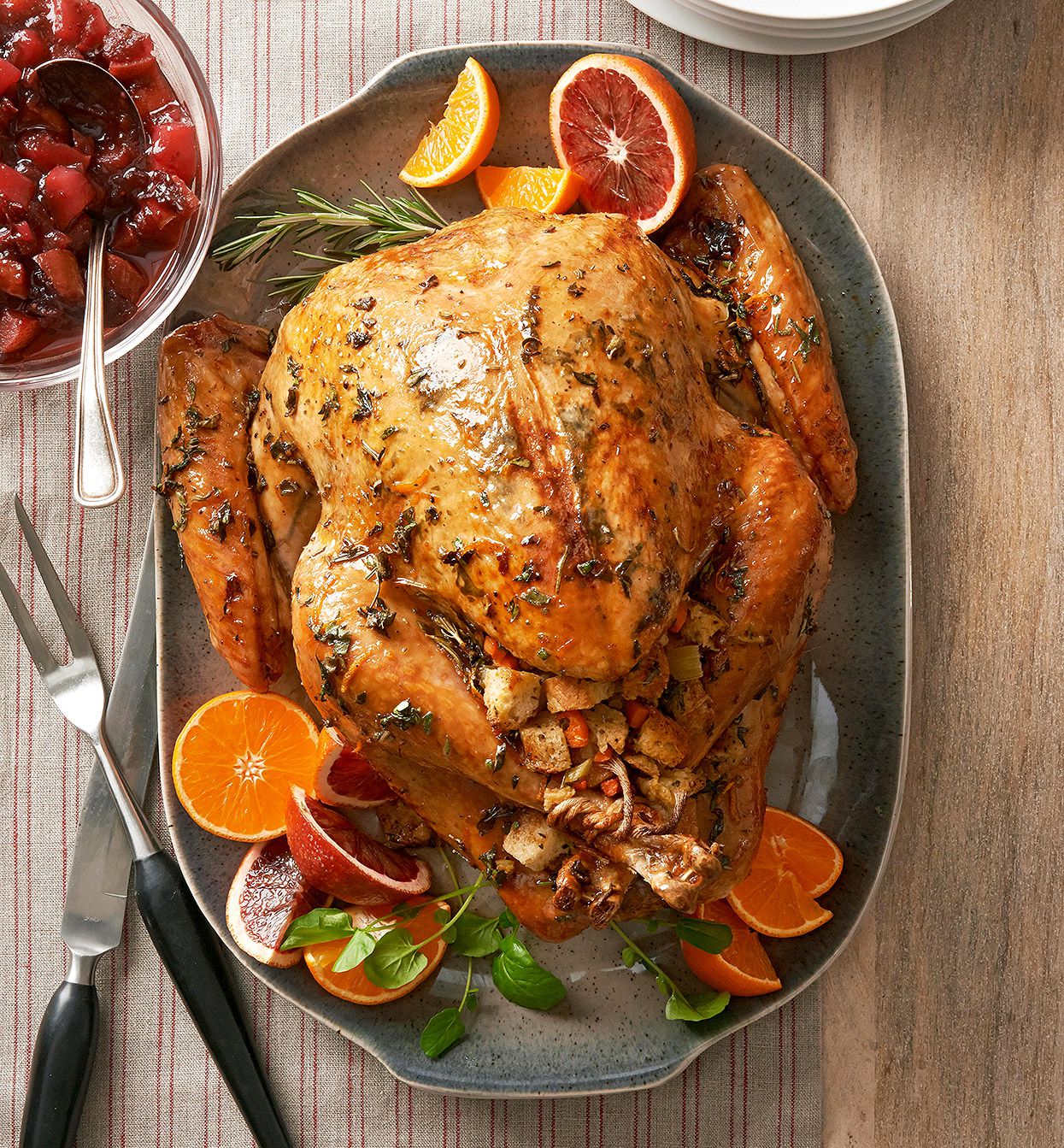
Cooking a stuffed turkey is one of those kitchen moments that can make even a calm person suddenly start whispering motivational speeches to poultry. You want golden skin, juicy meat, flavorful stuffing, and absolutely zero drama at the dinner table. The good news? A safe and delicious stuffed turkey is completely possible when you understand two things: time gives you a plan, but temperature gives you the truth.
So, how long do you cook a stuffed turkey? In a 325°F oven, a stuffed turkey usually takes about 3 to 5 1/4 hours, depending on its weight. But the real finish line is not the timer. A stuffed turkey is done only when the thickest part of the breast, the innermost thigh, the innermost wing, and the center of the stuffing all reach 165°F on a food thermometer.
This guide breaks down stuffed turkey cooking times, safety rules, juicy-roasting tips, and real-life kitchen experience so your bird comes out safe, tender, and worthy of the good platter.
Quick Answer: Stuffed Turkey Cooking Time at 325°F
For best results, roast a stuffed turkey at 325°F. This temperature is hot enough to cook the turkey safely and evenly without blasting the breast meat into Thanksgiving-flavored cardboard.
| Turkey Weight | Approximate Stuffed Turkey Cooking Time at 325°F |
|---|---|
| 8 to 12 pounds | 3 to 3 1/2 hours |
| 12 to 14 pounds | 3 1/2 to 4 hours |
| 14 to 18 pounds | 4 to 4 1/4 hours |
| 18 to 20 pounds | 4 1/4 to 4 3/4 hours |
| 20 to 24 pounds | 4 3/4 to 5 1/4 hours |
These times are estimates for a fully thawed turkey. Your oven, roasting pan, turkey shape, stuffing density, and how often someone opens the oven door “just to check” can all change the final cook time. Start checking the temperature about 30 minutes before the low end of the time range.
Why Stuffed Turkey Takes Longer to Cook
A stuffed turkey cooks more slowly than an unstuffed turkey because the stuffing sits deep inside the cavity, farthest from the oven heat. The turkey meat may look beautifully browned before the stuffing is safe to eat. That is why the center of the stuffing must be checked separately.
Stuffing absorbs turkey juices while the bird roasts, which is exactly why people love it. Unfortunately, those juices can carry bacteria from raw poultry. If the stuffing does not reach 165°F, it may not be safe, even if the turkey itself looks done. In other words, stuffing is delicious, but it is also a tiny edible sponge with responsibilities.
The Most Important Rule: Use a Food Thermometer
If you remember only one rule, make it this: do not rely on color, pop-up timers, or vibes. A turkey can be brown on the outside and still undercooked near the bone or inside the stuffing.
Where to Check the Temperature
Insert a food thermometer into these spots:
- The thickest part of the breast
- The innermost part of the thigh
- The innermost part of the wing
- The very center of the stuffing
All of these areas should reach 165°F. When checking the stuffing, push the thermometer into the center of the cavity, not just the top layer. The outside portion of stuffing may be hot while the middle still needs more time.
How to Prepare a Stuffed Turkey Safely
Safe stuffed turkey starts before the bird goes into the oven. The goal is to keep everything cold before roasting, cook everything thoroughly, and avoid letting bacteria enjoy a holiday of their own.
1. Start with a Fully Thawed Turkey
A partially frozen turkey cooks unevenly. The outside may overcook while the inside lags behind. For refrigerator thawing, plan on about one day for every 4 to 5 pounds of turkey. Keep the turkey in its original wrapping and place it on a tray to catch drips.
2. Mix Stuffing Right Before Roasting
If you are making stuffing with moist ingredients such as broth, melted butter, eggs, sautéed vegetables, or sausage, keep wet and dry ingredients separate until the turkey is ready for the oven. Mix them right before stuffing the bird.
This helps reduce the time that moist stuffing spends sitting at unsafe temperatures. The stuffing should go into the turkey immediately before roasting, not the night before. A turkey stuffed the night before may sound like good planning, but food safety does not applaud that kind of ambition.
3. Stuff the Turkey Loosely
Do not pack stuffing into the bird like you are filling a suitcase five minutes before leaving for the airport. Stuff it loosely so heat can circulate. A good rule is about 3/4 cup of stuffing per pound of turkey.
Overstuffing slows cooking and can make it harder for the center to reach 165°F. If you have extra stuffing, bake it separately in a casserole dish. Bonus: the casserole version gets those crispy edges everyone secretly fights over.
4. Roast at 325°F or Higher
Set the oven to 325°F. Lower temperatures may keep the turkey and stuffing in the danger zone too long. Place the stuffed turkey breast-side up on a rack in a shallow roasting pan. A rack lifts the bird slightly so hot air can move around it more evenly.
How to Keep a Stuffed Turkey Juicy
Because stuffed turkey takes longer to cook, the main challenge is keeping the breast meat moist while waiting for the stuffing to become safe. Here is how to protect the turkey from drying out.
Dry the Skin Before Roasting
Pat the turkey dry with paper towels before seasoning. Dry skin browns better. Wet skin steams, and steamed turkey skin is not the festive crunch anyone came for.
Use Butter or Oil Under and Over the Skin
Rub softened butter or oil over the skin. For extra flavor, gently loosen the skin over the breast and spread seasoned butter underneath. Garlic, thyme, rosemary, sage, lemon zest, black pepper, and a little kosher salt are all classic choices.
Tent the Breast if It Browns Too Fast
If the breast is browning before the thigh and stuffing are ready, loosely tent the breast with aluminum foil. Do not wrap the whole bird tightly. You want to slow browning, not steam the turkey into submission.
Let the Turkey Rest
After the turkey reaches 165°F in all required places, remove it from the oven and let it rest for at least 20 minutes before carving. Resting allows juices to redistribute through the meat. If you slice immediately, those juices run onto the cutting board, which is tragic because cutting boards do not appreciate flavor.
What If the Turkey Is Done but the Stuffing Is Not?
This is common with stuffed turkeys. If the turkey meat has reached 165°F but the stuffing has not, keep cooking until the center of the stuffing reaches 165°F. To help protect the breast, tent it loosely with foil.
If the turkey is already very done and you are worried about drying it out, carefully spoon the stuffing into a greased baking dish and continue baking it until the center reaches 165°F. Do not serve undercooked stuffing, even if it smells amazing and your uncle is hovering nearby with a fork.
Should You Cook Stuffing Separately Instead?
For the safest and often juiciest result, many food safety experts recommend cooking stuffing separately in a casserole dish. Technically, when cooked outside the bird, it is called dressing, but most people will still call it stuffing because dinner guests are hungry, not grammar judges.
Cooking stuffing separately makes it easier to reach 165°F without overcooking the turkey. You can still get rich turkey flavor by adding roasted turkey drippings or good turkey stock to the dressing. This method gives you crisp edges, moist centers, and fewer thermometer gymnastics.
Common Stuffed Turkey Mistakes to Avoid
Washing the Turkey
Do not wash raw turkey in the sink. Splashing water can spread bacteria to countertops, utensils, and nearby foods. Cooking to the correct temperature is what makes turkey safe.
Cooking by Minutes Per Pound Alone
Time charts are helpful, but they are not the final authority. A 16-pound stuffed turkey might finish sooner or later depending on your oven, the exact bird, and how densely it is stuffed. Always verify with a thermometer.
Stuffing Too Early
Stuffing the turkey hours ahead of roasting gives bacteria more time to grow. Stuff immediately before the bird goes into the oven.
Skipping the Rest
Resting is not optional if you want juicy slices. Give the turkey at least 20 minutes. This also gives you time to finish gravy, warm rolls, and pretend the kitchen was organized the whole time.
Example Cooking Plan for a 14-Pound Stuffed Turkey
Let’s say you have a 14-pound stuffed turkey and dinner is at 5:00 p.m. At 325°F, it will likely take about 3 1/2 to 4 hours if it is near the 12-to-14-pound range, or about 4 hours if it is closer to the 14-to-18-pound range. Add resting time, and you should plan backward generously.
A practical schedule might look like this:
- 11:45 a.m. Remove turkey from refrigerator and prepare stuffing.
- 12:00 p.m. Stuff loosely and place turkey in the oven.
- 3:30 p.m. Begin checking temperature.
- 4:00 to 4:20 p.m. Remove from oven if turkey and stuffing reach 165°F.
- 4:20 to 4:45 p.m. Rest turkey and finish side dishes.
- 4:45 p.m. Carve and serve.
This schedule includes a cushion, which is important. A turkey that finishes early can rest longer, but a turkey that finishes late turns the whole kitchen into a suspense film.
How to Store Leftover Stuffed Turkey
After dinner, remove stuffing from the turkey cavity and store it separately. Refrigerate turkey and stuffing within two hours of cooking. Use shallow containers so leftovers cool quickly.
Leftover turkey and stuffing are best eaten within 3 to 4 days when stored in the refrigerator. Reheat leftovers to 165°F before serving. If you know you will not eat them in time, freeze them for later. Future you will be delighted to discover turkey sandwiches waiting in the freezer.
FAQ: Stuffed Turkey Cooking Time
How many minutes per pound do you cook a stuffed turkey?
A stuffed turkey roasted at 325°F often averages around 15 minutes per pound, but this is only an estimate. Always check the turkey and stuffing with a food thermometer.
Can I cook a stuffed turkey overnight at a low temperature?
No. Roasting a stuffed turkey overnight at a low temperature is not recommended because the turkey and stuffing may stay too long in unsafe temperature ranges. Use an oven temperature of at least 325°F.
Should stuffing be hot or cold when it goes into the turkey?
Prepare stuffing right before roasting. If you cook ingredients such as sausage, onions, celery, or mushrooms, cool them slightly but do not let mixed stuffing sit around. Stuff the bird immediately and place it in the oven right away.
Can I stuff a turkey the night before?
No. Stuffing a turkey the night before is not a safe practice. Keep stuffing ingredients separate, mix them shortly before roasting, stuff loosely, and cook immediately.
Is it better to cook turkey stuffed or unstuffed?
Unstuffed turkey is usually easier to cook evenly and keep juicy. Stuffed turkey can be delicious, but it requires extra care because the stuffing must reach 165°F.
Real Kitchen Experience: What Actually Helps a Stuffed Turkey Turn Out Juicy
After cooking stuffed turkey more than once, one thing becomes very clear: the bird does not care about your schedule. It cares about physics. The first time many home cooks roast a stuffed turkey, they trust the chart too much. The table says four hours, so they expect dinner at four hours exactly. Then the breast looks gorgeous, the thigh is close, and the stuffing is still hanging out at a temperature that says, “I need more time.” That is when the thermometer becomes the hero of the day.
The best experience-based advice is to build in extra time. A stuffed turkey that finishes early is easy to manage. Let it rest, tent it loosely, and keep it warm while you make gravy or finish mashed potatoes. A turkey that finishes late creates a much bigger problem because hungry guests start forming emotional attachments to the dinner rolls.
Another lesson: loosely packed stuffing makes a real difference. Dense stuffing can behave like a brick in the center of the turkey. It heats slowly and can force the turkey to stay in the oven longer than ideal. When the stuffing is spooned in gently, heat moves through it more easily. The texture also improves because it stays tender instead of turning heavy and compressed.
Seasoning under the skin is another small step with a big payoff. Butter or oil on top helps browning, but seasoning under the skin puts flavor closer to the meat. A simple mixture of softened butter, salt, pepper, chopped sage, thyme, rosemary, and lemon zest can make the breast taste rich instead of plain. This matters with stuffed turkey because the longer cooking time can make lean breast meat vulnerable to drying.
Foil is also useful, but only when used correctly. If the skin is browning too quickly, a loose foil tent over the breast can slow things down. However, wrapping the turkey too tightly traps steam and softens the skin. Think of foil as a sun hat, not a winter coat.
Resting the turkey is the final step that separates dry slices from juicy ones. It is tempting to carve as soon as the bird comes out because everyone wants the big reveal. Wait anyway. During resting, the juices settle back into the meat. This is also the perfect time to remove the stuffing, check that everything is safe, finish gravy, and warm serving dishes.
One personal rule that never fails: make a small pan of extra dressing outside the bird. Even if you love traditional stuffed turkey, a side dish of baked dressing gives you crispy edges and a backup plan. If the in-bird stuffing needs more time, guests can start with the casserole version. If everything finishes perfectly, congratulationsyou now have more stuffing, which has never been a real problem in the history of holiday cooking.
In the end, stuffed turkey is not difficult; it is just specific. Use the chart to plan, the thermometer to decide, and a little patience to keep the meat juicy. That combination delivers the holiday dream: safe stuffing, tender turkey, crisp skin, and a table full of people who are too busy eating to ask whether dinner was stressful.
Conclusion
Cooking a stuffed turkey safely and keeping it juicy comes down to smart timing, careful stuffing, and accurate temperature checks. Roast a fully thawed stuffed turkey at 325°F, use the weight chart as a planning guide, and confirm doneness with a food thermometer. The turkey and the center of the stuffing must reach 165°F before serving.
For the juiciest results, stuff loosely, season well, tent the breast if needed, and let the turkey rest before carving. And if you want the safest, easiest route, bake extra stuffing in a casserole dish. It may not be inside the bird, but it will still disappear from the table at impressive speed.