There are two kinds of people in this world: those who refrigerate soy sauce, and those who leave it proudly on the counter like a tiny salty monument. Both groups have strong opinions. Both groups have probably argued about it during dinner. And, surprisingly, both groups may be partly right.
So, can soy sauce go bad? Yes, but not in the dramatic “run for the hills” way milk can go bad. Soy sauce is a fermented, salty condiment, which makes it naturally resistant to spoilage. That is why restaurants can keep bottles on tables without causing mass panic. However, “hard to spoil” does not mean “immortal wizard sauce.” Over time, soy sauce can lose aroma, taste flat, darken, pick up off-flavors, or become contaminated if handled carelessly.
This guide explains how long soy sauce lasts, how to tell whether it is still safe, when to toss it, and how to store it properly so every splash still tastes rich, savory, and pleasantly umami instead of like regret in a bottle.
Does Soy Sauce Actually Go Bad?
Soy sauce can go bad, but it usually takes a long time under normal household conditions. Traditional soy sauce is made from soybeans, wheat, salt, water, and fermentation cultures. The high salt level and fermentation process make it a difficult place for most harmful microorganisms to grow. In plain kitchen English: soy sauce is not an easy target.
That said, there are two different issues people often mix together: food safety and food quality. Food safety asks, “Will this make me sick?” Food quality asks, “Will this still taste good on my fried rice, or will it ruin dinner and my mood?” Soy sauce often stays safe longer than it stays delicious.
An unopened bottle stored in a cool, dry pantry can keep its best quality for years. Once opened, soy sauce is exposed to air, light, heat, and the occasional person who touches the bottle tip to raw chicken marinade. That last one is not a storage method; it is a villain origin story. After opening, soy sauce usually remains usable for months, and often longer, but its flavor slowly changes.
How Long Does Soy Sauce Last?
The shelf life of soy sauce depends on the type of soy sauce, whether it is opened, how it is stored, and whether it has been contaminated. Regular commercial soy sauce is generally more stable than lower-sodium, preservative-free, artisan, or specialty varieties.
Unopened Soy Sauce
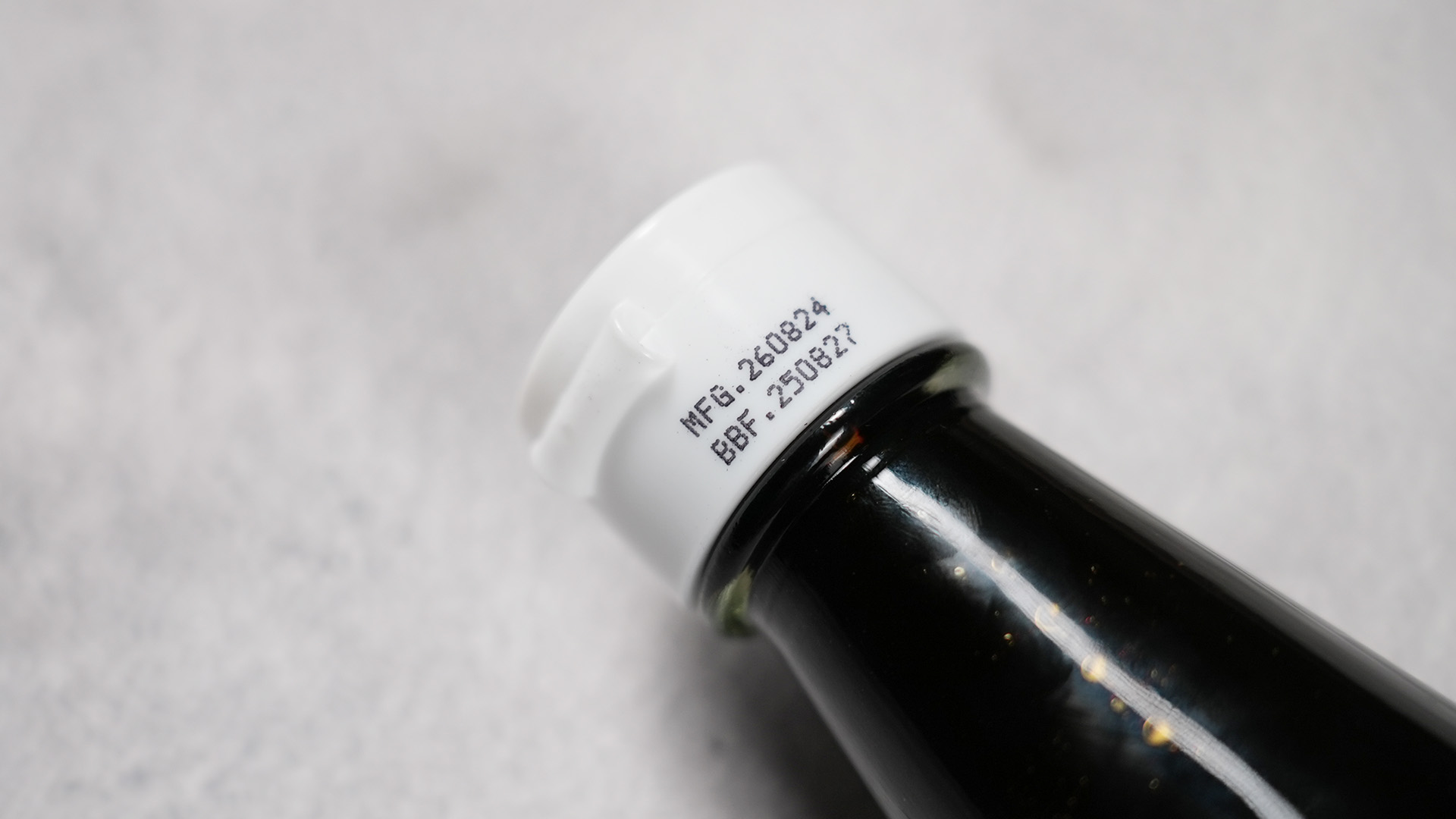
Unopened soy sauce can typically stay in the pantry for about two to three years at peak quality. Many bottles remain safe beyond the printed best-by date if the seal is intact and the bottle has been stored away from heat and sunlight. The date on the label is usually about quality, not a magic midnight curse.
Before using an old unopened bottle, check the cap, seal, and bottle. If the container is leaking, swollen, badly damaged, or crusted with mystery residue, do not try to be a food-storage hero. Toss it and buy a fresh bottle.
Opened Soy Sauce
Opened soy sauce can often keep well for around six months at room temperature if tightly closed and stored in a cool, dark cabinet. Refrigeration can help maintain flavor longer, especially if you use soy sauce slowly. Many brands recommend refrigerating after opening for best quality, not always because it becomes unsafe on the counter, but because flavor fades faster at room temperature.
If you cook with soy sauce every week, a small bottle in the pantry may be perfectly practical. If you bought a giant economy bottle because it was on sale and now use one teaspoon every lunar eclipse, the refrigerator is your friend.
Why Soy Sauce Lasts So Long
Soy sauce is basically built like a condiment fortress. Its main protective features are salt, fermentation, and low available water. Salt slows down microbial growth by making the environment less welcoming. Fermentation creates complex flavors and adds preservation benefits. The result is a sauce that does not spoil as easily as fresh salsa, opened broth, or creamy dressing.
But soy sauce still contains flavor compounds that react with oxygen and light. That is why an old bottle may become darker, less aromatic, or sharper over time. The sauce may not be dangerous, but it may no longer deliver the deep savory flavor that makes noodles, marinades, stir-fries, sushi, and soups taste complete.
Signs Soy Sauce Is Still Safe to Use
Good soy sauce should smell savory, salty, slightly fermented, and pleasantly rich. Depending on the type, it may have notes of roasted grain, caramel, mushroom, or mild sweetness. The texture should be thin and pourable, unless it is a thick specialty soy sauce designed to be syrupy.
Here are signs your soy sauce is probably still fine:
- The bottle was tightly sealed after opening.
- It smells salty, savory, and normal for soy sauce.
- There is no mold on the cap, inside the neck, or floating in the sauce.
- The texture is still smooth and pourable.
- The flavor is slightly weaker but not sour, rotten, or unpleasant.
- The bottle has been stored away from direct sunlight and high heat.
A little darkening is common and usually points to oxidation, not danger. Small salt crystals around the cap can also happen when liquid dries. Salt crystals are not mold. They look grainy, dry, and crystalline. Mold looks fuzzy, film-like, or irregular. If your bottle has developed a fuzzy hat, it has left the culinary profession.
Signs Soy Sauce Has Gone Bad
Soy sauce rarely spoils in a dramatic way, but it can become unsafe or unpleasant if contaminated or stored badly. Trust your senses. They are not perfect laboratory instruments, but they are pretty good at spotting “absolutely not.”
1. Mold or Floating Growth
Visible mold is the clearest sign to throw soy sauce away. Look around the cap, inside the bottle neck, and on the surface of the liquid. Mold may appear as fuzzy patches, strange floating spots, or a film. Do not scrape it off and keep using the sauce. Soy sauce is cheap compared with feeling terrible after dinner.
2. A Bad or Rotten Smell
Soy sauce should smell strong, but strong does not mean spoiled. It naturally smells salty and fermented. However, if it smells rotten, musty, sour in a harsh way, or oddly chemical, discard it. Your nose may not have a culinary degree, but it knows when something is plotting against you.
3. Strange Texture
Regular soy sauce should be liquid and easy to pour. If it becomes unusually thick, slimy, stringy, or clumpy and it is not a specialty thick soy sauce, do not use it. Texture changes can suggest contamination or severe quality breakdown.
4. Bad Taste
If the sauce passes the smell and appearance test but tastes flat, stale, bitter, or unpleasant, it may not be dangerous, but it is no longer doing its job. A condiment should help your food, not show up late, underperform, and ask for applause.
5. Contaminated Bottle Tip
If the bottle tip touched raw meat, seafood, dirty utensils, or a used marinade brush, play it safe. Cross-contamination is one of the main ways a stable condiment can become risky. Pour soy sauce into a spoon or bowl instead of touching the opening to food.
Does Soy Sauce Need to Be Refrigerated?
Soy sauce does not always need refrigeration for safety, but refrigeration is strongly recommended for best flavor after opening. This is the most practical answer: pantry storage is usually fine for frequent use, while refrigerator storage is better for slow use, premium bottles, low-sodium versions, gluten-free tamari, and naturally brewed sauces you want to keep tasting fresh.
Think of refrigeration like a flavor seatbelt. You may not crash without it, but why not protect the good stuff?
Store Soy Sauce in the Pantry If…
- You use it quickly, usually within a few months.
- Your kitchen stays cool and dry.
- The bottle is small and tightly capped.
- It is a standard commercial soy sauce.
Store Soy Sauce in the Refrigerator If…
- You use it only once in a while.
- You bought a large bottle.
- Your kitchen gets warm or sunny.
- It is low-sodium soy sauce, tamari, shoyu, organic, or preservative-free.
- You care about keeping the aroma and flavor as close to fresh as possible.
Best Way to Store Soy Sauce
Proper storage is simple, which is wonderful because nobody wants a 14-step skincare routine for a condiment.
Keep It Tightly Closed
Air is one of the main enemies of flavor. After each use, close the cap firmly. If the bottle has an inner plastic cap or pour spout, keep it clean and in place. A loose cap allows oxygen in and aroma out, which is exactly the opposite of what you want.
Protect It From Heat
Do not store soy sauce next to the stove, oven, dishwasher, or a window that gets direct sun. Heat speeds up flavor loss and may cause the sauce to darken faster. A cabinet away from appliances is much better.
Use Clean Utensils
Never dip used chopsticks, raw-food brushes, or messy spoons into the bottle. Pour what you need into a small bowl. This keeps bacteria, crumbs, oils, and other food particles out of the sauce.
Choose the Right Bottle Size
If you cook Asian-inspired meals often, a larger bottle can make sense. If you use soy sauce mostly when a recipe politely demands “one tablespoon,” buy a smaller bottle. Smaller bottles are easier to finish while the flavor is still lively.
What About Low-Sodium Soy Sauce?
Low-sodium soy sauce deserves extra attention. Because salt helps preserve soy sauce, lower-sodium versions may not keep peak quality as long as regular soy sauce. This does not mean low-sodium soy sauce instantly spoils, but it does mean refrigeration after opening is a smarter habit.
For the best taste, keep low-sodium soy sauce in the refrigerator, close it tightly, and use it within the window suggested on the label. If the flavor becomes dull or oddly sour, replace it.
What About Tamari, Shoyu, and Specialty Soy Sauces?
Tamari, shoyu, dark soy sauce, light soy sauce, double-fermented soy sauce, white soy sauce, mushroom soy sauce, and barrel-aged sauces can all vary in salt level, brewing method, ingredients, and quality. The safest rule is to read the label and follow the manufacturer’s instructions.
Tamari is often gluten-free and may have a rich, rounded taste. Shoyu usually includes wheat and has a balanced salty-sweet aroma. Dark soy sauce may contain added sugar or caramel color and is used more for color and body than pure saltiness. Premium naturally brewed sauces often have more delicate flavor compounds, so refrigeration helps protect the taste.
Is Expired Soy Sauce Safe?
The best-by date on soy sauce is usually a quality date. It tells you when the manufacturer expects the sauce to taste its best. It does not always mean the sauce becomes unsafe the next day. Food labels are not tiny fortune tellers.
If an unopened bottle is past its best-by date but was stored correctly and shows no signs of damage, it may still be usable. Open it, smell it, inspect it, and taste a tiny amount if everything looks normal. If it smells good and tastes good, it can usually be used. If it tastes weak, save it for cooking rather than dipping. Heat and other ingredients can hide mild flavor fading.
However, if the bottle is very old, has been stored in heat, or looks suspicious, replacing it is the better choice. A fresh bottle is inexpensive and can dramatically improve the taste of simple dishes.
Can Old Soy Sauce Make You Sick?
Old soy sauce is unlikely to make you sick if it has been stored properly and has not been contaminated. The bigger issue is usually poor flavor. But contaminated soy sauce is different. If raw meat juices, dirty utensils, mold, or food debris enter the bottle, the risk changes.
Also, people with health conditions requiring lower sodium intake should remember that soy sauce is very salty. Food safety and nutrition are separate issues. A sauce can be safe and still contain a lot of sodium. If you need to limit sodium, use low-sodium soy sauce carefully, measure it, and balance it with vinegar, citrus, herbs, garlic, ginger, or chili for flavor.
Quick Soy Sauce Safety Test
Before using a questionable bottle, follow this easy checklist:
- Look: Check the cap, neck, and surface for mold or unusual film.
- Smell: It should smell savory and salty, not rotten, musty, or chemical.
- Pour: The texture should be smooth and normal for the type.
- Taste: If everything else is fine, taste a tiny drop. If it tastes bad, discard it.
- Remember storage: If it sat open, uncapped, hot, or contaminated, do not gamble.
Common Mistakes That Shorten Soy Sauce Shelf Life
The first mistake is storing soy sauce near heat. That cozy spot beside the stove may be convenient, but it is terrible for flavor. Heat makes the sauce age faster. The second mistake is leaving the cap loose. Soy sauce is not a scented candle. You do not need it perfuming the cabinet.
The third mistake is buying too much. Warehouse-size bottles look economical, but if you use soy sauce twice a year, you are not saving money; you are adopting a salty roommate. Buy the size that matches your cooking habits.
The fourth mistake is treating all soy sauces the same. A cheap all-purpose bottle used for stir-fry can tolerate pantry storage better than a delicate, expensive, naturally brewed dipping sauce. Use the pantry for everyday workhorse bottles and the fridge for special bottles you actually want to taste special.
Best Uses for Older Soy Sauce
If your soy sauce is safe but no longer peak-flavor, do not automatically throw it away. Use it in cooked dishes where it plays a supporting role. Add it to marinades, braises, soups, fried rice, stir-fries, roasted vegetables, or sauces with garlic and ginger. Cooking can make slightly faded soy sauce useful again.
For dipping sushi, seasoning cold noodles, finishing tofu, or making a simple soy-vinegar sauce, use fresher soy sauce. When soy sauce is the star, freshness matters more. When it is one instrument in the orchestra, an older bottle can still play the triangle.
of Real-Life Experience: What Soy Sauce Teaches You in the Kitchen
Most people do not think seriously about soy sauce until they find a forgotten bottle hiding behind the mustard, next to a jar of capers from a recipe they made once in 2019. The label is dusty. The cap is crusty. The best-by date looks like a historical document. Suddenly, dinner depends on a tiny brown bottle and your ability to make responsible adult decisions.
In everyday cooking, soy sauce is one of those ingredients that quietly saves meals. A splash can wake up bland rice, deepen soup, rescue stir-fried vegetables, and make marinades taste like you planned ahead, even when you absolutely did not. Because it is so useful, many home cooks assume it lasts forever. That assumption is close enough to be convenient, but not close enough to be perfect.
The biggest lesson is that soy sauce changes gradually. It does not usually announce spoilage with fireworks. Instead, it becomes dull. Fresh soy sauce has aroma. You can smell roasted grain, salt, fermentation, and umami. Old soy sauce may still be salty, but the top notes disappear. It becomes less like a full band and more like one tired drummer tapping on a lunch tray.
That difference matters most when soy sauce is used raw. For example, if you are making a dipping sauce with soy sauce, rice vinegar, sesame oil, and scallions, an old flat bottle can make the whole thing taste tired. But in a beef marinade with garlic, ginger, brown sugar, and heat, slightly older soy sauce can still perform well. The trick is matching the bottle to the job.
Another practical experience: the refrigerator is best for people who forget things. If you are an occasional soy sauce user, refrigeration buys you time and protects flavor. Yes, cold soy sauce pours a little slower. That is not a tragedy. It is a minor inconvenience, like untangling earbuds or discovering your phone is at 3 percent.
For busy kitchens, a two-bottle system works beautifully. Keep a small everyday bottle in the pantry if you use soy sauce often, and keep a better-quality bottle in the refrigerator for dipping, finishing, and recipes where the taste is obvious. This sounds fancy, but it is really just common sense wearing a tiny chef hat.
Finally, clean habits matter. Pour soy sauce into a spoon, measuring cup, or small bowl. Do not touch the bottle opening to raw meat, used utensils, or cutting boards. Soy sauce itself is resilient, but it is not a superhero. Give it a clean cap, a cool home, and a reasonable timeline, and it will reward you with better flavor and fewer “is this still okay?” moments.
Final Verdict: Can Soy Sauce Go Bad?
Yes, soy sauce can go bad, especially if contaminated or stored poorly. But under normal conditions, it is one of the more durable condiments in your kitchen. The bigger concern is usually flavor loss rather than sudden danger.
For the best results, store unopened soy sauce in a cool, dark pantry. After opening, keep it tightly sealed. Refrigerate it if you use it slowly, if your kitchen is warm, or if the sauce is low-sodium, tamari, shoyu, premium, organic, or preservative-free. Toss it if you see mold, smell something unpleasant, notice strange texture, or know the bottle was contaminated.
Soy sauce may be humble, but it deserves decent storage. Treat it well, and it will keep adding deep, savory magic to your meals without turning your refrigerator door into a condiment courtroom.