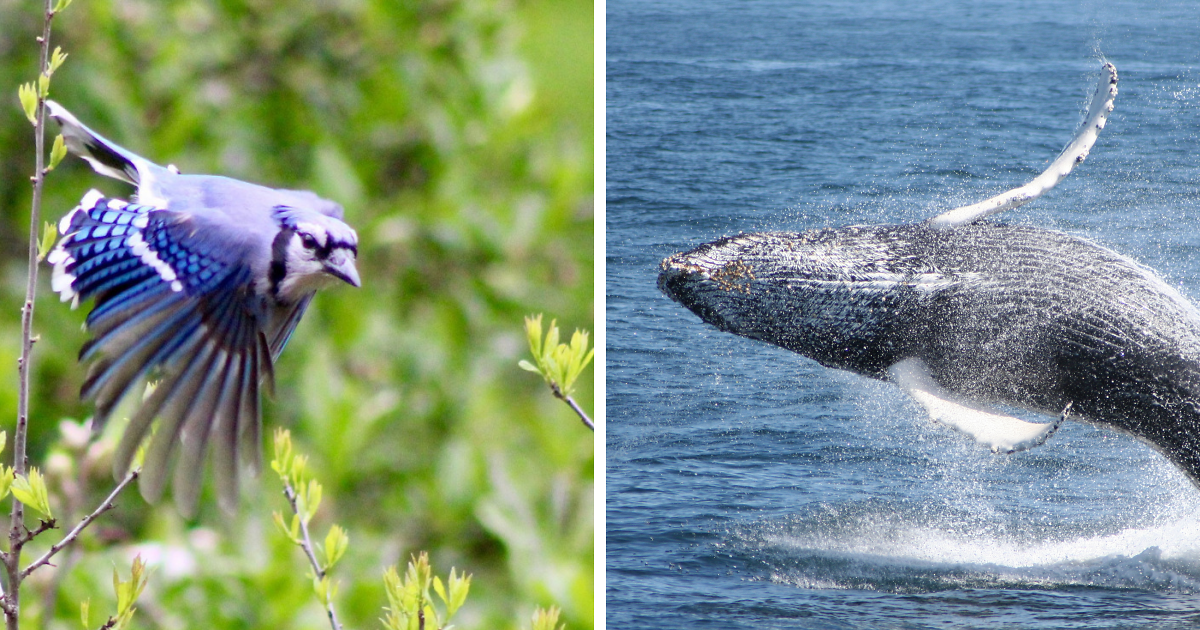
Some people collect stamps. Some collect sneakers. And some of us collect 2,847 photos of the same sunset because “this one has slightly more orange.” Welcome, Pandas, to the joyful little universe of nature photography, where a leaf can become a masterpiece, a squirrel can become a celebrity, and one perfectly timed beam of sunlight can make you feel like the main character in a very peaceful movie.
The phrase “Hey Pandas, post your best nature photograph you’ve taken” feels simple, but it opens the door to something wonderfully human. Nature photos are not just pretty pictures. They are tiny time capsules. They remind us where we stood, what the air smelled like, how quiet the trail was, how loud the ocean sounded, or how dramatically a duck judged us from across the pond.
Whether your best nature photograph is a mountain wrapped in fog, a bee face-first in a flower, a glowing sunrise, a dramatic thundercloud, or your dog photobombing a waterfall, it deserves a spotlight. This guide explores what makes a nature photo memorable, how to take better outdoor photographs, why ethical photography matters, and how to share your favorite shot in a way that tells a storynot just “look, tree,” but “look, this moment made me stop breathing for two seconds.”
What Makes a Nature Photograph Truly Great?
A great nature photograph does not need a $5,000 camera, a drone, or a backpack full of lenses heavy enough to qualify as strength training. The best nature photograph is often the one that makes people feel something. It may be technically perfect, or it may be slightly blurry but emotionally undefeated.
Nature photography works because it combines observation, patience, timing, and curiosity. The camera matters, of course, but your eye matters more. A skilled photographer notices how light falls across moss, how storm clouds stack like gray pancakes, or how a bird pauses for half a second before taking flight. That pause is where the magic lives.
Light Is the Secret Ingredient
Ask almost any outdoor photographer about the best time to shoot, and you will hear about golden hourthe soft, warm light shortly after sunrise or before sunset. During this time, shadows stretch gently, colors glow, and even a parking lot shrub can look like it has a modeling contract.
Midday sunlight, on the other hand, can be harsh. It creates strong contrast, deep shadows, and washed-out colors. That does not mean you should hide indoors until dinner. It simply means you may want to look for shade, reflections, clouds, forest cover, or close-up textures when the sun is high.
Composition Gives the Eye a Path
Composition is how you arrange the world inside your frame. A winding trail, river, fence line, tree branch, or shoreline can act as a visual guide. These “leading lines” pull the viewer into the photo. Patterns also work beautifully in nature: ripples in sand, rows of pine trunks, snow on branches, or repeating petals in a flower.
One easy trick is to avoid placing the main subject dead center every time. Try using the rule of thirds: imagine your image divided into nine equal rectangles, then place your subject near one of the intersecting lines. It is not a law. The photography police will not arrive on horseback. But it often creates a more balanced, dynamic image.
Types of Nature Photos Worth Sharing
When someone says “nature photograph,” many people immediately imagine a dramatic national park landscape with mountains, mist, and possibly one eagle hired by the tourism board. But nature photography is much broader than that. You can find powerful images in your backyard, on a sidewalk after rain, at a local lake, or in the sky above your apartment building.
Landscape Photography
Landscape photography captures wide outdoor scenes such as mountains, forests, deserts, beaches, rivers, fields, and canyons. The best landscape photos usually have depth. A foreground element, such as rocks, wildflowers, grass, or a path, can make the image feel more immersive.
For example, instead of photographing only a distant mountain, include a patch of colorful flowers in the foreground. Suddenly, the viewer is not just looking at the mountain; they feel like they are standing there with you, possibly wondering whether they packed enough snacks.
Wildlife Photography
Wildlife photography is exciting because animals are famously bad at taking direction. You cannot ask a fox to tilt its chin, a deer to hold still, or a raccoon to stop looking like it just committed tax fraud. That unpredictability is the charm.
The key is patience and respect. Wildlife photos are best when the animal is behaving naturally. A bird landing on a branch, a turtle sunning on a log, or a rabbit listening in tall grass can be more meaningful than a forced close-up. The goal is not to dominate the scene; it is to witness it.
Macro and Close-Up Nature Photography
Macro photography reveals the tiny dramas we usually walk past. Dew on a spiderweb, the veins of a leaf, mushroom gills, butterfly wings, bark textures, or a beetle doing beetle business can become fascinating subjects.
You do not always need a dedicated macro lens. Many smartphones can capture impressive close-ups if you give them enough light and keep your hand steady. Move slowly, tap to focus, and try different angles. A low angle can turn a humble mushroom into a forest skyscraper.
Weather, Sky, and Seasonal Photos
Nature loves costume changes. Snow softens a landscape. Autumn turns trees into confetti machines. Spring brings small green miracles. Summer storms build dramatic skies that look like they were painted by someone with flair and mild anger.
Weather photography can be especially powerful because it captures atmosphere. Fog adds mystery. Rain adds shine and reflection. Snow adds quiet. Clouds add drama. Just remember: no photo is worth standing somewhere unsafe. Lightning does not care about your Instagram grid.
How to Take a Better Nature Photograph
You do not need to become a professional photographer to improve your nature photos. A few simple habits can transform ordinary snapshots into images that feel intentional, vivid, and worth sharing.
Slow Down Before You Shoot
The best nature photographers are often excellent noticers. Before lifting your camera, pause. Look at the direction of light. Notice what is distracting in the background. Watch for movement. Listen. Nature has a rhythm, and if you rush, you may photograph the least interesting second of it.
Instead of taking one quick photo and leaving, stay for a few minutes. Move a few steps left or right. Crouch. Stand taller. Turn around. Sometimes the best photo is behind you, quietly waiting while you are busy arguing with a mountain.
Get Low, Then Get Lower
Changing your perspective can instantly improve a photo. Many beginners shoot everything from eye level. That is understandable; our eyes are conveniently attached to our heads. But nature often looks more interesting from unusual angles.
Photograph flowers from the side instead of above. Capture a stream from rock level. Shoot through grass for a soft foreground blur. Get low enough and even a tiny wildflower can look heroic, like it is about to deliver an inspiring speech to the meadow.
Use Foreground, Middle Ground, and Background
Depth makes outdoor photos more engaging. Try to include three visual layers: something close, something in the middle, and something far away. For instance, a photo might include rocks in the foreground, a lake in the middle, and mountains in the background.
This layering gives the viewer’s eye a journey. Instead of a flat postcard, the image becomes a place. The viewer can wander through it visually, which is exactly what makes a nature photograph memorable.
Watch the Background
A beautiful bird can lose impact if there is a trash can, bright sign, or random elbow behind it. Before you press the shutter, scan the background. Is anything distracting? Can you shift your position slightly? Can you wait for the subject to move?
Clean backgrounds help the subject stand out. This is especially important in wildlife photography, bird photography, and macro photography, where the subject may already be small or visually busy.
Ethical Nature Photography: Get the Shot Without Being “That Person”
Nature photography should celebrate the natural world, not stress it out. The best image is never worth damaging a habitat, disturbing wildlife, trampling plants, blocking trails, or making everyone nearby silently wish you had stayed home.
Ethical photography starts with respect. Stay on marked trails when required. Keep a safe distance from animals. Never feed wildlife for a photo. Avoid approaching nests. Do not move, poke, chase, shout at, or bait animals. If an animal changes its behavior because of you, you are probably too close.
Respect Wildlife Distance
Wild animals may look calm, but that does not mean they are comfortable. Long lenses, binoculars, and spotting scopes help photographers observe animals without invading their space. If you only have a phone, accept that your wildlife photo may be more “tiny dot with personality” than magazine cover. That is okay. The animal’s safety matters more than your zoom envy.
Photographing from a respectful distance often produces more natural images anyway. Animals behave better when they are not worried about a human creeping toward them like a suspicious bush in hiking boots.
Be Careful With Location Sharing
Sharing the exact location of fragile habitats, rare wildflowers, nesting birds, or sensitive wildlife can unintentionally invite crowds. A beautiful photo can inspire people, but it can also create pressure on delicate places. Consider using general location descriptions instead of precise coordinates when the subject or habitat could be harmed.
Leave the Scene Better Than You Found It
Nature photography pairs beautifully with outdoor responsibility. Pack out trash. Stay off fragile vegetation. Respect other visitors. Step aside if you are blocking a trail. Avoid climbing barriers for a “better angle.” Barriers are not decorative suggestions; they are usually there because gravity, erosion, wildlife, or common sense had a meeting.
How to Choose Your Best Nature Photograph
If you are going to post your best nature photograph, how do you choose? Start by looking beyond technical perfection. Sharp focus and good exposure are helpful, but emotion matters too. Ask yourself which photo makes you remember the moment most clearly.
Maybe it is the sunrise you caught after waking up at an hour normally reserved for bakers and airport employees. Maybe it is the butterfly that landed near you after a stressful week. Maybe it is a blurry photo of rain in the forest that somehow feels exactly like peace.
Pick the Photo With a Story
Great nature photos often come with a story. You waited in silence. You got muddy. You almost gave up. The light changed. The bird returned. The clouds parted. Your phone battery hit 2 percent, and somehow the universe allowed one final shot.
When posting your photo, include that story. A short caption can turn a pretty image into a personal moment. Instead of writing, “Sunset,” try: “I took this after a long hike, right when the wind stopped and the lake turned gold.” Now the viewer has a reason to care.
Choose Authentic Over Over-Edited
Editing is part of photography, but nature photos usually shine when edits support the scene rather than overpower it. Adjusting exposure, contrast, white balance, cropping, and sharpness can help bring out what you saw. But if the sky becomes neon purple and the deer looks like it lives inside a video game, viewers may start asking questions.
Authenticity matters, especially in wildlife and landscape photography. Let nature be impressive. It has been practicing for several billion years.
Caption Ideas for Sharing Your Best Nature Photograph
A strong caption can make your nature photograph more engaging for readers. It does not need to be long. It just needs to add context, feeling, or a little personality.
Simple Caption Examples
“Caught this sunrise before the coffee kicked in.”
“A tiny mushroom forest after last night’s rain.”
“This hawk sat still just long enough for one photo and one emotional crisis.”
“The kind of trail that makes your inbox feel very far away.”
“Not edited muchnature was showing off on its own.”
Story-Based Caption Examples
“I almost walked past this scene, but the light hit the leaves at the perfect angle. Five seconds later, it was gone.”
“I waited twenty minutes for this bird to turn its head. It finally did, and I have never felt more professionally ignored by a sparrow.”
“This was taken during a quiet morning walk after a week of rain. Everything smelled like pine, soil, and fresh beginnings.”
Why Nature Photography Matters
Nature photography is more than a hobby. It can deepen attention, encourage conservation, and remind people that beauty exists outside screens, schedules, and grocery store self-checkout machines that keep yelling, “unexpected item in bagging area.”
When people share nature photos, they also share appreciation. A photo of a local wetland may inspire someone to visit, learn, volunteer, or simply notice birds in their neighborhood. A close-up of a pollinator may remind viewers that tiny creatures support big ecosystems. A mountain image may encourage someone to protect public lands. Even a funny wildlife photo can create affection, and affection often leads to care.
At its best, nature photography creates connection. It connects the photographer to the moment, the viewer to the place, and the community to a shared sense of wonder. That is why a simple prompt like “post your best nature photograph” can become surprisingly meaningful.
Experiences: What Posting Your Best Nature Photograph Really Feels Like
There is a funny kind of vulnerability in sharing a nature photo. You are not just posting an image; you are saying, “This mattered to me.” Maybe you stood on a chilly overlook at sunrise while your fingers questioned your life choices. Maybe you crouched beside a flower bed for so long that a neighbor began to wonder if you had lost a contact lens. Maybe you waited for a bird to do something majestic, and it responded by turning around and showing you its least poetic angle.
One of the best parts of nature photography is that it trains you to notice small moments. At first, you may head outside looking for the big dramatic scene: the waterfall, the eagle, the sky exploding in sunset colors. But over time, you begin to notice quieter things. A curled leaf holding rainwater. Ants navigating a crack in the sidewalk. A cloud shadow moving across a field. A single shaft of light touching one branch while the rest of the forest stays dim.
Posting your best nature photograph can also start conversations. Someone might ask where you took it. Someone else might share a memory of a similar place. Another person might say, “I needed this today.” That is the underrated power of a good nature image. It gives people a little window. For a few seconds, they step out of their own day and into yours.
There is also the comedy of the photo you thought would be amazing but was absolutely not. Every nature photographer has a gallery full of almosts. Almost sharp. Almost straight. Almost a bird. Almost not your thumb. Wildlife photography is especially humbling. Birds leave. Deer blink. Squirrels become motion blur with a tail. Butterflies treat autofocus like a personal enemy. And yet, those failed shots make the successful ones feel earned.
My favorite nature-photo experiences are the ones where the best image was not the plan. Maybe you went out for a sunset and came back with a photo of reflected clouds in a puddle. Maybe you tried to photograph a grand landscape but ended up loving a close-up of grass glowing at the trail edge. Nature has a way of ignoring your checklist and offering something better, provided you are paying attention.
That is why the best advice for anyone responding to “Hey Pandas, post your best nature photograph you’ve taken” is simple: choose the image that still pulls you back into the moment. Do not worry if it is not perfect. Do not worry if it was taken on a phone. Do not worry if a professional would have adjusted the exposure, changed the lens, or used a tripod that costs more than your couch. If the photo makes you remember the wind, the light, the silence, the surprise, or the joy, it belongs in the conversation.
And if your best nature photograph happens to be a blurry squirrel, post it anyway. Somewhere out there, another Panda has a blurry raccoon, and together you may accidentally launch a movement.
Conclusion
“Hey Pandas, post your best nature photograph you’ve taken” is more than a friendly internet prompt. It is an invitation to celebrate attention, patience, humor, beauty, and respect for the natural world. A strong nature photograph does not have to be technically flawless. It should feel alive. It should tell a story. It should make someone pause long enough to notice the world beyond their notifications.
Whether you photograph mountains, birds, flowers, insects, oceans, forests, clouds, deserts, or the dramatic emotional life of neighborhood squirrels, the best image is the one that captures your connection to the moment. Take the photo, share the story, protect the place, and let nature do what it does best: make everyone look up for a second and say, “Wow.”