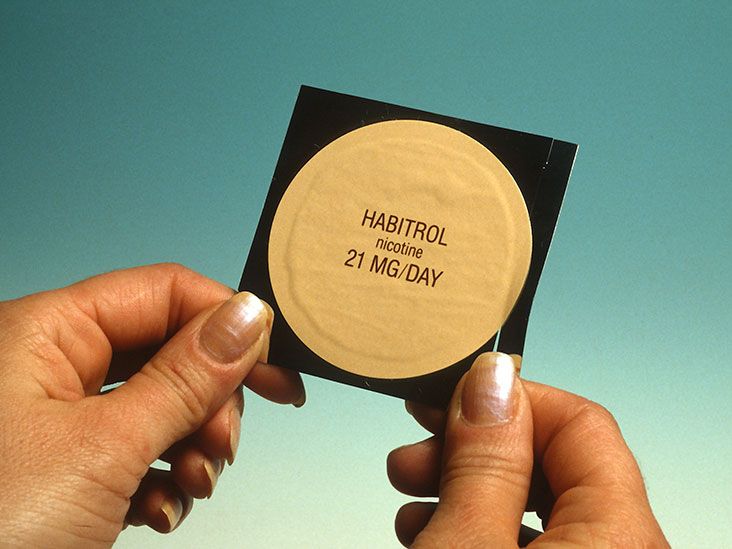
Yes, nicotine patches expire. That tiny date printed on the box is not decorative, not a manufacturer’s attempt at modern art, and definitely not a suggestion to be ignored like the “check engine” light your uncle has been negotiating with since 2017. Nicotine patches are medicated products, and their expiration date marks the period during which the manufacturer can guarantee the patch’s strength, quality, and performance when stored properly.
For adults trying to quit smoking, nicotine patches can be a helpful part of nicotine replacement therapy, often called NRT. They deliver a controlled amount of nicotine through the skin to help reduce cravings and withdrawal symptoms. But when a patch is past its expiration date, the big question becomes: will it still work, and is it safe?
The practical answer is simple: do not rely on expired nicotine patches. They may be weaker, less predictable, less sticky, or affected by storage conditions such as heat, moisture, or torn packaging. In a quit-smoking plan, “maybe it still works” is not exactly the motivational slogan anyone needs.
What Does the Expiration Date on Nicotine Patches Mean?
The expiration date on nicotine patches tells you how long the manufacturer expects the product to remain stable under recommended storage conditions. Stability means the patch should still contain the labeled nicotine strength, release nicotine as intended, and maintain its overall quality.
Nicotine patches are more complicated than they look. They are not just stickers with ambition. A patch usually includes a nicotine-containing layer, adhesive materials, protective backing, and packaging designed to keep the medication stable until use. If any part of that system breaks down, the patch may not perform correctly.
That matters because nicotine patches work through controlled delivery. The goal is not to dump nicotine into the body all at once, but to release it steadily over time. If the medication layer, adhesive, or packaging has degraded, the patch may deliver less nicotine than expected or fail to stay attached long enough to be useful.
Do Nicotine Patches Really Go Bad?
Nicotine patches can lose quality after their expiration date. The most likely issue is reduced effectiveness. In plain English: the patch may not give you the nicotine support you expect, which can make cravings louder than a smoke alarm with trust issues.
Nicotine is a chemical compound that can be affected by air, light, heat, and time. The patch’s sealed pouch helps protect it, but that protection is not magical or permanent. Once the printed date has passed, there is no guarantee that the patch still delivers the correct dose.
Expired patches may also have adhesive problems. A patch that peels off early is not doing its job. Even if the nicotine inside has not fully degraded, poor contact with the skin can reduce absorption. That means an old patch may look normal but behave like a lazy Post-it note.
Is It Safe to Use Expired Nicotine Patches?
The safest recommendation is not to use expired nicotine patches. Expired medicine may be less effective, and once the expiration date has passed, the manufacturer no longer guarantees safety or performance.
Using an expired nicotine patch is especially risky if you are counting on it to manage withdrawal symptoms during a quit attempt. If the patch is too weak, cravings may return harder, and that can increase the chance of smoking again. For many people, quitting already feels like wrestling an octopus while doing taxes. You do not need unreliable medication making the process messier.
It is also important to remember that nicotine itself is not harmless. Patches should be used only by people for whom nicotine replacement therapy is appropriate. Children, teens, pets, and people who do not use nicotine should never be exposed to nicotine patches. Even used patches can contain enough nicotine to cause poisoning if swallowed or handled improperly.
What Happens If You Accidentally Use an Expired Nicotine Patch?
If you accidentally used an expired nicotine patch once, do not panic. Remove it if you notice irritation, dizziness, nausea, unusual heartbeat, weakness, or other concerning symptoms. If symptoms feel serious, contact a medical professional or Poison Control right away.
The bigger issue is not usually one accidental use; it is relying on expired patches for an entire quit plan. If the patch does not provide the expected nicotine support, you may experience stronger cravings, irritability, headaches, trouble concentrating, or other withdrawal symptoms. Those symptoms can make quitting feel much harder than it needs to be.
If you discover your patches are expired, replace them with in-date medication and ask a pharmacist or healthcare professional if you are unsure what to do next. A quick check with a pharmacist is much better than guessing while standing in your bathroom holding a patch from the ancient civilization of “back of the cabinet.”
How Long Do Nicotine Patches Usually Last Before Expiring?
The shelf life depends on the product, manufacturer, packaging, and storage conditions. Many nicotine patches are labeled with an expiration date printed on the box or individual pouch. Some may have a shelf life of around one to two years from manufacture, but you should always follow the specific date on your package rather than relying on a general estimate.
Do not assume a newly purchased box has years left. Products can sit in warehouses, stores, medicine cabinets, backpacks, glove compartments, and other places where time quietly does its thing. Before buying or using nicotine patches, check the printed date. If the date is close, make sure you can use the product before it expires.
Where Is the Expiration Date Printed?
The expiration date may appear on the outer carton, the individual sealed pouch, or both. Look for labels such as “EXP,” “use by,” or “expiration.” The date may be printed in month-year or month-day-year format.
If a package says “EXP 08/2026,” it commonly means the product should be used before the end of August 2026 unless the label states otherwise. When in doubt, ask a pharmacist. Pharmacists spend their careers decoding tiny label mysteries, and they are usually much better at it than the average human squinting under kitchen lighting.
Why Storage Conditions Matter
Nicotine patches should generally be stored at room temperature, away from excess heat, moisture, and direct light. They should remain sealed in their original pouch until use. Bathrooms are a poor storage spot because humidity can affect medications. Cars are also a bad idea because temperatures can swing from “mildly warm” to “pizza oven with cup holders.”
Heat can damage the patch, moisture can affect the adhesive, and torn packaging can expose the patch to air. If a patch pouch is open, torn, wet, or damaged, do not use it. The pouch is part of the product’s protection system.
Better Places to Store Nicotine Patches
A cool, dry cabinet is usually a better choice than a bathroom drawer, windowsill, car console, or gym bag. Keep patches out of reach and sight of children and pets. A high cabinet with a secure closure is much safer than a bedside table, purse, or backpack.
Nicotine products can be dangerous if swallowed or chewed. This matters even after a patch has been used because used patches may still contain nicotine. Treat them like medication, not like regular trash or stickers.
How to Dispose of Expired Nicotine Patches
Expired nicotine patches should be discarded safely. Many product labels recommend folding used patches with the sticky sides together, placing them back into the original pouch if available, and throwing them away in a way that keeps them away from children and pets.
For unused expired patches, check the package instructions or ask a pharmacist. Some communities offer drug take-back programs, which are often the safest option for unwanted medications. If a take-back option is not available, follow local guidance for safe disposal.
Do not leave expired patches loose in the trash. A curious child or pet does not know the difference between a nicotine patch and a weird little sticker. Unfortunately, the body knows the difference very quickly.
Can You Tell If a Nicotine Patch Is Expired Just by Looking?
Not reliably. An expired nicotine patch may look normal. The pouch may seem fine, the patch may still feel sticky, and the color may not change. But appearance does not prove that the medication is still stable or effective.
That said, visible changes are warning signs. Do not use a patch if it smells unusual, feels dried out, appears discolored, is leaking, has damaged packaging, or does not stick properly. But even if it passes the eye test, the printed expiration date still matters.
Why Expired Patches Can Undermine a Quit Plan
Quitting smoking is not just about willpower. It is also about managing nicotine withdrawal, habits, stress triggers, routines, and the powerful “just one cigarette” voice that tends to show up at the worst possible time.
Nicotine replacement therapy can help by reducing withdrawal symptoms so a person can focus on behavioral changes. But if a patch is expired and weak, it may not provide enough support. The person may think, “These patches do not work for me,” when the real problem is that the patches are past their prime.
That can be discouraging. A failed attempt caused by expired medication is like losing a race because someone secretly replaced your running shoes with flip-flops. It is not a fair test of the plan.
What Research Says About Nicotine Replacement Therapy
Research has consistently found that nicotine replacement therapy can improve quit rates compared with trying to quit without medication. Nicotine patches are one of several FDA-approved forms of NRT, along with gum, lozenges, nasal spray, and inhalers.
The patch is popular because it is steady and simple. Instead of responding to every craving with a separate product, the patch provides a background level of nicotine. Some adults use patches alone, while others may be advised by a healthcare professional to combine long-acting and short-acting NRT. The best approach depends on the person’s smoking history, health conditions, and treatment plan.
However, the research supporting nicotine patches applies to products used as directed and within their labeled quality period. Expired patches are not the same as properly stored, in-date patches. That is the key distinction.
Common Side Effects of Nicotine Patches
Nicotine patches can cause side effects, even when they are not expired. Common issues may include skin redness, itching, mild burning, headache, dizziness, nausea, sleep problems, or vivid dreams. Some people notice irritation where the patch sits on the skin.
More serious symptoms, such as chest pain, severe rash, trouble breathing, fainting, or an irregular heartbeat, need medical attention. People with certain medical conditions, people who are pregnant or breastfeeding, and those taking certain medications should speak with a healthcare professional before using nicotine replacement therapy.
Expired patches add uncertainty. If a patch is old, damaged, or improperly stored, it becomes harder to know how much nicotine it is delivering or how the adhesive and materials may behave on the skin.
Who Should Be Extra Careful?
Some people should be especially cautious with nicotine patches and should not make decisions based on guesswork. This includes people with heart rhythm problems, recent heart events, serious skin conditions, uncontrolled high blood pressure, pregnancy, breastfeeding, or a history of severe reactions to adhesives.
Nicotine patches are meant for people trying to quit smoking or stop using tobacco products. They are not for non-smokers, children, or casual experimentation. Nicotine is addictive, and using nicotine when the body does not need it is not a wellness hack. It is more like inviting a raccoon into your pantry and hoping it respects boundaries.
What to Do If Your Nicotine Patches Are Expired
If your nicotine patches are expired, do not use them as your quit-smoking safety net. Replace them with in-date patches or ask a pharmacist about appropriate options. If cost is a concern, look for public health quitlines, community programs, insurance coverage, or healthcare clinics that may help adults access evidence-based quit-smoking support.
Also check the rest of your quit supplies. Gum, lozenges, medications, and other products can expire too. A quit plan works best when the tools are current, stored properly, and matched to the person’s needs.
How to Check Your Nicotine Patch Supply Before Starting a Quit Attempt
Before beginning a quit attempt, take five minutes to inspect your supplies. Check the expiration date on the box and pouches. Make sure the pouches are sealed. Look for damage from heat, moisture, or crushing. Confirm that the product matches the plan recommended by your healthcare professional or the product label.
Those five minutes can prevent a lot of frustration later. Nobody wants to reach day three of quitting, already bargaining with the universe for emotional support, and then discover the patches expired during the previous presidential administration.
Expired Nicotine Patches vs. Properly Stored Patches
A properly stored, unexpired nicotine patch gives you a product that is expected to perform as labeled. An expired patch gives you uncertainty. The difference may sound small, but during smoking cessation, consistency matters.
Cravings can be unpredictable. Sleep can be weird. Moods can get spicy. When the body is adjusting to less nicotine from cigarettes, having a reliable patch matters. The more predictable your tools are, the easier it is to focus on habits, triggers, and healthier coping strategies.
Experience-Based Tips: What People Often Learn the Hard Way
Many adults do not think about expiration dates until they are standing in front of a medicine cabinet, holding a box of nicotine patches they bought during a previous quit attempt. The box looks fine. The patches are still sealed. The brain whispers, “How bad could it be?” That is usually the moment when a pharmacist would gently enter the scene and say, “Let’s not gamble with medication today.”
One common experience is discovering that old patches do not stick well. Someone may apply a patch in the morning, go about the day, and later find it curling at the edges like a tiny beige potato chip. When the patch is not firmly attached, nicotine delivery may be reduced. The person may blame themselves for feeling cravings, when the real issue is that the patch is not making good skin contact.
Another real-world problem is poor storage. People often keep nicotine patches in a bathroom because that is where “health stuff” lives. Unfortunately, bathrooms are humid, especially after hot showers. Others keep patches in a car, purse, garage, or backpack. Heat and moisture are not friendly to medications. A patch stored in a hot car through summer has had a rougher life than it deserves.
Some people also underestimate how important the sealed pouch is. They may find a loose patch outside its wrapper and wonder if it is still usable. The answer should be no. Once the protective pouch is open or damaged, the patch may have been exposed to air, moisture, or contaminants. A loose nicotine patch is not a backup plan; it is a tiny mystery square with medical consequences.
Another experience many quitters describe is emotional: they do not want to waste money. Nicotine patches can be expensive, and throwing away expired ones can feel frustrating. That reaction is understandable. But using an expired patch may waste something even more valuable: momentum. If an unreliable patch leads to stronger cravings and a return to smoking, the expired box was not a bargain. It was a trap wearing a clearance sticker.
A helpful habit is to write the purchase date on the box and store patches in one consistent place. Check dates before a quit attempt, not during a craving crisis. If patches are close to expiring, ask a pharmacist whether they will last through the intended plan. This small bit of organization can make quitting feel less chaotic.
It also helps to treat nicotine patches with the same respect as any medication. Keep them away from children and pets, dispose of used patches carefully, and avoid leaving them in bags or drawers where someone else might find them. Used patches can still contain nicotine, so they should never be treated like harmless tape.
The biggest lesson is this: quitting smoking is hard enough. Do not make it harder with expired, poorly stored, or questionable patches. A fresh, properly stored patch is not a magic wand, but it is a better tool than one that has been aging quietly behind the toothpaste since who-knows-when.
Final Answer: Do Nicotine Patches Expire?
Yes, nicotine patches expire, and you should not rely on them after the printed expiration date. The date indicates how long the manufacturer can guarantee the product’s strength, quality, and performance under proper storage conditions. After that, the patch may be less effective, may not stick properly, or may not deliver nicotine as expected.
If your nicotine patches are expired, replace them or ask a pharmacist for guidance. Store new patches at room temperature, away from heat and moisture, and keep them sealed until use. Dispose of expired and used patches safely, especially because nicotine can harm children and pets.
Note: This article is for general educational purposes only. Nicotine replacement therapy is intended for appropriate smoking-cessation use by adults and should be used according to the product label or advice from a qualified healthcare professional.