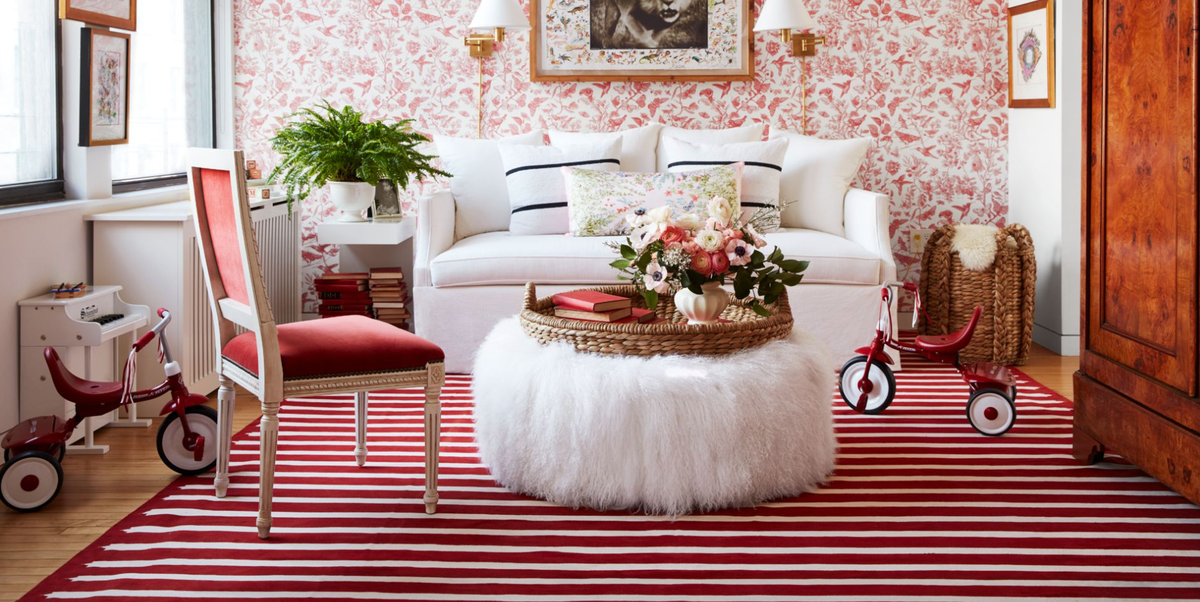
Choosing the right size rug for your living room sounds easy right up until you’re standing in the store thinking, “That 5×8 looks plenty big,” while your future self whispers, “No, my sweet summer child.” Rug sizing is one of the most important design decisions in a living room because it affects everything: balance, comfort, furniture placement, visual flow, and whether your space looks polished or like the rug wandered in by accident.
The good news is that you do not need an interior design degree, a laser-guided architect’s brain, or a dramatic montage set to jazz piano. You just need a tape measure, a clear look at your furniture layout, and a few smart rules. Once you understand how rug sizing works, shopping becomes much easier and your living room starts making better life choices.
Why Rug Size Matters More Than Most People Think
A living room rug is not just decoration. It acts like a visual anchor for the seating area, helping sofas, chairs, coffee tables, and side tables feel like they belong to one intentional arrangement. When a rug is too small, the furniture can look disconnected, crowded, or oddly floaty. When it is too large, it can swallow the room and make the whole space feel heavy.
In most cases, the biggest mistake is going too small. People often buy a rug based on what seems “safe” or what costs less, then end up with what designers lovingly call the postage-stamp effect. You know the one: a tiny rug in the middle, a coffee table sitting on it like a throne, and every other piece of furniture politely refusing to participate.
The right rug size makes the room feel larger, calmer, and more expensive-looking. That is a lot of responsibility for something people will also spill coffee on.
Start With Measurement, Not Guesswork
The smartest way to choose a living room rug is to measure your furniture layout first, not just the room itself. That is the key. Your rug should support the seating arrangement, not merely occupy some random patch of floor because it happened to be on sale.
Step 1: Measure the seating zone
Measure the full footprint of your main furniture grouping, including the sofa, chairs, and coffee table area. If your layout is centered around conversation, reading, or TV watching, that zone is what the rug should define.
Step 2: Leave some floor showing
A rug usually looks best when there is visible flooring around the perimeter rather than having the rug run wall to wall. As a practical guideline, aim to leave roughly 8 to 24 inches of bare floor around the rug, depending on the room size. In many living rooms, about 12 to 18 inches looks especially balanced.
Step 3: Use the painter’s tape trick
If rug sizes are hard to visualize, outline potential dimensions on the floor with painter’s tape. This is one of the easiest ways to see whether a 6×9 feels skimpy, an 8×10 feels right, or a 9×12 suddenly makes your living room exhale with relief.
Quick Living Room Rug Size Guide
Here is the practical, no-nonsense breakdown of common rug sizes and where they usually work best.
5×8 rug
This size works best in very small living rooms, compact apartments, or secondary seating areas. It is usually only appropriate when the rug sits beneath a coffee table and perhaps catches the front legs of a loveseat or a pair of small chairs. If you have a full-size sofa and multiple seats, a 5×8 often ends up looking undersized.
6×9 rug
A 6×9 is often the entry point for a small-to-medium living room. It can work well when the front legs of a sofa and chairs sit on the rug and the furniture grouping is fairly tight. This size can be a strong choice for apartments, modest family rooms, and smaller layouts where an 8×10 might feel too dominant.
8×10 rug
This is one of the most versatile living room rug sizes, and for good reason. An 8×10 usually works beautifully in medium-size living rooms and many standard homes. It can anchor a sofa and two chairs comfortably, especially when the front legs of all major seating pieces rest on the rug. If you are torn between two sizes, this is often the safe, stylish middle ground.
9×12 rug
This is the classic move for larger living rooms and the size many designers recommend when the room can handle it. A 9×12 creates a generous foundation for a full seating arrangement and is especially effective when you want the entire furniture group to feel grounded. If your living room has enough space, this size often looks intentional, polished, and a little bit magazine-worthy.
10×14 rug and larger
For spacious rooms, open-concept homes, or living areas with sectionals and multiple seating zones, larger rugs make a major difference. A big rug helps define the living space clearly and prevents furniture from feeling scattered. In larger rooms, a too-small rug becomes even more obvious, which is design’s version of showing up to a black-tie event in flip-flops.
The Three Main Rug Placement Rules
1. All legs on the rug
This is the most luxurious and cohesive look. All major furniture pieces sit completely on the rug. It works especially well in large living rooms, open-concept spaces, and layouts where the furniture floats away from the walls.
2. Front legs on the rug
This is the most common and often the most practical rule. The front legs of the sofa and chairs rest on the rug while the back legs stay on the floor. It creates a unified look without requiring an enormous rug, making it ideal for medium rooms and many standard layouts.
3. No legs on the rug
This can work in very small spaces, but it should be done carefully. Usually the coffee table sits on the rug and the surrounding furniture remains off it. The problem is that this layout often feels disconnected if the rug is too small. If you go this route, make sure it looks intentional rather than accidental.
How to Choose Based on Your Furniture Layout
Sofa and two chairs
For the classic conversation setup, an 8×10 is often the sweet spot. In smaller rooms, a 6×9 may still work if the front legs sit on the rug. In larger rooms, a 9×12 creates more breathing room and a stronger sense of cohesion.
Sectional sofa
Sectionals usually need more rug than people expect. If the sectional is small, an 8×10 may work. For larger sectionals, a 9×12 or 10×14 is often the better choice. The rug should extend far enough to anchor the full seating area rather than just hiding under the coffee table like it is shy.
Furniture against the walls
If your sofa sits against a wall, you do not need to waste rug space under every hidden back leg. A front-legs-on layout usually works well here, especially in smaller or narrower living rooms.
Open-concept living room
In open layouts, the rug helps define where the living room begins and ends. Go bigger than you think. A generous rug creates a visual “room within a room,” which is especially useful when your living area shares space with dining or kitchen zones.
Round rugs
Round rugs can work beautifully in living rooms, especially under round coffee tables or in smaller, more conversational spaces. To size one properly, measure from the center of the seating area to its outer edge, then double that number to estimate a suitable diameter.
How Far Should the Rug Extend?
As a general rule, the rug should extend beyond the sides of the sofa rather than matching it too closely. If the rug is narrower than the sofa, the whole arrangement can look awkward and pinched. A little extra rug showing on both sides helps the layout feel more balanced.
Similarly, avoid pushing the rug right up against the walls or baseboards unless you are intentionally going for a wall-to-wall effect. Most living rooms benefit from a border of visible floor, which keeps the room from feeling boxed in.
Material and Style Matter Too
Once the size is right, consider how your living room is actually used. Is it a polished adult sitting room where people sip sparkling water and discuss architecture? Or is it a real household where kids, pets, snack crumbs, and remote controls roam freely? Choose accordingly.
Best rug materials for busy living rooms
- Wool: Durable, classic, and great for high-traffic areas.
- Jute or natural fibers: Textural and stylish, though sometimes rougher underfoot.
- Low-pile synthetics: Practical, easier to clean, and often budget-friendly.
- Washable rugs: Especially helpful for homes with pets, kids, or a suspicious number of snack incidents.
Choose pile height with common sense
High-pile rugs feel soft and cozy, but they are not always the best choice in a heavily used living room. A lower-pile rug is often easier for coffee tables, safer for traffic flow, and less likely to become a storage unit for dust and cracker fragments.
Think about color and pattern strategically
In smaller living rooms, lighter rugs can help the space feel more open. Busy, dark patterns can feel dramatic and beautiful, but in tight spaces they may also make the room feel visually heavier. In family-friendly spaces, however, pattern can be your best ally for disguising wear, pet hair, and the occasional mystery spot you decide not to investigate until Saturday.
Common Rug Sizing Mistakes to Avoid
- Buying the smallest size to save money: This often costs you the look you wanted in the first place.
- Choosing by room size alone: Always account for furniture layout.
- Picking a rug narrower than the sofa: It usually looks off-balance.
- Ignoring walkways: Make sure people can move naturally around the space.
- Skipping the rug pad: A rug pad improves grip, comfort, and longevity.
- Not testing the size first: Painter’s tape is cheap; disappointment is more expensive.
A Simple Formula You Can Actually Use
If you want the fastest rule of thumb, here it is: measure your living room or seating zone, then subtract about 12 to 24 inches from the total dimensions to leave floor visible around the edges. After that, compare the result with standard rug sizes and choose the closest size up if you are between options.
For example, if your seating zone measures about 10 by 13 feet, an 8×10 may work, but a 9×12 will probably look more grounded and complete. If your room is small and your furniture is tight, a 6×9 may be enough. If your room is large, your sectional is generous, and your coffee table has its own gravitational field, start looking at 9×12 and above.
Conclusion
The right size rug for your living room is the one that supports the way your furniture is arranged, leaves a little floor visible around the edges, and makes the entire seating area feel deliberate. In most homes, that means resisting the temptation to go too small, testing sizes before you buy, and remembering that rugs are supposed to ground the room, not apologize for being there.
If you remember only three things, make them these: measure the seating area, place at least the front legs of major furniture on the rug, and when in doubt, size up. Your living room will look better, feel better, and stop acting like it borrowed its rug from the hallway.
Experience-Based Lessons: What Happens in Real Living Rooms
In real homes, rug shopping almost never begins with elegance. It begins with optimism. Someone says, “Let’s just get something simple,” and three hours later there are twelve tabs open, one tape measure missing, and a heated debate about whether 6×9 is “basically the same” as 8×10. It is not. That little difference can completely change how the room feels.
One of the most common experiences people have is buying a rug that looks perfect online, only to unroll it and discover that it covers the coffee table beautifully and absolutely nothing else. The sofa stares at it from a distance. The accent chairs keep their legs firmly planted on the hardwood like union workers refusing unpaid overtime. The room suddenly looks smaller, not because the room changed, but because the rug failed to connect the furniture into one visual story.
Another very real lesson comes from open-concept spaces. At first, a smaller rug can seem sensible because it feels less overwhelming in the product photo. But once it lands in a large living area, it often looks like a decorative island floating in a sea of flooring. Homeowners usually realize that a larger rug does not make the room feel crowded at all. It actually gives the space structure. The seating area feels intentional, conversation-friendly, and less like furniture was dropped from the ceiling and left wherever it landed.
Families with kids and pets tend to learn a different lesson: size is only half the battle. The rug also needs to fit real life. A plush ivory rug may look stunning for about eight minutes. Then come juice, muddy paws, marker caps without markers, and the eternal mystery of crumbs. Many people end up happiest with a rug that is slightly more forgiving in color and pattern, lower in pile, and durable enough to survive an enthusiastic Saturday.
Small apartment dwellers usually have the most dramatic before-and-after experience. In tight living rooms, people often assume a smaller rug will make the room feel bigger. Ironically, the opposite is usually true. When they switch from a tiny rug to one large enough to catch the front legs of the seating, the room instantly feels calmer and more grown-up. The furniture stops looking like it is trying to avoid commitment.
And then there is the painter’s tape crowd, who often become true believers after one try. Taping out a rug size on the floor can save people from expensive mistakes because it reveals scale in a way product listings never do. Many homeowners think an 8×10 sounds enormous until they tape it out and realize it is exactly what the room needed all along. Suddenly the larger option is not “too big.” It is just correct.
The biggest shared experience, though, is regret over buying too small. Almost no one says, “I wish I had gone with the tinier rug.” Far more often, people say they should have sized up from the beginning. It is one of those decorating truths that keeps showing up in house after house: a properly sized rug makes the room feel finished, while an undersized one makes the whole setup feel temporary. In other words, choose the rug that helps your living room look like it has its life together, even if the junk drawer absolutely does not.