In New York City, a loft is rarely just a place to sleep, eat, and argue with a stubborn window shade. It is a stage, a workshop, a storage puzzle, a gallery, a dinner party waiting to happen, and occasionally a very dramatic laundry-folding arena. That is what makes the idea of a “curiosity shop” multipurpose room so compelling: it celebrates the beautiful chaos of city living while giving that chaos a proper address.
A multipurpose room in a NYC loft must do more than look good on a sunny afternoon. It has to work hard on Tuesday morning, behave itself during a Zoom call, flatter vintage furniture, hide cables, welcome guests, store odd treasures, and still feel like a place where a human beingnot a design showroom mannequinactually lives. The best version feels collected, layered, flexible, and slightly mischievous, like a small museum where every object has a story and every corner earns its rent.
What Makes a NYC Loft the Perfect Home for a Curiosity Shop Room?
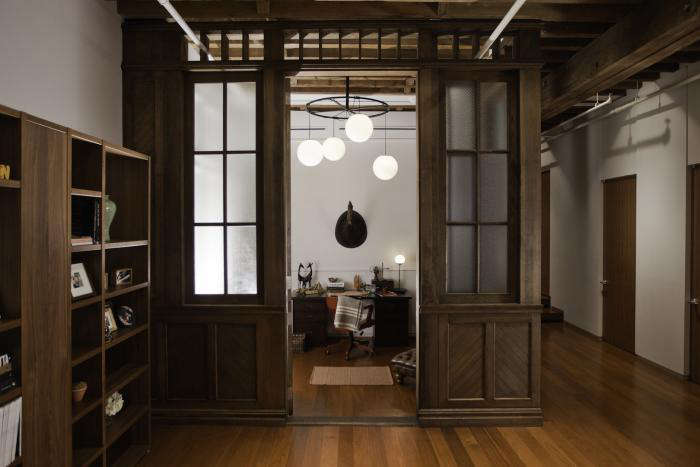
Many New York lofts began life as industrial or commercial spaces. Their bones often tell the story: high ceilings, open layouts, big windows, exposed brick, iron columns, wood beams, concrete floors, visible ducts, and long sightlines. These features make lofts feel generous, but they also create a challenge. Without traditional walls, every area has to announce its purpose through furniture, rugs, lighting, texture, and flow.
That is where the curiosity shop concept shines. Instead of forcing the room into one narrow categoryhome office, den, library, guest room, craft studioit allows several identities to coexist. A reading chair can sit beside a drafting table. A low cabinet can store board games, printer paper, candles, and the mysterious box of adapters everyone owns but nobody understands. A gallery wall can mix family photos, flea-market finds, framed maps, small paintings, and the kind of object that makes guests say, “Wait, where did you get that?”
The Core Idea: Organized Wonder
A curiosity shop room should never look like a junk drawer exploded with confidence. The goal is organized wonder. The room should invite discovery while still feeling calm enough to use every day. Think of it as a personal archive with manners. The design should say, “Yes, I collect interesting things,” not “I lost a legal battle with my possessions.”
Start with three questions: What must this room do daily? What should it do occasionally? What objects deserve to be seen? In a NYC loft, the answers might include working from home, reading, entertaining, hosting overnight guests, storing art supplies, displaying collections, practicing music, or creating a cozy escape from the open-plan living area. Once the functions are clear, the room can be divided into zones without building walls.
Smart Zoning Without Killing the Loft Feeling
The magic of loft living is openness, so the trick is to create boundaries that do not ruin the architecture. Rugs are the easiest first move. A large rug under the main seating area instantly says, “This is the lounge.” A smaller vintage rug beneath a desk says, “This is the work corner.” The floor becomes a map, and nobody had to call a contractor.
Open shelving can work as a soft divider, especially when it is styled with a mix of books, baskets, pottery, framed art, and negative space. The negative space matters. A shelf packed too tightly can make a multipurpose room feel visually noisy. Leave breathing room between objects so the eye can enjoy the collection instead of filing a complaint.
Curtains are another loft-friendly solution. A heavy linen or velvet curtain can hide a guest bed, conceal storage, or soften a work area at night. It adds acoustic comfort too, which matters in lofts where sound can bounce around like it has somewhere urgent to be.
Furniture That Works Overtime
In a multipurpose room, furniture should have at least one job and preferably a side hustle. A storage ottoman can serve as a footrest, coffee table, blanket bin, and emergency hiding place for clutter five minutes before guests arrive. A sleeper sofa or daybed can turn a reading nook into a guest room. A drop-leaf table can function as a writing desk, craft station, dining overflow, or puzzle headquarters.
Built-ins are especially powerful in a NYC loft. A wall of custom cabinetry can hide office equipment, seasonal decor, extra bedding, tools, and media gear while leaving selected shelves open for display. If custom millwork is not in the budget, modular shelving and closed cabinets can create a similar effect. The key is balance: closed storage for the messy necessities, open storage for personality.
Best Furniture Choices for a Curiosity Shop Loft Room
- A vintage cabinet: Great for hiding supplies while adding character.
- A secretary desk: Compact, elegant, and easy to close when work is done.
- A daybed: Perfect for reading, lounging, and hosting guests.
- Nesting tables: Flexible surfaces that appear only when needed.
- A rolling cart: Useful for art supplies, barware, books, or plants.
- A tall bookcase: Adds vertical storage and helps define a zone.
Lighting: The Secret Ingredient
Lighting can make or break a multipurpose room. One overhead fixture is not enough unless the goal is “interrogation room with exposed brick.” A curiosity shop loft room needs layers: ambient lighting for general glow, task lighting for reading or working, and accent lighting for art, shelves, and architectural details.
A floor lamp beside a lounge chair creates an inviting reading zone. A shaded table lamp on a cabinet adds warmth. Picture lights or small adjustable spotlights can highlight art and collections. If the room has exposed brick, grazing light across the surface can make the wall feel rich and textured at night. Mirrors placed opposite windows can bounce daylight deeper into the loft, while reflective surfaces add a little urban sparkle without trying too hard.
Color and Texture: Warm Up the Industrial Shell
NYC lofts often come with cool materials: steel, concrete, glass, brick, and exposed mechanical systems. A multipurpose room should soften those elements with touchable textures. Think wool rugs, linen curtains, leather chairs, velvet pillows, aged wood, woven baskets, ceramic lamps, and framed textiles.
The color palette can stay calm while still feeling interesting. Warm whites, mushroom gray, clay, tobacco leather, olive, ink blue, brass, walnut, and matte black all feel natural in a loft. For a curiosity shop mood, add deeper accent tones through art, books, lampshades, or a painted cabinet. The room should feel collected over time, not purchased in one heroic online shopping session at 1:00 a.m.
How to Display Collections Without Creating Clutter
A curiosity shop room lives or dies by editing. Collections are charming when they have rhythm and intention. They become clutter when everything is equally visible. Choose a few hero pieces: an antique globe, a sculptural lamp, a framed architectural drawing, a stack of art books, a handmade bowl, a vintage camera, or a quirky flea-market object with a good story.
Group smaller objects by theme, color, material, or shape. Three ceramic vessels together look intentional. One ceramic vessel, two batteries, a receipt, and a lonely button look like life happened too aggressively. Use trays to corral small items. Put delicate pieces behind glass. Rotate objects seasonally so the room stays alive without becoming overcrowded.
Making Room for Work, Rest, and Play
The modern multipurpose room often needs to support work. In a loft, the home office zone should be functional without dominating the room. A compact desk placed near natural light is ideal, but avoid facing directly into visual chaos. If the room is full of collections, position the desk so the background for video calls is attractive but not distracting. A wall of books and art? Excellent. A drying rack and a suspicious pile of mail? Less excellent.
For rest, include one truly comfortable seat. Not a decorative chair that looks like it was designed by someone who has never met a spine. Choose a chair deep enough for reading and relaxing. Add a side table, lamp, and throw blanket. This corner becomes the emotional center of the room.
For play, keep flexible floor space. A multipurpose loft room might host board games, small gatherings, yoga, music practice, sketching, or casual dinners. Lightweight stools, folding chairs, nesting tables, and rolling storage make it easier to shift from one activity to another.
Storage: The Difference Between Charming and Chaotic
Storage is not glamorous until you do not have enough of it. Then it becomes the most important design feature in the apartment. A curiosity shop room needs hidden storage because open-plan living makes mess travel visually. Closed cabinets, skirted tables, lidded baskets, trunks, under-daybed drawers, and wall-mounted shelves can all help.
Use vertical space aggressively but elegantly. Tall shelves draw the eye upward and take advantage of loft ceilings. A library ladder can be beautiful if the room truly needs it, though it should not be installed just to make visitors think you own rare manuscripts. Even simple high shelves can store archival boxes, extra linens, or rarely used objects.
Labeling helps, especially when the room has several functions. Office supplies, craft materials, guest linens, tech accessories, and entertaining pieces should each have a home. The best storage system is one you can maintain on a tired Thursday night.
Acoustics, Privacy, and Comfort
Lofts can be echoey. A multipurpose room should include soft materials that absorb sound: rugs, curtains, upholstered furniture, pillows, fabric wall hangings, and books. Books are underrated acoustic heroes. They look smart, absorb sound, and silently judge anyone who says they do not read.
Privacy can be created through screens, curtains, shelving, or even plants. A tall plant at the edge of a zone softens the transition between functions. Folding screens are excellent for renters because they create instant separation without construction. Glass partitions can work in more permanent renovations, especially when maintaining light is essential.
A Practical Layout Example
Imagine a 220-square-foot multipurpose room carved out of a larger NYC loft. Along one wall, a built-in cabinet combines closed lower storage with open upper shelves. The lower cabinets hide printer paper, guest bedding, tools, and media equipment. The open shelves display books, framed sketches, ceramics, and a few unusual objects collected from flea markets.
Near the window, a narrow writing desk faces sideways to the view, keeping glare off the laptop. A comfortable daybed sits opposite the shelves, layered with textured pillows and a wool throw. In the center, a vintage trunk works as a coffee table and storage piece. A large rug anchors the lounge zone, while a smaller flat-weave rug defines the desk area. A floor lamp, desk lamp, and shelf lighting create different moods throughout the day.
The result is a room that can handle emails at 9:00 a.m., reading at 4:00 p.m., cocktails at 7:00 p.m., and an overnight guest by midnight. That is not just multipurpose design. That is New York survival with better lighting.
Design Mistakes to Avoid
The first mistake is buying furniture that is too small. Loft rooms often have strong architectural volume, and tiny pieces can look nervous. Use fewer, larger anchors: a generous rug, a substantial cabinet, a real sofa or daybed, and oversized art. The second mistake is leaving everything open. Open shelving is attractive, but too much of it creates visual noise. Mix open display with closed storage.
The third mistake is ignoring scale in lighting. A tiny lamp in a tall loft can feel accidental. Choose fixtures with presence. The fourth mistake is treating the room like a storage unit with better flooring. Multipurpose does not mean “miscellaneous.” Every function should be designed, not merely tolerated.
Experience Notes: Living With a Curiosity Shop Multipurpose Room
The real beauty of a curiosity shop-style multipurpose room appears over time. At first, you may design it with noble intentions: a desk for focused work, a reading chair for quiet evenings, shelves for carefully chosen objects, and storage bins labeled with the optimism of a person who believes life will stay organized. Then real life enters wearing shoes, carrying mail, and asking where the tape is.
A good multipurpose room forgives that. It gives you places to put things quickly, then invites you to restore order later. In daily use, the most successful feature is often not the most photogenic one. It might be the cabinet that swallows laptop chargers, the basket that holds dog toys, the tray that keeps keys and sunglasses from migrating across the loft, or the daybed drawer that hides extra blankets before guests arrive.
There is also a personal rhythm to the room. In the morning, the desk area feels bright and practical. The city is outside making its usual soundtrack: trucks, footsteps, horns, someone passionately explaining something into a phone. By afternoon, the room shifts. Sunlight hits the shelves, objects cast small shadows, and the space feels more like a studio than an office. At night, lamps take over, and the same room becomes intimate. The brick looks warmer, the chair looks more inviting, and the strange little vintage sculpture on the shelf suddenly seems profound instead of merely odd.
Entertaining in this kind of room is especially satisfying. Guests naturally drift toward objects with stories. A framed map leads to a conversation about travel. A stack of old design books becomes a shared browsing session. A cabinet of ceramics turns into a discussion about markets, makers, and the one piece you almost did not buy but now love most. The room gives people something to talk about beyond weather, work, and whether the subway is plotting against everyone.
Living with a curiosity shop room also teaches restraint. Not every interesting object deserves display. Some things are better stored, rotated, or donated. The room improves when it is edited regularly. Every few months, remove a few items, rearrange the shelves, swap pillow covers, move art, or change the tray on the coffee table. This keeps the space fresh without requiring a full redesign.
The best experience is emotional. A multipurpose room in a NYC loft becomes a private pocket of identity inside a very public city. Outside, New York is loud, fast, expensive, thrilling, and occasionally ridiculous. Inside, the room holds your books, your work, your guests, your hobbies, your collections, your quiet evenings, and your most useful storage tricks. It is part gallery, part hideaway, part office, part guest room, and part evidence that small urban spaces can still feel abundant.
That is the charm of the curiosity shop approach. It does not chase perfection. It creates a room with memory, flexibility, humor, and purpose. In a city where every square foot has ambition, a multipurpose loft room proves that usefulness and wonder can share the same address.
Conclusion
A “Curiosity Shop” multipurpose room in a NYC loft is more than a decorating idea. It is a strategy for living well in an open, energetic, space-conscious home. By using flexible zoning, hardworking furniture, layered lighting, closed storage, personal collections, and warm textures, a loft room can support work, rest, hosting, creativity, and everyday life without losing its soul.
The strongest rooms feel intentional but not stiff. They leave room for books, art, guests, projects, and the occasional wonderfully unnecessary object. In other words, they behave exactly like New York itself: practical, layered, surprising, and full of stories.