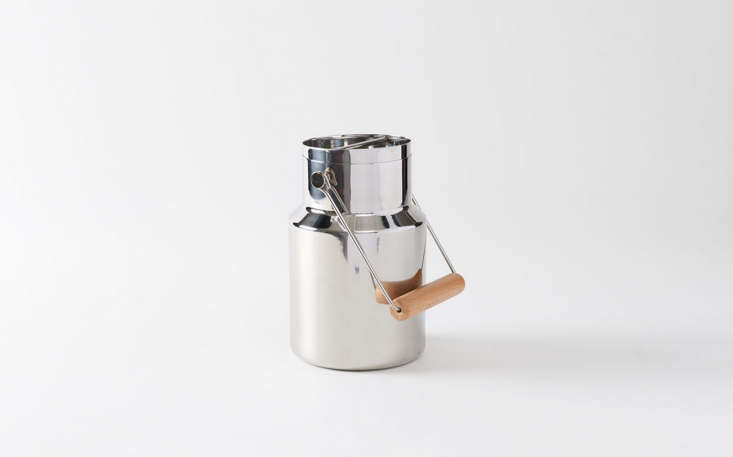
A stainless steel travel ice bucket is one of those small, oddly powerful accessories that can make a picnic feel planned, a hotel-room drink feel less tragic, and a backyard gathering feel like someone in the house has their life together. It is not as loud as a cooler, not as fragile as glass, and not as sad as a plastic grocery bag full of half-melted cubes. It is the polished little workhorse of portable entertaining.
At its best, a travel ice bucket keeps ice cleaner, colder, and easier to serve wherever drinks are happening: road trips, RV weekends, beach houses, tailgates, camping tables, patio dinners, hotel stays, boat days, and even office celebrations where the “bar cart” is really a folding table trying its best. The key is choosing the right design. Stainless steel looks simple, but the detailsinsulation, lid fit, capacity, handle comfort, drainage, finish, and cleaningdecide whether your ice survives the afternoon or becomes a tiny indoor swimming pool.
What Is a Stainless Steel Travel Ice Bucket?
A stainless steel travel ice bucket is a portable container designed to hold ice while resisting rust, dents, odors, and temperature loss better than many plastic or glass alternatives. Unlike a standard home ice bucket that sits on a bar cart and looks pretty, a travel-ready version is built for movement. It usually has a lid, double-wall insulation, a stable base, and either tongs, a scoop, or a built-in storage spot for serving tools.
The “travel” part matters. If you are carrying ice from the hotel machine to your room, from the kitchen to the patio, or from the campsite cooler to the cocktail station, you need more than sparkle. You need a bucket that can handle bumps, condensation, quick temperature changes, and human hands that are already juggling cups, snacks, phones, and one cousin’s very strong opinion about bourbon.
Why Stainless Steel Is a Smart Material for Ice Buckets
Stainless steel is popular in kitchens, food service, barware, and beverage equipment because it is durable, cleanable, attractive, and resistant to corrosion when properly made and maintained. Most quality ice buckets use food-contact stainless steel such as 304, 18/8, or 18/10 stainless steel. These names usually refer to chromium and nickel content, which help the metal resist rust and maintain a smooth, polished surface.
For ice storage, stainless steel has three big advantages. First, it does not absorb odors the way some plastics can. Your ice should not taste like last weekend’s cooler adventure. Second, it is stronger than glass and acrylic, especially when traveling. Third, it offers a premium look without needing a white tablecloth, a jazz trio, or someone named Charles to announce the drinks.
Single-Wall vs. Double-Wall Stainless Steel
A single-wall stainless steel bucket is simply one layer of metal. It can look elegant, but it transfers temperature quickly. That means more exterior condensation and faster melting. A double-wall stainless steel ice bucket has an inner and outer wall with an insulating air gap between them. This reduces heat transfer, slows melting, and keeps the outside drier.
Some higher-end models use vacuum insulation, similar to premium travel mugs. These can hold ice longer, reduce sweating dramatically, and perform better outdoors. The tradeoff is usually weight, size, and price. For short hotel stays or small indoor gatherings, double-wall construction is often enough. For camping, tailgating, boating, or long patio afternoons, vacuum insulation may be worth the upgrade.
What Makes a Travel Ice Bucket Different from a Regular Ice Bucket?
A regular ice bucket is mostly about presentation. A travel ice bucket is about performance plus presentation. It should be compact enough to carry, sturdy enough to move, and insulated enough to keep ice usable while people slowly remember they said they wanted “just one drink.”
Important Travel-Friendly Features
- A tight-fitting lid: Keeps warm air out, slows melting, and protects ice from dust, bugs, and curious snack hands.
- Double-wall insulation: Helps reduce condensation and keeps ice solid longer.
- Comfortable handle: Makes it easier to carry from car to picnic table or hotel ice machine to room.
- Non-slip base: Prevents sliding on boat tables, patio furniture, countertops, and RV surfaces.
- Tongs or scoop: Keeps hands out of the ice, which is both polite and sanitary.
- Drainage grate or strainer: Lifts ice above meltwater so cubes do not immediately become sad little pebbles.
- Compact footprint: Fits in a cabinet, tote bag, RV drawer, or picnic basket without demanding its own zip code.
Best Uses for a Stainless Steel Travel Ice Bucket
The beauty of a portable stainless steel ice bucket is that it adapts to many situations. It is not only for cocktails. It is also useful for sparkling water, iced tea, cold brew, soda cans, mocktails, champagne, fruit garnish, and chilled dessert service.
Hotel Rooms and Weekend Getaways
Hotel ice buckets are not always glamorous. Some are small, plastic, or missing the liner. Bringing your own stainless steel travel ice bucket gives you a cleaner, sturdier, better-insulated option. It also saves multiple trips to the ice machine, especially if your room is at the end of a hallway that feels like it was designed by someone training for a marathon.
Camping and RV Trips
For camping, a stainless steel ice bucket works as a clean serving station. Keep bulk ice in a cooler, then transfer small amounts into the bucket for drinks. This helps reduce how often the cooler is opened, which keeps your main ice supply colder. It also prevents people from digging into the cooler with cups, hands, or mysterious campsite enthusiasm.
Beach Days and Picnics
A portable ice bucket with a lid is excellent for beach drinks, park lunches, and picnic tables. It keeps ice away from sand, leaves, insects, and flying napkins. Choose a model with a secure lid and a stable base. If the handle is strong and comfortable, even better.
Tailgates and Backyard Parties
At a tailgate, a stainless steel bucket can hold clean drink ice while the larger cooler handles cans and bottles. In the backyard, it creates a polished drink station without requiring guests to open the freezer every three minutes. Your freezer deserves peace. It has been through enough.
How Long Does Ice Last in a Stainless Steel Travel Ice Bucket?
Ice retention depends on insulation quality, room temperature, outdoor heat, cube size, lid use, and how often the bucket is opened. A basic single-wall bucket may only keep ice solid for a short indoor event. A double-wall insulated model can typically perform much better, especially if the lid stays on. Vacuum-insulated models tend to offer the best cold retention, particularly outdoors.
Large cubes last longer than crushed ice because they have less surface area exposed to warm air. Pre-chilling the bucket also helps. If you add ice to a warm metal container sitting in the sun, the first batch of cubes has to cool the bucket before it can cool your drinks. That is not ice storage; that is ice sacrifice.
Simple Ways to Make Ice Last Longer
- Pre-chill the bucket with a handful of ice or cold water for a few minutes.
- Use large cubes instead of crushed ice when possible.
- Keep the lid closed between servings.
- Place the bucket in shade, not direct sun.
- Use a strainer or drain grate to keep cubes above meltwater.
- Fill the bucket closer to capacity, because a fuller bucket has less warm air inside.
Choosing the Right Size
Capacity is one of the easiest buying details to overlook. Too small, and you are refilling constantly. Too large, and your travel ice bucket becomes bulky, heavy, and annoying to store. The right size depends on how you plan to use it.
| Capacity | Best For | Travel Notes |
|---|---|---|
| 1 to 1.5 liters | Hotel rooms, two-person picnics, small bar carts | Very portable, but needs frequent refilling |
| 2 to 3 liters | Small gatherings, RV use, patio drinks | Good balance of size and convenience |
| 4 to 5 quarts | Parties, tailgates, wine chilling | More useful for groups, less compact |
| 2 gallons or more | Outdoor parties, beverage stations, camping groups | Excellent capacity, but heavier and bulkier |
For most travelers, a 2- to 3-liter stainless steel travel ice bucket is the sweet spot. It is large enough for several rounds of drinks but small enough to carry, clean, and store. If you want to chill wine or champagne bottles, look for a wider bucket rather than a narrow one. A tall, narrow bucket may hold ice beautifully but refuse to welcome a bottle like a very shiny bouncer.
Key Features to Look For Before Buying
1. Food-Grade Stainless Steel
Look for descriptions such as 304 stainless steel, 18/8 stainless steel, or 18/10 stainless steel. These grades are common in kitchen and barware because they resist corrosion and clean well. Avoid vague listings that simply say “metal” without explaining the material. If the product will touch ice used in beverages, material quality matters.
2. A Lid That Actually Fits
A lid is not just decoration. It slows heat transfer and helps protect ice during travel. A loose lid still helps a little, but a secure lid is better for outdoor use. Some lids include a built-in holder for tongs, which is a small feature that feels surprisingly luxurious when you are not hunting through a picnic bag for a missing utensil.
3. Tongs, Scoop, or Both
Tongs are great for cocktails and individual glasses. A scoop is better for filling tumblers, pitchers, or large cups quickly. If you host groups often, a scoop may be more practical. If you prefer neat drink service, tongs are elegant and reduce over-serving. Either way, having a dedicated tool keeps hands out of the ice.
4. Condensation Control
One of the main reasons to choose an insulated stainless steel ice bucket is to reduce sweating on the outside. Condensation can leave rings on wood tables, wet paper napkins, and make the bucket slippery. Double-wall or vacuum insulation helps prevent that problem.
5. Easy Cleaning
Choose a bucket with a smooth interior, removable lid, and few complicated crevices. If the product is dishwasher safe, that is convenient, but always check manufacturer instructions. Some polished, painted, coated, or wood-accented models may require hand washing.
Stainless Steel Travel Ice Bucket vs. Cooler
A stainless steel travel ice bucket is not a full replacement for a cooler. A cooler is better for storing large amounts of ice, food, and drinks over many hours. The ice bucket is better for serving. Think of the cooler as the warehouse and the bucket as the friendly front desk.
For best results, use both. Keep the main ice supply in a cooler, then refill the travel ice bucket as needed. This reduces cooler openings and keeps serving cleaner. It also makes your drink station feel intentional instead of “everyone dig around and hope for the best.”
Food Safety Tips for Using Ice on the Go
Ice that goes into drinks should be treated like food. Keep it clean, covered, and separate from anything that could contaminate it. Do not store drink ice next to raw meat, seafood, or leaking food containers. Do not let guests scoop ice with cups that have touched mouths. And no, “it’s just ice” is not a food safety plan. It is a sentence people say right before regret enters the chat.
Clean Ice Habits
- Wash the bucket before first use and after every trip.
- Use clean tongs or a scoop instead of hands.
- Keep the lid on when the bucket is outdoors.
- Discard leftover ice after the event.
- Dry the bucket fully before storing to prevent water spots or odors.
How to Clean and Maintain a Stainless Steel Ice Bucket
Stainless steel is low-maintenance, not no-maintenance. Clean your travel ice bucket with warm water, mild dish soap, and a soft sponge or cloth. Rinse well and dry it immediately with a clean towel. Drying matters because minerals in tap water can leave spots, especially on mirror-polished finishes.
Avoid steel wool, harsh scouring pads, abrasive powders, and chlorine bleach. These can scratch or damage the protective surface of stainless steel. If fingerprints bother you, use a microfiber cloth. For stubborn marks, a paste of baking soda and water can help, but test gently and rinse thoroughly.
Storage Tips
Store the bucket with the lid slightly open if possible so air can circulate. Keep tongs or scoops clean and dry before placing them back inside. If the bucket includes silicone gaskets, rubber feet, or wood accents, inspect them occasionally. Travel gear gets bumped around, and small parts tend to make dramatic exits when no one is watching.
Common Mistakes to Avoid
Buying Only for Looks
A beautiful bucket is nice, but if it sweats heavily, has no lid, and holds only six cubes, it is more sculpture than solution. Choose beauty with function. Your future self, holding a cold drink instead of a puddle, will approve.
Ignoring the Handle
A travel ice bucket needs to be carried. Thin wire handles can dig into your hand when the bucket is full. Wide rubberized handles or sturdy side grips are more comfortable for outdoor use.
Choosing the Wrong Shape
Round buckets are classic and compact. Oval or wider buckets are better for wine bottles, champagne, canned drinks, and mixed beverage service. If you plan to chill bottles, measure before buying.
Leaving Ice in Meltwater
Once ice sits in meltwater, it melts faster and becomes harder to serve neatly. A drain grate, inner strainer, or occasional water pour-off can help extend usability.
Specific Examples of When a Travel Ice Bucket Shines
Imagine a balcony dinner at a rented condo. The kitchen freezer has an ice maker, but the table is outside. Instead of walking back and forth every time someone wants a refill, you place a stainless steel travel ice bucket on the table with tongs and lemon wedges nearby. Suddenly, the meal feels hosted rather than assembled.
Or picture an RV road trip. The cooler is packed tightly with drinks, snacks, and food. Rather than opening it every five minutes, you fill a smaller insulated bucket with clean ice for cups. The cooler stays colder, the drink station stays organized, and nobody has to move three sandwiches to find ice.
At a tailgate, a larger stainless steel bucket can hold ice for cocktails or canned beverages while the main cooler handles backup supplies. At a hotel, a compact version turns a basic room into a more comfortable evening setup. At a holiday party, it clears freezer traffic and lets guests serve themselves without wandering through your kitchen like confused raccoons in nice shoes.
Design and Style: Because Looks Still Matter
Stainless steel ice buckets come in mirror-polished, brushed, hammered, matte, powder-coated, copper-toned, gold-toned, and wood-accented designs. Mirror-polished models look formal and bright but show fingerprints more easily. Brushed stainless steel is more forgiving for travel. Hammered finishes hide small marks and add texture. Matte finishes look modern but may require gentler cleaning depending on the coating.
If your bucket will live mostly in a picnic basket or RV, choose function first. If it will sit on a home bar between trips, choose a style that matches your glassware, bar tools, and serving pieces. The best stainless steel travel ice bucket should not look like camping equipment at dinner or like delicate decor at a campsite. It should be the rare item that can do both without complaining.
Is a Stainless Steel Travel Ice Bucket Worth It?
Yes, if you regularly entertain, travel, camp, host patio drinks, rent vacation homes, or simply dislike watery ice chaos. A good stainless steel travel ice bucket is reusable, durable, attractive, and more hygienic than improvised containers. It also makes drink service easier, which is the whole point. Nobody wants to spend a party managing ice like it is a part-time job.
It may not be necessary for someone who rarely uses ice outside the kitchen. But for families, hosts, outdoor enthusiasts, cocktail fans, RV travelers, and picnic people, it is a practical upgrade. It turns “Where is the ice?” into “The ice is right there,” which may be one of civilization’s underrated achievements.
Experience Section: Real-Life Lessons from Using a Stainless Steel Travel Ice Bucket
The first thing you notice when using a stainless steel travel ice bucket is how much calmer drink service becomes. Without one, ice tends to become a recurring event. Someone opens the freezer. Someone else asks where the scoop is. A third person uses a cup as a shovel. By the time the drinks are served, half the ice has performed its final act as countertop water. With a dedicated bucket, the rhythm changes. Fill it once, set it near the drinks, add tongs, close the lid, and the whole station feels organized.
On a weekend road trip, a compact stainless steel bucket is especially useful in a hotel room. Hotel ice machines are rarely located next to your door. Sometimes they are down the hall, around a corner, past a vending machine that hums like it knows secrets. A small insulated bucket means fewer trips and better ice for evening drinks, iced coffee, or reusable water bottles. It also feels cleaner and sturdier than relying on thin disposable liners.
During outdoor meals, the lid becomes the hero. At a picnic table, open ice attracts leaves, dust, bugs, and children who believe every cube is a science experiment. A covered stainless steel ice bucket protects the ice and keeps the serving area tidy. Even when the weather is warm, double-wall insulation helps prevent the outside from sweating all over the table. That matters when the table is covered with napkins, paper plates, or someone’s phone sitting dangerously close to the splash zone.
For RV and camping use, the best strategy is to treat the ice bucket as a serving container, not the main ice supply. Keep backup ice in a larger cooler and fill the bucket in smaller batches. This prevents the cooler from being opened constantly and keeps the drink ice separate from food packages. It also makes the campsite feel more civilized. There is something deeply satisfying about pouring lemonade over clean ice from a shiny bucket while sitting next to a camp chair covered in dust.
One lesson learned quickly: size matters more than expected. A tiny 1-liter bucket is charming but limited. It works for two people or a hotel room, but at a party it will need refilling constantly. A 3-liter bucket is far more flexible. It can handle cocktails, iced tea, sparkling water, or a few cans. For wine bottles, shape matters even more than total capacity. A wider bucket chills bottles better than a narrow one.
Cleaning is simple, but it should not be skipped. After a trip, wash the bucket with mild soap, rinse thoroughly, and dry it completely. Leaving water inside can cause spots or stale odors, especially if the lid is closed during storage. Store the tongs with it so the whole setup is ready next time. Future-you will feel very professional, even if present-you packed the cooler with one sandal and no bottle opener.
Conclusion
A stainless steel travel ice bucket is a practical upgrade for anyone who wants cleaner, colder, better-organized ice away from the kitchen. It combines the durability of stainless steel with the convenience of portable drink service. The best models have double-wall insulation, a fitted lid, comfortable handles, a stable base, and clean serving tools such as tongs or a scoop.
Whether you use it in a hotel room, RV, campsite, backyard, beach rental, tailgate, or patio party, the right travel ice bucket reduces mess and makes hosting easier. Choose the size based on your real use, not just the prettiest photo. Look for food-grade stainless steel, easy cleaning, good insulation, and a design that fits your lifestyle. Ice may be simple, but serving it well makes every drink feel better.
Note: This article is written as original, publication-ready web content based on current stainless steel barware practices, food-contact material guidance, and real-world travel and entertaining use cases.