Introduction: Most animal bites are not dramatic movie moments. They happen fast, hurt immediately, and then become a medical problem with paperwork, swelling, antibiotics, and someone saying, “Why were you standing that close?” From bone-crushing jaws to venom-loaded fangs and deceptively small punctures that turn nasty, the animal kingdom has a full menu of bad ideas for human skin.
This list is not about demonizing animals. Animals bite because they hunt, defend territory, protect babies, panic, or mistake a hand for lunch. The real lesson is simple: respect distance, read warning signs, and never treat a wild animal like a fluffy roadside selfie opportunity. Below are ten animal bites that can cause devastating trauma, infection, venom effects, or all of the above.
Why Animal Bites Are So Dangerous
An animal bite can destroy tissue in three main ways: mechanical force, biological contamination, and venom. Mechanical force crushes bones, tears muscle, damages nerves, and severs blood vessels. Contamination introduces bacteria from the animal’s mouth, your skin, soil, or water. Venom can attack blood, nerves, muscles, or the cardiovascular system. In other words, a bite is not just “a cut with attitude.” It is a complex injury.
Public health guidance consistently treats serious animal bites as urgent because wounds can become infected, rabies exposure can be fatal if untreated, and venomous bites may worsen quickly. Deep punctures, heavy bleeding, numbness, loss of function, swelling, color change, fever, or bites to the face, hands, joints, or genitals deserve medical attention immediately. Your immune system is brave, but it is not a superhero with a cape and an antivenom kit.
Top 10 Animal Bites That Can Completely Destroy You
1. Saltwater Crocodile Bite: The Hydraulic Press with Teeth
The saltwater crocodile earns the nightmare crown because its bite is one of the strongest ever directly measured in a living animal. A large individual can clamp down with force measured around 3,700 pounds per square inch. That is not a bite; that is a natural industrial accident.
What makes crocodile bites especially terrifying is not just jaw pressure. Crocodiles bite, hold, twist, and drag prey into water. A victim may suffer crushing fractures, torn soft tissue, drowning risk, and severe contamination from waterborne bacteria. The “death roll” is not a dance move. It is a biomechanical blender.
Why it destroys: crushing trauma, drowning risk, deep lacerations, infection, and massive blood loss.
2. Great White Shark Bite: Surgical Damage from a Moving Chainsaw
Shark bites are rare compared with everyday risks like car crashes, falls, and drowning, but when a large shark bites, the injury can be catastrophic. Great white sharks use serrated teeth designed to slice flesh, and even a single exploratory bite can remove large amounts of tissue.
The danger comes from blood loss, shock, deep tissue destruction, and the difficulty of receiving quick care in open water. Even when the shark does not return, the victim still has to survive the ocean, panic, and minutes that feel like a full-length tax audit.
Why it destroys: major lacerations, amputation risk, rapid blood loss, shock, and delayed rescue.
3. Venomous Snake Bite: Two Tiny Holes, One Very Bad Afternoon
A venomous snake bite may look small at first, which is exactly why people underestimate it. Rattlesnakes, cottonmouths, copperheads, coral snakes, cobras, vipers, and other venomous species can inject toxins that affect blood clotting, tissue integrity, nerves, breathing, and blood pressure.
Symptoms may include severe pain, swelling, bruising, blistering, nausea, weakness, numbness, trouble breathing, or changes in vision. Some bites cause dramatic local tissue injury; others cause delayed neurological effects. The correct move is not to cut the wound, suck venom out, apply ice, or audition for a survival show. The correct move is emergency medical care.
Why it destroys: venom effects, tissue death, bleeding disorders, paralysis, breathing problems, and shock.
4. Hippopotamus Bite: The Vegetarian Tank That Chose Violence
Hippos look like oversized river potatoes, but that is unfair to potatoes, which rarely attack boats. A hippopotamus can open its jaws enormously wide and uses huge canine teeth for fighting and defense. Hippos are territorial, fast over short distances, and extremely dangerous around water.
A hippo bite can crush, puncture, and tear with horrifying efficiency. Unlike predators that bite to eat, hippos often bite to remove a threat from their personal space. Unfortunately, their personal space may include the entire river, the bank, your canoe, and the concept of your future plans.
Why it destroys: crushing force, deep punctures, major blood loss, drowning risk, and blunt trauma.
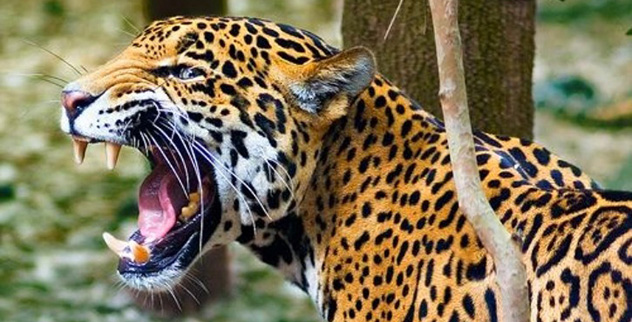
5. Jaguar Bite: The Skull-Piercing Specialist
Jaguars are compact, muscular cats with famously powerful jaws. Unlike many big cats that often aim for the throat, jaguars are known for killing prey with a crushing bite through the skull. Their jaws allow them to hunt turtles, caimans, capybaras, deer, and other tough animals.
A jaguar bite to a human would combine deep puncture wounds, crushing injury, and enormous tearing force. The scary part is precision. Jaguars are ambush predators, built to end a struggle quickly. Basically, they do not nibble. They submit a final draft.
Why it destroys: skull and bone penetration, deep tissue trauma, nerve damage, and severe bleeding.
6. Tiger Bite: Apex Predator Power in One Neck-Snapping Clamp
Tigers are among the largest cats on Earth, equipped with strong jaws, long canines, powerful forelimbs, and ambush tactics. They typically take prey down with a sudden attack and a bite to the neck or throat. When an animal can drag large prey and eat dozens of pounds of meat in a night, it is safe to say its dental plan is not friendly.
Most wild tigers avoid people, but attacks can occur when tigers are injured, old, threatened, habituated, or living where human activity overlaps with shrinking habitat. A tiger bite can break the neck, crush the airway, sever major vessels, and cause severe infection.
Why it destroys: neck trauma, airway damage, spinal injury, blood loss, and deep punctures.
7. Bear Bite: Bone-Crushing Strength with a Side of Claws
Bear attacks involve more than biting, but the bite alone is devastating. Grizzlies, brown bears, polar bears, and large black bears have powerful jaws, large teeth, and the mass to pin, shake, and crush. A bear bite can fracture the skull, arms, legs, ribs, or pelvis.
Bear safety guidance emphasizes distance, food storage, awareness, and different responses depending on species and attack behavior. The best bear bite is the one that never happens because you made noise on the trail, stored food properly, and did not attempt to get a close-up photo titled “Me and Mr. Fluff Mountain.”
Why it destroys: crushing injuries, fractures, scalp and facial trauma, infection, and combined claw wounds.
8. Komodo Dragon Bite: Serrated Teeth, Venom, and Bacteria
Komodo dragons are the largest living lizards and have a bite that combines sharp serrated teeth, tearing motion, venom-related effects, and bacteria. Researchers have documented venom glands in Komodo dragons, and their teeth can create deep, ragged wounds that bleed heavily.
There has been debate about whether bacteria or venom plays the larger role in how Komodo dragons bring down prey. Either way, for the bitten person, the distinction may feel academic, like arguing about whether the blender or the garbage disposal ruined your smoothie. The wound itself can be severe, contaminated, and medically urgent.
Why it destroys: deep lacerations, blood loss, possible venom effects, infection risk, and tissue trauma.
9. Spotted Hyena Bite: The Bone-Crushing Laugh Track
Spotted hyenas have jaws adapted for crushing bone. Their teeth and skull structure allow them to process carcasses with brutal efficiency, including skin, bone, and tough connective tissue. The famous “laugh” is not comedy; it is the soundtrack of an animal with a mouth like a recycling machine for skeletons.
A hyena bite can fracture bones and produce deep punctures that are difficult to clean. In areas where humans, livestock, and wildlife overlap, hyena encounters can become dangerous, especially at night or around food waste.
Why it destroys: bone crushing, deep punctures, tissue tearing, infection, and high-force jaw pressure.
10. Domestic Dog Bite: The Everyday Bite People Underestimate
Dogs are not exotic monsters, and most are beloved companions. That is exactly why dog bites deserve a place on this list. They are common, often happen close to home, and can be serious, especially for children. In the United States, millions of people are bitten by dogs each year, and many require medical care.
Dog bites can crush, tear, and inject bacteria into tissue. Severe bites may damage tendons, nerves, blood vessels, and joints. Even smaller bites can become infected, and certain bacteria associated with dog and cat mouths can cause severe illness in vulnerable people. The big lesson is not “fear dogs.” It is “respect dog body language, supervise children, avoid rough teasing, and do not interrupt dogs while eating, sleeping, or caring for puppies.”
Why it destroys: torn tissue, infection, tendon damage, nerve injury, scarring, and rabies concern in some situations.
What to Do After a Serious Animal Bite
First, get away from the animal safely. Do not chase it, punish it, capture it, or try to win round two. If bleeding is heavy, apply firm pressure with clean cloth or gauze. Wash minor wounds with soap and running water, but do not delay emergency care for deep wounds, venomous bites, bites to the face or hands, uncontrolled bleeding, numbness, or trouble moving a body part.
For venomous snake bites, keep the person calm, limit movement, remove tight jewelry or clothing near the bite, and seek emergency help. Do not cut the wound, apply a tourniquet, drink alcohol, use ice, or try to suck out venom. That last one belongs in old cartoons and bad campfire advice.
For possible rabies exposure, especially from bats, raccoons, skunks, foxes, or unknown mammals, seek medical care immediately. Rabies is preventable after exposure if treated before symptoms begin, but once symptoms appear, it is usually fatal. That is not a “wait and see” situation. That is a “call a medical professional now” situation.
How to Avoid Becoming a Bite Statistic
The best strategy is boring, and boring is beautiful when the alternative is stitches. Keep distance from wildlife. Do not feed wild animals. Store food properly while camping. Give pets training, socialization, and supervision. Teach children never to hug unfamiliar dogs, pull tails, or approach animals that are eating or sleeping. Wear boots and use lights in snake country. Swim only where local authorities say conditions are safe.
Most animal bites happen because humans ignore boundaries. Animals do not understand your travel blog, your Instagram caption, or your belief that “it looks friendly.” If an animal has teeth, assume those teeth came with terms and conditions.
Experience Notes: What Animal Bites Teach Us in Real Life
People who work around animals often develop a quiet respect that looks almost boring from the outside. Zookeepers, veterinarians, park rangers, wildlife photographers, ranchers, and experienced hikers do not usually act like action heroes. They move slowly, watch body language, and avoid putting hands where hands do not belong. That kind of caution is not cowardice. It is experience wearing sensible shoes.
One common lesson is that small bites can be surprisingly serious. A cat bite on the hand, for example, may leave only two neat punctures, but those teeth can inject bacteria deep near tendons and joints. A dog bite that “barely broke the skin” can still bruise tissue underneath. A snake bite may start with two little marks and become swelling, pain, and systemic illness. The outside of a wound often lies. The inside is where the drama rents an apartment.
Another lesson is that panic makes everything worse. People who panic after a bite may run, elevate a venomous bite, forget important details, or delay calling for help because they are searching online for miracle fixes. The better response is simple: move away, control bleeding, wash when appropriate, immobilize when needed, and get professional care. Calm is not just emotionally useful; it buys time for better decisions.
Outdoor experience also teaches humility. Most dangerous encounters are preventable. A camper who leaves bacon grease near a tent is sending a scented invitation to every hungry creature in the county. A beachgoer who swims near bait fish at dawn or dusk increases risk. A tourist who leans over a railing to touch wildlife is volunteering for a lesson taught by teeth. Nature is beautiful, but it does not run a customer service department.
Pet owners learn similar lessons at home. Dogs often warn before biting: stiff posture, whale eye, lip licking, growling, retreating, pinned ears, or guarding food and toys. Many bites happen because someone punishes the warning instead of respecting it. A growl is not “bad behavior” in the moment; it is a smoke alarm. You do not fix a smoke alarm by removing the batteries and hoping the fire becomes polite.
For parents, the experience-based rule is constant supervision. Children move unpredictably, make loud noises, hug too tightly, and often miss animal stress signals. Even a gentle family dog can bite if frightened, hurt, cornered, or overwhelmed. Teaching children to ask before petting, avoid faces, and leave animals alone while eating can prevent painful injuries and long-term fear.
Finally, real experience teaches respect without paranoia. The goal is not to fear every dog, snake, shark, bear, or lizard. The goal is to understand context. Most animals are not hunting humans. Most want space. When we give them that space, secure food, follow safety rules, and treat bites seriously when they happen, we dramatically lower the risk of becoming the cautionary tale everyone repeats around the campfire.
Conclusion
Animal bites can be fascinating to read about and horrible to experience. The most destructive bites combine strength, sharp teeth, venom, infection risk, and bad timing. Crocodiles crush, sharks slice, snakes inject, hippos smash, big cats pierce, bears maul, Komodo dragons tear, hyenas pulverize, and dogs remind us that danger does not always come from faraway jungles.
The smartest takeaway is respect. Respect wild animals, respect pets, respect warning signs, and respect wounds that break the skin. If a bite is deep, dirty, painful, swollen, bleeding heavily, caused by a wild animal, caused by a venomous species, or located on the face, hand, joint, or neck, seek medical help quickly. Teeth are ancient technology, and they still work uncomfortably well.
Note: This article is for educational and SEO content purposes only. It is not medical advice. Serious animal bites, suspected rabies exposure, and venomous bites require immediate professional medical care.