For a shocking number of women, “normal” has often meant “painful, exhausting, demeaning, or quietly terrifying.” Not because those experiences actually are normal, but because culture has a long history of handing women a grab bag of nonsense and labeling it “just part of being female.” Heavy periods? Normal. Pain during sex? Normal. Doing the emotional bookkeeping for an entire household while smiling politely in a meeting where someone explains your own idea back to you? Apparently also normal. What a generous offer.
But women are speaking up more openly now, and the pattern is impossible to ignore: many experiences once brushed off as inevitable are actually warning signs, social conditioning, or flat-out mistreatment. Some point to health conditions that deserve diagnosis and treatment. Others reveal the ways women are taught to minimize discomfort, tolerate control, and keep the peace at their own expense. Once you start listening, the old script falls apart pretty quickly.
This article looks at 27 examples of “horrific but normalized” experiences women say they were taught to accept. Some are medical. Some are emotional. Some live in the workplace, the home, or the space between “he’s just protective” and “wait, that’s control.” Together, they tell a bigger story: women have often been trained to confuse survival with normalcy.
Why So Many Women Mistake Harm for “Normal”
Normalization usually starts early. Girls are often taught to be agreeable, low-maintenance, and tough in a very specific way: not the movie-hero kind of tough, but the quiet kind that smiles through discomfort and says, “It’s fine,” while absolutely nothing is fine. Add in medical stigma, gender bias, beauty pressure, workplace double standards, and family expectations, and harmful experiences can look routine for years.
The result is a strange cultural scam. Women are told to monitor every tiny flaw, yet ignore major pain. They are encouraged to speak up, then penalized for sounding “dramatic.” They are expected to carry the mental load, but the labor stays invisible because it happens in calendars, reminders, emotional cleanup, and 2 a.m. panic about whether anyone signed the field-trip form. No wonder so many women look back and think, “Hold on. That was never normal.”
27 Examples Women Say They Were Taught To Accept
Health, Pain, and the Fine Art of Being Told To “Just Deal With It”
- Bleeding so heavily you plan your life around bathrooms. Many women grow up hearing that super-heavy periods are just part of the deal. They are not. When bleeding is extreme, prolonged, or disruptive, it deserves medical attention, not a gold medal for endurance.
- Cramping so intense it knocks out school, work, or daily life. Some period pain is common. Pain that leaves you curled up, vomiting, faint, or unable to function should not be waved away as “womanhood.” That is not a personality trait. That is a symptom.
- Pain during sex. A lot of women are taught that sex hurts at first, then maybe forever, then maybe you just buy better candles and pretend that solved it. Persistent pain during sex can have physical or emotional causes and should not be treated like an unavoidable membership fee.
- Pelvic pain that gets dismissed because it comes with a period. Endometriosis, pelvic floor problems, cysts, and other conditions can hide behind the phrase “bad periods.” Women are often taught to downgrade real pain into background noise.
- Urine leakage after childbirth or with age being treated as inevitable forever. Common? Yes. Untreatable? No. Too many women think bladder leaks are simply the glamorous encore to pregnancy or aging when, in reality, there are treatments and support.
- Being told postpartum misery is just “baby blues” no matter how severe it feels. New mothers are often expected to power through sadness, anxiety, rage, numbness, and overwhelm with a brave little shrug. But postpartum depression is real, serious, and treatable.
- Exhaustion, dizziness, and brain fog being brushed off as “all women are tired.” Chronic fatigue might be stress, yes, but it can also reflect anemia, hormonal issues, poor sleep, depression, or other health concerns. “Everybody’s tired” is not a diagnosis.
- Doctors or family members minimizing pain as stress, anxiety, or overreaction. Women are frequently socialized to second-guess their own symptoms. That makes it easier for pain to be dismissed and harder for women to push for answers.
- Assuming severe mood changes around a cycle are just something to suffer through in silence. Irritability, sadness, or anxiety can happen before a period, but intense emotional changes that disrupt life are worth discussing with a clinician, not hiding behind jokes about chocolate and doom.
- Going to work, class, or caregiving while seriously unwell because “women just push through.” The cultural expectation that women stay functional at all costs turns pain into performance. It rewards self-neglect and calls it strength.
- Feeling ashamed to bring up reproductive or pelvic symptoms at all. Women are often taught that discussing discharge, bleeding, bowel pain, incontinence, or vulvar pain is embarrassing. The embarrassment keeps problems hidden. The silence keeps them untreated.
Relationships, Safety, and Abuse That Doesn’t Always Look Like the Movies
- Jealousy being sold as love. “He just cares so much” has covered a lot of controlling behavior over the years. Possessiveness, surveillance, and constant suspicion are not romance wearing a leather jacket.
- A partner demanding passwords, location sharing, and nonstop updates. Many women are taught that constant contact is a sign of closeness. In unhealthy relationships, it can be surveillance dressed up as devotion.
- Being isolated from friends and family little by little. Control rarely arrives with a drumroll. Sometimes it sounds like, “Your friends are bad for you,” or “Why do you need anyone else?” Slowly, a woman’s world gets smaller and the relationship gets harder to question.
- Name-calling, humiliation, and cruel “jokes” being treated as normal conflict. Emotional abuse often hides behind sarcasm, teasing, or claims that a woman is “too sensitive.” Repeated degradation is not a spicy communication style.
- Feeling afraid even when no one has hit you. Many women are taught that abuse only counts if there are visible injuries. But intimidation, threats, coercion, stalking, and emotional control are abuse too.
- Pressure to have sex because you’re dating, married, or trying to keep the peace. Sexual coercion is often normalized through guilt, pressure, persistence, or manipulation. Consent is not supposed to sound like exhaustion.
- Financial control being mislabeled as “he handles the money better.” If one person monitors spending, limits access to money, sabotages work, or uses finances as leverage, that is not household efficiency. That is control with a spreadsheet.
- Reproductive decisions being pushed, manipulated, or overridden. Some women are taught that pressure around pregnancy, contraception, or timing is just part of being in a serious relationship. It is not normal when someone tries to control your reproductive choices.
- Walking on eggshells to avoid someone else’s anger. When a relationship depends on one person constantly managing another person’s moods, that is not emotional maturity. That is fear doing unpaid labor.
Work, Home, Body Image, and the Everyday Stuff That Quietly Eats Your Sanity
- Being treated like the default household manager. Many women are expected to remember appointments, groceries, birthdays, school forms, prescriptions, thank-you notes, and where the extra batteries live. When that invisible labor goes unnoticed, it still drains real energy.
- Doing more housework and child-scheduling while everyone calls it “helping.” One of the oldest tricks in the book is describing women’s labor as natural and men’s labor as optional generosity. If a woman carries most of the domestic burden, that is work, not magic.
- Being the emotional support desk for the entire family. Remembering how everyone feels, smoothing over tension, anticipating needs, and managing social relationships is labor. Just because it doesn’t come with a paycheck or a LinkedIn badge does not mean it is free.
- Harassment at work being treated as the price of having a career. Too many women are taught to laugh off creepy comments, inappropriate jokes, or career-limiting behavior to avoid being labeled “difficult.” That lesson has cost women money, advancement, and peace of mind.
- Being treated as less competent until proven otherwise. Women frequently report being interrupted, doubted, or forced to over-prepare just to receive the baseline credibility some men get automatically. It is exhausting, and no, you are not imagining it.
- Pregnancy discrimination being brushed off as bad luck. Losing opportunities, being sidelined, or being treated as unreliable because of pregnancy is not simply “how workplaces are.” It is unlawful discrimination, even if someone tries to wrap it in polite office language.
- Constant body policing. Women are taught to monitor size, skin, hair, aging, posture, clothing, and facial expressions with Olympic-level dedication. The message is relentless: look effortless, but work on yourself forever. What a relaxing hobby.
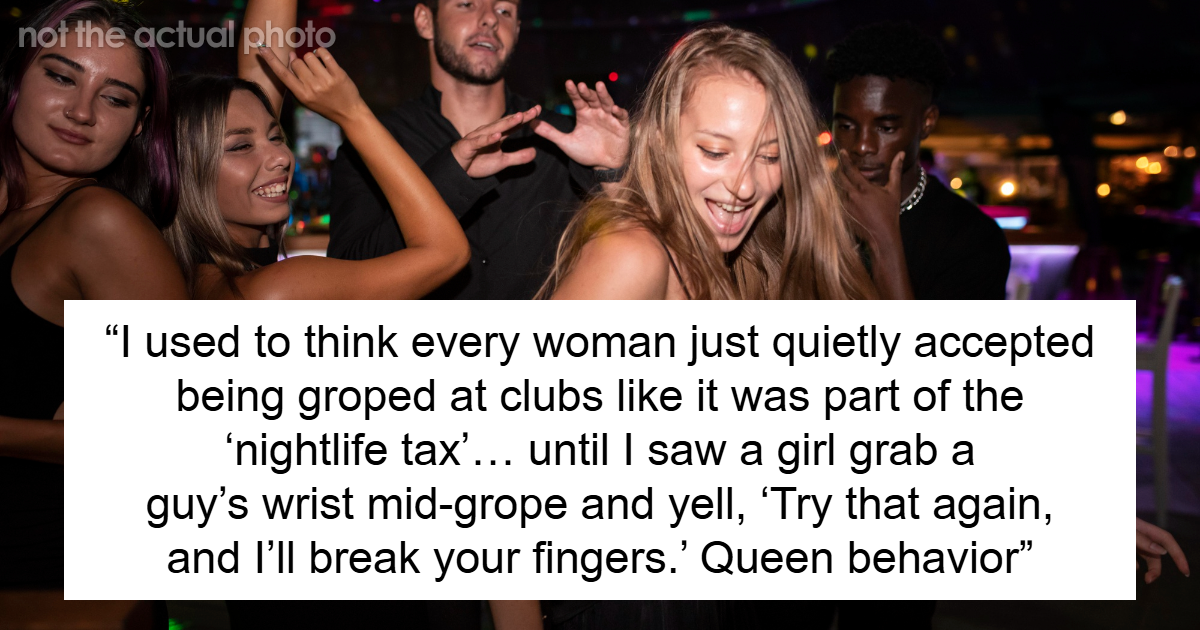
- Public harassment being framed as unavoidable. Catcalling, comments from strangers, invasive staring, and being told to smile are often normalized as background noise of womanhood. The fact that it is common does not make it acceptable.
- Making yourself smaller to seem safe, nice, or “not too much.” Many women learn to apologize first, speak softly, laugh off discomfort, and shrink their boundaries so other people stay comfortable. The tragedy is how often self-erasure gets mistaken for good manners.
What These Experiences Feel Like in Real Life
What makes these experiences so damaging is not just the event itself. It is the confusion wrapped around it. A girl misses class every month because her cramps are brutal, but everyone around her shrugs and says that periods are supposed to hurt. She grows up believing her body is dramatic. Years later, she finds out that pain severe enough to derail normal life was never something she was meant to simply endure. Imagine the whiplash of realizing your “low pain tolerance” was actually untreated suffering.
Or consider the woman who laughs when she leaks urine after coughing, sneezing, or lifting her toddler, because that is what she has seen other women do. She jokes about having a “mom bladder,” as if the only options are humor or shame. Meanwhile, she stops running, avoids long drives, and maps every public outing around restroom access. The issue is common, yes, but the normalization of it keeps her from seeking help that could improve her quality of life.
Then there is the woman who spends years in a relationship that does not look abusive in the stereotypical sense. Her partner checks her phone, questions her friendships, manages the money, and turns every disagreement into proof that she is unstable, selfish, or ungrateful. Because there are no obvious bruises, she tells herself it must just be a difficult relationship. She becomes smaller, quieter, easier to manage. By the time she names it as coercive or emotionally abusive, she may already be carrying deep self-doubt and isolation.
Work offers its own flavor of exhaustion. A woman in an office notices that she is interrupted more, copied less, and expected to be both warm and flawless. If she is firm, she is difficult. If she is agreeable, she is overlooked. She laughs off a gross joke because she does not want to become “the problem,” then goes home and manages the dinner plan, the dentist appointment, the camp form, and the emotional weather of the household. None of those tasks may look dramatic on paper. Together, they can feel like being slowly buried by confetti.
Body image adds another layer. Many women are taught from childhood that their bodies are public projects: too big, too loud, too old, too sexual, not sexual enough, too plain, too made up. That constant scrutiny can feel so ordinary that women stop noticing how much energy it consumes. They learn to evaluate themselves before the world can do it for them. Hypervigilance starts to feel like discipline. Self-criticism starts to feel like responsibility.
The turning point for many women comes when someone finally says, “That is not normal.” Not normal to hurt that much. Not normal to be controlled like that. Not normal to feel terrified, erased, or perpetually depleted. That realization can be enraging, but it can also be freeing. Because once the illusion of normal breaks, women can ask better questions, demand better care, set sharper boundaries, and stop confusing survival with health.
The Bigger Truth
When women speak up about the horrific things they were taught to accept, they are not exaggerating. They are revising the record. They are exposing how often culture has mistaken female suffering for tradition, resilience, or romance. The lesson is not that women are fragile. It is that women have been expected to absorb too much for too long.
And maybe that is the most important takeaway of all: “common” and “normal” are not the same thing. Something can be widespread and still be unfair, unsafe, unhealthy, or deeply wrong. The more women compare notes, the harder it becomes to keep calling these experiences ordinary. Good. Some things deserve to lose their camouflage.
Note: This article is for informational and editorial purposes only and is not a substitute for medical, mental health, legal, or emergency support.