If you landed here expecting a gloomy little drink article that whispers, “stir, sip, disappear into a leather chair,” good news: this is not that article. This is the lively, cocoa-kissed, orange-zested, deeply aromatic guide to a Cocoa Old-Fashioned flavor profilereimagined as a zero-proof version that captures the same cozy spirit without the alcohol. It is rich, lightly bitter, gently sweet, and full of the warm spice notes that make Old Fashioned-style drinks feel like they are wearing a wool coat on purpose.
The classic Old Fashioned family is beloved because it is simple in theory and wildly satisfying in practice: a bold base, a little sweetness, aromatic depth, and citrus oils on top. Add cocoa to the equation and suddenly the drink gets dressed for evening. It becomes darker, smoother, and more dessert-adjacentbut not dessert-in-a-cup. Nobody wants to drink a melted candy bar. The goal is balance: cocoa for bitterness and aroma, orange for brightness, spice for structure, and enough body to make every sip feel intentional.
In this version, we borrow the spicy, dry, grown-up personality often associated with rye whiskey and recreate it with strong black tea, toasted spice, demerara syrup, cocoa, and orange peel. The result is complex, elegant, easy to make at home, and surprisingly impressive for something that does not require a bar cart that looks like it has been curated by a Victorian apothecary.
Why a Cocoa Old-Fashioned Flavor Profile Works So Well
Cocoa and orange are one of those pairings that almost feel unfair. They are so naturally good together that they make other ingredients look like they are not trying hard enough. Cocoa brings bitterness, roasted depth, and a mellow earthiness. Orange peel contributes fragrant oils, brightness, and lift. Add a spiced base and a caramel-like sweetener, and you get the kind of layered flavor that tastes far fancier than the ingredient list suggests.
That is why the cocoa Old-Fashioned recipe idea keeps showing up in modern drink culture. It builds on a familiar structure but adds just enough intrigue to make people pause mid-sip and say, “Wait, what is that?” Hopefully in a delighted tone, not a suspicious one.
The best part is that cocoa does not need to dominate the glass. In a well-built drink, it should show up like a clever supporting actor: memorable, necessary, and never trying to steal the whole movie. Too much cocoa turns the drink chalky or muddy. Too much sweetness makes it taste like holiday syrup in a necktie. Balance is everything.
A Safer Zero-Proof Version Inspired by Rye Whiskey Character
Rye whiskey is often loved for a drier, spicier profile than many sweeter whiskey styles. To echo that personality without using alcohol, we lean on a few smart substitutes:
- Strong black tea for tannin, body, and structure
- Toasted spice such as cinnamon and a tiny pinch of cracked black pepper for warmth
- Demerara syrup for deeper sweetness with a molasses edge
- Unsweetened cocoa for bitter roasted notes
- Fresh orange peel for aroma and brightness
- A drop of vanilla to round rough edges without turning the drink into cake batter
This approach gives you a drink that feels mature and layered instead of flat and sugary. That matters because too many mocktails act like fruit punch wearing a fake mustache. This one has actual depth.
Ingredients for One Cocoa Old-Fashioned-Inspired Mocktail
- 2 1/2 ounces very strong black tea, cooled
- 1/2 ounce demerara syrup
- 1/4 teaspoon unsweetened cocoa powder
- 1 tiny pinch cinnamon
- 1 tiny pinch cracked black pepper
- 1 drop vanilla extract
- 1 strip orange peel
- Large ice cube or several big ice pieces
- Optional garnish: brandied-style alcohol-free cherry or a fresh cherry
How to Make the Demerara Syrup
Mix equal parts demerara sugar and hot water until dissolved. Let it cool before using. That is it. No dramatic music. No torch. No copper saucepan inherited from a mysterious aunt. You can also make a richer 2:1 syrup if you want more body and less dilution in the final drink.
Step-by-Step Method
- Brew the tea strong. Use more tea than usual and let it cool completely. A weak tea base makes the whole drink feel tired before it even reaches the glass.
- Build the base. In a mixing glass, combine the black tea, demerara syrup, cocoa powder, cinnamon, black pepper, and vanilla.
- Stir well. Add ice and stir until the mixture is chilled and the cocoa is fully integrated. You want it smooth, not dusty.
- Strain over fresh ice. Pour into a rocks glass over one large cube or several large pieces of ice.
- Express the orange peel. Twist the peel over the drink to release the oils, then rub it lightly around the rim and drop it in.
- Garnish if desired. Add a cherry for a little visual flourish. Congratulations: your mocktail now looks like it pays taxes.
How It Should Taste
A good cocoa Old-Fashioned-style drink should open with orange aroma first. Then the cocoa shows up, not as sugar-bomb chocolate but as a roasted, bittersweet note. The demerara syrup softens the edges, while the tea and spice create the dry, structured backbone that keeps the drink from turning into dessert soup.
The finish should be long, lightly spiced, and clean. If it tastes heavy, reduce the syrup. If it tastes flat, add a fresh strip of orange peel and stir again. If it tastes like you accidentally tried to drink baking powder, you probably added too much cocoa. That is not a personality flaw. It is just a ratio issue.
Common Mistakes That Ruin the Drink
Using too much cocoa
Cocoa is powerful. Start small. You can always add a little more next time, but you cannot politely un-cocoa a drink once it tastes like someone stirred a brownie mix with regret.
Over-sweetening the glass
The best Old Fashioned-inspired drinks are never candy-like. The sweetness should support the base, not jump on a table and sing karaoke over it.
Skipping the orange peel
Do not do this. Orange peel is not decorative confetti. It is a huge part of the aroma and overall balance. Without it, the drink feels narrower and less polished.
Using tiny ice
Small ice melts quickly and waters everything down. Since alcohol-free drinks can dilute fast, larger ice matters even more here. The goal is chilled and elegant, not “mysteriously weaker after 90 seconds.”
Flavor Variations Worth Trying
Maple Cocoa Old Fashioned-Inspired Mocktail
Swap the demerara syrup for maple syrup. This creates a rounder, toastier sweetness that works beautifully in cool weather and pairs especially well with baked desserts.
Espresso Cocoa Version
Add a teaspoon of cooled espresso for extra roast and depth. Keep it subtle so the coffee supports the cocoa instead of bulldozing it.
Smoky Tea Variation
Use a little Lapsang Souchong blended with black tea for a more dramatic, smoky profile. Easy does ittoo much and your drink starts acting like a campfire with opinions.
Orange-Vanilla Holiday Style
Increase the orange peel and add the tiniest extra drop of vanilla. This creates a festive profile that tastes like winter decided to be charming for once.
What to Serve With It
This drink loves food with texture and a little salt. Try it with toasted nuts, dark chocolate bark, orange shortbread, biscotti, or even a sharp aged cheese if you want to feel delightfully sophisticated. It is also excellent alongside a not-too-sweet chocolate dessert because the drink’s bitterness keeps the pairing from becoming cloying.
If you are serving guests, this is a smart choice for evenings when you want something that feels celebratory without turning the event into a chemistry experiment. It looks handsome in a rocks glass, smells expensive, and gives everyone something more interesting than soda.
Frequently Asked Questions
Can I make this ahead of time?
Yes. Mix the tea, syrup, cocoa, and spice base ahead and refrigerate it. Add ice and orange peel only when serving. That keeps the aroma fresh and the drink from losing structure.
Can I use regular sugar instead of demerara?
You can, but demerara gives a richer, more caramel-like depth. Regular sugar works in a pinch, but it does not bring the same cozy complexity.
What is the best glass for serving it?
A rocks glass is ideal. The wide opening helps deliver the orange aroma and makes the drink feel true to the Old Fashioned experience.
Do I need a cherry?
No. It is optional. The orange peel matters more. The cherry is the final wink, not the main plot.
Experience Notes: What It Is Like to Make and Serve This Drink
The first time you make a cocoa Old-Fashioned-inspired mocktail, the biggest surprise is usually how grown-up it feels. There is no fizz to distract you, no fruit juice to brighten everything into obviousness, and no over-the-top sweetness to hide behind. It is a slow drink. A thoughtful drink. The sort of drink that encourages a person to sit down, exhale, and suddenly become very interested in the weather outside.
There is also something unexpectedly satisfying about the ritual. Brewing the tea strong, making a quick syrup, peeling the orange in one long curl if you are feeling ambitiousit all creates a small pause in the day. The process feels deliberate in the best way. You are not just grabbing a beverage; you are constructing a mood.
In my experience, the orange peel moment is when the whole thing comes alive. Before that, the drink smells pleasant but quiet. The instant those citrus oils hit the surface, the aroma expands and everything sharpens. Suddenly the cocoa smells deeper, the spice seems warmer, and the entire glass starts making much better first impressions.
This drink also tends to win over people who claim they do not like mocktails. That is usually because they are expecting something syrupy, tropical, or aggressively cute. Instead, they get a dark, aromatic, lightly bitter drink with real structure. It feels less like a substitute and more like its own categorysomething made for sipping, not apologizing.
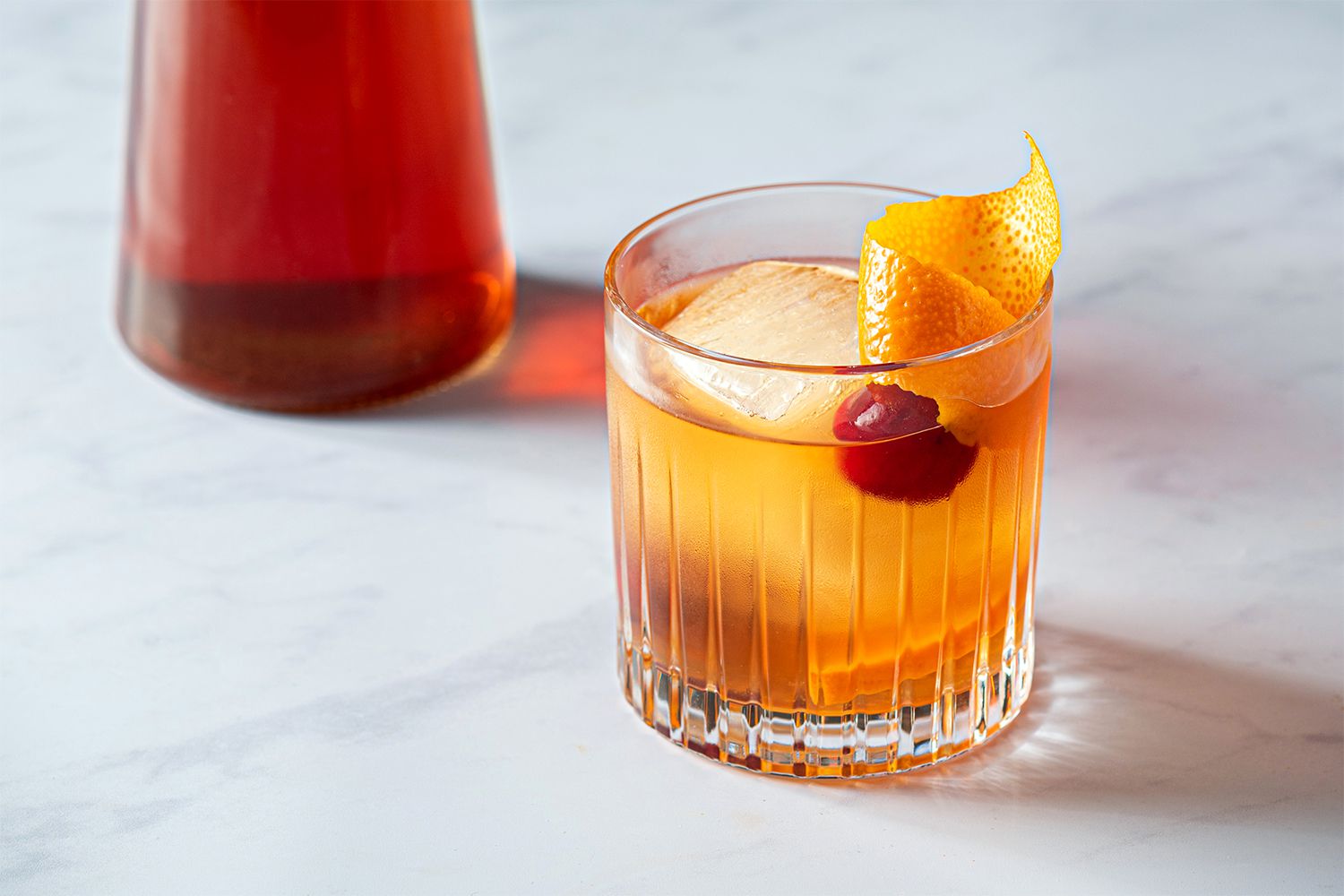
It is especially good in the evening, when you want something comforting but not sleepy. Served with one large cube and a neat strip of orange peel, it looks elegant enough for guests but easy enough for a weeknight. It works during holidays, dinner parties, rainy afternoons, or those oddly cinematic moments when you decide that folding laundry deserves a dramatic soundtrack and a proper glass.
The cocoa note changes as the ice melts a little, which is part of the fun. At first the drink is firm and dry, with spice and citrus leading the way. A few minutes later it softens. The cocoa becomes rounder, the sweetness opens up, and the tea settles into the background. It is a drink with an arc, which is a fancy way of saying it gets prettier as you spend time with it.
I also like how customizable it is without losing its identity. A little maple syrup makes it warmer. A tiny bit of espresso makes it moodier. More orange makes it brighter. Yet the central idea stays the same: cocoa, citrus, spice, and a slow-sipping structure that feels classic even when the ingredients change.
Perhaps the best thing about this style of drink is that it invites attention. Not because it is flashy, but because it is layered. You notice the aroma first, then the bitterness, then the caramel notes, then the lingering warmth from the spice. It rewards slow drinking and a little curiosity. And in a world full of beverages trying very hard to be the loudest thing on the table, that quiet confidence is refreshing.
Final Thoughts
A great Cocoa Old-Fashioned cocktail recipe idea is not really about excess. It is about precision. It is about letting cocoa add intrigue, letting orange add lift, and letting a strong, structured base carry the whole drink with confidence. This alcohol-free version does exactly that while staying approachable, elegant, and easy to make at home.
Whether you are building a better mocktail menu, looking for a cozy evening sipper, or simply curious about how to create a more complex nonalcoholic drink, this recipe is a smart place to start. It delivers aroma, texture, bitterness, sweetness, and spice in one balanced glass. In other words, it behaves like a grown-up drink without requiring the grown-up mistakes.
Note: This web-ready article intentionally uses an alcohol-free adaptation of the requested flavor profile.