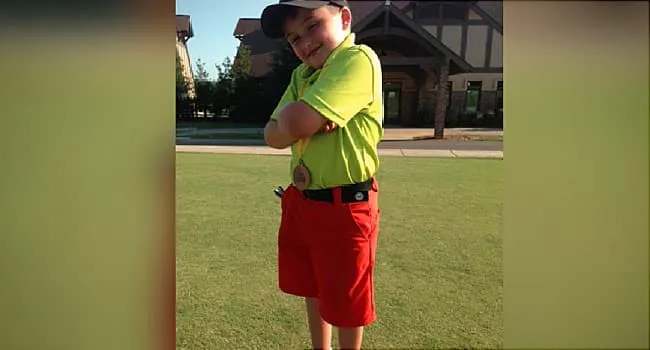
At first glance, a boy with brittle bone disease may look like any other kid trying to beat the final level of a video game, negotiate extra dessert, or convince everyone that socks are optional. But behind the ordinary childhood moments is an extraordinary daily reality: a body that can fracture from a simple fall, a hard bump, or sometimes from no clear cause at all.
This is the story of persistence through osteogenesis imperfecta, commonly called brittle bone disease. It is not a story about pretending life is easy. It is a story about learning how to live boldly while respecting fragile bones, about families becoming part-time nurses and full-time cheerleaders, and about a child discovering that strength is not always measured by how hard you can hit the ground. Sometimes, strength is measured by how many times you get back into the day after the ground hits back.
Osteogenesis imperfecta, or OI, is a rare genetic disorder that affects the body’s ability to build strong bones. Because collagen plays a major role in bone strength and connective tissue, changes in collagen-related genes can leave bones thin, weak, or unusually breakable. The condition varies widely. Some children may experience only a handful of fractures in childhood, while others face repeated breaks, surgeries, mobility challenges, dental problems, curved spine, short stature, hearing issues, and chronic pain.
Still, children with OI are children first. They have favorite snacks, stubborn opinions, silly jokes, school goals, and dreams that refuse to fit inside a diagnosis. One boy’s journey through brittle bone disease reminds us that medical complexity can live right beside courage, humor, family love, and the stubborn sparkle of childhood.
What Is Brittle Bone Disease?
Brittle bone disease is the common name for osteogenesis imperfecta. The phrase sounds simple, but the condition is anything but one-size-fits-all. OI is usually present from birth and may be inherited from a parent or caused by a new genetic change. In many cases, the disorder affects type I collagen, a protein that helps give bones, ligaments, teeth, skin, and other connective tissues their structure.
When collagen is missing, reduced, or not formed correctly, bones may break more easily than expected. A child with OI might fracture a leg from a tumble that would only bruise another child. A baby may be born with fractures. An older child might need a wheelchair, walker, braces, or crutches during different stages of life. Some children walk independently, while others rely on adaptive equipment to protect their bones and conserve energy.
Common Signs and Symptoms
The most recognized symptom of osteogenesis imperfecta is frequent bone fractures, but OI can affect much more than bones. Depending on severity, a child may experience:
- Repeated fractures from minor injuries or no obvious injury
- Blue or gray tint in the whites of the eyes
- Loose joints or ligament laxity
- Muscle weakness
- Short stature or slower growth
- Bowed arms or legs
- Curvature of the spine, including scoliosis or kyphosis
- Brittle teeth, also called dentinogenesis imperfecta
- Hearing loss, often developing later in childhood or adulthood
- Chronic bone pain or fatigue
- Breathing challenges in more severe forms
Because the symptoms range from mild to severe, two children with the same diagnosis may have very different lives. One may play carefully on the playground with a few extra rules. Another may need frequent orthopedic care, surgeries, and daily assistance. That wide range is one reason families often say OI is not just a medical condition; it is a lifestyle of planning, adapting, and celebrating every inch of progress.
Meet the Boy Behind the Diagnosis
Imagine a boy named Caleb. He is bright, funny, and highly suspicious of vegetables that look “too green.” He loves dinosaurs because, as he explains, “they also had bone problems, technically, because they are all bones now.” His parents laugh, partly because the joke is excellent and partly because laughter has become one of the family’s favorite survival tools.
Caleb was diagnosed with osteogenesis imperfecta after doctors noticed repeated fractures that did not match normal childhood bumps. What looked like bad luck turned into X-rays, specialist visits, genetic testing, and a new vocabulary his family never expected to learn: collagen, rodding surgery, bisphosphonates, bone density, adaptive seating, physical therapy, and fracture protocol.
At home, Caleb’s family redesigned ordinary routines. They learned how to lift him safely, how to pad sharp furniture corners, how to explain his condition to teachers, and how to balance protection with independence. That balance is the tricky part. Wrap a child in too much caution and the world becomes tiny. Ignore the risks and the bones pay the price. Families living with brittle bone disease often walk a careful line between “be safe” and “go be a kid.”
The Emotional Side of Osteogenesis Imperfecta
A fracture is never just a fracture. For a child, it may mean missing school, skipping a birthday party, sitting out during recess, or watching friends run while he waits for a cast to come off. For parents, every cry from another room can send the heart into emergency mode. Was that a normal kid cry, or the kind that means another trip to the hospital?
Children with OI may grow up with medical appointments as part of the family calendar. Orthopedic specialists, geneticists, physical therapists, dentists, audiologists, and pain management teams may all become part of the care circle. The child may learn hospital routines before learning long division. He may know which nurses are gentle with tape and which waiting room has the best vending machine. This is not the usual childhood map, but children are remarkable navigators.
Persistence does not mean never feeling sad, frustrated, or scared. Caleb sometimes gets angry when he cannot join a rough game. He sometimes hates being reminded to slow down. He sometimes feels tired of being “the careful one.” Those feelings are real and deserve room. Resilience is not a permanent smile. It is the ability to feel disappointment, take a breath, ask for help, and keep moving in whatever way is possible that day.
How Doctors Diagnose Brittle Bone Disease
Diagnosis often begins with medical history, family history, physical examination, and imaging such as X-rays. Doctors may look for fracture patterns, bone shape, spinal curvature, and signs that bones are less dense or more fragile than expected. Genetic testing can help confirm osteogenesis imperfecta and identify the gene involved. In some cases, OI may be suspected before birth through prenatal imaging, especially when fractures or bone differences are visible during pregnancy.
Early diagnosis matters because it helps families handle a child safely, prevent avoidable injuries, plan treatment, and connect with specialists. It can also help avoid misunderstanding. Because children with OI may fracture easily, unexplained broken bones can sometimes raise concern for injury or abuse. Careful medical evaluation is important so children are protected, families are supported, and the correct diagnosis is not missed.
Treatment: There Is No Cure, But There Is Real Help
There is currently no cure for osteogenesis imperfecta, but treatment can reduce complications, improve mobility, manage pain, and support a fuller life. The goal is not to make a child live in bubble wrap. The goal is to strengthen what can be strengthened, protect what needs protection, and help the child participate in life as much as possible.
Fracture Care and Orthopedic Support
When fractures happen, children may need splints, casts, braces, pain control, or surgery. Some children with repeated long-bone fractures or bowed bones may benefit from rodding surgery, where metal rods are placed inside certain bones to improve alignment and stability. Telescoping rods may be used in growing children because they can expand as the child grows.
Orthopedic care often focuses on preventing deformity, supporting mobility, and helping children sit, stand, or walk safely when possible. For some children, a wheelchair is not a sign of defeat. It is freedom with wheels. It may allow them to attend school, travel with family, visit museums, and roll into adventures without spending all their energy guarding against the next fracture.
Medication and Bone Strength
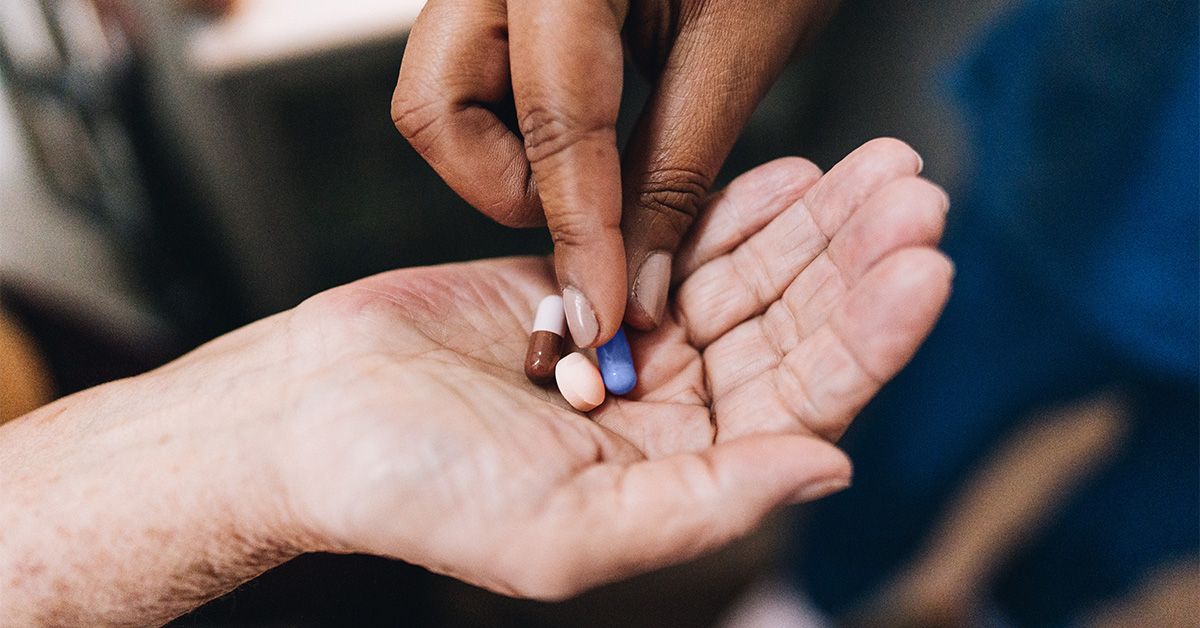
Doctors may prescribe medications that help increase bone density or reduce fracture risk. Bisphosphonates are commonly used in many pediatric OI care plans, though treatment decisions depend on the child’s age, severity, symptoms, and specialist guidance. Pain medicine, vitamin D evaluation, nutrition support, and monitoring for side effects may also be part of care.
Families should never start supplements or medications without medical advice. “Good for bones” does not automatically mean “right for this child.” Calcium, vitamin D, and other nutrients matter, but too much or too little can create problems. A pediatric specialist can help build a plan that fits the child instead of a social media trend wearing a lab coat.
Physical Therapy and Safe Movement
Physical therapy is often one of the most important parts of living with brittle bone disease. Stronger muscles can help support fragile bones, improve balance, and reduce injury risk. Therapy may include gentle strengthening, stretching, posture work, water-based exercise, breathing support, and training in safe transfers.
The word “exercise” can sound intimidating when bones break easily, but safe movement is not the enemy. Inactivity can lead to weaker muscles, reduced endurance, and greater dependence. The right movement plan helps children build confidence in their bodies. For Caleb, therapy starts with small goals: sitting taller, transferring with less help, reaching for toys, or practicing movements that make school easier. Every tiny milestone counts. In OI families, progress sometimes arrives wearing very small shoes.
School, Friends, and the Art of Being Included
School can be both exciting and complicated for a child with osteogenesis imperfecta. A classroom may need adaptive seating, extra space for mobility equipment, modified physical education, an emergency fracture plan, and staff training. Teachers may need to understand that a child with OI is not being dramatic when he says something hurts. At the same time, he should not be treated as if he is made of glass in every social situation.
Inclusion works best when adults plan ahead without making the child feel like a walking warning label. Caleb’s classmates learn that he may use a wheelchair during recovery, that they should avoid roughhousing near him, and that he can still be the official scoreboard manager, science fair partner, joke teller, and group project boss. Especially the boss. Children with medical complexity often develop leadership skills because they have spent years explaining things to adults.
Friendship matters. A child who feels included is more than medically safer; he is emotionally healthier. Invitations, accessible playdates, flexible activities, and honest conversations can help children with OI feel like part of the group. The goal is not pity. The goal is belonging.
Family Life With Brittle Bone Disease
Families affected by OI become experts in practical creativity. They learn which car seat works after surgery, how to pack a hospital bag quickly, how to protect limbs during clothing changes, and how to make medical explanations sound less scary. Some parents keep a folder of medical records ready for emergency visits. Others create school care plans, travel checklists, or home safety routines.
There may also be financial and emotional strain. Specialist appointments, adaptive equipment, missed workdays, insurance paperwork, and emergency care can weigh heavily. Siblings may need reassurance too. They may feel protective, confused, jealous of attention, or worried about hurting their brother during play. Family counseling, patient organizations, support groups, and social workers can help families carry the load together.
And yet, many families also describe unexpected joy. They celebrate a fracture-free month. They cheer for a successful transfer. They laugh at darkly funny hospital moments. They learn patience, advocacy, and perspective. They discover that normal is not a fixed address. Sometimes normal is a living room with foam mats, a calendar full of appointments, and a child in the middle of it all asking for pancakes shaped like dinosaurs.
Persistence Is Built One Day at a Time
Caleb’s persistence does not look like a movie montage with swelling music and a perfect ending. It looks like doing physical therapy when he would rather be watching cartoons. It looks like returning to class after a fracture. It looks like telling a friend, “Please don’t grab my arm,” without embarrassment. It looks like learning to ask for help without feeling helpless.
For children with brittle bone disease, independence may arrive differently. It may mean learning how to direct someone during a safe lift. It may mean choosing when to use a wheelchair before pain gets worse. It may mean speaking up at a doctor’s visit. It may mean telling adults, “I can do that part myself.” These moments are powerful because they give the child ownership of his life.
Parents also persist. They persist through fear, paperwork, sleep loss, and the emotional math of every decision. Is the activity worth the risk? Is the pain normal? Is the school prepared? Is this doctor listening? Caregivers of children with OI often become fierce advocates because they must. They learn that love is not only comfort; sometimes love is asking better questions, requesting another opinion, or insisting that their child deserves access, dignity, and joy.
What Others Can Learn From One Boy’s Story
One boy’s life with osteogenesis imperfecta offers a lesson that reaches far beyond one diagnosis. Fragility and strength can exist in the same person. A child can have bones that break easily and a spirit that refuses to be defined by brokenness. A family can feel afraid and still build a beautiful life. A school can make accommodations without lowering expectations. A community can learn that accessibility is not a favor; it is a doorway.
People often want to say children with rare diseases are “inspiring.” Sometimes they are. But children with OI do not exist to inspire everyone else before breakfast. They deserve practical support, good medical care, safe environments, friendships, education, and the freedom to have ordinary bad moods. The most respectful response is not just admiration. It is inclusion.
Experience Section: Lessons From Living Close to Brittle Bone Disease
Families who live with brittle bone disease often say the hardest part is not one single fracture. It is the constant awareness that life requires extra planning. A trip to the park means checking the surface under the swings. A birthday party means asking whether there will be trampolines, bounce houses, or enthusiastic cousins moving at the speed of weather events. A simple school field trip may involve transportation questions, medication plans, wheelchair access, and a backup strategy in case pain appears halfway through the day.
One practical experience many caregivers describe is learning to slow down without stopping life. In the beginning, fear may take over. Parents may feel tempted to cancel everything that carries risk. That response is understandable. When a child’s bones can fracture easily, the world suddenly looks full of table legs, slippery floors, and suspiciously dangerous stuffed animals. Over time, however, families often learn that safety is not the same as isolation. They work with doctors and therapists to understand which activities are safer, which should be modified, and which should be avoided.
Another common experience is becoming fluent in advocacy. Parents may need to explain OI to emergency room staff, school administrators, babysitters, relatives, coaches, and other parents. A short, calm explanation helps: “My child has osteogenesis imperfecta, a genetic bone condition. His bones fracture more easily. Please do not lift him under the arms. If he falls or reports sharp pain, call us immediately and follow the care plan.” Clear communication can prevent panic and protect the child.
Children also gain experience as self-advocates. A boy with OI may learn early to say, “I need space,” “That hurts,” “Please move my chair,” or “I can do it myself.” These statements are more than manners; they are life skills. They help children protect their bodies while building confidence. Adults can support this by listening the first time. When a child with brittle bone disease says something feels wrong, it is wise to take it seriously.
Daily life also teaches creativity. Clothes may need to be loose enough to slide over casts. Bedrooms may be arranged to reduce fall risks. Toys may be placed within easy reach during recovery. Families may choose low-impact fun like swimming, art projects, adaptive sports, music, board games, robotics clubs, cooking, photography, or storytelling. The point is not to create a smaller life. The point is to create a life with smarter doors.
Emotionally, families learn that hope is most useful when it is realistic. Hope does not mean pretending OI will disappear. It means believing that treatment can help, therapy can build strength, schools can adapt, friends can understand, and a child can grow into a meaningful future. Some days will be painful. Some plans will change. Some milestones will come later than expected. But later is not never.
For the child, persistence may become a quiet habit. He learns that a cast is not the end of fun, that a wheelchair can be a tool instead of a tragedy, and that asking for help does not erase independence. He learns that his body needs care, but his dreams still deserve room. He may not run the same race as everyone else, but he is still moving forward. And sometimes, with the right support, the boy everyone worried about becomes the one teaching others how to keep going.
Conclusion
One boy’s persistence through brittle bone disease is not about pretending osteogenesis imperfecta is easy. It is about seeing the whole child beyond the X-rays, casts, surgeries, and careful routines. OI can make bones fragile, but it does not cancel personality, intelligence, humor, ambition, or joy. With early diagnosis, specialized care, physical therapy, adaptive tools, family support, and inclusive communities, children with brittle bone disease can build lives filled with learning, friendship, courage, and possibility.
The most important message is simple: a child with OI is not defined by fractures. He is defined by the life he continues to build around them. Sometimes he builds it from a hospital bed. Sometimes from a classroom desk. Sometimes from a wheelchair decorated with stickers. And sometimes from the living room floor, laughing at a dinosaur joke that is honestly better than expected.
Note: This article is for educational and publishing purposes only. It is based on information synthesized from reputable U.S. medical and patient-support sources, including government health agencies, children’s hospitals, orthopedic references, and osteogenesis imperfecta organizations. It should not replace diagnosis, treatment, or personalized medical advice from qualified healthcare professionals.