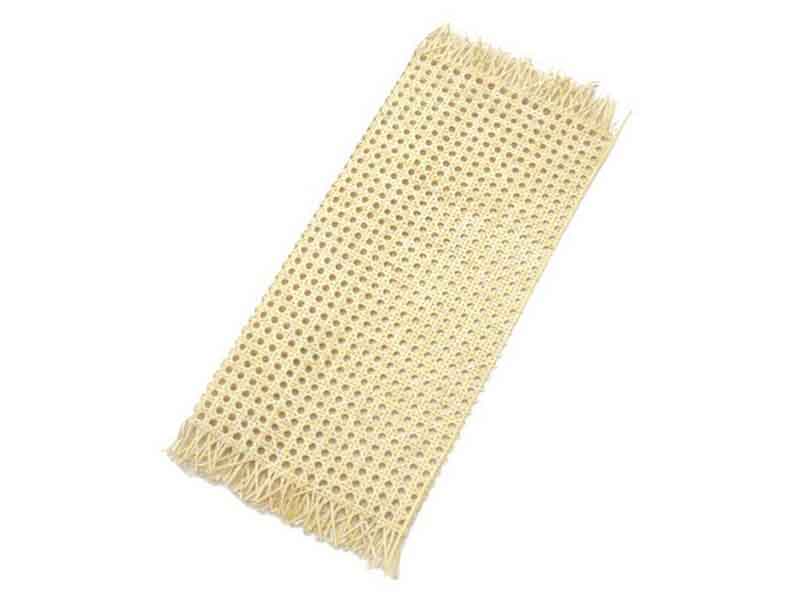
Cane webbing has a funny way of making furniture look expensive, airy, and slightly vacation-ready, even when the project started with a dusty chair from the garage and a questionable amount of confidence. The product known as Cane Webbing 1/2” Fine Open Mesh 18”X18” is a small but surprisingly versatile sheet of pre-woven natural cane, commonly used for chair repair, cabinet door inserts, decorative panels, craft projects, and furniture makeovers.
At first glance, it looks simple: a square piece of woven rattan with a classic open pattern. But that humble 18-inch by 18-inch sheet can rescue a sagging chair seat, refresh a thrift-store cabinet, or add texture to a DIY project that was previously suffering from what designers might politely call “flat personality.” The 1/2-inch fine open mesh pattern gives it that familiar vintage look without making the design feel heavy or old-fashioned.
This guide explains what cane webbing is, why this size is useful, how to choose the right project for it, how to install it, and how to keep it looking good. Whether you are restoring a family chair or dressing up a cabinet door, this material proves that sometimes the smallest details do the loudest decorating.
What Is Cane Webbing 1/2” Fine Open Mesh 18”X18”?
Cane webbing 1/2” fine open mesh 18”X18” refers to a pre-woven sheet of cane material made from rattan. The “1/2 inch” usually describes the mesh pattern spacing, while “fine open mesh” describes the traditional open weave design. The “18”X18”” measurement means the sheet is a square panel that works well for small repairs, craft use, chair inserts, cabinet panels, and decorative accents.
Unlike hand-caning, where individual strands are woven through holes around a chair frame, pre-woven cane webbing arrives already woven. That makes it far more approachable for DIY users. Instead of spending hours threading cane strand by strand, you trim the sheet, soak it if needed, fit it into place, and secure it with spline, glue, staples, or another method depending on the project.
The classic open mesh pattern is one of the most recognizable cane styles. It appears on vintage chairs, mid-century furniture, cabinet doors, radiator covers, headboards, room dividers, and modern home decor. It has enough openness to allow airflow and light to pass through, but enough structure to create a clean, decorative surface.
Why the 18”X18” Size Is So Practical
The 18-inch by 18-inch size is popular because it is large enough for many small-to-medium projects but not so large that you have to buy an entire roll. For a single chair seat, small cabinet panel, drawer insert, tray bottom, or decorative craft, this size can be just right.
Buying cane webbing by the roll makes sense for large restoration jobs, multiple cabinet doors, or production work. But for one project, a square sheet is more convenient. It reduces waste, stores easily, and feels less intimidating. Nobody wants to buy enough cane webbing to upholster a beach cabana when all they need is one chair seat.
This size also makes planning easier. You can measure the opening of your project, allow extra material around the edges, and determine whether one 18”X18” piece is enough. For installation into a groove, it is smart to leave extra webbing around the opening so the material can be pressed securely into place. For surface-mounted cabinet panels or craft accents, the cut can be more exact, depending on how the edges will be hidden.
Understanding the 1/2” Fine Open Mesh Pattern
The 1/2-inch fine open mesh pattern has a balanced look. It is open enough to feel light and breathable, but not so open that it looks sparse. This makes it especially useful for decorative furniture and visible panels.
Classic, But Not Stuffy
Fine open mesh cane has a timeless quality. It looks at home on antique chairs, but it also fits beautifully with modern interiors. Pair it with black painted wood and it looks chic. Pair it with oak or walnut and it feels warm and organic. Pair it with white cabinetry and it gives the room a soft coastal or cottage-style touch.
Functional Airflow
The open weave is not only decorative. It allows airflow, which is why cane webbing is commonly used on cabinet doors, radiator covers, speaker panels, and storage pieces. If you have a cabinet for electronics, linens, or pantry goods, cane adds ventilation while hiding visual clutter. Translation: your router can breathe, and your shelf can stop looking like a cable jungle.
Natural Texture
Because cane is made from natural rattan, each piece may have slight color variation. That is part of the charm. The surface often has a warm beige or honey tone that can darken slightly over time. The result is texture without visual chaos, which is why designers continue to use cane webbing in both traditional and contemporary spaces.
Best Uses for Cane Webbing 1/2” Fine Open Mesh 18”X18”
This size and pattern are especially useful for small projects where a natural woven accent adds warmth and character. Here are some of the best ways to use it.
Chair Seat Repair
One of the most common uses for cane webbing is repairing a pressed cane chair seat. Pressed cane chairs have a groove around the seat opening. The pre-woven cane is pressed into the groove and secured with reed spline and glue. If your chair has holes around the frame instead of a groove, it likely requires hand caning rather than sheet cane webbing.
Cabinet Door Inserts
Cane cabinet panels are extremely popular because they add texture while keeping doors light and breathable. A small 18”X18” sheet can work for a narrow cabinet door, a small nightstand door, or a decorative drawer front. It can be mounted behind a frame using staples, glue, trim, or retaining strips.
Decorative Trays and Frames
Cane webbing can be used inside picture frames, serving trays, memo boards, jewelry organizers, or wall art. It gives simple projects a crafted look without requiring complicated tools. Add a wooden frame, trim the edges neatly, and suddenly the project looks like something from a boutique shop with suspiciously high candle prices.
Headboards and Furniture Accents
For larger projects, multiple pieces or a roll may be needed, but an 18”X18” sheet can still be useful for small accent panels. It can be added to drawer fronts, side tables, small benches, or decorative boxes.
Room Decor and Craft Projects
Craft users love cane because it is flexible, lightweight, and visually rich. It can be used for lampshade accents, plant stands, handmade boxes, wall hangings, and custom home decor. The key is to secure the edges properly so the weave does not fray or loosen.
Natural Rattan Cane vs. Synthetic Webbing
Most traditional cane webbing is made from natural rattan peel. Rattan is a climbing palm known for strength, flexibility, and a smooth outer surface. Natural cane has a warm, organic look that synthetic materials often imitate but rarely duplicate perfectly.
Natural cane webbing is preferred for antique restoration, classic chair repair, and high-quality furniture projects. It can be soaked to make it flexible, and as it dries, it tightens. This tightening effect is helpful for chair seats and panels because it creates a cleaner, firmer surface.
Synthetic cane webbing may be useful for outdoor furniture or moisture-prone environments, but it usually has a different feel and appearance. For indoor chairs, cabinets, and decorative projects, natural cane remains the favorite choice because it offers authenticity, texture, and that unmistakable woven character.
How to Measure Before Buying Cane Webbing
Before buying 18”X18” cane webbing, measure your project carefully. Measure the visible opening first, then consider how the webbing will be attached.
For pressed cane chair seats, measure the opening inside the groove, then allow extra material on all sides. The extra webbing gives you enough material to press into the groove. If the sheet is exactly the same size as the opening, installation will become a tiny drama, and not the fun kind.
For cabinet door inserts, measure the back side of the frame where the cane will be mounted. If you are stapling or gluing it behind the frame, allow enough overlap for secure fastening. If you are placing it into a routed channel, measure the channel depth and width as well.
For craft projects, make a paper template first. A template lets you test the fit before cutting the cane. Since cane webbing is woven, cutting too close to the final edge can cause loose strands. Leave room for adjustment and plan to hide edges under trim, molding, spline, or frame pieces.
Tools and Supplies You May Need
The supplies depend on the project, but common tools include sharp scissors, a utility knife, a measuring tape, a pencil, a tub or tray for soaking, wood glue, reed spline, wedges, clamps, staples, or small brads. For chair repair, spline and a caning wedge are especially important. For cabinet panels, a staple gun or retaining strips may be more useful.
If you are restoring a chair, you may also need a chisel or screwdriver to remove old spline, sandpaper to clean the groove, and patience. Patience is not usually sold in hardware stores, but it should be.
How to Install Cane Webbing
Installation methods vary, but the basic process is straightforward when you plan carefully. Always test fit the material before final attachment.
Step 1: Prepare the Surface
Remove old cane, glue, staples, or spline. Clean the groove or frame so the new webbing sits flat. If the furniture needs sanding, painting, staining, or repairs, complete that work before installing the cane. Cane should usually be one of the final steps, not the first.
Step 2: Cut the Cane Webbing
Cut the sheet slightly larger than needed. For chair seats, leave enough margin to press into the groove. For cabinet panels, leave enough overlap for fastening behind the frame. Use sharp scissors and follow the weave pattern where possible for cleaner edges.
Step 3: Soak the Cane
Natural cane webbing is often soaked before installation so it becomes flexible and easier to work with. Soaking helps prevent cracking when the webbing bends into a groove or around a frame. Do not overdo it; the goal is flexibility, not turning your cane into a swamp creature.
Step 4: Position the Webbing
Place the cane over the opening and line up the pattern. This matters more than people think. A crooked weave can make an otherwise beautiful project look slightly dizzy. Take your time and center the pattern before fastening.
Step 5: Secure the Edges
For pressed cane chairs, press the webbing into the groove, add glue, and install reed spline to lock it in place. For cabinet doors, pull the webbing gently taut and secure it to the back of the frame with staples, glue, trim, or retaining strips. Avoid pulling too aggressively because natural cane can split.
Step 6: Let It Dry
As natural cane dries, it tightens. Allow the piece to dry fully before using it, trimming final edges, or placing weight on it. For a chair seat, wait until the cane is completely dry before sitting. Your patience will be rewarded with a cleaner, tighter finish.
Common Mistakes to Avoid
The first mistake is cutting the cane too small. Always allow extra material. You can trim excess later, but you cannot magically stretch a short piece unless you have access to furniture sorcery.
The second mistake is ignoring the direction of the weave. Cane webbing has a visual rhythm. Align it with the frame so the pattern looks intentional. This is especially important for cabinet doors and decorative panels.
The third mistake is using too much water after installation. Natural rattan can handle some moisture during installation and cleaning, but long-term excess moisture can weaken fibers, encourage mold, or cause warping. Keep cane furniture indoors or protected from wet conditions.
The fourth mistake is skipping edge support. Cane webbing needs secure edges. If the edges are loose, the panel may sag, fray, or pull away over time. Use spline, trim, staples, or frame pressure depending on the project.
How to Care for Cane Webbing
Cane webbing is not difficult to maintain, but it does appreciate gentle treatment. Dust it regularly with a soft cloth or soft brush. For deeper cleaning, use a slightly damp cloth with mild soap, then wipe away residue and let the piece dry thoroughly.
Avoid soaking finished cane furniture. Also avoid placing it directly beside heat vents, radiators, or harsh sunlight for long periods. Excessive dryness can make natural fibers brittle, while too much moisture can cause swelling or mildew. In other words, cane likes the same environment many people do: comfortable, balanced, and not aggressively dramatic.
For chair seats, avoid standing on the cane or placing heavy concentrated weight in one spot. Cane is strong for normal seating when properly installed, but it is still a woven natural material. Treat it with respect and it can last for years.
Design Ideas for Cane Webbing Projects
Cane webbing works with many interior styles. In a modern space, it softens hard lines and adds warmth. In a farmhouse room, it brings texture without feeling too rustic. In a coastal design, it pairs beautifully with white paint, light wood, linen, and woven baskets. In mid-century interiors, it feels right at home with tapered legs, walnut tones, and clean silhouettes.
For a simple project, add cane to a small cabinet door and paint the frame matte black or warm white. For a vintage look, use it on a chair with a natural wood finish. For a playful craft, place cane webbing inside a frame and use small hooks to turn it into an earring organizer. The open mesh makes it perfect for hanging lightweight items.
If you are using an 18”X18” piece, think small and smart. A single sheet can transform a drawer front, a tray, a wall panel, or a small chair back. The trick is to let the cane be visible enough to matter. Do not hide all that texture in a place where nobody will see it.
Is Cane Webbing 1/2” Fine Open Mesh Worth Buying?
Yes, especially if you want a natural, classic, and flexible material for small furniture or decor projects. The 18”X18” size is convenient, the 1/2-inch open mesh pattern is attractive, and the material can be used in both repair and design work.
It is especially worth buying if your project has a defined opening smaller than the sheet size, if you are repairing a pressed cane chair, or if you want to add a woven accent without committing to a large roll. It is also a good choice for beginners because small sheets are easier to manage than long rolls.
The main thing is to match the material to the project. If you need to support body weight, install it correctly with proper spline or frame support. If you are using it decoratively, focus on clean edges and pattern alignment. When installed well, cane webbing looks polished, intentional, and far more expensive than it usually is.
Real-World Experience: Working With Cane Webbing 1/2” Fine Open Mesh 18”X18”
One of the first things people notice when working with cane webbing 1/2” fine open mesh 18”X18” is that it feels more delicate in the hand than it looks in photos. The weave is flexible, lightweight, and slightly springy. That can make beginners nervous, especially when the project involves cutting into a perfectly good sheet. The best advice is simple: measure twice, cut slowly, and do not rush the soaking and fitting process.
On small cabinet projects, this size is wonderfully manageable. A large roll can flop around the workbench like an untrained carpet, but an 18-inch square is easy to position and test. When mounting it behind a cabinet frame, the most satisfying moment is seeing the flat door suddenly gain texture and depth. A plain cabinet can go from “storage box” to “designer accent piece” in an afternoon. That is a pretty good return for a sheet of woven rattan and a few careful cuts.
For chair repair, the experience is more hands-on. Removing old spline can be the most stubborn part. Sometimes the old glue releases easily; other times it behaves like it signed a lifetime lease. A narrow chisel, steady pressure, and patience make a huge difference. Once the groove is clean, the new cane fits much better. Skipping this step can cause uneven installation, so it is worth doing properly.
Soaking the cane is another step where experience teaches restraint. Dry cane can crack or resist bending, while overly soaked cane can become too limp and harder to control. The ideal point is when the webbing bends smoothly but still holds its structure. Once it is pressed into place and secured, drying does much of the magic. The cane tightens, the surface looks cleaner, and the project starts to feel finished.
Pattern alignment is also more important than beginners expect. Because fine open mesh has a repeating geometric design, even a slight angle can be noticeable on a square frame. Before fastening anything permanently, step back and look at the piece from the front. This tiny habit can prevent the dreaded “why does this look crooked?” moment after the glue has already dried.
Another practical lesson: protect the edges. Cane webbing is strongest when framed, splined, or covered by trim. Exposed cut edges can fray over time, especially on objects that are handled often. For decorative trays, drawer fronts, and panels, thin wood trim can make the project look finished while also protecting the weave.
In daily use, cane brings warmth without making furniture feel bulky. A small cane insert can break up heavy wood, brighten dark furniture, and add an organic detail that works with many styles. It is also forgiving visually. Minor natural color variation usually looks charming rather than flawed. That is one of the pleasures of using real cane: it does not look plastic-perfect, and that is exactly the point.
The biggest takeaway from working with this material is that cane webbing rewards careful preparation. It is not difficult, but it does not love shortcuts. Clean the frame, cut with extra margin, soak appropriately, align the pattern, secure the edges, and let it dry fully. Do those things, and an 18”X18” sheet can make a small project look handcrafted, stylish, and surprisingly professional.
Conclusion
Cane Webbing 1/2” Fine Open Mesh 18”X18” is a compact, versatile, and beautiful material for furniture repair, cabinet upgrades, and DIY decor. Its classic open mesh pattern delivers texture, airflow, and timeless style, while the 18-inch square size makes it practical for small projects. Whether you are restoring a chair, updating a cabinet, or experimenting with woven home accents, this material offers an affordable way to add natural character.
The key to success is preparation. Measure carefully, leave extra material, soak natural cane when needed, align the pattern, and secure the edges properly. With a little patience, this modest sheet of cane webbing can turn an ordinary project into something that looks custom, warm, and full of personality.