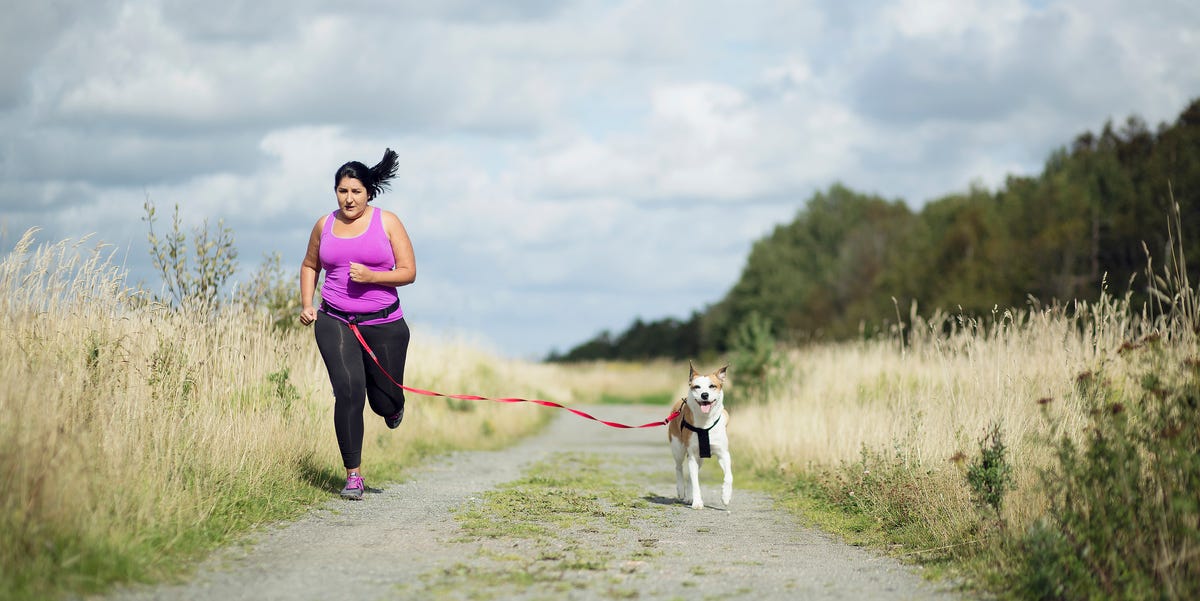
Running with your dog sounds simple: you lace up, your dog sees the leash, everyone becomes a tiny thunderstorm of enthusiasm, and off you go. Then reality arrives. Your dog spots a squirrel, your arm becomes spaghetti, your pace chart looks like modern art, and the neighbor’s recycling bin becomes an emergency sniff checkpoint.
That is exactly why choosing the best dog running leash matters. A regular leash can work for a quick jog, but a true running leash is built for motion, rhythm, control, visibility, and sudden “I must chase that leaf immediately” moments. The best dog running leashes of 2024 are usually hands-free, shock-absorbing, adjustable, reflective, and comfortable enough that you do not spend three miles negotiating with a nylon strap.
This guide reviews seven excellent options for different runners and different dogs: trail runners, city joggers, large-dog owners, two-dog households, budget shoppers, and anyone who simply wants to stop holding a leash like it is a live electrical cable. The goal is not to crown one magic leash for every dog on Earth. Dogs are weird, wonderful, and built like everything from baguettes to linebackers. Instead, this article helps you match the right leash to your running style, your dog’s behavior, and your comfort level.
How We Chose the Best Dog Running Leashes
To build this list, we focused on real features that matter during a run, not shiny marketing words that sound like they were invented during a coffee shortage. A good running leash should offer a secure connection, enough give to soften sudden pulls, and enough control to keep your dog close when traffic, cyclists, other dogs, or snack-shaped sidewalk mysteries appear.
Key factors included hands-free design, bungee performance, durability, leash length, adjustability, traffic handles, reflective details, clip quality, comfort around the waist or hand, and overall value. We also considered whether each leash works better for relaxed joggers, serious runners, trail users, large breeds, or dogs still polishing their manners.
One important safety note before the rankings: a running leash is not a substitute for training. Your dog should understand basic loose-leash walking before you start running together. A harness is usually a better choice than clipping a running leash to a collar, especially for dogs that lunge, pull, or make dramatic career changes toward squirrels. Think of the leash as your connection, the harness as your safety system, and training as the thing that keeps both of you upright.
1. Ruffwear Roamer Bungee Dog Leash Best Overall for Trail Runners
The Ruffwear Roamer is one of the most trusted running leashes for active dog owners, and it earns its reputation by being practical without feeling overbuilt. It can be used as a hand-held leash or worn around the waist for hands-free running. Its stretch webbing helps absorb sudden movement, which is useful when your dog accelerates because a leaf had the audacity to move.
The Roamer works especially well for trail runs, hikes, camping trips, and longer outdoor adventures. It gives your dog some freedom while keeping the connection secure and controlled. The waist-worn design is comfortable for steady pacing, and the bungee section smooths out quick changes in speed. For dogs that run slightly ahead or beside you without yanking like a furry tow truck, this leash feels natural.
Best for:
Trail runners, hikers, medium-to-large dogs, and owners who want a premium leash for outdoor use.
What we like:
The Ruffwear Roamer is versatile, durable, comfortable, and designed for real movement. It is not the cheapest leash on the list, but it feels like gear made by people who have actually jogged with a dog that believes mud is a personality trait.
Possible drawback:
The stretch can feel a little too generous for crowded sidewalks or dogs that need close control. If your dog is still learning not to pull, start with shorter runs in low-distraction areas.
2. Tuff Mutt Hands-Free Bungee Leash Best for Everyday Running Control
The Tuff Mutt Hands-Free Bungee Leash is a favorite among runners because it balances freedom and control very well. It includes a waist belt, a bungee leash, reflective stitching, and two control handles. The standout feature is the sliding belt clip, which allows your dog to move from one side to the other without wrapping the leash around you like a low-budget magic trick.
This leash is especially useful for city runners, park joggers, and people whose dogs switch sides to investigate smells, shadows, or invisible dog news. The lead offers enough stretch to absorb mild pulling but stays short enough that your dog does not drift into another zip code.
Best for:
Daily jogs, urban running, medium and large dogs, and owners who want quick-grab control handles.
What we like:
The dual handles make a big difference. When you approach a crosswalk, another dog, a stroller, or a suspicious sandwich wrapper, you can quickly bring your dog closer. The reflective stitching also helps with early morning and evening runs.
Possible drawback:
Dogs that need a lot of roaming space may find it slightly restrictive. For most runners, though, that is the point: control beats chaos.
3. Kurgo Quantum Leash 2.0 Best Multi-Use Running Leash
The Kurgo Quantum Leash 2.0 is the Swiss Army knife of dog leashes, minus the tiny scissors nobody understands. It can be used in multiple configurations: standard six-foot leash, shorter training leash, waist leash, over-the-shoulder leash, tether, or double-dog walker. That makes it ideal for people who want one leash for running, walking, training, travel, and everyday errands.
The adjustable ladder-style design makes it easy to change length and configuration. Reflective trim improves visibility, and the sturdy webbing feels ready for regular use. If you run sometimes, walk often, hike occasionally, and generally refuse to own seven different leashes for seven different moods, the Kurgo Quantum makes a lot of sense.
Best for:
Owners who want versatility, large dogs, travel, training, and mixed walking-running routines.
What we like:
Its biggest strength is flexibility. You can use it around the waist for a jog, shorten it for crowded areas, or switch to over-the-shoulder mode when you want hands-free control without a waist belt.
Possible drawback:
Because it is so configurable, it can feel slightly bulkier than a minimalist running leash. If you want featherweight simplicity, the Stunt Puppy may suit you better.
4. Stunt Puppy Stunt Runner Best Lightweight Running Leash
The Stunt Puppy Stunt Runner is built for runners who want a leash that does its job without acting like expedition equipment. It is lightweight, hands-free, adjustable, and designed for roads, tracks, trails, and sidewalks. The leash can be lengthened for single-file trail running or shortened for side-by-side urban running.
This is a great pick for runners who dislike bulky waist belts and dangling hardware. It keeps the setup simple: dog, runner, leash, motion. That is all. No unnecessary pockets, gadgets, mystery loops, or accessories that make you feel like you are preparing for a moon landing.
Best for:
Minimalist runners, well-trained dogs, shorter daily runs, and people who value a clean, lightweight design.
What we like:
The Stunt Runner is comfortable and easy to use. It feels especially good with dogs that already run politely and do not need constant close-range management.
Possible drawback:
It is best for dogs that do not pull heavily. If your dog turns into a sled team when excited, choose a leash with stronger control handles and more shock absorption.
5. Mighty Paw Hands-Free Bungee Leash 2.0 Best Value Pick
The Mighty Paw Hands-Free Bungee Leash 2.0 is a strong option for runners who want hands-free convenience without spending premium gear money. It includes an adjustable waist belt, a weather-resistant bungee section, reflective stitching, and a rotating attachment point to help reduce tangles.
Its bungee design helps absorb force when your dog changes pace, and the waist belt keeps your arms free for natural running form. That matters more than people think. Holding a leash in one hand for several miles can twist your posture, shorten your arm swing, and make you feel like your entire run is being choreographed by your dog’s nose.
Best for:
Budget-conscious runners, casual joggers, daily walks, and dogs with moderate pulling habits.
What we like:
The value is excellent. It offers many of the features runners wantbungee shock absorption, reflective details, waist-worn comfort, and a simple designwithout getting too complicated.
Possible drawback:
The belt and leash may not feel as refined as premium models. For casual runners, that may not matter. For serious daily mileage, you may eventually want a higher-end leash.
6. Non-stop Dogwear Touring Bungee Adjustable Best for Technical Trails
The Non-stop Dogwear Touring Bungee Adjustable is a serious leash for people who run, hike, bike, ski, or explore with dogs in more demanding environments. It has an elastic section to soften sudden pulls, an adjustable design, reflective details, and a traffic handle near the dog for extra control when passing people, dogs, or tricky trail sections.
This leash feels more technical than many standard hands-free running leashes. It is a great match for active owners who want a strong, performance-minded connection for mixed terrain. The bungee is helpful on uneven trails where you and your dog may not step at exactly the same rhythm. In other words, it forgives everyone’s awkward footwork.
Best for:
Trail runners, adventure dog owners, hiking, canicross-style activities, and dogs with decent leash manners.
What we like:
The combination of bungee comfort and close-control handle makes it useful in real outdoor situations. It is not just for jogging around the block; it is built for bigger days outside.
Possible drawback:
It may be more leash than a casual neighborhood runner needs. If your route is mostly sidewalks and coffee stops, a simpler model may be easier.
7. SparklyPets Hands-Free Double Dog Leash Best for Running With Two Dogs
Running with one dog can be athletic. Running with two dogs can feel like managing a furry committee with conflicting agendas. The SparklyPets Hands-Free Double Dog Leash is designed for owners who want to walk or jog with two medium-to-large dogs while keeping their hands free. Its bungee sections help absorb pulling, while the waist support adds comfort when both dogs decide they are very interested in the same smell.
This leash is not for everyone. Running with two dogs requires training, patience, and dogs that can move together without turning your route into a braided leash sculpture. But for the right pair, a double-dog running leash can make outings smoother and more balanced.
Best for:
Two-dog households, medium-to-large dogs, experienced handlers, and owners who need shock absorption and waist support.
What we like:
The padded support and dual-dog design help manage the extra force that comes with two dogs. It is a practical choice for people whose dogs already understand basic leash manners and can run as a team.
Possible drawback:
This is not the leash to use for two untrained pullers. If both dogs think “mush” is a personal motto, work on walking skills before attempting a run.
What to Look for in a Dog Running Leash
Hands-Free Design
A hands-free dog leash lets you run with a more natural arm swing. This can improve comfort and balance, especially on longer runs. Waist-worn leashes are popular, while crossbody leashes can feel better for some runners. Choose the style that keeps the leash stable without digging, bouncing, or sliding around.
Bungee Shock Absorption
A bungee section softens sudden pulls and pace changes. This is useful when your dog slows down to sniff, speeds up toward a bird, or suddenly remembers that running is optional. However, too much stretch can reduce control, so stronger dogs may need a leash with traffic handles or shorter adjustment options.
Traffic Handles
Traffic handles are short grab handles placed closer to the dog. They are extremely useful near roads, intersections, other dogs, children, cyclists, or crowded paths. If you run in a city, a traffic handle is not a luxury. It is sanity stitched into nylon.
Reflective Details
Many runners head out early in the morning or after sunset. Reflective stitching, bright colors, or LED accessories improve visibility. Your dog may believe they are already the star of the neighborhood, but cars and cyclists still need help seeing both of you.
Secure Hardware
Look for strong clips, locking carabiners, durable stitching, and sturdy webbing. A running leash handles more dynamic force than a casual walking leash, especially with medium and large dogs.
Good Fit With a Harness
For running, a well-fitted harness is usually safer and more comfortable than attaching the leash to a collar. A harness distributes pressure across the body and reduces strain on the neck if your dog pulls or changes direction suddenly.
Quick Comparison: Which Leash Should You Buy?
Choose the Ruffwear Roamer if you want a premium running leash for trails and outdoor adventures. Choose the Tuff Mutt if you want everyday control, dual handles, and a smart sliding belt clip. Choose the Kurgo Quantum if you want one leash that can do almost everything. Choose the Stunt Puppy Stunt Runner if you want lightweight simplicity. Choose Mighty Paw if you want strong value. Choose Non-stop Dogwear if you run technical trails or want a more performance-focused leash. Choose SparklyPets if you run with two dogs and have the training to make that realistic instead of sitcom material.
Running With Your Dog: Practical Safety Tips
Start slowly, even if your dog looks like they were born ready for the Olympics. Dogs need conditioning just like people do. Begin with short run-walk sessions and increase distance gradually. Watch your dog’s breathing, gait, enthusiasm, and recovery. A dog who starts dragging behind, panting heavily, or acting confused needs a break immediately.
Check the temperature before you run. Hot pavement can burn paw pads, and high humidity makes it harder for dogs to cool themselves. Early morning and evening are usually better in warm weather. Bring water for longer runs, avoid intense heat, and remember that some breeds are not built for distance running.
Also, be honest about your dog’s leash skills. A hands-free leash is wonderful with a trained dog and risky with a dog that lunges hard. If your dog pulls constantly, practice loose-leash walking before adding speed. Running magnifies habits. Good habits become smoother; bad habits become cardio-powered chaos.
Extra Experience: What It Is Really Like Using Dog Running Leashes
The first thing most people notice when switching from a regular leash to a running leash is freedom. Your hands are free, your shoulders relax, and your stride feels more natural. Instead of holding the leash like you are trying to reel in a small furry marlin, you can move your arms normally and focus on pace, breathing, and not stepping directly into whatever your dog just investigated.
In real life, the best dog running leash is the one that matches your dog’s personality. A calm, steady Labrador may do beautifully with a waist-worn bungee leash. A young herding dog may need a shorter leash with a traffic handle because every cyclist is apparently a sheep with wheels. A small dog that runs beside you politely may not need a heavy-duty system at all. A large dog with enthusiasm, however, can make cheap hardware feel very cheap very quickly.
One of the biggest benefits of a bungee leash is comfort. When your dog changes speed, the leash gives slightly instead of transferring every tug directly into your hip, wrist, or shoulder. That matters during longer runs. A sudden stop at mile one is annoying. A sudden stop at mile five, when your legs are already negotiating with your brain, feels personal.
Traffic handles are another feature that becomes more valuable the more you run. On quiet trails, you may barely use them. In neighborhoods, they are essential. When passing another dog, crossing a street, or moving around people, a close-control handle lets you shorten the connection instantly. It is much faster than trying to gather loose leash in your hands while your dog performs interpretive dance.
Waist belts take a little adjustment. Some runners prefer the belt low on the hips; others like it higher around the waist. The right fit should feel secure but not restrictive. If the belt slides, bounces, or rotates too much, the run can become irritating. That is one reason sliding clips and rotating D-rings are helpful: they allow the leash angle to shift as your dog moves instead of twisting the whole belt.
For trail running, a slightly longer bungee leash can be useful because dogs may need more room to navigate rocks, roots, mud, or narrow paths. For city running, shorter is usually better. You want your dog close enough to avoid pedestrians, bikes, cars, and surprise pizza crusts. Every route has its own leash personality.
Two-dog running is a separate sport. It can be fantastic when both dogs are trained, similar in pace, and comfortable running together. It can also become a dramatic documentary about poor decision-making. If you plan to run with two dogs, practice walking first, then short jogs, then longer runs. The double leash should help organize the dogs, not replace training.
Another practical lesson: reflective details are not optional if you run in low light. Even if you wear bright clothing, your dog is lower to the ground and may be harder for drivers or cyclists to see. Reflective stitching, lights, or high-visibility gear can make the whole team safer.
Finally, remember that running should be fun for your dog. The leash is just equipment. The real goal is building a routine where your dog is happy, safe, comfortable, and mentally engaged. Some days your dog will run like a champion. Some days they will stop to smell one bush for so long you question the meaning of time. Both days count.
Conclusion
The best dog running leashes of 2024 make running with your dog safer, smoother, and far less likely to end in a sidewalk tango. For most active owners, the Ruffwear Roamer, Tuff Mutt Hands-Free Bungee Leash, and Kurgo Quantum Leash 2.0 are standout choices because they combine comfort, control, and durability. Minimalist runners may prefer the Stunt Puppy Stunt Runner, while budget shoppers should look closely at Mighty Paw. Trail-focused owners may appreciate the Non-stop Dogwear Touring Bungee Adjustable, and two-dog households may find SparklyPets useful when both dogs are ready for teamwork.
Whatever leash you choose, pair it with a well-fitted harness, build your dog’s running fitness gradually, avoid extreme heat, and train loose-leash skills before speed. A good leash will not turn every dog into a perfect running partner overnight, but it can make the miles more comfortable, more controlled, and much more fun. And really, that is the dream: you, your dog, a good route, and fewer emergency squirrel incidents.
Note: This article is written as original, publish-ready web content based on current product information and safety guidance. Remove this note before publishing if your CMS does not require editorial notes.