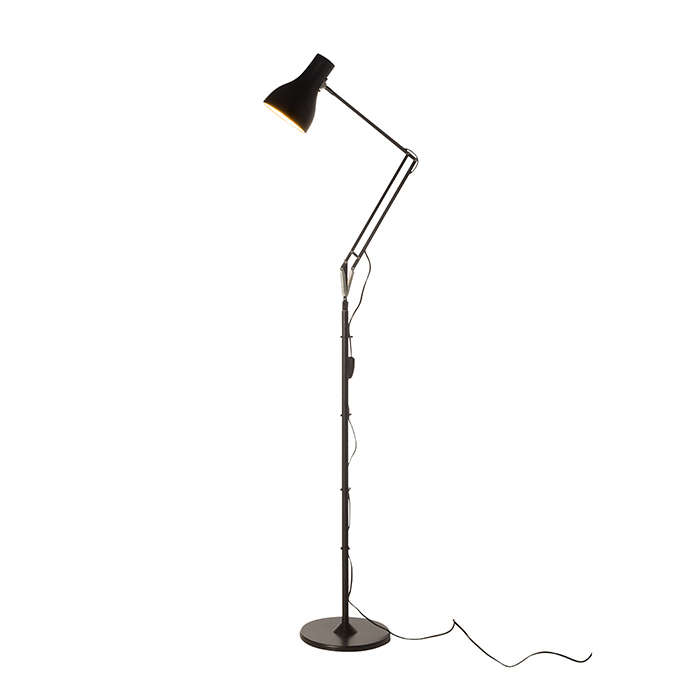
The Type 75 Floor Light Anglepoise is what happens when a task lamp grows up, stands tall, and still remembers how to behave at a desk. It is slim, adjustable, unmistakably British, and practical enough to make your reading chair feel like it has finally hired a personal assistant.
Designed by Sir Kenneth Grange for Anglepoise, the Type 75 floor lamp carries the brand’s famous balanced-arm DNA into a modern floor-standing format. It is not the kind of lamp that simply loiters in a corner looking decorative. It moves, pivots, leans, focuses, and quietly does its job without requiring a user manual the size of a small novel.
For homeowners, apartment dwellers, designers, and work-from-home warriors, the Anglepoise Type 75 floor light offers a rare mix of heritage and everyday usefulness. It has the visual confidence of a design icon, but it also solves the extremely human problem of needing light exactly where your book, laptop, sketchpad, knitting project, or midnight snack happens to be.
What Is the Type 75 Floor Light by Anglepoise?
The Type 75 Floor Light is an adjustable task floor lamp from Anglepoise, a brand known for pioneering balanced-arm lighting. The lamp is part of the Type 75 collection, a modernist range associated with Sir Kenneth Grange, one of Britain’s most influential industrial designers. It reinterprets the classic Anglepoise idea for contemporary interiors: clean lines, a flexible arm, a focused shade, and a sturdy base that keeps the lamp grounded even when the arm is reaching out like it just spotted a good idea across the room.
In practical terms, it is a floor lamp built for directional lighting. Instead of washing a whole room with vague brightness, it gives you a focused pool of light. That makes it especially useful beside a sofa, next to an armchair, near a bed, behind a desk, or in a reading nook where overhead lighting feels about as cozy as a dentist’s office.
A Short History of Anglepoise: Springs, Balance, and Good Ideas
Anglepoise began with engineering rather than decoration. In the early 1930s, automotive engineer George Carwardine developed a spring, crank, and lever mechanism that allowed a lamp to be positioned easily and stay in place. That concept became the foundation of the Anglepoise lamp, one of the most recognizable forms in modern lighting.
The genius of Anglepoise was never just that the lamp moved. Many things move. A shopping cart with one bad wheel also moves, but nobody invites it into the living room. The real achievement was balance: a light that could be adjusted with a light touch and remain steady without constant fiddling.
Over time, the Anglepoise lamp became a symbol of functional design. It appeared in offices, studios, homes, and creative workspaces because it solved a daily problem elegantly. The Type 75 Floor Light continues that story with a taller, floor-standing version suited to modern rooms and modern habits.
Who Designed the Type 75 Floor Lamp?
The Type 75 is associated with Sir Kenneth Grange, a legendary industrial designer whose work shaped everyday objects across Britain and beyond. Grange was known for designs that felt clean, useful, and quietly intelligent rather than flashy for the sake of applause. His career included everything from household products to transport design, and he served as Anglepoise design director for many years.
With the Type 75, Grange did not try to bury the classic Anglepoise identity under trend-driven decoration. Instead, he refined it. The result is a lamp with a crisp shade, balanced proportions, visible springs, and a form that feels both familiar and fresh. It looks like it belongs in a design studio, but it is friendly enough for a family living room. That is a difficult trick. Most objects either shout “museum piece” or “clearance aisle.” The Type 75 politely avoids both.
Key Design Features of the Type 75 Floor Light Anglepoise
Adjustable Balanced Arm
The adjustable arm is the heart of the lamp. It lets users direct light toward a book, keyboard, side table, craft project, or workspace. This makes the Type 75 floor lamp more useful than many decorative floor lights, which often provide atmosphere but not much help when you are trying to read the fine print on a recipe card.
Focused Aluminum Shade
The shade is designed to direct light downward and outward. This focused beam is one of the main reasons people choose an Anglepoise task floor lamp. It minimizes wasted light and helps create a comfortable zone of brightness without turning the whole room into a stadium.
Durable Materials
The Type 75 Floor Light typically uses aluminum for the shade and arms, with a cast iron base and plated steel fittings. The result is a lamp that feels light in the areas that need to move and solid where stability matters. That balance of materials is not accidental; it is a large part of why the lamp can be adjusted smoothly while remaining secure.
Modernist Simplicity
The design language is simple: no curly ornament, no unnecessary drama, no decorative tassels pretending to be useful. Its modernist appeal comes from proportion, movement, and purpose. The lamp looks good because it knows exactly what it is doing.
Specifications and Practical Details
Exact specifications can vary slightly by market and retailer, but the Type 75 floor lamp is generally listed with a height around 138 cm, a width around 43 cm, and a base diameter near 25 cm. The product weight is approximately 5.5 kg, or a little over 11 pounds. It uses a long power cable, often around 2.5 meters or 98 inches, which is helpful because wall outlets are rarely located where civilized people actually need them.
Many U.S. product listings describe the lamp with an E26 lamp holder and a compatible LED bulb. Warm light around 2700K is commonly recommended because it gives a comfortable reading glow rather than the cold blue-white glare of a supermarket freezer aisle. Some retailers note that bulb weight matters for balance, which is important. With balanced-arm lamps, the bulb is not just a source of light; it is part of the physics party.
The switch may be integrated into the shade or placed inline depending on the market version and listing. Buyers should always check the exact U.S. product page before purchasing, especially for plug type, voltage, bulb inclusion, and warranty details.
Why the Type 75 Floor Lamp Works So Well in Real Rooms
The Anglepoise Type 75 floor light succeeds because it understands real homes. Not everyone has a giant open loft with perfect daylight and one mysterious chair in the middle of the room. Most people have sofas, side tables, charging cables, books, pets, coffee mugs, and at least one corner that has never recovered from poor lighting decisions.
Because the Type 75 is narrow and adjustable, it can slide into spaces where bulkier floor lamps feel awkward. Place it beside a reading chair, and the arm can reach over your shoulder. Put it near a desk, and it can function almost like a desk lamp without consuming desk surface. Use it next to a bed, and it can replace a bedside lamp when nightstand space is limited.
It also adds visual structure. A standard fabric-shade floor lamp often becomes background furniture. The Type 75, with its articulated arm and visible mechanics, becomes a subtle focal point. It says, “Someone here has opinions about design,” but it says it in a calm voice.
Best Places to Use the Anglepoise Type 75 Floor Light
Reading Corners
This is the Type 75’s natural habitat. Pair it with a comfortable chair, a small table, and a warm LED bulb, and you have a reading area that feels intentional rather than improvised. The adjustable arm lets you place light directly on the page, which helps reduce eye strain and makes evening reading more enjoyable.
Home Offices
For a home office, the Type 75 floor lamp can provide task lighting without stealing valuable desk space. This is especially useful for compact apartments or multipurpose rooms where the desk is already hosting a laptop, notebook, coffee cup, phone, and one pen that somehow belongs to a hotel you visited six years ago.
Bedrooms
In a bedroom, the Type 75 can work beside a bed or near a lounge chair. Its directional shade makes it easier to read without flooding the entire room with light. That matters if one person wants to finish a chapter while the other person is trying to sleep and not silently judge the brightness level.
Living Rooms
In a living room, the lamp brings personality and precision. It can illuminate a sofa corner, highlight a side table, or provide a practical light source for hobbies. Its slim frame also works well with modern, industrial, Scandinavian, mid-century, and eclectic interiors.
Creative Studios
Artists, architects, designers, and makers often appreciate task lighting because it supports detailed work. The Type 75 offers a focused beam and flexible positioning, making it useful for sketching, model-making, editing, or reviewing materials.
Style Guide: Which Interior Looks Best With It?
The Type 75 Floor Light Anglepoise is surprisingly adaptable. In a minimalist room, it reinforces the clean lines. In a mid-century modern space, it adds technical charm. In an industrial loft, it feels completely at home among metal, wood, and exposed brick. In a traditional room, it can create contrast and keep the space from looking too formal.
Color choice matters. Jet black feels sharp, graphic, and architectural. Alpine white is cleaner and quieter, great for bright interiors. Slate gray gives a softer industrial look. Silver or brushed aluminum finishes highlight the lamp’s engineering character. Bold or special-edition colors can turn the lamp into a statement piece, especially in rooms that need a little visual caffeine.
How to Choose the Right Bulb
A good bulb makes a big difference. For reading and relaxing, a warm white LED around 2700K is usually the safest choice. It feels comfortable in the evening and pairs well with the lamp’s focused shade. For workspaces where color accuracy matters, shoppers may want to look for a higher CRI bulb, which helps colors appear more natural.
Because Anglepoise lamps rely on balance, bulb weight can matter. Choose a bulb that fits the recommended wattage, base, shape, and weight guidance for the specific version you purchase. This is one of those small details that sounds fussy until your lamp arm slowly droops like it just read disappointing news.
Type 75 Floor Light vs. Regular Floor Lamps
A regular floor lamp usually provides ambient light. It brightens a general area and contributes to mood. That is useful, but not always enough. The Type 75 is more specific. It is a task floor lamp, meaning it is designed to put light where you need it.
If you want a soft glow for the entire room, a shaded floor lamp or globe lamp may be better. If you want to read, work, draw, sew, or focus light on a particular spot, the Anglepoise Type 75 floor lamp is much more capable. Think of it as the difference between a dinner guest who makes pleasant conversation and a friend who shows up with tools and fixes the squeaky cabinet.
Is the Anglepoise Type 75 Floor Lamp Worth It?
For buyers who only need a basic lamp, the Type 75 may feel like more design than necessary. There are cheaper floor lamps, and many of them will successfully prevent you from walking into furniture at night. But for people who care about adjustability, build quality, design heritage, and long-term usability, the Type 75 makes a strong case.
Its value lies in the combination of engineering and aesthetics. It is useful every day, but it also contributes to the look of a room. It does not depend on short-lived trends. The silhouette has enough history to feel established and enough restraint to stay relevant.
Care and Maintenance
Maintenance is simple. Clean the lamp with a soft, dry cloth and avoid abrasive cleaners that could damage the finish. Check the joints and springs occasionally, especially if the lamp is moved often. Use the recommended bulb type and avoid exceeding maximum wattage. Treat the lamp like a well-made tool, not a coat rack for scarves, headphones, or the emotional weight of unfinished projects.
Because the base is sturdy and the arm is adjustable, move the lamp with both hands when relocating it. Do not drag it by the arm. That is rude to the lamp and potentially unkind to your floor.
Buying Tips for U.S. Shoppers
When shopping for the Anglepoise Type 75 floor light in the United States, check for the correct plug type, voltage compatibility, return policy, warranty, and whether the bulb is included. Look closely at the color name and finish, because product photos can vary by screen brightness. A lamp that looks soft gray on your laptop may look more industrial in person.
Also compare listings from authorized design retailers. Some may include assembly notes, warranty information, or shipping details that affect the final buying decision. Since this is a design product, packaging and customer support matter. A lamp with moving parts deserves to arrive safely, not with the box looking like it fought a lawn mower.
Experience Notes: Living With the Type 75 Floor Light Anglepoise
Using the Type 75 Floor Light Anglepoise feels different from using a normal floor lamp because you interact with it more often. A standard lamp is usually switched on and forgotten. The Type 75 invites small adjustments. You pull the shade closer when reading. You push it back when the room needs breathing space. You angle it toward a notebook, then toward a side table, then slightly away because the dog has decided the beam of light is suspicious.
The first thing many people notice is how naturally it fits beside a chair. The base is compact enough to sit near furniture, while the arm reaches into the useful zone above a lap, book, or laptop. That makes it excellent for apartments, where every square foot has to audition for its role. Instead of adding another bulky object, the lamp adds function vertically.
In a home office, the experience is equally practical. Desk lamps are helpful, but they take space. The Type 75 floor version keeps the desktop clearer while still offering focused lighting. This is especially useful for people who switch between screen work and paper work. When typing, the lamp can sit slightly off to the side. When reviewing documents, it can be pulled closer. It feels less like furniture and more like a quiet assistant who never asks for a meeting invite.
For evening use, the lamp shines best with a warm LED bulb. The focused shade creates a comfortable island of light that feels calm and deliberate. It makes a living room feel more layered because the light does not come from one overhead source. Instead, the Type 75 creates depth: a bright reading area, softer shadows nearby, and a sense that the room was planned by someone who understands both design and the need to locate the TV remote.
The lamp also has a psychological effect. Its visible springs and joints make it feel honest. You can see how it works. There is no mystery box, no decorative trick, no fake vintage flourish. That honesty gives the Type 75 character. It looks technical but not cold, classic but not dusty, elegant but not delicate. It can handle daily use without making the room feel precious.
There are small considerations. You should place it where the arm can move freely, not wedged behind a sofa so tightly that adjustment becomes a wrestling match. You should use the recommended bulb because balance matters. You should also accept that guests may comment on it. This is not a shy lamp. It does not scream for attention, but design-minded visitors tend to recognize it, and non-design-minded visitors often say something like, “That lamp is cool,” which is basically the universal review system for good lighting.
Over time, the Type 75 floor lamp becomes part of a routine. It is there for early coffee, late reading, weekend planning, video calls, rainy afternoons, and those ambitious moments when you decide to reorganize your bookshelf by mood. Its real strength is not just that it looks beautiful in photos. It is that it keeps proving useful after the novelty fades.
Conclusion
The Type 75 Floor Light Anglepoise is more than a handsome floor lamp. It is a piece of functional design history adapted for contemporary living. With its adjustable arm, focused shade, durable materials, and modernist profile, it offers the kind of lighting that makes everyday tasks easier and rooms more interesting.
It is best for people who want directional light with personality: readers, designers, remote workers, apartment dwellers, and anyone who believes a lamp should do more than stand in the corner looking mildly confused. The Type 75 proves that good design does not need to be loud. Sometimes it just needs a spring, a smart silhouette, and the ability to put light exactly where life is happening.