Floods do not make dramatic entrances like movie villains. They do not knock politely, announce their schedule, or wait until you finish charging your phone. One minute the rain is tapping on the roof like background music, and the next minute the street looks like it has decided to become a river with commitment issues. That is why knowing how to survive a flood is not just “nice to know.” It is practical, life-saving knowledge.
Flooding is one of the most common and dangerous natural disasters in the United States. It can happen after heavy rain, hurricanes, storm surge, overflowing rivers, broken dams, snowmelt, or flash floods that appear faster than your brain can say, “Wait, wasn’t this road here five minutes ago?” The good news is that flood survival is not about being a superhero. It is about making smart decisions before, during, and after the water rises.
This guide explains five realistic ways to survive a flood, using emergency guidance from trusted U.S. safety organizations. The goal is simple: help you prepare early, react quickly, avoid common mistakes, and recover safely. No panic. No action-movie stunts. Just practical flood safety tips that could protect you, your family, your pets, and yes, even your phone charger if you packed it in the emergency bag.
1. Prepare Before the Water Rises
The best time to survive a flood is before the flood begins. That may sound obvious, but most flood emergencies become dangerous because people wait too long to prepare. Flood preparedness is not about becoming a bunker-dwelling survival expert who owns twelve kinds of rope. It is about having a simple plan, basic supplies, and reliable information.
Know Your Flood Risk
Start by learning whether your home, school, workplace, or regular travel routes are in a flood-prone area. Flood risk is not limited to homes beside rivers or beaches. Low-lying neighborhoods, urban areas with poor drainage, mountain valleys, and places near creeks can all flood. Flash floods are especially dangerous because they can develop quickly after intense rainfall, sometimes with little warning.
Pay attention to local flood maps, community alerts, and weather warnings. A flood watch means conditions are possible. A flood warning means flooding is happening or expected soon. A flash flood warning means you should act immediately. In plain English: a watch is “keep your shoes nearby,” a warning is “put the shoes on,” and a flash flood warning is “stop debating which shoes look better.”
Build an Emergency Kit
A flood emergency kit should be easy to grab and useful if you need to evacuate or shelter safely. Include drinking water, nonperishable food, a flashlight, extra batteries, a first aid kit, needed medications, copies of important documents, phone chargers, a battery bank, hygiene items, cash, and supplies for babies, older adults, people with disabilities, and pets.
Keep shoes, rain gear, and a whistle nearby. Store important papers in waterproof bags. Back up digital documents. If you rely on medical equipment, make a power-loss plan. If you have pets, prepare carriers, leashes, food, water, and vaccination records. Pets are family, even when they act like tiny furry landlords.
Create a Family Communication Plan
Floods can separate people quickly. Roads close, cell service becomes unreliable, and everyone suddenly remembers they forgot to write down phone numbers because “they’re in my contacts.” Choose an out-of-area contact person, decide where your family will meet, and make sure everyone knows evacuation routes.
Do not rely on only one way to receive alerts. Use weather apps, local emergency notifications, NOAA Weather Radio, radio, television, and Wireless Emergency Alerts. Charge devices before storms arrive. Keep your gas tank at least half full if flooding is forecast. Preparation may feel boring, but boring is excellent when the alternative is floating furniture.
2. Evacuate Early and Follow Official Instructions
One of the most important flood survival tips is also one of the hardest to follow: leave before conditions become dangerous. Many people delay evacuation because they want to protect property, wait for clearer proof, or assume the water will not get worse. Floodwater, unfortunately, does not care about optimism.
Leave When Officials Say to Leave
If local officials issue an evacuation order, take it seriously. Emergency managers use weather forecasts, river gauges, dam information, road conditions, and local risk data to make those decisions. Waiting too long can trap you in a home surrounded by water, on a road that has washed out, or in a vehicle with no safe route forward.
When evacuating, take your emergency kit, medications, important documents, pets, and essential electronics. Lock your home if you have time. Turn off utilities only if instructed or if it is safe to do so. Do not walk through floodwater to shut off power. No electrical panel is worth becoming part of a cautionary tale.
Choose Safe Routes
Use official evacuation routes whenever possible. Avoid shortcuts, back roads, underpasses, bridges over fast water, and roads near streams. Floods can damage pavement underneath the surface, making a road look passable when it is actually ready to collapse like a cheap lawn chair.
Never drive around barricades. They are not suggestions. They are not decorative orange furniture. They are there because the road is unsafe. A blocked road may have deep water, missing pavement, downed power lines, or strong currents. Turn around and find another route.
Help Others Without Putting Yourself in Danger
Check on neighbors before conditions become dangerous, especially older adults or people who may need transportation. Offer help early. During active flooding, call emergency services instead of attempting risky rescues yourself. Floodwater can move faster than it looks, and even strong swimmers can be swept away.
If you are in a public place when a flood warning is issued, move to higher ground. Follow instructions from emergency workers, school staff, workplace safety teams, or local officials. The goal is not to be brave. The goal is to be alive, dry, and available to make jokes about your emergency poncho later.
3. Stay Out of Floodwater
If flood safety had one golden rule, it would be this: do not enter floodwater. Do not walk through it. Do not swim through it. Do not drive through it. Do not let children play in it. Do not test it with your “pretty sure it’s fine” confidence. Floodwater is dangerous because it hides depth, speed, debris, contamination, and electrical hazards.
Turn Around, Don’t Drown
The phrase “Turn Around, Don’t Drown” exists because many flood deaths happen when people try to walk or drive through flooded areas. Just a small amount of moving water can knock a person off balance. Deeper or faster water can move vehicles, including larger ones. A road covered by water may also be washed out underneath.
If you see water across a road, turn around. If you are already driving and water begins rising around your vehicle, get to higher ground if you can do so safely. If the vehicle stalls in rising water, leave it if safe and move to higher ground. A car can be replaced. You cannot. Besides, cars are terrible boats. They have cup holders, not life jackets.
Floodwater Is Not Just Rainwater
Floodwater can contain sewage, chemicals, sharp debris, fuel, dead animals, insects, bacteria, and objects that can cut or trap you. It can also hide open manholes, drainage ditches, broken glass, nails, and unstable ground. Even calm-looking water can be contaminated.
Keep children and pets away from floodwater. Wear protective clothing if you must be near it during cleanup, but avoid contact whenever possible. Wash exposed skin with clean water and soap. Clean wounds immediately and seek medical advice if a cut becomes red, swollen, painful, or dirty from floodwater exposure.
Avoid Electrical Hazards
Water and electricity are a terrible combination, like a raccoon and an open pantry. Stay away from downed power lines, flooded electrical outlets, wet appliances, and standing water inside buildings that may still have power. Do not enter a flooded basement unless you are certain the electricity is off and the area has been declared safe.
If you smell gas, hear hissing, or suspect a leak, leave immediately and call authorities from a safe location. Do not use matches, lighters, or electrical switches. During a flood, small decisions matter. The safest action is often the simplest: back away and call professionals.
4. Move to Higher Ground and Shelter Safely
When flooding begins, elevation is your friend. Higher ground reduces your risk from fast water, contaminated water, and trapped vehicles. Whether you are at home, outside, or on the road, your immediate priority is to get away from low areas.
If You Are at Home
If floodwater is approaching your home and you have not been told to evacuate, move valuables, emergency supplies, and important documents to higher levels if there is time. Unplug appliances if safe. Fill clean containers with water in case the public water supply becomes unsafe. Keep phones charged and monitor official alerts.
If water enters your home, move to an upper floor, attic, or roof only if necessary. However, do not climb into a closed attic unless you have a way out, such as a roof access point or tool to escape. Being trapped above rising water is extremely dangerous. Signal for help with a flashlight, bright cloth, whistle, or phone if service is available.
If You Are Outside
Move away from streams, drainage channels, culverts, and low spots. Avoid steep slopes that may become unstable. Do not camp or park near riverbeds when heavy rain is expected. Flash floods can race through dry channels with frightening speed.
If you are hiking, biking, or traveling when storms develop, do not attempt to cross flowing water. Find higher ground and wait for official guidance. Nature is beautiful, but during a flood it can become a very aggressive water park with no lifeguards and terrible customer service.
If You Are in a Building After the Flood
Return home only when officials say it is safe. Flood-damaged buildings may have weakened foundations, unstable walls, damaged floors, mold, gas leaks, electrical hazards, and contaminated mud. Look before you step. Wear sturdy shoes, gloves, eye protection, and a mask if cleaning mold or debris.
Use flashlights instead of candles if the power is out. If you use a generator, keep it outside and far from windows, doors, and vents to prevent carbon monoxide poisoning. Never run a generator in a garage, basement, porch, or inside the home. Carbon monoxide is invisible, odorless, and not interested in giving you a warning.
5. Recover Carefully After the Flood
Surviving the flood itself is only part of the story. Many injuries and illnesses happen after the water goes down, during cleanup and recovery. The house may look calm, but hazards can remain in walls, floors, wiring, food, water, and air.
Check Food and Water Safety
Do not drink tap water until local officials say it is safe. Use bottled, boiled, or treated water according to official instructions. Throw away food that touched floodwater, including packaged food that is not sealed in waterproof containers. When in doubt, throw it out. This is not the time to negotiate with a suspicious sandwich.
Refrigerated and frozen food may also become unsafe after a long power outage. Keep refrigerator and freezer doors closed as much as possible during outages, but discard food if it has warmed beyond safe limits. Infants, children, pregnant people, older adults, and people with health conditions are especially vulnerable to contaminated water and foodborne illness.
Dry the Home Quickly to Prevent Mold
Mold can begin growing within a day or two when materials stay wet. Remove standing water when safe. Open doors and windows if outdoor conditions allow. Use fans and dehumidifiers only when electricity is safe. Remove wet carpet, insulation, mattresses, upholstered furniture, and drywall that cannot be cleaned and dried.
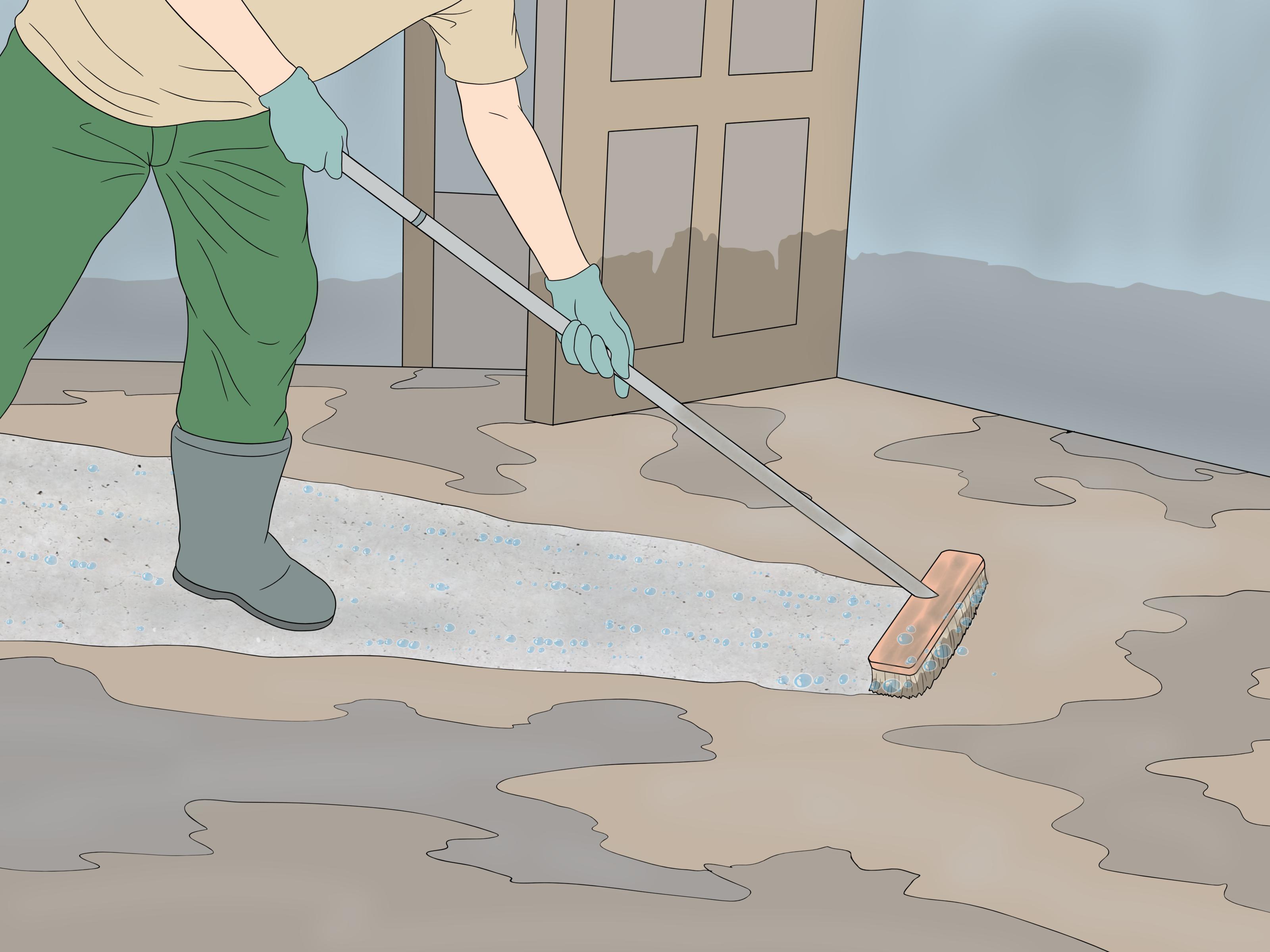
Wear protective gear during cleanup: gloves, boots, goggles, long sleeves, and an appropriate mask or respirator when dealing with mold or dust. People with asthma, allergies, immune problems, or breathing conditions should avoid mold cleanup when possible. If sewage or chemical contamination is involved, consider professional cleanup.
Document Damage and Ask for Help
Take photos and videos of damage before cleaning, if it is safe. Contact your insurance company. Save receipts for repairs, temporary housing, supplies, and cleanup. Follow local guidance for debris removal. Do not lift heavy soaked materials alone; wet carpet and furniture can weigh far more than expected, as if they spent the flood training for a weightlifting competition.
Recovery can be emotionally exhausting. Floods disrupt routines, damage sentimental items, and create stress that lasts long after the water disappears. Ask for help from family, neighbors, community groups, local emergency management, and disaster recovery organizations. Surviving a flood is not just about protecting property. It is about protecting people.
Real-Life Experiences and Practical Lessons From Flood Survival
People who have lived through floods often say the same thing afterward: the water rose faster than they expected. That lesson matters because floods can trick the human brain. At first, the water looks like a puddle. Then it becomes ankle-deep. Then it is pushing trash cans down the street like they are competing in a strange neighborhood parade. By the time it looks obviously dangerous, safe choices may already be limited.
One common experience is the temptation to “just check” a flooded road. A driver may think, “Other cars probably made it,” or “I know this road.” But floodwater changes familiar places. A dip in the road becomes a trap. A creek crossing becomes a current. A washed-out shoulder disappears under muddy water. Many survivors later say turning around felt inconvenient in the moment but became the smartest decision of the day.
Another lesson is that emergency kits are not only for dramatic evacuations. They help during ordinary chaos. A family stuck at home during neighborhood flooding may need flashlights, batteries, medicine, snacks, clean water, and a charged power bank. A parent may need baby formula mixed with safe water. A pet owner may need a leash and carrier ready when officials open a shelter. Preparedness turns a stressful situation into a manageable one.
Flood survivors also learn that communication is fragile. Cell service can fail. Phones can die. Family members can be in different places when warnings arrive. That is why a written plan matters. Knowing where to meet, who to call, and which routes to avoid saves time. In an emergency, the brain does not always perform like a calm office assistant with color-coded folders. A plan does the thinking for you when stress is loud.
Cleanup brings its own surprises. Floodwater leaves behind mud, odor, ruined belongings, and hidden hazards. People often want to rush back inside and save everything. The safer approach is slower: wait for official clearance, check for structural damage, avoid electrical hazards, document damage, wear protective gear, and throw away unsafe food and porous items that cannot be cleaned. The sentimental stuff hurts most, but health comes first.
There is also a community lesson. Floods reveal how much neighbors matter. The person with a truck may help move supplies before roads close. The neighbor with extra batteries may become the hero of the block. Someone who checks on an older resident before the storm may prevent a rescue later. Flood survival is personal, but flood resilience is shared.
The biggest experience-based takeaway is simple: respect water. You do not have to fear every raincloud, but you should never underestimate moving water. A flood is not just “too much rain.” It is force, contamination, uncertainty, and speed. The people who do best are usually not the strongest or the luckiest. They are the ones who prepare early, listen to warnings, avoid floodwater, move to higher ground, and recover carefully.
Conclusion: Flood Survival Is a Series of Smart Choices
Surviving a flood is not about panic. It is about preparation, awareness, and quick decisions. Make a plan before the storm. Evacuate when officials tell you to go. Stay out of floodwater, especially flooded roads. Move to higher ground when danger rises. Afterward, treat cleanup as a safety project, not a race.
Floods can be frightening, messy, expensive, and deeply disruptive. But the right actions can dramatically lower your risk. Think ahead, keep supplies ready, listen to alerts, and never argue with moving water. Water wins arguments. Your job is to avoid the debate.