Note: This article is an original, SEO-friendly rewrite based on publicly available information about dog breed history, canine behavior, selective breeding, pet ownership, and the viral humor trend around illustrated dog-breed origin jokes. It does not copy comic captions, source wording, or original artwork descriptions.
When Dog History Gets a Comedy Makeover
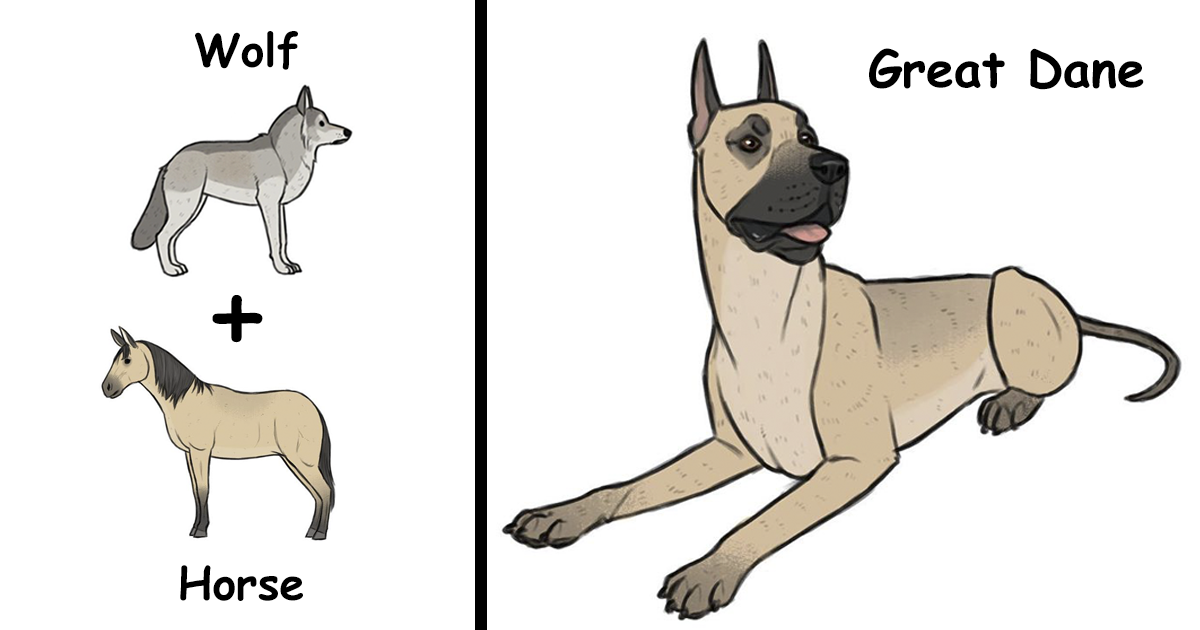
Every dog owner has looked at their pet at least once and wondered, “How did this creature happen?” Not in a scientific, lab-coat way. More in the “why is my dog shaped like a baguette with opinions?” way. That is exactly why the idea behind Artist Imagines The Origins Of ‘Unique Dog Breeds’ And They’re Ridiculously Hilarious works so well. It takes the serious, centuries-long history of dog domestication and gives it the cartoon treatment: wolves meet chaos, humans make questionable breeding decisions, and suddenly the world has corgis, pugs, dachshunds, huskies, and fluffy little mysteries with legs.
The joke lands because dogs are both familiar and completely absurd. They are loyal companions, working partners, family members, emotional support potatoes, and occasionally living alarm systems triggered by plastic bags. Modern dog breeds did not appear overnight. Many were shaped by geography, climate, human jobs, royal preferences, hunting needs, herding demands, and, yes, our long-running weakness for adorable faces. But when an artist reimagines those origins as ridiculous visual punchlines, the result feels weirdly believable. A husky does look like a wolf who joined a choir. A corgi really does look like someone compressed a herding dog into a loaf pan. A pug appears to have been designed by royalty, comedy, and a very determined wrinkle committee.
This funny dog breed concept is more than a quick laugh. It taps into a bigger cultural obsession: people love decoding pets. We want to know why beagles follow smells like tiny detectives, why border collies stare at sheep as if they owe them money, and why French bulldogs can dominate a household despite being roughly the size of a decorative footstool. Humor makes that curiosity shareable. It turns dog breed history into something people can enjoy even if they have never opened a kennel-club guide in their life.
The Real Origins Behind the Ridiculous Dog Breed Jokes
Dogs are descended from ancient wolf-like ancestors, and their domestication is one of the most fascinating partnerships in human history. Scientists still debate the exact timing and location, but the broad story is clear: humans and early dogs formed a relationship thousands of years ago, likely around food, protection, hunting, and mutual survival. Over time, people began selecting dogs for useful traits. Some dogs were better at pulling sleds. Others were brave enough to chase badgers underground. Some could herd cattle, retrieve birds, guard homes, warm laps, or simply look cute enough to get away with almost anything.
That selective process produced the astonishing variety we see today. The American Kennel Club recognizes more than 200 breeds, while hundreds more are known worldwide. This means dogs have one of the most dramatic ranges of size, shape, coat type, temperament, and working style of any domestic animal. A Great Dane and a Chihuahua belong to the same species, which is either a miracle of evolution or proof that nature occasionally enjoys practical jokes.
That is why “funny dog breed origins” are so tempting for artists. Real history says, “Humans selected for traits over generations.” Comedy says, “A wolf sneezed near a throw pillow and the Pomeranian was born.” Both explanations have their own emotional truth. The scientific version explains the genetics. The cartoon version explains the vibe.
Why Unique Dog Breeds Look So Comically Specific
Every breed carries clues about what humans once needed from it. A dog’s body is not random; it is often a resume. Short legs, long backs, thick coats, flat faces, curly tails, huge ears, powerful shoulders, narrow muzzles, and dense fur all tell stories about climate, work, fashion, and human preference.
Corgis: Tiny Herding Machines Disguised as Bread
The Pembroke Welsh Corgi is a perfect example of a breed whose real purpose sounds almost as funny as the joke version. Corgis were historically used to herd cattle. Their low height helped them move around livestock while avoiding kicks, and their bold attitude made them far more useful than their adorable shape suggests. In cartoon logic, a corgi might be the result of a wolf trying to become a coffee table. In real life, it is a compact, intelligent herder with the confidence of a much taller animal.
That contrast is comedy gold. People see the short legs first, then discover the dog was built for real farm work. It is like finding out your couch cushion has a black belt.
Dachshunds: Long Dogs With Underground Ambition
Dachshunds were developed in Germany, and their name is commonly translated as “badger dog.” Their long bodies, short legs, strong chests, and fearless personalities helped them enter burrows and pursue game. From a practical standpoint, the body plan makes sense. From a comedy standpoint, the dachshund looks like someone stretched a dog in Photoshop and forgot to fix it.
This is why imagined origin jokes about dachshunds write themselves. They look part hound, part sausage, part stubborn door draft stopper. But behind the silliness is a brave hunting breed with a surprisingly big personality. Many dachshund owners will confirm that the dog may be small, but the self-esteem is furniture-sized.
Huskies: Wolves Who Discovered Drama Club
Siberian Huskies were developed as endurance sled dogs capable of working in packs across cold, demanding landscapes. Their thick coats, stamina, and social nature all reflect that history. They are beautiful, athletic, and expressive. They are also famous online for vocal tantrums that sound like a haunted opera rehearsal.
That is why artists love turning huskies into comedy characters. They look close enough to wolves to seem majestic, then immediately ruin the mood by arguing with a bathtub. Their imagined origin might involve a wolf, a snowstorm, and a theater kid. Their real origin is much more impressive, but the dramatic personality makes the joke feel earned.
Pugs: Royal Companions With Maximum Squish
Pugs have ancient roots and are widely associated with Chinese companion-dog history. They were prized as lap dogs and later became popular in Europe. Unlike working breeds built to run, herd, or hunt, pugs were bred largely for companionship. That history helps explain their people-focused personality, their compact bodies, and their talent for looking emotionally betrayed when dinner is five minutes late.
In a humorous origin story, the pug might be what happens when a royal court asks for “a tiny dog with the face of a worried dumpling.” In reality, pugs represent centuries of human affection for companion animals. They are living proof that dogs did not need to pull sleds or fight badgers to earn a place in history. Sometimes the job was simply to sit nearby, snore gently, and be adored.
Why the Internet Loves Funny Dog Breed Art
Funny dog breed illustrations spread quickly because they combine three internet superpowers: animals, identity, and recognition. People do not just see a generic dog joke. They see their dog. The beagle owner sees the nose-driven snack criminal. The golden retriever owner sees the cheerful sunshine machine. The chihuahua owner sees a five-pound security director. The border collie owner sees a genius who needs a job, a puzzle, and possibly a small farm by noon.
Dog breed humor also lets people exaggerate truths they already know. A cartoon does not need to be scientifically perfect. It only needs to capture the feeling. When a comic suggests that a breed came from an impossible combination of animals, objects, or personalities, the audience laughs because the result somehow matches the dog’s energy. It is not biology. It is emotional accuracy.
There is also a friendly tribal element. Dog people love defending their breed while secretly admitting the joke is correct. A husky owner might protest, “My dog is not dramatic,” while the dog is in the background screaming at a closed door. A corgi owner might say, “He is very athletic,” while he sits like a furry loaf with satellite-dish ears. This playful contradiction keeps the content shareable.
The Smart Side of Silly Dog Breed Humor
Although the premise is ridiculous, it can actually make readers more curious about real breed history. A funny cartoon about a dachshund’s shape may lead someone to learn about badger hunting. A joke about a husky looking wolf-like may spark interest in sled dogs and Arctic working breeds. A silly illustration of a corgi may reveal that those tiny legs once had a serious job.
That matters because understanding breed history can help people become better dog owners. Breed traits are not destiny, but they do influence needs. Herding dogs often require mental stimulation. Scent hounds may follow their noses with shocking commitment. Working breeds may need structure, training, and exercise. Toy breeds may be small, but they still need socialization, care, and boundaries. Choosing a dog based only on appearance is like buying a car because you like the headlights and then being surprised it requires gas.
Responsible pet ownership means considering lifestyle, exercise, grooming, training, health, and temperament. The funniest dog in a comic might be a terrible match for a person who wants a quiet couch companion. A high-energy breed can become stressed or destructive without enough activity. A flat-faced breed may require extra awareness around heat and breathing. A long-backed breed may need careful handling to reduce strain. The more we know, the better we can love them.
Comedy Works Because Dog Breeds Are Already Characters
Part of the reason this topic feels naturally hilarious is that many breeds already behave like fictional characters. Golden retrievers often seem written as optimistic sidekicks. German Shepherds can look like serious professionals who pay taxes. Basset Hounds appear to have seen history and judged it disappointing. Poodles carry themselves like they know exactly what a salad fork is for. Bulldogs give the impression of retired boxing coaches who now enjoy naps and emotional support snacks.
These impressions are not strict rules, of course. Every dog is an individual, and training, environment, socialization, health, and personality all matter. Still, breed tendencies create a recognizable starting point for humor. Artists can exaggerate one trait and create a punchline instantly. A tiny dog with a huge attitude. A huge dog with no idea it is huge. A sleek hunting dog that looks like it has urgent business in a Renaissance painting. A fluffy companion breed that resembles a cloud with rent anxiety.
The best dog humor is affectionate. It does not mock dogs cruelly; it celebrates how wonderfully strange they are. It says, “Look at this creature humans made, loved, trained, spoiled, and invited onto the sofa.” That is why people respond so warmly. The joke is not that dogs are ridiculous instead of lovable. The joke is that they are ridiculous because they are lovable.
Specific Examples: Imagined Origins That Feel Almost Too Accurate
Imagine a corgi origin story where a proud wolf meets a loaf of bread and decides height is overrated. It is absurd, but one glance at a corgi sprinting on tiny legs and the theory becomes emotionally persuasive.
Picture a dachshund as the result of a hound trying to reach a snack under the couch and staying that way forever. Again, not science. Still, dachshund owners may feel personally attacked by the accuracy.
Think of a husky as a wolf crossed with a snowmobile, a microphone, and a teenager who just discovered opinions. That combination explains the endurance, the beauty, and the famous husky monologue delivered whenever life becomes mildly inconvenient.
Now consider the pug: a compact companion dog that looks like it was designed by an emperor, a pillow, and someone who wanted maximum facial expression per square inch. Pugs have been adored for centuries, and their comic potential comes from their intense little faces. They can look proud, confused, betrayed, sleepy, hungry, and philosophical within the same minute.
Then there is the poodle, often misunderstood as merely fancy. In reality, poodles have working-dog intelligence and water-retriever roots. Their stylized grooming historically had practical elements, helping protect joints and organs while reducing excess wet coat. But in cartoon form, the poodle will always look like a dog who owns a boutique and has strong feelings about fonts.
Why “Unique Dog Breeds” Keep Inspiring Artists
Dogs offer artists an endless supply of shapes. Long noses, round heads, curled tails, floppy ears, button eyes, feathered legs, beards, wrinkles, spots, underbites, and mustaches all create instant visual comedy. Unlike many animals, dog breeds are familiar enough that viewers can recognize them quickly, yet varied enough to surprise us again and again.
Artists also know that dog content carries emotional warmth. People do not approach dog comics like homework. They arrive ready to smile. A funny dog breed drawing can brighten a commute, start a comment thread, or inspire someone to tag a friend whose dog behaves exactly like the cartoon. That built-in emotional response makes the format powerful for social media, blogs, and visual storytelling.
The best version of this trend combines humor with affection and a tiny wink at real history. It reminds us that dog breeds are not just aesthetic categories. They are living results of human choices, cultural needs, geography, and companionship. Some choices were practical. Some were fashionable. Some, judging by the existence of certain silhouettes, were made by people who clearly enjoyed a little weirdness.
The Bigger Lesson: Love the Dog, Learn the Breed
Funny origin stories are delightful, but real dogs deserve more than memes. Before adopting or buying a dog, people should research the breed or breed mix carefully. A dog’s energy level, grooming requirements, health concerns, social needs, and training style can affect daily life for years. It is easy to fall in love with a cute illustration. It is harder, but more important, to ask whether that dog fits your home, schedule, budget, and experience.
This does not make dog humor less fun. In fact, it makes it better. The more you know about dogs, the funnier the jokes become. Understanding that a corgi was bred to herd cattle makes its bossy living-room behavior funnier. Knowing that a dachshund was developed for underground hunting makes its fearless attitude toward vacuum cleaners more understandable. Learning that huskies were bred for endurance explains why a ten-minute walk may be treated as an insulting appetizer.
Humor opens the door, but knowledge keeps the dog happy. That is the sweet spot where this topic shines: laughing at the imagined origins while respecting the real animals behind the punchlines.
Bonus Experience Section: What Living With “Unique Dog Breeds” Teaches You
Anyone who has spent time around different dog breeds knows that breed descriptions are helpful, but real life is where the comedy becomes premium content. Reading that a dog is “vocal” is one thing. Hearing a husky hold a full conference call with the refrigerator is another. Learning that corgis are herding dogs sounds charming until one attempts to organize your ankles into a more efficient traffic pattern. Seeing a pug described as affectionate seems sweet until you realize personal space has been legally abolished in your home.
One of the funniest experiences dog people share is the moment they recognize the breed stereotype in real time. A friend’s beagle once entered a backyard party like a cheerful guest, then immediately lowered his nose and transformed into a crime-scene investigator. Within minutes, he had mapped every dropped chip, located a hidden sandwich, and ignored six humans calling his name with increasing desperation. That is not bad behavior in his mind. That is professional excellence.
A dachshund experience is different. Dachshunds often carry themselves like tiny medieval knights. They may be short, but they do not appear to have received that information. One can stand at the top of a staircase, surveying the kingdom, convinced that every delivery driver, squirrel, and suspicious leaf has arrived to challenge the throne. When people joke about their long bodies and bold hearts, dachshund owners laugh because they know the courage is real. So is the stubbornness. Especially the stubbornness.
Then there are poodles and poodle mixes, who remind people never to confuse stylish hair with low intelligence. Spend an afternoon with a clever poodle and you may feel as if the dog is studying you back. These dogs often learn routines quickly, including the routines you did not mean to teach. If treats live in a certain drawer, congratulations: the drawer now has a supervisor. If walk time usually happens after coffee, the dog may begin monitoring your caffeine intake like a tiny lifestyle coach.
Living with dogs also teaches humility. You can buy the best bed, and the dog may choose a cardboard box. You can research nutrition, training, enrichment, grooming, and toys, only to discover that the household’s most prized object is one sock. You can explain calmly that barking at the doorbell on television is unnecessary, and your dog will continue protecting the home from fictional visitors with heroic dedication.
That is why humorous dog breed origin art feels so relatable. It captures the daily absurdity of sharing life with an animal that is part companion, part roommate, part mystery. Dogs are shaped by history, but they are also shaped by habit, love, snacks, and the strange rituals of the humans around them. The joke may begin with “What if this breed came from a wolf and a loaf of bread?” but the deeper truth is warmer: every dog, no matter how unusual, becomes a custom-made character in someone’s life.
And maybe that is the real origin of unique dog breedsnot just ancient wolves, selective breeding, or human jobs, but our endless desire to turn animals into family. We gave them tasks, names, beds, birthday hats, tiny raincoats, and entire social media accounts. In return, they gave us loyalty, laughter, chaos, and faces so expressive that artists will never run out of material. Ridiculously hilarious? Absolutely. But also ridiculously human.
Conclusion
Artist Imagines The Origins Of ‘Unique Dog Breeds’ And They’re Ridiculously Hilarious works because it celebrates the delightful gap between science and personality. Real dog breed history is full of purpose: herding, hunting, sledding, guarding, retrieving, and companionship. Funny imagined origins take that history and add a splash of cartoon logic, transforming familiar breeds into lovable punchlines.
The best part is that the humor does not make dogs seem less impressive. It makes them more interesting. Behind every silly shape is a story. Behind every dramatic howl, tiny leg, curly tail, wrinkled face, or suspiciously human expression is a long relationship between people and dogs. We laugh because we recognize the truth hiding inside the exaggeration: dogs are wonderfully weird, deeply lovable, and impossible to explain without smiling.