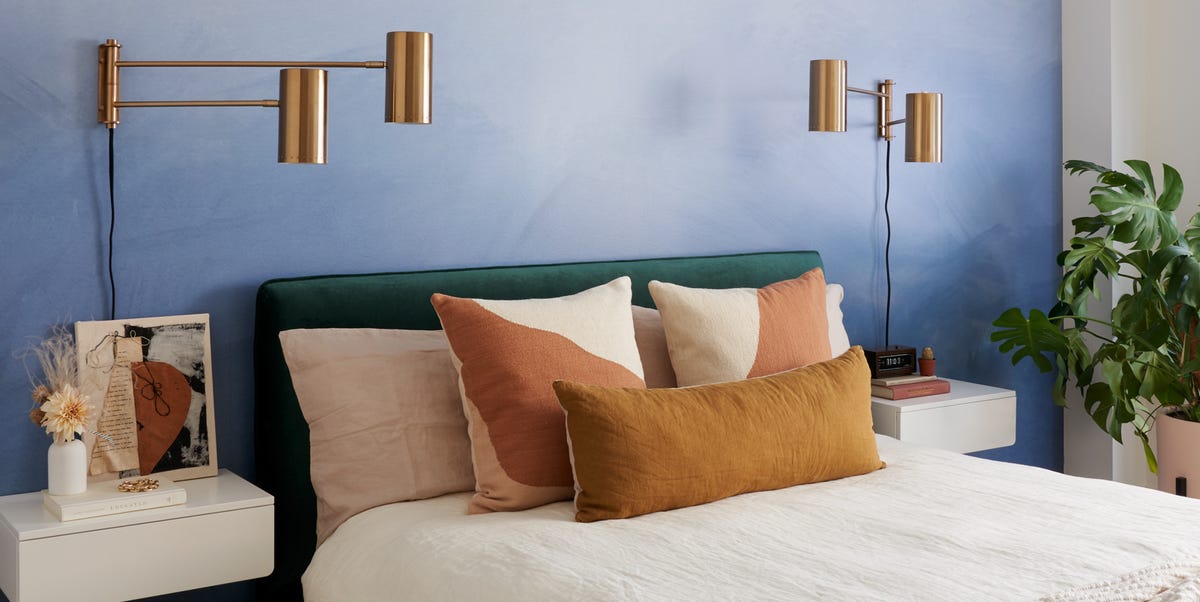
A bedroom accent wall is the design equivalent of putting on a great jacket: suddenly the whole outfit makes sense. One wall, one weekend, and a suspicious number of trips to the hardware store can turn a plain bedroom into a space that feels custom, cozy, and very proud of itself.
The best part? You do not need to be a professional carpenter, muralist, or person who owns seventeen mysterious saws. Many DIY bedroom accent wall ideas can be done with paint, removable wallpaper, trim, wood planks, fabric, molding, or clever layout tricks. The wall behind the bed is usually the natural choice because it frames the sleeping area like a built-in headboard, but any wall with strong visual focus can work.
Below are 30 beautiful bedroom accent wall ideas to easily DIY, from beginner-friendly paint projects to more polished wood and molding looks. Each idea includes practical tips, style notes, and small warnings so your wall looks intentionalnot like it lost a fight with a Pinterest board.
How to Choose the Right Bedroom Accent Wall
Before grabbing paint, wallpaper, or a nail gun, choose your wall carefully. In most bedrooms, the wall behind the bed is the safest and most effective option. It naturally anchors the room, gives the bed more presence, and lets the design shine without visually chopping up the space.
Think about lighting, furniture placement, and color balance. A dark wall can feel cozy and sophisticated in a room with good natural light, while soft neutrals, muted greens, warm clay tones, and gentle blues work beautifully in bedrooms where calm matters more than drama. If your room is small, avoid making the accent wall too busy. Texture often works better than loud contrast.
30 Beautiful Bedroom Accent Wall Ideas to Easily DIY
1. Paint One Wall in a Deep, Moody Color
A single coat of rich paint can be the fastest bedroom makeover on Earth, provided you do not count the time spent debating between “charcoal” and “slightly emotional charcoal.” Try navy, forest green, plum, chocolate brown, or soft black behind the bed. Keep bedding lighter to balance the depth and prevent the room from feeling heavy.
2. Create a Soft Sage Green Accent Wall
Sage green is calm, natural, and forgiving. It pairs well with white bedding, cane furniture, oak nightstands, black lamps, and linen curtains. For an easy DIY bedroom accent wall, paint the headboard wall sage and repeat the color in a pillow, throw, or artwork so the room feels connected.
3. Use Peel-and-Stick Wallpaper
Peel-and-stick wallpaper is a renter-friendly hero when installed on a clean, smooth wall. Choose botanical prints, subtle stripes, vintage florals, or modern geometrics. For best results, order extra material, check pattern repeats, and overlap seams slightly if the manufacturer recommends it. Wallpaper is not magic, but when it behaves, it deserves applause.
4. Frame Wallpaper Like Oversized Art
If full-wall wallpaper feels too bold or expensive, frame panels of wallpaper with thin molding. This gives the room a custom designer look while using less material. It works especially well with scenic murals, chinoiserie prints, grasscloth textures, or dramatic florals.
5. Install a Board-and-Batten Wall
Board and batten is a classic DIY accent wall idea because it adds architecture where there was previously just drywall and regret. Use MDF or wood trim to create vertical sections, then paint everything one color. Soft white looks cottage-inspired, while charcoal, olive, or blue-gray feels more modern.
6. Try Half-Wall Board and Batten
A half-wall version is easier, cheaper, and less visually intense than a full wall. Install the battens on the lower portion of the wall, add a top rail, and paint it in a warm neutral or muted color. Above it, use paint, wallpaper, or framed art.
7. Add Vertical Wood Slats
Vertical wood slats bring warmth and rhythm to a bedroom. They look especially sharp behind a low platform bed or upholstered headboard. You can use stained wood for a natural look or paint the slats the same color as the wall for subtle texture.
8. DIY a Faux Shiplap Wall
Shiplap still works when it is used thoughtfully. Thin plywood strips or ready-made panels can create a clean farmhouse or coastal look. Paint it white for airy charm, greige for softness, or black for a bold modern twist. Just keep the rest of the room simple so it does not become a barn-themed talent show.
9. Paint a Geometric Accent Wall
Use painter’s tape to create triangles, arches, blocks, or asymmetrical shapes. This is one of the most budget-friendly DIY bedroom accent wall ideas because it requires only paint, tape, patience, and the emotional strength to peel tape slowly.
10. Paint a Large Arch Behind the Bed
A painted arch can mimic a headboard, define the sleeping zone, and soften a boxy room. Use terracotta, dusty rose, sage, warm beige, or muted blue. Measure carefully, use a pencil and string for the curve, and paint slowly around the edges.
11. Create a Color-Blocked Wall
Color blocking uses two or more paint colors in clean sections. Try a darker shade on the lower half and a lighter shade above, or create a bold vertical block behind the bed. This is ideal for modern bedrooms and shared rooms where each side needs its own personality.
12. Try an Ombre Paint Effect
An ombre wall fades from one shade to another, creating a soft, dreamy effect. Use colors in the same family, such as pale blue to medium blue or blush to clay. Blend while the paint is still wet for the smoothest transition.
13. Use Textured Wallpaper
Grasscloth, linen-look wallpaper, faux plaster wallpaper, and woven textures add quiet luxury without overwhelming the room. Textured wallpaper is especially helpful when you want depth but do not want a loud pattern shouting at you before coffee.
14. Install Picture Frame Molding
Picture frame molding adds elegance to plain walls. Create rectangles with trim, caulk the seams, and paint the entire wall one color. This idea pairs beautifully with traditional, transitional, Parisian, and modern classic bedrooms.
15. Build a Wall-to-Wall Headboard
A wall-to-wall upholstered or wood headboard can double as an accent wall. Use plywood, foam, batting, and fabric for a soft version, or wood boards for a warm modern look. Extend it beyond the bed to make the whole room feel wider.
16. Add Beadboard for Cottage Charm
Beadboard panels create instant texture and charm. Use them on the lower half of the wall, behind twin beds, or across the whole headboard wall. Paint beadboard creamy white, pale blue, or soft green for a fresh bedroom feel.
17. Paint the Ceiling as the Accent
Yes, the ceiling counts. A painted ceiling can make the room feel cozy and complete, especially when the walls are neutral. Try dusty blue, warm blush, soft taupe, or deep green. It is dramatic without stealing floor space, which is excellent because bedrooms rarely come with spare square footage lying around.
18. Use a Mural Wallpaper
A mural wallpaper turns the bed wall into a scene: misty forest, abstract landscape, watercolor garden, mountain view, or oversized floral. Keep bedding simple and let the mural be the main event. Too many competing patterns can make the room feel like it is buffering.
19. Paint a Faux Headboard
No headboard? No problem. Paint a rectangle, arch, or wide panel behind the bed to create the illusion of one. This is great for apartments, guest rooms, dorm-style spaces, and budget makeovers.
20. Create a Gallery Wall Accent
A gallery wall can act as an accent wall when the frames share a theme, color, or layout. Use family photos, botanical prints, vintage sketches, or abstract art. Keep spacing consistent and map the arrangement on the floor before making holes in the wall like an overconfident woodpecker.
21. Add Faux Brick Panels
Faux brick panels can add loft style, rustic charm, or industrial texture. Paint them white for a softer look or leave them natural for warmth. Use lightweight panels designed for interiors and finish edges neatly so the wall looks intentional.
22. Try Limewash or Roman Clay Style Paint
Limewash-inspired and clay-style finishes create soft movement and depth. They are ideal for bedrooms because they feel relaxed and organic. Choose warm gray, mushroom, beige, sand, olive, or clay tones for a quiet, high-end effect.
23. Hang Fabric as a Wall Feature
Fabric can soften a bedroom instantly. Hang a large textile, quilt, tapestry, or curtain panel behind the bed. This is especially useful for renters because it adds color and texture without permanent changes.
24. Use Removable Wall Decals
Wall decals are easy, affordable, and surprisingly stylish when used sparingly. Try small stars, simple botanical shapes, abstract dots, or minimalist line art. They work well in kids’ rooms, guest rooms, and playful bedrooms.
25. Paint Stripes
Vertical stripes can make ceilings feel taller, while horizontal stripes can make a narrow wall feel wider. Use low-contrast colors for a sophisticated look or bold contrast for a preppy statement. Measure twice, tape once, and do not trust your eyeballs after midnight.
26. Add a Shelf Ledge Accent
A slim picture ledge above the bed can create a flexible accent wall. Style it with framed prints, small plants, books, and decorative objects. Paint the wall behind it a contrasting color to make the display pop.
27. Use Cane or Rattan Panels
Cane and rattan panels add natural texture and warmth. Frame them with wood trim or install them inside molding panels. This works beautifully in boho, coastal, tropical, and relaxed modern bedrooms.
28. Make a Two-Tone Wall With a Chair Rail
Install a simple chair rail or use painter’s tape to divide the wall. Paint the lower portion darker and the upper portion lighter. This creates structure and makes the room feel more finished without requiring a full carpentry project.
29. Add Thin Floating Nightstand Panels
For a custom built-in look, install vertical panels behind each nightstand or on both sides of the bed. Paint them the same color as the wall or use wood for contrast. This frames the bed and gives the room boutique-hotel energy.
30. Combine Paint and Wood Trim
Some of the best bedroom accent wall ideas mix materials. Paint the wall a moody color, then add slim trim in a grid, diamond pattern, or modern asymmetrical layout. The result looks expensive, even if your budget is still recovering from buying throw pillows.
DIY Tips for a Better Bedroom Accent Wall
Prep the Wall Properly
Clean the wall, patch holes, sand rough areas, and remove dust before painting or installing anything. Wallpaper and trim both look better on smooth surfaces. Skipping prep is tempting, but so is eating frosting with a spoon; not every temptation leads to a good outcome.
Test Colors in Real Light
Bedroom colors change throughout the day. A soft beige can turn yellow at night, and a green can look gray in low light. Paint samples directly on the wall or use peel-and-stick sample sheets. Check them in morning, afternoon, and evening light.
Repeat the Accent Color Somewhere Else
A bedroom accent wall feels more intentional when the color appears again in the room. Repeat it in pillows, art, a throw blanket, lampshades, curtains, or a small rug. The goal is harmony, not a wall that looks like it wandered in from another house.
Keep Scale in Mind
Large bedrooms can handle dramatic murals, dark colors, and chunky molding. Small bedrooms often look better with subtle texture, lighter contrast, vertical lines, or a single painted shape. Scale is what separates “designer statement” from “why is the wall yelling?”
Personal Experience: What Actually Makes a DIY Accent Wall Work
After seeing many bedroom makeover projects, one pattern becomes clear: the most successful accent walls are not always the most complicated ones. They are the ones that solve a real design problem. Maybe the bed looks lost on a blank wall. Maybe the room has no architectural detail. Maybe everything is beige, and even the beige is bored. A good accent wall gives the eye somewhere to land.
The easiest place to start is paint. A painted bedroom accent wall is affordable, fast, and reversible. It is also a great confidence builder. Once you learn to tape edges, cut in around trim, and roll paint evenly, bigger projects feel less scary. For beginners, I recommend choosing a muted color instead of a neon or ultra-saturated shade. Dusty blue, sage, warm taupe, olive, clay, and soft charcoal are easier to live with long-term.
Wallpaper is the next step up. Peel-and-stick wallpaper can be amazing, but it rewards patience. The wall needs to be clean and smooth. The first strip needs to be straight. The pattern repeat needs attention. This is where many DIYers learn that “almost straight” becomes “obviously crooked” by strip number four. A good trick is to start in the center of the wall behind the bed, especially if the pattern has a strong focal point.
Wood trim projects, such as board and batten or picture frame molding, create the biggest transformation, but they require more planning. Measure the whole wall first, including outlets, baseboards, windows, and bed height. Draw the layout on paper before cutting anything. The best-looking DIY molding walls usually have balanced spacing and clean caulk lines. Caulk is the secret sauce. It hides tiny gaps and makes beginner carpentry look much more polished.
For renters, fabric, removable wallpaper, decals, and large-scale art are the safest options. A curtain rod installed near the ceiling with a beautiful fabric panel can create a soft accent wall without permanent construction. A large textile behind the bed adds warmth and helps with sound absorption, which is a nice bonus if your walls seem to have been built from crackers.
One mistake people often make is choosing an accent wall idea before considering the furniture. The bed height, headboard shape, nightstand size, lamps, and artwork all affect the final look. A busy wallpaper may disappear behind a tall headboard. A board-and-batten grid may look awkward if the bed covers the best part of the pattern. Always plan the wall with the furniture in place, not in an imaginary showroom where outlets do not exist.
The best DIY bedroom accent wall should feel like part of the room, not a random decoration. If you choose wood, repeat wood tones elsewhere. If you choose black, add black hardware, lamps, or frames. If you choose a floral wallpaper, pull one color from the pattern into the bedding. These small connections make the design feel calm and complete.
Finally, do not underestimate simple ideas. A painted arch, a shelf ledge, a two-tone wall, or a soft textured wallpaper can be just as beautiful as a complex carpentry project. The goal is not to impress the internet. The goal is to create a bedroom that feels peaceful, personal, and finished. If the room makes you smile when you walk in, the wall has done its job.
Conclusion
A beautiful bedroom accent wall does not require a huge budget or professional renovation. With paint, wallpaper, molding, wood slats, shiplap, fabric, or creative styling, you can turn one plain wall into the strongest design feature in the room. Start with the wall behind the bed, choose a style that matches your skill level, and let texture, color, and proportion do the heavy lifting.
Whether you love soft sage paint, dramatic black paneling, peel-and-stick wallpaper, or a cozy board-and-batten wall, the right DIY accent wall can make your bedroom feel warmer, more polished, and more personal. And if the first idea does not work? It is one wall. Repaint, re-paper, adjust, and carry on. That is the beauty of DIY: your room gets better, and you get a story.