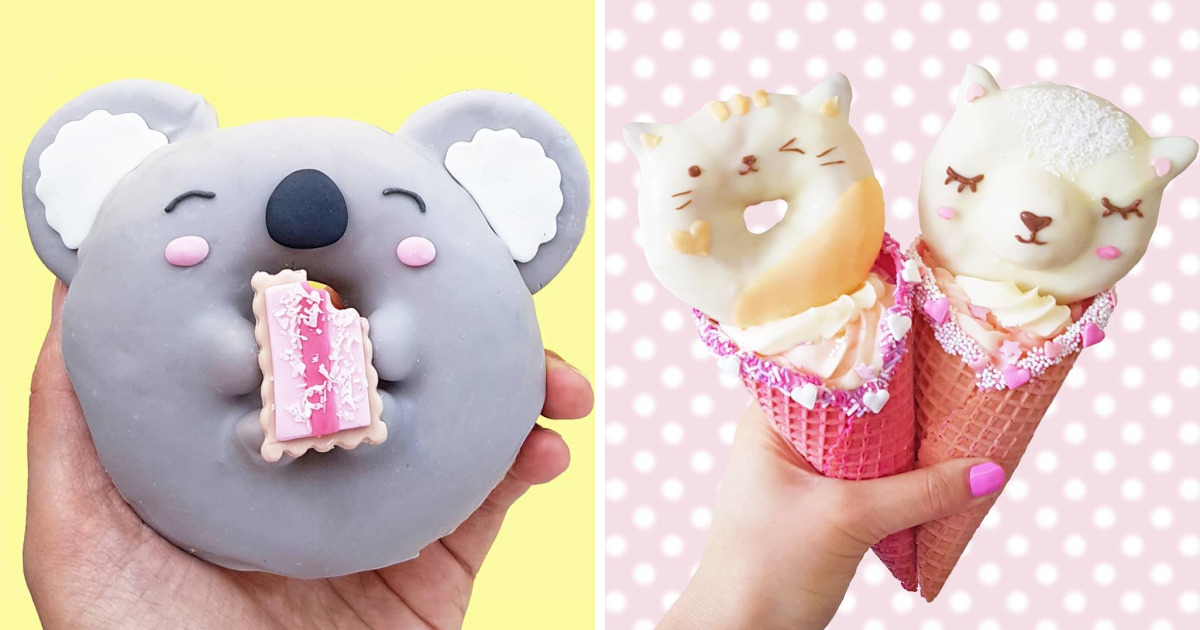
Some desserts are made to be eaten. Others are made to stare back at you with tiny icing eyes until your spoon starts questioning its life choices. Welcome to the irresistible world of cute treats: tiny bear pastries tucked under pastry blankets, panda cookies with chocolate ears, bunny cupcakes with marshmallow tails, fruit-shaped mousse cakes so glossy they look like they came from a cartoon orchard, and character-inspired sweets that make adults whisper, “I can’t eat that. It has a face.”
Cute treats are more than sugar with eyelashes. They sit at the crossroads of dessert design, social media culture, Japanese kawaii aesthetics, home baking, party planning, and a very funny human problem: we love adorable things so much that we sometimes feel guilty destroying them with our teeth. Yet somehow, after three minutes of admiration and eight photos, the cookie disappears. Mysterious. Absolutely mysterious.
This article explores why adorable desserts are so popular, what makes them visually powerful, which cute treat styles people love most, and why these tiny edible artworks can turn a normal dessert table into a mini emotional crisis. Bring a napkin, a camera, and your strongest moral courage. You may need all three.
Why Cute Treats Are Taking Over Dessert Culture
Cute food has existed for generations, but it now travels faster than a cupcake at a children’s birthday party. Social media made desserts visual first and edible second. A plain cookie can taste wonderful, but a cookie shaped like a sleepy kitten in a strawberry hat gets photographed, shared, saved, recreated, and emotionally adopted by strangers online.
That visual appeal explains why kawaii desserts, animal cupcakes, mini pastries, character cookies, and playful cake pops keep appearing in bakeries, party guides, holiday roundups, and home kitchens. Food Network has long highlighted animal cupcakes, from sea turtles to clownfish. Better Homes & Gardens has featured bite-size desserts because small treats feel party-friendly and charming. Allrecipes has spotlighted easy adorable ideas such as “Little Bears,” a puff pastry treat made with chocolate and Teddy Grahams. Even seasonal supermarket sweets, from heart-shaped Valentine’s items to holiday cake balls, prove that cuteness sells because it turns food into a tiny event.
The trend also fits modern eating habits. People want flavor, but they also want a moment. A cute dessert gives them a photo opportunity, a conversation starter, a theme, and a reason to say “aww” before saying “pass me another one.” That is a powerful combination, especially for birthdays, baby showers, school parties, weddings, holiday gatherings, and cozy weekend baking projects.
The Psychology Behind “Too Cute to Eat”
Why do people hesitate before biting into an adorable cookie? Part of the answer is emotional. Researchers have studied a phenomenon commonly called “cute aggression,” the urge to squeeze, pinch, or even jokingly “eat up” something unbearably cute without any desire to cause harm. When a dessert has big eyes, round cheeks, tiny proportions, or baby-animal features, it can trigger the same warm emotional response we feel toward puppies, plush toys, or cartoon characters.
In other words, your brain sees a bear-shaped macaron and briefly files it under “protect this precious creature,” not “consume with coffee.” That is why a simple smile made from melted chocolate can change the whole experience. A plain donut is breakfast. A pig-shaped donut is a moral dilemma with sprinkles.
Visual presentation also affects how people expect food to taste. Colors, shapes, textures, and plating can influence perceived sweetness, freshness, richness, and value. A strawberry mousse cake shaped like an actual strawberry feels brighter before anyone takes a bite. A pastel mochi donut with glossy icing suggests softness and sweetness. A tiny owl cupcake made with candy eyes feels playful before the frosting even hits your tongue.
What Makes a Treat Cute?
1. Round Shapes and Tiny Proportions
Small size is one of the fastest shortcuts to cuteness. Mini cupcakes, baby donuts, tiny tarts, small cake pops, and bite-size cookies all feel more charming than their full-size cousins. Roundness also helps. Circles, domes, and soft curves remind people of cheeks, paws, balloons, and cartoon faces. That is why macarons, mochi, cake balls, and cream puffs are perfect canvases for cute dessert design.
2. Simple Faces
A dessert does not need a full portrait to become adorable. Two dots and a tiny mouth can do the job. Chocolate chips become eyes. A curved icing line becomes a sleepy smile. Pink frosting becomes blush. Suddenly, your cookie has a personality, and now you are apologizing to it before eating.
3. Soft Colors
Pastel pink, baby blue, cream, lavender, pale yellow, matcha green, and strawberry red often appear in kawaii desserts. These colors feel gentle, cheerful, and photogenic. They also work beautifully with buttercream, fondant, royal icing, candy melts, glaze, and fruit mousse.
4. Familiar Characters and Animals
Pandas, cats, bears, bunnies, chicks, frogs, foxes, penguins, dinosaurs, and sleepy clouds are dessert celebrities. Character-inspired treats are especially popular because they connect food with nostalgia, fandom, and storytelling. A Totoro-like cookie, a Hello Kitty-style macaron, or a Pusheen-inspired cake pop does more than look cute; it invites recognition.
5. Texture That Looks Touchable
Fluffy frosting, smooth glaze, crunchy sprinkles, powdered sugar, glossy chocolate, and chewy mochi all add sensory appeal. People do not just look at cute treats; they imagine the bite. That is why viral desserts often combine appearance with texture, such as sprinkle-covered dot cakes, crackly chocolate shells, soft mousse centers, and chewy mochi donuts.
Popular Cute Treats That Test Your Courage
Panda Cookies
Panda cookies are a classic “too cute to eat” dessert because they are instantly recognizable. Black-and-white icing creates ears, eyes, paws, and tiny noses. Some versions use sandwich cookies, sugar cookies, shortbread, or macarons. Their charm comes from contrast: the design is simple, but the emotional effect is dramatic. One minute you are admiring a panda face; the next, you have eaten its left ear. Dessert is not always dignified.
Bear Pastry Blankets
The “little bear” pastry idea is wonderfully simple: a small teddy-shaped cracker rests on chocolate and gets tucked into puff pastry like it is taking the world’s sweetest nap. It is easy enough for home bakers and adorable enough for a party tray. The design works because it tells a story. This is not just pastry and chocolate; this is a tiny bear having a cozy bedtime moment before becoming dessert. We do not make the rules.
Bunny Cupcakes
Bunny cupcakes are popular around Easter, spring parties, baby showers, and children’s birthdays. Marshmallows can become ears, coconut can become fur, candy can become noses, and frosting can become fluffy cheeks. The best versions balance cuteness with clean design. Too many decorations can make a cupcake look chaotic, but a few smart details create instant charm.
Cat Macarons
Macarons already look elegant, but add tiny ears and whiskers and suddenly they become bakery royalty. Cat macarons often use almond shells in soft colors, with fillings such as vanilla, chocolate, raspberry, pistachio, or matcha. Their smooth surface makes them ideal for delicate edible ink or chocolate details. The danger is obvious: one bite and the cat loses its expression. This is why people take photos first.
Mochi Donuts
Mochi donuts are famous for their chewy texture and connected bubble-ring shape. That shape makes them look playful before decoration even begins. Add pastel glaze, character faces, animal ears, fruit powder, matcha drizzle, or colorful cereal crumbs, and they become irresistible. Their bouncy texture also fits today’s love for desserts that are not just sweet but fun to chew.
Fruit-Shaped Mousse Cakes
Hyper-realistic fruit desserts have become a major visual trend. These glossy cakes often use mousse, fruit puree, sponge, and chocolate shells to imitate mangoes, strawberries, peaches, lemons, or raspberries. Some are so realistic that guests pause before cutting them open. The pleasure comes from surprise: what looks like fruit may reveal layers of cream, cake, and filling inside.
Animal Cupcakes
Animal cupcakes are endlessly customizable. Owls can be made with sandwich cookies and candy eyes. Sea turtles can use green frosting and candy shells. Chicks can be piped with yellow buttercream. Penguins can come alive with chocolate cookies and orange candy beaks. These treats are especially useful for parties because each cupcake can be a different character, turning the dessert table into a tiny edible zoo.
Holiday Cake Balls
Cake balls are compact, portable, and perfect for decoration. Their rounded shape makes them easy to turn into ornaments, snowmen, reindeer, pumpkins, hearts, bees, chicks, or smiling planets. A firm outer shell also gives bakers room to add stripes, sprinkles, edible glitter, and tiny fondant details. They are small enough to eat in two bites, but cute enough to cause a five-minute delay.
How Cute Treats Became Social Media Gold
Cute treats perform beautifully online because they are instantly understandable. A viewer does not need a recipe explanation to react to a cookie shaped like a sleepy fox. The emotional response is immediate. That makes adorable desserts perfect for platforms built around quick visuals, saves, shares, and short videos.
Another reason cute desserts spread quickly is that many designs look achievable. A professional pastry chef can create museum-level mousse cakes, but a home baker can still make bear cookies with round cutters, chocolate chips, and icing. This range matters. Cute food culture welcomes both experts and beginners. A slightly crooked smile on a cupcake may even make it more lovable. Perfection is impressive, but personality is powerful.
Social media also rewards desserts that create suspense. Cutting into a fruit-shaped mousse cake, cracking a chocolate shell, pulling apart a filled cookie, or revealing a hidden character inside a loaf all gives viewers a mini story. Cute treats are not just pretty; they often have a beginning, middle, and bite.
Tips for Making Cute Treats at Home
Start With a Simple Base
Beginners should start with sugar cookies, cupcakes, rice cereal treats, cake pops, brownies, or store-bought puff pastry. These bases are forgiving and easy to decorate. You do not need to build a pastry empire on day one. Even Rome probably started with one suspiciously shaped cookie.
Use Candy as Decoration
Candy eyes, mini chocolate chips, pretzels, marshmallows, wafer cookies, licorice, sprinkles, jelly beans, and cereal pieces can become facial features, ears, tails, claws, buttons, or accessories. This keeps decorating simple and reduces the need for advanced piping skills.
Limit the Color Palette
Too many colors can make cute treats look messy. Choose two or three main colors, then add small accents. For example, a panda cookie needs black, white, and maybe pink blush. A bunny cupcake might use white frosting, pink ears, and a tiny brown or black eye detail.
Focus on Expression
A tiny change in eye placement can change the whole mood. Wide eyes look surprised. Closed eyes look sleepy. Slanted brows look mischievous. A small “o” mouth looks shocked. Practice expressions on parchment paper before decorating the final treats.
Make Them Taste as Good as They Look
Cuteness may earn the first click, but flavor earns the second bite. Use real vanilla, good chocolate, fresh fruit, balanced sweetness, and proper texture. A beautiful cookie that tastes like sweet cardboard is not a dessert; it is edible disappointment wearing eyeliner.
Best Occasions for Cute Treats
Cute desserts shine at birthdays, baby showers, bridal showers, classroom parties, Easter brunches, Halloween gatherings, Valentine’s Day boxes, holiday cookie exchanges, and themed weddings. They also make thoughtful gifts because they feel personal. A box of cat macarons for a cat lover, frog cupcakes for a garden party, or bear pastries for a cozy winter gathering can feel more memorable than ordinary sweets.
They are also excellent for small businesses and bakeries. A signature cute dessert can become a brand identity. Customers remember the bakery with the alpaca cream puffs, the panda donuts, the fruit mousse cakes, or the tiny bear cookies. In a crowded dessert market, charm can be a competitive advantage.
The Secret Balance: Cute, But Still Appetizing
There is a fine line between adorable and awkward. The best cute treats still look delicious. Their colors are appetizing, their proportions are clear, and their decorations do not overwhelm the flavor. A cupcake with a neat bunny face works. A cupcake buried under twelve pounds of fondant, glitter, and emotional pressure may be less successful.
Good cute dessert design follows a few principles: keep the shape recognizable, make the face simple, choose edible decorations that match the flavor, and avoid making the treat too difficult to eat. Guests should hesitate because it is cute, not because they need engineering instructions.
Experience Section: The Emotional Journey of Eating Cute Treats
The first time you stand in front of a tray of cute treats, you may feel strangely formal, as if you have entered a tiny dessert museum. There they are: little bears smiling from cookies, kittens sleeping on macarons, bunnies wearing frosting bows, and donuts pretending to be pigs. Everyone around the table says the same thing: “Oh no, I can’t eat that.” Then everyone immediately begins choosing which one they want. Human nature is complicated, especially near buttercream.
The experience usually begins with admiration. You lean closer to inspect the details. Are those ears made of almonds? Is that blush edible dust? How did someone pipe eyelashes that small without needing a microscope and emotional support? Cute treats slow people down. Instead of grabbing and chewing, they pause. They point. They laugh. They compare expressions. Someone names the cookie “Harold.” This is dangerous because once a dessert has a name, eating it becomes personal.
Next comes photography. Cute treats are rarely eaten before their first photo shoot. People move plates toward better light, rotate cupcakes to find their “good side,” and ask friends to hold still while they capture the dessert lineup. A single bear pastry may get more camera attention than the main course. That is part of the fun. These sweets create memories before they create crumbs.
Then comes the negotiation stage. Which part do you bite first? With animal cookies, many people choose an ear because it feels less direct than biting the face. With cupcakes, some remove the decoration and eat the cake separately. With macarons, there is no gentle solution; one bite changes the character forever. This is when the table gets dramatic. Someone says, “I’m sorry, little guy,” and everyone laughs because they understand.
The best surprise is that cute treats often make people more present. They spark conversation across ages. Kids love the characters. Adults admire the craft. Grandparents ask how anyone had the patience. Bakers explain the process, usually with the haunted look of someone who has attached 80 candy eyes by hand. Cute desserts turn a simple snack into a shared experience.
They also reveal personality. Some people eat the cutest treat first because they refuse to get emotionally attached. Others save it for last and stare at it like a tiny companion. Some choose the imperfect one because it looks “extra lovable.” At parties, the slightly lopsided cookie often becomes the favorite because it seems to have survived something. Perfect treats impress, but quirky treats win hearts.
Making cute treats at home adds another layer to the experience. You quickly learn that tiny faces require patience. Icing has opinions. Sprinkles escape. Candy eyes roll under appliances and are never seen again. Yet even when the results are messy, they are usually charming. A crooked bunny smile can make guests laugh harder than a flawless one. Homemade cute treats carry effort, humor, and affection in every detail.
In the end, the courage to eat cute treats is not really about toughness. It is about accepting that edible art is meant to be enjoyed. You can admire it, photograph it, compliment it, apologize to it, and then take a bite. That first bite may feel dramatic, but the second one is much easier. By the third, Harold the cookie is gone, and everyone agrees he was delicious.
Conclusion
Cute treats prove that dessert can be more than flavor. It can be storytelling, design, humor, nostalgia, and a tiny test of emotional strength. From panda cookies and bunny cupcakes to mochi donuts, bear pastries, fruit-shaped mousse cakes, and holiday cake balls, these adorable sweets turn ordinary moments into shareable memories.
The magic comes from the blend of simple visual cues and genuine taste. Big eyes, round shapes, pastel colors, small sizes, and playful themes make people pause. Balanced sweetness, good texture, and thoughtful ingredients make them come back for another bite. That is the real secret: the best cute treats are not just too adorable to eat. They are too delicious not to.
So yes, we are sure you may not have the guts to eat these cute treats at first. But after the photos, the compliments, and the ceremonial apology to the frosting bunny, courage usually arrives. Preferably with coffee.