Shredded carrots are one of those humble kitchen ingredients that quietly do a lot of heavy lifting. They add color to salads, moisture to carrot cake, crunch to slaws, sweetness to wraps, and a suspiciously healthy glow to anything they touch. The good news? Learning how to shred carrots is easy. The slightly annoying news? There is more than one way to do it, and each method gives you a different texture.
Whether you are making carrot cake, quick bread, stir-fry, coleslaw, fritters, spring rolls, muffins, tacos, or a salad that needs more personality than “lettuce in a bowl,” the right shredding method matters. A fine shred melts beautifully into baked goods. A medium shred gives salad a fresh bite. A long julienne-style shred looks fancy enough to convince people you planned dinner instead of improvising at 6:47 p.m.
This guide explains the three best ways to shred carrots: with a box grater, a food processor, and a julienne peeler or mandoline. You will also learn how to prepare carrots safely, which shred size to choose, how to avoid watery or dry results, and how to store shredded carrots so they stay crisp instead of turning into orange confetti with commitment issues.
Before You Start: How to Prepare Carrots for Shredding
Before any carrot meets a blade, give it a proper clean. Rinse fresh carrots under cool running water and scrub away visible dirt with your hands or a clean vegetable brush. Do not use soap, detergent, bleach, or commercial produce wash. Carrots are porous enough that those products can leave unwanted residues, and nobody asked for “laundry-scented carrot cake.”
After washing, pat the carrots dry with a clean towel. Dry carrots are easier to hold and less likely to slip. Trim off the stem end and the thin root tip. Peeling is optional for many recipes, especially if the carrots are fresh and well scrubbed, but peeling gives a cleaner look and smoother texture. For carrot cake, muffins, delicate salads, and picky eaters who inspect food like tiny customs officers, peeling is usually worth the extra minute.
Choose the Right Carrot
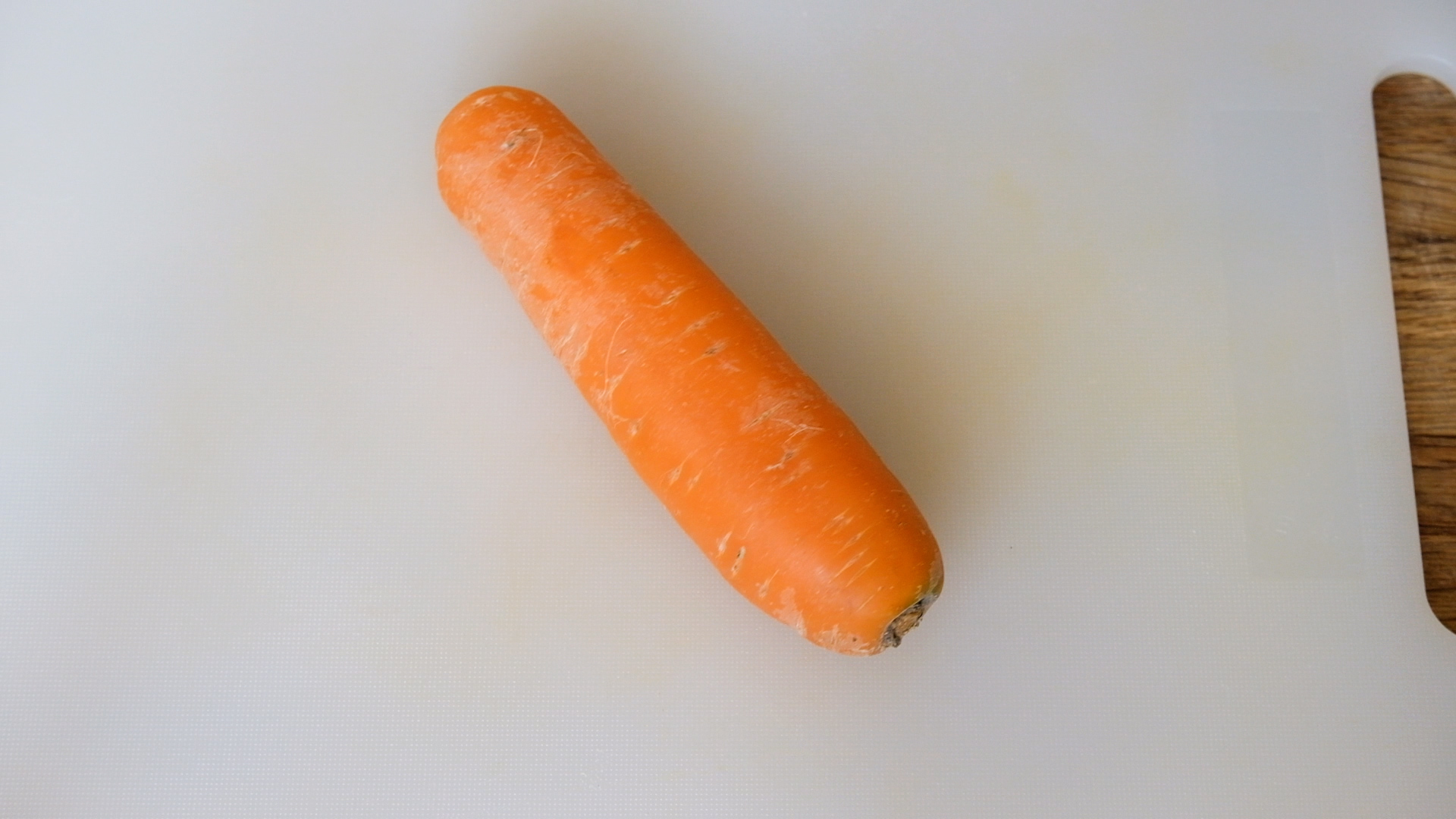
Medium carrots are the easiest to shred because they are firm, flavorful, and comfortable to grip. Very large carrots can be woody or less sweet, while tiny baby carrots are awkward to grate and may send your fingertips into unnecessary negotiations. Whole carrots also tend to be fresher and juicier than pre-shredded bags, which are convenient but often drier and thicker.
Pick Your Shred Size
Use fine shreds for carrot cake, cupcakes, muffins, pancakes, and quick breads when you want the carrot to soften into the batter. Use medium shreds for salads, slaws, wraps, rice bowls, and stir-fries. Use long julienne-style strips when presentation matters or when you want a crisp, noodle-like texture in fresh dishes.
Method 1: Shred Carrots with a Box Grater
The box grater is the classic, reliable, no-drama way to shred carrots. It does not need electricity, it does not require a manual, and it will never blink at you with a mysterious “error” light. For small to medium batches, this is often the best method.
Best For
Carrot cake, muffins, salads, slaws, fritters, pancakes, wraps, and any recipe needing one to four shredded carrots.
What You Need
- Fresh carrots
- A box grater
- A cutting board
- A bowl or plate
- A vegetable peeler, if desired
Step-by-Step Instructions
- Wash, dry, and trim the carrots.
- Peel the carrots if you want a smoother texture or cleaner color.
- Place the box grater on a stable cutting board or inside a wide bowl.
- Choose the large holes for medium shreds or the smaller holes for fine shreds.
- Hold the carrot by the thick end and grate downward with steady pressure.
- Rotate the carrot as needed so it wears down evenly.
- Stop before your fingers get too close to the grater. The recipe wants carrots, not a thrilling medical subplot.
For most everyday recipes, the large holes of a box grater produce the most useful shred: tender enough to eat raw, sturdy enough to stay visible, and moist enough for baking. If you are making carrot cake and want a softer crumb, use the medium or fine side. Fine shreds release more moisture and blend into batter more smoothly, while coarse shreds give a more rustic texture.
Tips for Better Box-Grated Carrots
Grate carrots just before using them when possible. Freshly shredded carrots are juicier, sweeter, and more fragrant than carrots shredded hours ahead. If you are grating for baking, lightly pack the shreds when measuring unless the recipe says otherwise. Too much carrot can make baked goods dense, while too little can make them dry and sad, like a muffin that has lost its purpose.
If your carrots are very juicy and your recipe is a crisp salad, blot the shreds lightly with a paper towel. If your recipe is carrot cake, do not squeeze the carrots dry unless the recipe specifically tells you to. That natural moisture is part of what makes carrot cake tender.
Method 2: Shred Carrots with a Food Processor
A food processor is the fastest way to shred a mountain of carrots. If the box grater is a dependable bicycle, the food processor is a tiny orange snowstorm machine. It is ideal when you need several cups of shredded carrots for meal prep, big-batch baking, slaw, soup toppings, or feeding a family that believes vegetables only count if they are hidden in muffins.
Best For
Large batches, carrot cake, meal prep, coleslaw, casseroles, muffins, quick breads, veggie patties, and recipes needing three or more cups of shredded carrots.
What You Need
- Fresh carrots
- A food processor
- A shredding disc or grating disc
- A knife and cutting board
- A bowl for collecting shreds
Step-by-Step Instructions
- Wash, dry, trim, and peel the carrots if desired.
- Cut carrots into pieces that fit through the feed tube.
- Attach the shredding disc to the food processor.
- Place the lid on securely.
- Turn the machine on and feed carrots through the tube using the pusher.
- Do not push with your fingers, a spoon, or blind optimism.
- Transfer the shredded carrots to a bowl and fluff them with a fork.
The food processor produces even shreds quickly, but the exact texture depends on the disc. A medium shredding disc gives a classic carrot-cake or salad texture. A fine grating disc creates softer pieces that disappear more easily into batters. Some processors also allow you to pulse carrots with the regular metal blade, but that gives chopped carrots rather than true shreds. Chopped carrots can work in baked goods, but they will not have the same delicate strands as grated carrots.
Food Processor Mistakes to Avoid
Do not overload the feed tube. Carrots need room to move smoothly against the blade. Overcrowding can create uneven pieces. Also, avoid pressing too hard. Let the disc do the work. Heavy pressure can force thick chunks through too quickly and produce rougher shreds.
After processing, check the bowl for any large unshredded pieces. It is normal to find a few stubborn carrot nubs near the top of the disc. Chop them by hand, save them for stock, snack on them, or offer them to the nearest rabbit-shaped spirit of efficiency.
When the Food Processor Is Better Than a Box Grater
Choose the food processor when you are prepping for a crowd, making multiple loaves of carrot bread, or shredding carrots for the week. It saves time, reduces hand fatigue, and gives consistent results. It also keeps your knuckles far away from sharp metal, which is always a strong lifestyle choice.
Method 3: Shred Carrots with a Julienne Peeler or Mandoline
A julienne peeler or mandoline makes long, thin carrot strips. This method is less about soft baking texture and more about fresh crunch and good looks. Think carrot ribbons for salads, spring rolls, noodle bowls, garnish, tacos, banh mi-style sandwiches, or slaws that want to appear sophisticated without hiring a publicist.
Best For
Fresh salads, garnishes, spring rolls, noodle bowls, pickled carrots, wraps, sushi bowls, tacos, and quick refrigerator slaws.
What You Need
- Fresh carrots
- A julienne peeler or mandoline with julienne blade
- A cutting board
- A cut-resistant glove or safety guard for mandoline use
Step-by-Step Instructions with a Julienne Peeler
- Wash, dry, trim, and peel the carrots.
- Lay one carrot flat on a cutting board.
- Hold the thick end firmly.
- Drag the julienne peeler down the length of the carrot to create thin strips.
- Rotate the carrot as one side becomes flat.
- Stop when the carrot becomes too thin to hold safely.
Step-by-Step Instructions with a Mandoline
- Set the mandoline to the julienne blade setting.
- Secure the carrot with the hand guard.
- Slide the carrot down the blade with smooth, controlled strokes.
- Keep your fingers behind the guard at all times.
- Collect the strips and use them immediately or refrigerate them.
A mandoline can produce stunning, restaurant-style strips, but it deserves respect. The blade is extremely sharp. Use the guard, wear a cut-resistant glove if you have one, and do not rush. A mandoline rewards patience and punishes distraction. It is basically the kitchen version of a very dramatic fencing coach.
Texture Notes
Julienne carrot strips stay crisp longer than fine grated carrots. They are excellent in dishes where texture is part of the experience. They also absorb dressings and pickling liquids well without immediately becoming mushy. If you are making a carrot salad with lemon juice, vinegar, olive oil, herbs, or spices, julienne strips give every bite a pleasant snap.
Which Carrot Shredding Method Should You Use?
The best method depends on your recipe, time, and desired texture. For most home cooks, a box grater is the most flexible choice. It is inexpensive, easy to clean, and perfect for one or two carrots. For big batches, the food processor wins because it is fast and consistent. For beautiful fresh dishes, a julienne peeler or mandoline gives the best presentation.
| Method | Best Texture | Best Uses | Difficulty |
|---|---|---|---|
| Box Grater | Fine to medium shreds | Cakes, muffins, salads, slaws | Easy |
| Food Processor | Even medium shreds | Large batches, baking, meal prep | Easy once assembled |
| Julienne Peeler or Mandoline | Long, crisp strips | Fresh salads, garnishes, bowls, pickles | Moderate |
How Much Shredded Carrot Does One Carrot Make?
One medium carrot usually gives about 1/2 cup of loosely packed shredded carrot. Two medium carrots often yield about 1 cup. The exact amount depends on carrot size, moisture, shred thickness, and how firmly you pack the measuring cup. Baking recipes may list carrots by cups, grams, or number of carrots, so follow the recipe as closely as possible.
If precision matters, use a kitchen scale. Carrots are sneaky. One “medium” carrot in a grocery bag may look like a polite orange pencil, while another looks prepared to pull a wagon.
How to Store Shredded Carrots
Freshly shredded carrots taste best the day they are made, but you can store them for later. Place shredded carrots in an airtight container lined with a paper towel to absorb excess moisture. Refrigerate and use within three to four days for best flavor and texture.
If the shreds look dry, add a barely damp paper towel to the container. If they look wet, replace the towel with a dry one. Keep the container sealed because shredded carrots dry out faster than whole carrots. Once the protective surface is cut, more of the carrot is exposed to air, which affects texture and freshness.
Can You Freeze Shredded Carrots?
Yes, but frozen shredded carrots are best for cooked recipes, not raw salads. Freeze them in a thin layer on a baking sheet, then transfer to a freezer-safe bag. Use frozen shredded carrots in soups, muffins, quick breads, casseroles, pancakes, and sauces. For the best quality, use them within a few months.
Common Problems When Shredding Carrots
The Carrots Are Too Watery
Fine grating releases more moisture. For salads, blot the shreds gently. For baking, keep the moisture unless your recipe says otherwise.
The Carrots Are Too Dry
Pre-shredded carrots or old carrots can be dry. Use fresh whole carrots when making cakes, muffins, or quick breads where moisture matters.
The Shreds Are Too Thick
Use smaller holes on a box grater or a finer food processor disc. Thick shreds may stay crunchy in baked goods.
The Carrot Keeps Slipping
Dry the carrot and your hands before shredding. A damp carrot on a grater is basically a tiny orange escape artist.
Best Recipes for Shredded Carrots
Shredded carrots are useful in both sweet and savory cooking. Add them to carrot cake, oatmeal muffins, zucchini bread, pancakes, waffles, fritters, coleslaw, lettuce wraps, grain bowls, fried rice, noodle salads, soups, veggie burgers, omelets, and sandwich fillings.
For quick flavor, toss shredded carrots with lemon juice, olive oil, honey, salt, pepper, parsley, and toasted nuts. For a tangy slaw, combine them with cabbage, apple cider vinegar, a little mayonnaise or yogurt, and celery seed. For a fast lunch upgrade, tuck shredded carrots into turkey wraps, chicken salad sandwiches, or hummus pitas.
My Kitchen Experience with Shredding Carrots
The first time I learned how to shred carrots properly, I was making carrot cake and thought, with the confidence of a person who had not yet cleaned orange bits off a countertop, that all shredding methods were the same. I grabbed a bag of pre-shredded carrots, dumped them into the batter, and expected bakery magic. What came out was not terrible, but the cake had crunchy orange twigs in it. It tasted like dessert that had taken a wrong turn into a salad bar.
After that, I started using fresh whole carrots and a box grater. The difference was immediate. Freshly grated carrots were softer, sweeter, and juicier. They blended into the batter instead of waving hello from every slice. For carrot cake, I now prefer a medium-fine shred. It gives the cake moisture without making the texture stringy. When I want a more rustic loaf or muffin, I use the larger holes and let the carrot show off a little.
For weeknight cooking, the food processor became my favorite. If I am making slaw for tacos, prepping vegetables for fried rice, or shredding several carrots for lunch bowls, I do not want to stand at the counter grating until my arm starts questioning my life choices. The food processor handles the job in seconds. The only drawback is cleanup. For one carrot, the box grater is faster. For six carrots, the food processor feels like owning a tiny kitchen sports car.
The julienne peeler surprised me the most. I used to think it was one of those tools people buy during an ambitious phase and then abandon in a drawer next to the melon baller. But for fresh salads, it is excellent. Long carrot strips make a bowl look brighter and more intentional. Toss them with cucumber, herbs, rice vinegar, sesame oil, and a pinch of sugar, and suddenly dinner has crunch, color, and a personality.
My biggest practical lesson is this: match the shred to the dish. Fine carrot shreds are best when you want softness and moisture. Medium shreds are the everyday workhorse. Long julienne strips are best when carrots are meant to be noticed. Also, never underestimate how much easier shredding becomes when the carrot is dry, the tool is sharp, and the cutting board is stable. Cooking is more fun when the vegetables stay where they are supposed to.
Another lesson is to shred only what you need, unless you already have a plan for the leftovers. A container of shredded carrots can be helpful, but it can also become a small orange guilt project in the refrigerator. When I do prep extra, I add them to scrambled eggs, rice bowls, tuna salad, soups, or quick refrigerator pickles. They disappear quickly when they are ready to use.
In short, shredding carrots is simple, but technique matters. A good shred can make baked goods moister, salads prettier, and everyday meals faster. It is one of those tiny kitchen skills that quietly pays rent every week.
Conclusion
There are three easy ways to shred carrots: use a box grater for control and everyday convenience, a food processor for fast large batches, or a julienne peeler or mandoline for crisp, beautiful strips. The best choice depends on your recipe. Fine shreds work well in carrot cake and muffins. Medium shreds are great for salads, slaws, wraps, and meal prep. Long julienne strips shine in fresh bowls, garnishes, and pickled carrot dishes.
For the best results, start with fresh whole carrots, rinse them well under running water, dry them, trim the ends, and peel if desired. Shred close to the time you plan to cook or serve, and store leftovers in an airtight container in the refrigerator. Once you know which method fits which dish, shredded carrots become one of the easiest ways to add color, sweetness, crunch, and nutrition to your cookingno culinary degree required, just a carrot and a tool that means business.