Let’s be honest: the phrase “sexy back” sounds like it belongs in a pop song, a beach vacation ad, or the kind of fitness headline that promises miracles by Tuesday. But in real life, a great-looking back is not about chasing a harsh body ideal or punishing yourself with 400 pull-ups while whispering motivational quotes to a dumbbell. It is about building a back that looks confident, feels strong, moves well, and does not file a complaint every time you sit at your desk.
Your back is one of the most underrated parts of your body. It helps you stand tall, carry groceries, open heavy doors, hug people, lift luggage, wear clothes well, and survive long hours in front of a laptop without slowly folding into the shape of a question mark. A “sexy back,” in the healthiest sense, is a strong, smooth, comfortable, well-cared-for back. It is posture, muscle tone, skin care, mobility, and everyday habits working together like a very organized group chat.
This guide breaks the goal into three practical ways: build strength, improve posture and mobility, and care for the skin on your back. No crash plans. No weird detox tea. No “one secret exercise personal trainers hate.” Just evidence-informed habits you can actually use.
Way 1: Build a Strong, Sculpted Back With Smart Strength Training
If you want your back to look more defined, strength training is the main event. Your back includes several major muscle groups, including the latissimus dorsi, trapezius, rhomboids, spinal erectors, rear deltoids, and deep stabilizing muscles. When these muscles get stronger, your upper body often looks more balanced, your shoulders sit better, and your posture improves without you having to walk around like a royal guard pretending not to sneeze.
Focus on pulling movements
Most people naturally do more pushing than pulling. We push doors, push grocery carts, push ourselves away from the dinner table after saying “just one more bite,” and sometimes push our shoulders forward while using phones and laptops. Pulling exercises help balance that pattern.
Some of the best back exercises include:
- Rows: Dumbbell rows, cable rows, resistance-band rows, or machine rows strengthen the mid-back and help train the shoulder blades to move well.
- Lat pulldowns: These target the large muscles along the sides of the back and are more beginner-friendly than pull-ups.
- Assisted pull-ups: A great progression if you want to build serious upper-back strength without launching yourself into gym drama.
- Face pulls: Excellent for the rear shoulders and upper back, especially for people who sit a lot.
- Bird dogs: A simple floor exercise that trains core control, spinal stability, and coordination.
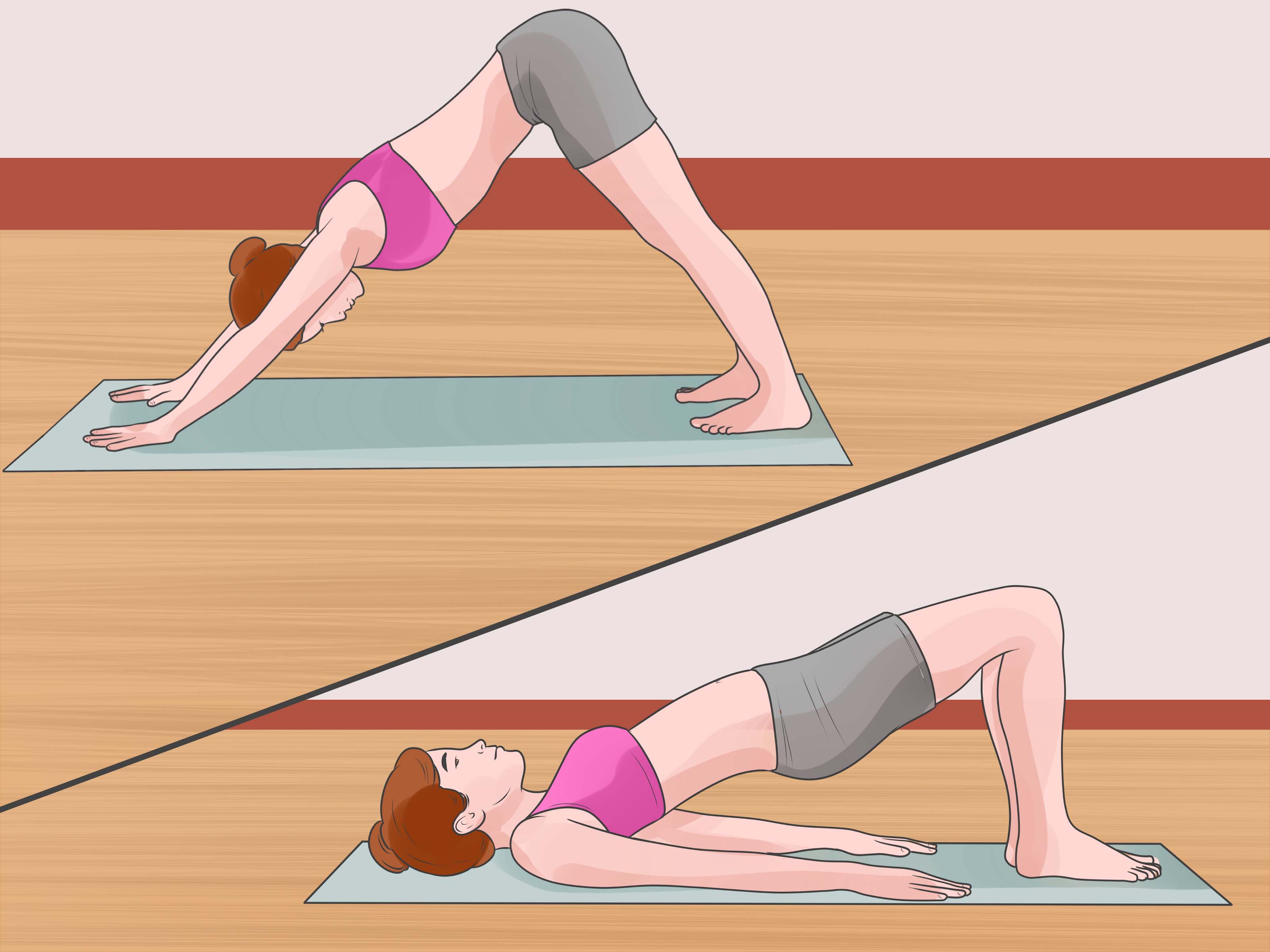
- Glute bridges: Not technically a “back exercise,” but strong glutes support the pelvis and can reduce unnecessary strain on the lower back.
A simple beginner routine might include two or three back-focused moves twice per week. For example: resistance-band rows, bird dogs, and glute bridges. As you get stronger, add dumbbell rows or lat pulldowns. The goal is steady progress, not trying to lift a weight so heavy that your ancestors feel it.
Train your back and core together
A healthy back does not work alone. Your core, hips, and glutes help stabilize your spine. That means the best back routine is not just “row until bored.” It includes exercises that teach your body to resist twisting, control movement, and stay strong during daily life.
Try adding planks, dead bugs, side planks, and slow mountain climbers. Keep the movements controlled. If your form collapses, stop the set. Fitness is not a reality show; you do not get bonus points for suffering dramatically.
Use good form before heavier weight
Back exercises can be incredibly effective, but sloppy form can turn them into a fast pass to discomfort. Keep your spine neutral during rows and hip-hinge movements. Avoid yanking weights with momentum. Pull with your back muscles instead of letting your biceps do all the work. Imagine your shoulder blades gently sliding back and down, like they are trying to tuck into your back pockets.
A good rule: if you cannot control the weight on the way down, it is probably too heavy. Lowering the weight slowly builds strength and teaches your body control. It also helps you avoid the classic gym mistake of using your entire personality to move one dumbbell.
Way 2: Improve Posture, Mobility, and Everyday Back Confidence
A strong back looks even better when your posture lets it shine. Poor posture can make the shoulders round forward, the neck jut out, and the upper back look tense. Good posture is not about standing stiff like a toy soldier. It is about natural alignment: head over shoulders, shoulders over hips, ribs stacked over pelvis, and feet grounded.
Do a quick posture check
Stand with your feet hip-width apart. Relax your knees. Let your arms hang naturally. Gently draw your shoulder blades back without squeezing them like you are trying to crack a walnut. Keep your chin level. Breathe. If you feel like you are forcing it, soften slightly.
You can also try a wall check. Stand with your back near a wall, with your head, upper back, and hips close to it. Notice whether your head wants to drift forward or your lower back arches dramatically. This is not a test you “pass” or “fail.” It is information. Your body is not being graded by a strict posture principal.
Stretch what gets tight
Modern life is basically a group project between chairs, screens, and stress. Sitting for long periods can tighten the chest, hip flexors, and lower back. That can make it harder for your back muscles to do their job.
Add these gentle mobility moves:
- Chest doorway stretch: Place your forearm on a doorframe and gently turn away until you feel a stretch across the chest.
- Cat-cow: Move slowly between rounding and arching your back to wake up the spine.
- Thoracic rotations: Sit or kneel and rotate through the upper back, not just the neck.
- Child’s pose: A gentle way to stretch the back and breathe into tight areas.
- Hip flexor stretch: Helpful if sitting makes your lower back feel cranky.
Hold stretches comfortably. You should feel tension, not pain. If your body sends a “please stop immediately” message, listen. Your muscles communicate. Sometimes they are dramatic, but they are still worth hearing.
Move more during the day
One of the most practical ways to improve your back is to interrupt long periods of sitting. You do not need a complicated office fitness ritual. Stand up, walk around, roll your shoulders, stretch your chest, or do ten slow bodyweight squats. Even a two-minute movement break can help your back feel less like it has been trapped in a meeting that could have been an email.
Set a reminder every 30 to 60 minutes. Change positions. Switch between sitting and standing if possible. Keep your screen around eye level so your neck does not spend the day auditioning for “The Hunchback of Wi-Fi.”
Way 3: Care for the Skin on Your Back
Muscles and posture matter, but skin care is part of the picture too. The back has plenty of oil glands, and because it is harder to reach, it can be more prone to clogged pores, sweat buildup, and rough patches. Back acne, sometimes called “bacne,” is common and nothing to be embarrassed about. Skin is skin. It has moods.
Shower after sweating
Sweat itself is not the villain. The problem is when sweat, oil, bacteria, sunscreen, and tight clothing hang out together too long. After workouts, yard work, hot weather, or any activity that leaves you sweaty, shower as soon as you reasonably can. Use warm water, not scorching water. Your skin is not pasta; it does not need boiling.
Choose a gentle body wash if your skin is sensitive. If you are prone to breakouts, a cleanser with benzoyl peroxide or salicylic acid may help. Benzoyl peroxide washes often work best when left on the skin for a couple of minutes before rinsing, but they can bleach towels and clothing, so rinse well and use white towels if needed.
Be gentle with exfoliation
Exfoliation can help smooth rough skin, but aggressive scrubbing can make irritation worse. Avoid attacking your back with a scratchy brush as if you are sanding a picnic table. Use a soft washcloth, gentle chemical exfoliant, or mild body product designed for acne-prone skin. Start slowly, maybe one to three times a week, and watch how your skin responds.
If breakouts are painful, widespread, leaving marks, or not improving after several weeks of consistent care, it is worth seeing a dermatologist. Professional help is not a last resort; it is just smart maintenance.
Use sunscreen when your back is exposed
If your back is visible in a swimsuit, open-back dress, tank top, or athletic gear, apply broad-spectrum sunscreen with SPF 30 or higher. Sunburn can damage skin, increase cancer risk, and make irritation worse. Reapply according to the label, especially after swimming or sweating.
For acne-prone skin, look for “oil-free” or “non-comedogenic” sunscreen. That means it is less likely to clog pores. Also, do not forget the upper back and shoulders. Those areas catch sun fast, and nothing ruins a confident back moment like realizing your shoulders are glowing like emergency exit signs.
A Simple Weekly Plan for a Stronger, Smoother Back
Here is a realistic weekly routine that combines strength, mobility, and skin care without taking over your life:
Two days per week: strength training
- Resistance-band rows: 3 sets of 10 to 15 reps
- Lat pulldown or assisted pull-up: 3 sets of 8 to 12 reps
- Bird dog: 2 sets of 8 reps per side
- Glute bridge: 3 sets of 10 to 15 reps
- Side plank: 2 short holds per side
Most days: posture and mobility
- Doorway chest stretch: 30 seconds per side
- Cat-cow: 8 slow reps
- Thoracic rotations: 6 reps per side
- Two-minute walk break after long sitting blocks
Daily: back skin care basics
- Shower after heavy sweating.
- Wear breathable workout clothes.
- Wash sports bras, gym shirts, and towels regularly.
- Use non-comedogenic sunscreen when your back is exposed.
- Avoid picking at breakouts.
This plan is simple on purpose. The best routine is the one you repeat. Complicated routines often look impressive for three days and then vanish into the same mental drawer as old passwords and ambitious meal-prep containers.
Common Mistakes That Keep Your Back From Looking and Feeling Its Best
Only training the front of the body
Push-ups, bench presses, and crunches have their place, but too much front-body training without back work can encourage imbalance. For every pushing movement, include a pulling movement. Your shoulders will thank you with fewer complaints.
Ignoring pain
Muscle effort is normal. Sharp pain, numbness, tingling, or pain that keeps returning is not something to “push through.” A healthy back should feel capable, not constantly irritated. If symptoms persist, talk with a qualified health professional.
Using posture as a punishment
Good posture should not feel like a punishment. You do not need to hold yourself perfectly every second. The real goal is posture variety, strength, and awareness. Move often. Reset gently. Build muscles that make alignment easier.
Over-scrubbing the skin
Back acne is not caused by being dirty. Scrubbing harder can inflame the skin and make breakouts more noticeable. Think gentle, consistent care. Your back needs a routine, not a courtroom interrogation.
Experience-Based Tips: What Actually Helps When You Want a Better Back
People often start chasing a better-looking back with one big dramatic plan. They buy a new outfit, save a workout video, promise themselves they will train six days a week, and then immediately discover that life has other hobbies, such as deadlines, laundry, traffic, and snacks. The real transformation usually comes from small habits that are almost boring at first. Boring, however, is underrated. Boring is where results hide.
One useful experience is learning that back training feels awkward in the beginning. Many people are used to feeling chest, arms, or legs during exercise, but the back can be harder to “find.” During rows or pulldowns, beginners often pull mostly with the arms. A simple fix is to slow down and imagine driving the elbows back instead of pulling with the hands. Another helpful cue is to pause for one second when the shoulder blades come together. That tiny pause can turn a random arm exercise into real back work.
Another practical lesson: posture improves faster when you stop trying to “stand straight” all day and start building movement breaks into normal life. A person can sit perfectly for ten minutes and still feel stiff after three hours. The back loves movement. Standing up during phone calls, stretching after long computer sessions, and walking for a few minutes after meals can make a noticeable difference. These habits may not look like fitness content, but they work in real life, where nobody has studio lighting and a personal wind machine.
Skin care also becomes easier when you treat the back like part of your regular routine instead of a mystery zone behind you. Keep a long-handled soft brush or washable cloth in the shower. Rinse conditioner carefully so it does not sit on the upper back. Change out of sweaty clothing after workouts. If using a medicated wash, give it time to sit before rinsing. These small steps are not glamorous, but neither is trying to apply body wash to your shoulder blade like a confused circus act.
Clothing can help too. Breathable fabrics reduce sweat buildup, and clothes that fit comfortably can prevent friction. This does not mean hiding your body or dressing by strict rules. It means choosing items that let you move, breathe, and feel confident. A strong back looks great in a fitted T-shirt, a blazer, a sports top, a sundress, or whatever makes you feel like your most comfortable self.
The final experience worth remembering is that confidence usually arrives before perfection. You do not need a flawless back to enjoy your body. You do not need visible muscles to stand tall. You do not need perfectly clear skin to wear what you like. A “sexy back” is not a single look. It is the combination of strength, comfort, care, and attitude. When your back feels strong, your posture feels natural, and your skin is cared for, you carry yourself differently. That difference is visible.
Conclusion: The Best Back Is Strong, Healthy, and Yours
Getting a sexy back is not about copying someone else’s body. It is about building a back that supports your life and makes you feel confident in your own skin. Strength training helps shape and support the muscles. Posture and mobility help your back move better and look more open. Skin care keeps the surface healthier, smoother, and more comfortable.
Start with two strength sessions a week, daily movement breaks, gentle stretching, and a simple shower-and-sunscreen routine. Keep it realistic. Keep it kind. Keep it consistent. Your back does a lot for you every single day. Give it some attention, and it may reward you by looking better, feeling better, and letting you carry groceries like a calm, elegant superhero.