Note: This publish-ready article is based on real betta fish care principles from aquatic veterinary guidance, aquarium husbandry best practices, and reputable fish-care education resources. It contains no external source links, citation placeholders, or unnecessary publishing artifacts.
Crowntail betta fish look like they were designed by a tiny underwater fashion committee with a flair for drama. Their spiky, fringed fins flare like royal banners, their colors can rival a neon sign, and their personalities are often much larger than their bodies. But behind that glamorous look is a fish that needs thoughtful care, especially because those beautiful fins are delicate and easy to damage.
If you recently brought home a crowntail betta, you may have heard the old myth that bettas can live happily in tiny bowls, decorative vases, or “basically anything that holds water.” That myth needs to be gently escorted out of the aquarium aisle. Crowntail bettas are hardy in some ways, but they are still tropical fish. They need warm water, clean conditions, calm filtration, proper nutrition, and a safe environment that protects their famous fins.
The good news? Caring for a crowntail betta fish is not complicated once you understand the three big priorities: create the right habitat, maintain excellent water quality, and support daily health with proper feeding and fin-safe care. Do those well, and your betta can become an active, curious, colorful little roommate who patrols the tank like a tiny monarch inspecting the kingdom.
Way 1: Create a Warm, Comfortable, Fin-Safe Habitat
The first and most important step in crowntail betta care is setting up a proper home. A crowntail betta should not be treated like a living desk decoration. It needs a real aquarium with enough room to swim, rest, explore, and show natural behavior.
Choose the Right Tank Size
A 5-gallon tank is widely considered a strong minimum for one betta, and a 10-gallon tank is even better if you have the space. Larger tanks are not only kinder to the fish; they are also easier to keep stable. In a tiny bowl, waste builds up quickly, temperature swings happen fast, and water quality can turn ugly before you have time to say, “Why is my fish giving me side-eye?”
A proper tank gives your crowntail betta room to swim horizontally, which matters because bettas naturally explore shallow, plant-rich waters. They may come to the surface for air using their labyrinth organ, but that does not mean they want to live in a puddle. A tank with a lid is also smart because bettas can jump, and nobody wants to discover their royal fish has attempted a dramatic carpet expedition.
Keep the Water Warm and Stable
Crowntail bettas are tropical fish and do best in warm water, usually around 76°F to 81°F, with many keepers aiming for about 78°F to 80°F. A small adjustable aquarium heater and a thermometer are essential tools. Room temperature is often too cool or too inconsistent, especially when air conditioning, night temperatures, or seasonal changes come into play.
Cold water can make a betta sluggish, weaken its immune system, and increase stress. Sudden temperature swings are especially risky. When you perform water changes, try to match the new water temperature closely to the tank water. Think of it like taking a shower: warm and steady feels great; surprise ice water feels like betrayal.
Use Gentle Filtration
Bettas do not enjoy strong currents. Crowntail bettas, with their long and delicate fins, can struggle even more in high-flow tanks. Choose a gentle filter, such as a sponge filter or an adjustable low-flow filter. If the current pushes your fish around or makes it avoid open areas, reduce the flow or add a filter baffle.
A filter helps house beneficial bacteria that process fish waste, which keeps the aquarium safer and more stable. However, filtration does not replace water changes. It is a helper, not a magical fish butler.
Decorate With Smooth, Safe Materials
Crowntail fins are gorgeous but fragile. Sharp plastic plants, rough rocks, jagged ornaments, and narrow decorations can tear fins. Use silk plants, live plants, smooth caves, rounded stones, and soft hiding places. A simple test many hobbyists use is the “pantyhose test”: if a decoration snags delicate fabric, it may snag a betta’s fins too.
Live plants are excellent for crowntail bettas because they provide resting spots, cover, and a more natural environment. Good beginner options include anubias, Java fern, Amazon sword, water sprite, and floating plants like frogbit. Bettas often enjoy resting near broad leaves close to the surface. It is basically their version of a recliner.
Way 2: Maintain Clean, Stable Water Conditions
If habitat is the house, water quality is the air your betta breathes. Poor water quality is one of the most common causes of stress, fin damage, appetite problems, and disease in betta fish. Clean water is not optional; it is the foundation of crowntail betta health.
Understand the Nitrogen Cycle
Fish produce waste, uneaten food breaks down, and both can create ammonia. Ammonia is toxic to fish. In a healthy aquarium, beneficial bacteria convert ammonia into nitrite, which is also harmful, and then into nitrate, which is less dangerous at low levels. This process is called the nitrogen cycle.
Before adding a betta, the best approach is to cycle the tank so beneficial bacteria are already established. A cycled tank should generally show 0 ppm ammonia, 0 ppm nitrite, and a safe, manageable nitrate level. If you already have a fish in an uncycled tank, you will need frequent testing and partial water changes to protect your betta while the bacteria colony develops.
Test the Water Regularly
A liquid aquarium test kit is one of the best investments a betta owner can make. Test for ammonia, nitrite, nitrate, and pH. For most bettas, a pH around neutral is fine, and stability usually matters more than chasing a perfect number. A stable pH in a reasonable range is better than constantly adding chemicals and turning the tank into a science fair volcano.
Test weekly in an established aquarium and more often in a new tank, after illness, after filter problems, or anytime your fish acts strangely. Warning signs may include clamped fins, gasping, hiding more than usual, refusing food, darting around the tank, or resting constantly.
Perform Consistent Water Changes
For a filtered 5- to 10-gallon betta tank, a weekly partial water change of about 20% to 30% is a practical routine. Smaller tanks or tanks with water quality issues may need more frequent changes. Always treat tap water with a water conditioner before adding it to the tank because chlorine and chloramine can harm fish and beneficial bacteria.
When changing water, avoid scrubbing every surface at once or replacing all filter media unless it is falling apart. Beneficial bacteria live on surfaces, especially in the filter. Rinse filter media gently in removed tank water, not untreated tap water, when maintenance is needed.
Keep the Tank Calm and Clean
Remove uneaten food after feeding, trim dead plant leaves, and vacuum debris from the substrate during water changes. Do not overclean the aquarium into sterility; you want a balanced ecosystem, not an operating room. But do prevent waste from piling up, because crowntail bettas are vulnerable to fin problems when water quality drops.
Cloudy water, bad smells, algae explosions, or sudden changes in fish behavior are signs that something needs attention. Most tank problems are easier to fix early. Waiting until the aquarium looks like swamp soup is not a maintenance strategy, even if your betta seems judgmental enough to supervise the cleanup.
Way 3: Feed Properly and Protect Long-Term Health
Once your crowntail betta has a safe tank and clean water, daily care becomes the next major factor. Food, enrichment, fin protection, and observation all play a role in keeping your fish active and healthy.
Feed a High-Quality Betta Diet
Bettas are carnivorous fish, so they need protein-rich foods. A high-quality betta pellet can serve as the staple diet. Look for foods with fish, shrimp, krill, or insect-based proteins near the top of the ingredient list. Avoid relying on cheap flakes that are mostly fillers, because they can cloud water and provide weaker nutrition.
Feed small portions once or twice a day. A common beginner mistake is overfeeding. Bettas have tiny stomachs, and they are talented actors when food appears. They may behave as though they have not eaten since the invention of aquariums, even if they had breakfast twelve minutes ago. Offer only what they can eat in about one to two minutes, then remove leftovers.
For variety, you can occasionally offer frozen or freeze-dried foods such as bloodworms, brine shrimp, daphnia, or mysis shrimp. These should be treats or supplements, not the entire diet unless you are carefully balancing nutrition. Soak freeze-dried foods before feeding to reduce the chance of digestive issues.
Avoid Stressful Tank Mates
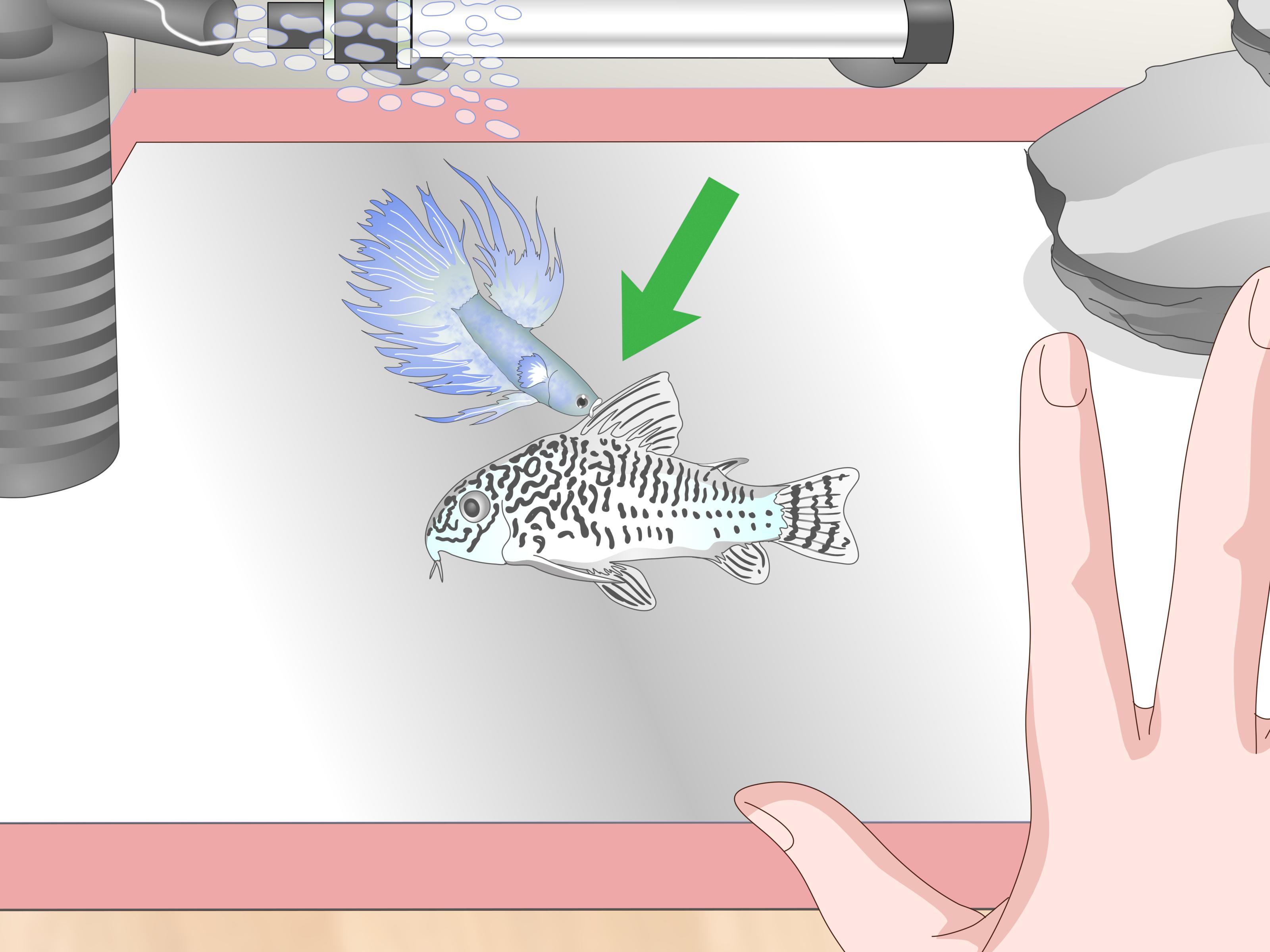
Many crowntail bettas do best alone. Male bettas should not be kept with other male bettas, and crowntails can be especially vulnerable to fin-nipping tank mates. Fish like tiger barbs, some tetras, or other fast, nippy species can damage a crowntail’s fins. Even peaceful community fish may stress a betta if the tank is too small.
If you have a larger tank and want companions, consider peaceful options carefully, such as certain snails or shrimp, but understand that individual betta personalities vary. Some bettas ignore tank mates. Others wake up and choose chaos. Always have a backup plan if aggression appears.
Watch the Fins Closely
Crowntail fins naturally look spiky and separated, so new owners sometimes confuse normal crowntail fin structure with damage. Learn your fish’s normal appearance. Take a clear photo when the fish is healthy so you have a reference.
Fin problems may show up as ragged edges, unusual shortening, discoloration, black or red edging, fuzzy growth, clamped fins, or sudden tears. Causes can include sharp décor, strong filter flow, fin-nipping tank mates, poor water quality, or infection. The first response should always be to check water parameters, remove hazards, and improve conditions. Clean, warm, stable water gives a betta the best chance to heal from minor fin damage.
Provide Enrichment Without Overcomplicating Things
Crowntail bettas are intelligent, curious fish. They benefit from a tank that gives them places to explore and rest. Add plants, gentle hiding spots, floating logs, leaf hammocks, or shaded areas. You can occasionally rearrange small safe items during maintenance to make the environment interesting, but avoid changing everything at once and stressing the fish.
Some bettas learn to recognize their owner, follow fingers along the glass, or flare briefly at a mirror. Short mirror sessions can be exercise, but do not overdo it. A few minutes is enough. Constant flaring can cause stress and exhaustion. The goal is enrichment, not turning your betta into a tiny aquatic bodybuilder with anger issues.
Common Crowntail Betta Care Mistakes to Avoid
Keeping the Fish in a Bowl
Bowls are usually too small, hard to heat, difficult to filter, and unstable. A crowntail betta in a proper heated aquarium will almost always be healthier and more active than one kept in a tiny decorative container.
Using Sharp Decorations
Those dramatic crowntail fins are the main attraction, but they are also easy to tear. Choose smooth décor, silk plants, or live plants. Avoid anything with rough edges, narrow holes, or scratchy plastic leaves.
Skipping Water Testing
Clear water is not always safe water. Ammonia and nitrite can be present even when the tank looks clean. Testing removes guesswork and helps you solve problems before they become emergencies.
Overfeeding
Too much food can cause bloating, constipation, and dirty water. Feed small portions and keep treats occasional. Your betta may beg like a professional, but you are the responsible adult in the room.
Ignoring Behavior Changes
A healthy crowntail betta is usually alert, responsive, and curious. If your fish suddenly hides, stops eating, clamps its fins, gasps, or becomes unusually inactive, check temperature and water parameters first.
Practical Experience: What Crowntail Betta Owners Learn Over Time
Many new crowntail betta owners start with excitement and a shopping list. They buy the prettiest fish, the flashiest decoration, and maybe a tiny tank because the store shelf suggests it is “perfect for bettas.” Then, after a few weeks, reality taps on the glass. The fish is not as active as expected, the fins look rough, or the water gets cloudy faster than planned. This is where experience begins.
The first lesson most keepers learn is that bigger tanks are easier, not harder. A 10-gallon aquarium may seem intimidating at first, but it is often more forgiving than a tiny setup. Temperature stays steadier, waste is diluted more safely, and the fish has room to behave naturally. Owners who upgrade from a small bowl or 2-gallon tank often notice their betta exploring more, building bubble nests, resting on leaves, and greeting them at feeding time. It is like watching a grumpy little prince move from a closet into a proper castle.
The second lesson is that crowntail fins need protection. A decoration may look harmless to human eyes, but betta fins are delicate. Many keepers discover this after seeing small tears and then realizing the culprit is a plastic plant, a rough cave, or a filter intake. Once they switch to silk plants, live plants, smooth hides, and gentle flow, the fins often look better over time. The tank may also look more natural, which is a bonus for both fish and owner.
The third lesson is that water testing beats guessing. Beginners often assume that if the water is clear, everything is fine. Experienced keepers know better. A tank can look sparkling clean while ammonia or nitrite quietly causes stress. Keeping a test kit nearby turns mysterious fish behavior into solvable clues. If a betta refuses food, clamps its fins, or spends too much time at the bottom, testing the water is usually step one.
The fourth lesson is that feeding less can be healthier. Bettas are enthusiastic eaters, and crowntails are no exception. They may wiggle, stare, and perform tiny underwater drama routines when they see food. But overfeeding leads to bloating and poor water quality. Owners who switch to measured portions often see better activity, cleaner tanks, and fewer digestive problems. A varied diet also helps: quality pellets as the foundation, with occasional frozen or freeze-dried treats for enrichment.
The fifth lesson is patience. A beautiful betta tank is not created in one afternoon. It settles and improves over time. Plants grow in. Beneficial bacteria establish themselves. The fish learns the layout and becomes more confident. The owner learns the fish’s personality: bold, shy, curious, dramatic, lazy, or possibly all five before lunch. Crowntail betta care becomes much easier when you stop chasing perfection and focus on consistency.
In the end, experienced keepers usually agree on one thing: crowntail bettas are not difficult fish when their basic needs are respected. They need warm water, clean conditions, safe décor, gentle filtration, good food, and an owner who pays attention. Give them that, and they reward you with color, personality, and enough attitude to make the aquarium feel like it has a very small CEO.
Conclusion
Caring for a crowntail betta fish comes down to three essential habits: build a warm and safe habitat, maintain clean and stable water, and support health through proper feeding and daily observation. These fish may be small, but they are not low-effort ornaments. Their dramatic fins and lively personalities deserve a setup that helps them thrive.
A heated 5-gallon or larger tank, gentle filtration, smooth decorations, regular water testing, weekly partial water changes, and a protein-rich diet will solve most common betta care problems before they start. Add patience and attention, and your crowntail betta can become one of the most rewarding freshwater fish to keep.
Think of it this way: your crowntail betta brings the glamour. Your job is to bring the clean water, warm temperature, and snacks. That is a fair partnership.