Vitamin K has spent most of its career being known as the “blood-clotting vitamin,” which is a bit like calling a smartphone “that thing with a calculator.” Useful? Yes. Complete? Not even close. In recent years, researchers have started looking at vitamin K as a possible player in brain health, memory, learning, and cognitive aging. That does not mean a bowl of kale is a magic shield against dementia, but it does mean this overlooked nutrient deserves a little more attention than it usually gets between vitamin D hype and omega-3 headlines.
The idea behind the headline “Dementia: Vitamin K may prevent cognitive decline” is promising, but it needs careful wording. Vitamin K may support brain health and may be linked with slower cognitive decline, especially when it comes from a healthy diet rich in leafy greens and other whole foods. However, scientists have not proven that vitamin K supplements can prevent dementia, reverse Alzheimer’s disease, or rescue your memory after years of misplacing your keys in increasingly creative places.
What we do have is a growing body of research suggesting that vitamin K is involved in brain biology. Studies in older adults have linked higher vitamin K status or intake with better cognitive performance. Laboratory and animal studies suggest vitamin K may influence inflammation, nerve-cell health, and the hippocampus, the brain region deeply involved in memory. Put simply: vitamin K may not be the star quarterback of dementia prevention, but it might be a valuable teammate.
What is vitamin K?
Vitamin K is a fat-soluble vitamin, meaning your body absorbs it better when it is eaten with some dietary fat. It comes in two main forms. Vitamin K1, also called phylloquinone, is found mostly in green leafy vegetables such as kale, spinach, collard greens, Swiss chard, broccoli, and Brussels sprouts. Vitamin K2, a group of compounds called menaquinones, appears in some fermented foods and animal-based foods. One form of K2, called MK-4, has received special attention because it is found in brain tissue.
For decades, vitamin K was mainly discussed in relation to blood clotting and bone health. That remains important. Without enough vitamin K, the body has trouble activating proteins needed for normal clotting. Vitamin K also helps activate proteins involved in bone mineralization. But scientists now know vitamin K-dependent proteins are active in many tissues, including the brain. That discovery opened a new research question: could vitamin K help protect cognitive function as we age?
How could vitamin K affect the brain?
The brain is not just a gray blob running on coffee and anxiety. It is a high-demand organ that depends on blood flow, healthy cell membranes, energy balance, inflammation control, and constant communication between nerve cells. Vitamin K may touch several of those systems.
Vitamin K and brain cell membranes
Vitamin K appears to be involved in the metabolism of sphingolipids, a class of fats that help form brain cell membranes. Healthy membranes matter because neurons need stable, flexible structures to send and receive signals. When those communication systems become damaged, memory and learning can suffer.
Vitamin K and inflammation
Chronic inflammation is one of the usual suspects in age-related cognitive decline. It is not the dramatic swelling you see after twisting an ankle; it is more like a slow, smoky irritation inside the body. Animal research suggests that low vitamin K intake may increase neuroinflammation, particularly in memory-related areas of the brain. That is one reason researchers are interested in whether vitamin K status could influence brain aging.
Vitamin K and the hippocampus
The hippocampus is a key brain region for learning and memory. In recent mouse research, low vitamin K intake was associated with poorer performance on learning and memory tasks, reduced brain levels of MK-4, increased inflammation, and lower neurogenesis, which means fewer new neurons were being formed in the hippocampus. Of course, mice are not tiny humans wearing lab coats. Animal findings are useful, but they do not automatically translate into clinical advice for people.
What does human research say about vitamin K and cognitive decline?
Human research is encouraging but still not conclusive. Several observational studies have found associations between higher vitamin K intake or better vitamin K status and stronger cognitive performance in older adults. In one research area, scientists studying brain tissue found that MK-4 was the main form of vitamin K detected in the brain and that higher brain MK-4 levels were associated with better cognitive measures and lower odds of dementia-related findings during life.
That sounds exciting, and it is. But observational research can show a relationship, not proof of cause and effect. People who eat more vitamin K-rich vegetables may also exercise more, sleep better, have better blood pressure, eat less ultra-processed food, or have better access to medical care. In other words, vitamin K may be helping, but it may also be traveling with a whole squad of healthy habits.
This is why responsible health writing should avoid the “one nutrient saves your brain” trap. Dementia is complex. Alzheimer’s disease, vascular dementia, Lewy body dementia, frontotemporal dementia, and other forms involve different biological pathways. Genetics, blood vessel health, sleep, hearing loss, diabetes, depression, smoking, social isolation, education, exercise, and diet can all influence risk. Vitamin K may be one piece of the puzzle, but it is not the whole jigsaw box.
Vitamin K foods that may support brain health
The best way to approach vitamin K for brain health is through food first, not a giant supplement bottle promising “genius mode by Tuesday.” Foods rich in vitamin K often bring other brain-supportive nutrients along for the ride, including folate, lutein, beta carotene, fiber, magnesium, and antioxidants.
Leafy green vegetables
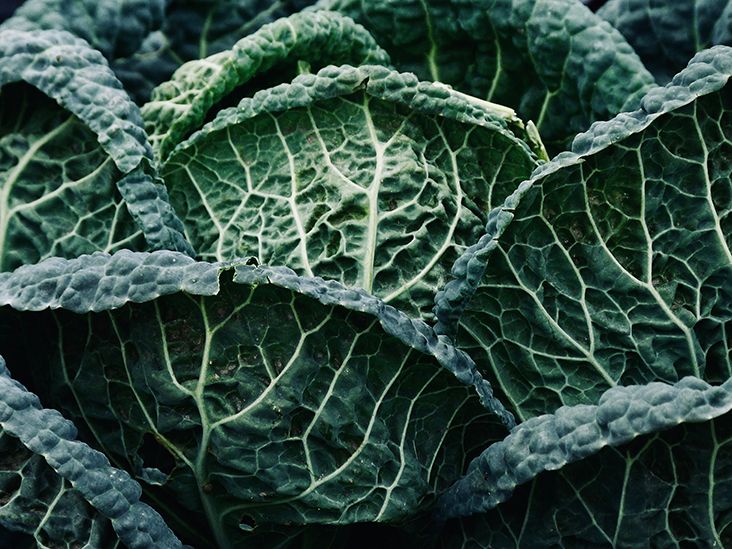
Kale, spinach, collard greens, mustard greens, turnip greens, romaine lettuce, and Swiss chard are among the best-known vitamin K sources. These foods are also central to the MIND diet, a dietary pattern designed from the Mediterranean and DASH diets with a focus on brain health. Leafy greens are not glamorous, but they are reliable. Think of them as the sensible friend who shows up on time, brings snacks, and reminds everyone to drink water.
Cruciferous vegetables
Broccoli, Brussels sprouts, cabbage, and cauliflower can also contribute vitamin K, along with fiber and plant compounds that support overall health. Roasting Brussels sprouts with olive oil, garlic, and a squeeze of lemon can convert even former vegetable skeptics. If your childhood memory of Brussels sprouts involves gray-green sadness, the problem was probably the cooking, not the vegetable.
Fermented and animal-based sources of vitamin K2
Some cheeses, egg yolks, chicken, and fermented foods contain forms of vitamin K2. Natto, a fermented soybean food, is especially rich in K2, though its texture has been known to test friendships. Vitamin K2 research is still developing, and the exact relationship between different forms of vitamin K and brain health remains under investigation.
Vitamin K and the MIND diet
The MIND diet is often discussed in dementia prevention because it emphasizes foods associated with better cognitive aging. It encourages leafy green vegetables, other vegetables, berries, nuts, beans, whole grains, fish, poultry, olive oil, and moderate wine intake for adults who already drink. It limits red meat, butter, cheese, pastries, sweets, and fried fast food. For this article’s purpose, the leafy green part matters most because it naturally increases vitamin K intake.
Research on the MIND diet is mixed but still useful. Observational studies have often linked stronger adherence to the MIND diet with lower dementia risk or slower cognitive decline. However, clinical trials show that diet effects can be more modest when tested under controlled conditions. That does not make healthy eating pointless. It simply means the brain does not change overnight because someone added spinach to lunch and whispered “neuroprotection” at it.
Can vitamin K supplements prevent dementia?
At this point, there is not enough evidence to recommend vitamin K supplements as a proven dementia-prevention treatment. This is important. A nutrient can be biologically interesting and still not be ready for supplement-based promises. Many nutrients look impressive in early studies, but clinical outcomes in humans are harder to prove.
For most people, the safer and smarter approach is to eat more vitamin K-rich foods as part of a balanced diet. This supports not only potential brain health but also heart health, bone health, gut health, and blood sugar control. Since cardiovascular health is closely tied to brain health, a diet rich in vegetables, whole grains, healthy fats, and lean proteins may help the brain indirectly by protecting blood vessels.
There is one big caution: people who take warfarin or certain other blood-thinning medications must be careful with vitamin K. Vitamin K can interfere with how warfarin works. The goal is not usually to avoid vitamin K completely, but to keep intake consistent and follow medical guidance. Anyone on blood thinners should talk with a healthcare professional before changing vitamin K intake or taking a supplement.
How much vitamin K do adults need?
In the United States, the adequate intake level for vitamin K is commonly listed as 120 micrograms per day for adult men and 90 micrograms per day for adult women. Many leafy greens contain enough vitamin K that even a modest serving can contribute significantly. For example, a salad with spinach, a side of broccoli, or a serving of sautéed kale can move the needle quickly.
Because vitamin K is fat-soluble, pairing greens with healthy fat may improve absorption. That could mean olive oil vinaigrette on a salad, avocado with greens, or vegetables cooked with a small amount of olive oil. No need to drown spinach in dressing like it owes you money. A little fat is enough.
Practical ways to add vitamin K-rich foods
Improving vitamin K intake does not require a dramatic kitchen makeover. Start with easy upgrades. Add spinach to scrambled eggs. Toss chopped kale into soup. Use romaine or baby greens instead of iceberg lettuce. Add steamed broccoli to pasta. Blend spinach into a smoothie with berries and yogurt. Use herbs like parsley and basil generously. Keep frozen greens on hand for nights when the refrigerator looks like a tiny abandoned warehouse.
If you dislike salads, do not force yourself to live a crunchy life of resentment. Try cooked greens instead. Sauté spinach with garlic. Roast broccoli until crispy. Stir collard greens into beans. Add chopped kale to chili. Mix greens into rice bowls with chicken, salmon, tofu, or beans. The goal is consistency, not perfection.
Vitamin K works best as part of a brain-health lifestyle
Dementia prevention is not about one vitamin. It is about patterns. Public health and medical organizations consistently emphasize regular physical activity, blood pressure control, diabetes management, smoking avoidance, good sleep, hearing care, mental stimulation, social connection, and a healthy diet. These habits may sound boring compared with a miracle pill, but boring often works. Seat belts are boring too, and nobody complains when they do their job.
Vitamin K-rich foods fit nicely into this larger lifestyle pattern. Leafy greens support heart health. Fiber-rich vegetables help metabolic health. Whole-food meals may reduce reliance on ultra-processed foods. When combined with movement, sleep, social engagement, and medical care, better nutrition becomes one part of a long-term brain-protection strategy.
Common myths about vitamin K and dementia
Myth 1: Vitamin K can cure dementia
No. There is no reliable evidence that vitamin K cures dementia. Dementia is a medical condition that needs professional evaluation and care. Vitamin K may support brain health, but it should not replace diagnosis, treatment, medication, therapy, caregiver support, or safety planning.
Myth 2: More vitamin K is always better
Not necessarily. With nutrition, “more” is not always the same as “better.” The goal is adequate, consistent intake from a balanced diet. Supplements should be discussed with a healthcare professional, especially for people on medications.
Myth 3: Only older adults should care about brain nutrition
Brain health is built over decades. Habits formed in midlife can affect blood vessels, blood sugar, inflammation, and cognitive aging later on. You do not need to wait until retirement to introduce your brain to broccoli.
Who should pay extra attention to vitamin K?
People who eat very few vegetables may have lower vitamin K intake. People with certain digestive disorders, fat malabsorption issues, or long-term use of medications that affect absorption may also need medical guidance. Older adults with poor appetite, limited food access, or highly restricted diets may benefit from nutrition review. Again, this does not automatically mean supplementation; it means a healthcare professional can help assess the full picture.
Caregivers of people with memory problems can also use food routines to support nutrition. Simple meals, familiar flavors, pre-cut vegetables, soups, smoothies, and colorful plates may help. For someone already living with dementia, eating can become harder because of appetite changes, swallowing issues, medication effects, or difficulty recognizing food. In those cases, practical caregiving support matters as much as nutrient theory.
Experience-based reflections: living with the vitamin K and brain-health question
When people first hear that vitamin K may help protect against cognitive decline, the reaction is often split into two camps. One group immediately wants to buy supplements. The other looks suspiciously at kale as if it has been hiding medical secrets in the produce aisle. Real life, as usual, sits somewhere in the middle.
Imagine an adult child helping a parent who has started repeating questions, forgetting appointments, or struggling with recipes they once made from memory. The family may search for anything that could help: crossword puzzles, walking routines, sleep improvements, Mediterranean meals, fish oil, vitamin D, B vitamins, and now vitamin K. That search is understandable. When memory changes appear, hope becomes very practical. People do not want vague advice; they want something they can put on a plate tonight.
A vitamin K-focused approach can be helpful because it turns fear into a manageable habit. Instead of obsessing over one supplement, the family might begin with meals: spinach omelets twice a week, lentil soup with chopped kale, salmon with broccoli, turkey wraps with romaine, berry salads with walnuts, or a simple stir-fry with cabbage and olive oil. These meals are not magic, but they are nourishing. They support the body while giving caregivers and older adults a sense of agency.
One common experience is that small changes are more sustainable than dramatic diet makeovers. A person who has eaten toast and coffee for breakfast for 40 years may not suddenly become a green-smoothie influencer. But adding a handful of spinach to eggs? That is realistic. Swapping a low-nutrient side dish for roasted broccoli? Also realistic. Keeping frozen greens for soups? Very realistic. The less heroic the habit feels, the more likely it is to survive a busy Tuesday.
Another real-world lesson is that food has to taste good. Many older adults grew up with vegetables boiled into surrender. If that is the memory, no wonder leafy greens seem like punishment. Better preparation can change everything. Olive oil, garlic, lemon, herbs, pepper, toasted nuts, beans, eggs, or a small amount of cheese can make greens enjoyable. The brain may appreciate nutrients, but the mouth still gets a vote.
Families also learn that nutrition is emotional. A parent may resist “brain healthy” meals because the phrase feels like a diagnosis served on a plate. It can be better to frame meals as delicious, colorful, heart healthy, or simply familiar. Nobody wants dinner to feel like homework. A warm bowl of bean soup with greens can feel comforting; a lecture about neuroinflammation rarely does.
For caregivers, the biggest benefit of focusing on vitamin K-rich foods may be that it encourages a broader pattern of care. Once leafy greens enter the routine, other habits often follow: more walking, better hydration, fewer ultra-processed snacks, regular medical checkups, and more attention to sleep. That combined pattern is far more powerful than treating vitamin K as a solo superhero.
The most balanced takeaway from real-life experience is this: vitamin K is worth including, but not worth obsessing over. Eat the greens. Enjoy the broccoli. Try fermented foods if you like them. Keep medication interactions in mind. Talk with a healthcare professional when needed. Then zoom out. A brain-supportive life is built from meals, movement, sleep, relationships, purpose, and medical care. Vitamin K may help keep the lights on, but the whole house still needs wiring.
Conclusion
Vitamin K may play a meaningful role in cognitive health, especially through its involvement in brain fats, inflammation, and memory-related brain regions. Human studies suggest links between better vitamin K status and healthier cognitive aging, while animal and laboratory research offers possible biological explanations. Still, the evidence does not prove that vitamin K supplements prevent dementia or stop cognitive decline.
The best advice is refreshingly practical: eat more vitamin K-rich whole foods, especially leafy green vegetables, as part of a balanced brain-healthy diet. Combine that with regular exercise, good sleep, blood pressure control, diabetes prevention or management, hearing care, social connection, and medical guidance. Your brain does not need a miracle. It needs consistent support, preferably with a side of roasted broccoli that does not taste like childhood trauma.