Pie crust is one of those kitchen ingredients that quietly overachieves. It is buttery, flaky, crisp at the edges, tender in the middle, and suspiciously good at making leftovers look like a plan. But here is the delicious twist: pie crust does not need pie to be useful. In fact, some of the best pie crust ideas have nothing to do with a traditional apple, pumpkin, or pecan pie.
Whether you have a box of refrigerated pie dough, a homemade disk waiting in the freezer, or awkward scraps left after trimming a crust, you are already halfway to snacks, appetizers, breakfast treats, dinner shortcuts, and desserts that make people ask, “Wait, you made this from pie crust?” Yes. Yes, you did. And you may now accept applause.
This guide rounds up 19 creative ways to use pie crust beyond pie, including sweet bites, savory appetizers, quick lunches, and clever no-waste baking ideas. These ideas work with homemade pie dough, store-bought refrigerated crust, or leftover pie dough scraps. The goal is simple: turn that flaky dough into something fun, practical, and absolutely worth preheating the oven for.
Why Pie Crust Works for More Than Pie
Pie crust is basically a blank canvas made of flour, fat, salt, and water. That simple structure is exactly what makes it so flexible. It can lean sweet with cinnamon sugar, jam, fruit, chocolate, or cream cheese. It can also go savory with cheese, herbs, eggs, vegetables, meats, and spices. Unlike puff pastry, pie crust is less dramatic and easier to handle. Unlike bread dough, it does not need rising time. Unlike phyllo, it does not require the emotional stability of a pastry chef.
The best results come from treating pie crust gently. Keep it cold, roll it evenly, avoid overworking scraps, and bake until golden brown. For bite-size items, a hot oven helps create crisp edges. For filled pastries, sealing the edges well prevents leaks. For crackers or cookies, thinner dough usually gives you a better crunch.
19 Pie Crust Ideas That Have Nothing to Do With Pie
1. Cinnamon Sugar Pie Crust Cookies
Pie crust cookies are the classic “oops, I have scraps” solution. Roll the dough thin, brush it with melted butter or egg wash, sprinkle with cinnamon sugar, and bake until golden. The result is crisp, buttery, and wildly snackable. They taste like the edges of a pie decided to become cookies and live their best life.
For extra flair, use cookie cutters to make stars, hearts, leaves, or holiday shapes. A light drizzle of vanilla glaze turns these simple scraps into a bakery-style treat.
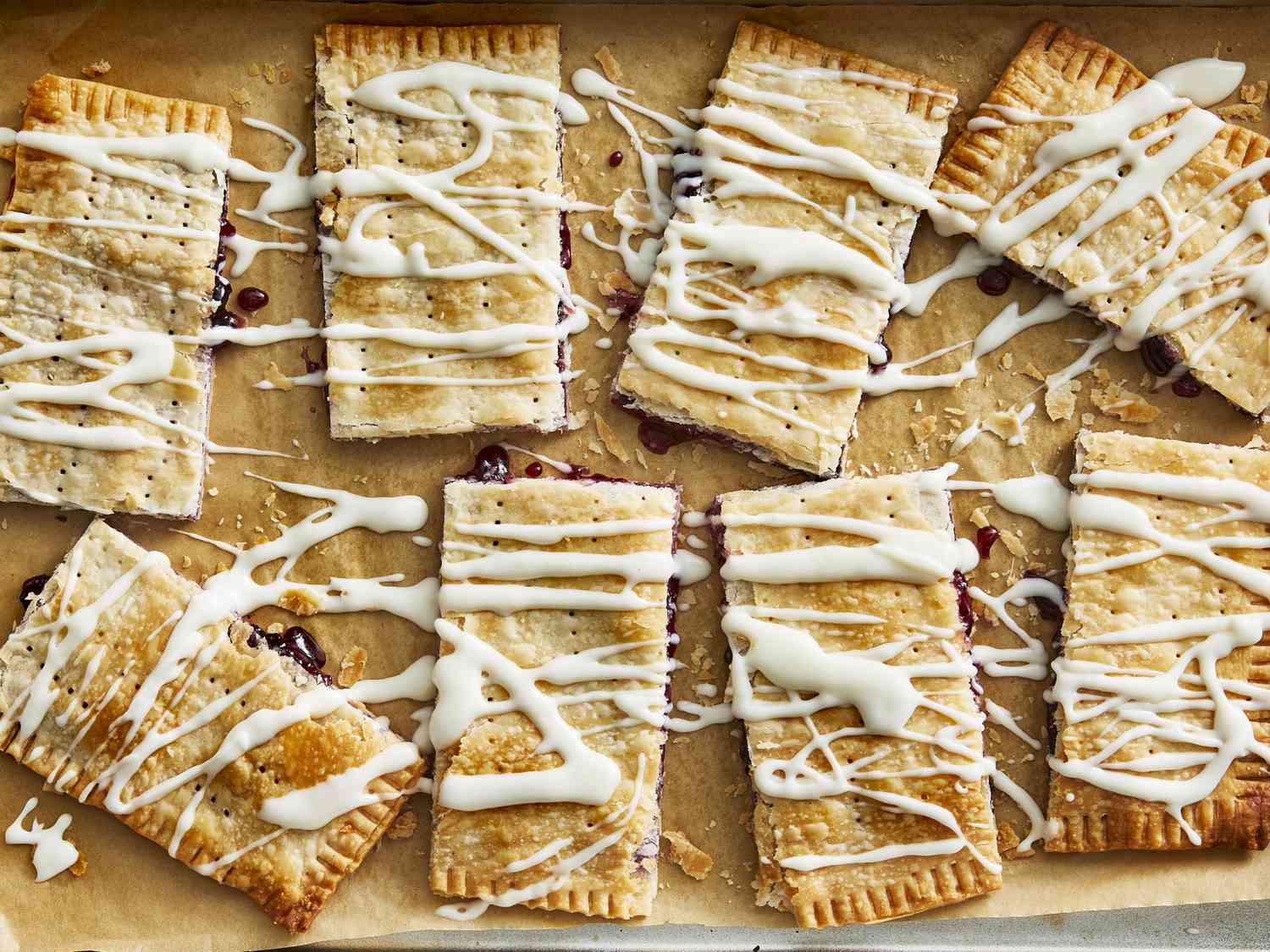
2. Homemade Toaster Pastries
Use pie crust to make homemade toaster-style pastries filled with jam, fruit preserves, chocolate spread, or sweetened cream cheese. Cut the dough into rectangles, spoon filling into the center, top with another rectangle, crimp the edges, and bake.
Once cooled, add a powdered sugar glaze and sprinkles. Suddenly, breakfast looks cheerful enough to distract everyone from the fact that it is Monday.
3. Savory Cheese Crackers
Pie crust can become crisp, flaky crackers with very little effort. Roll the dough thin, sprinkle with grated Parmesan, cheddar, black pepper, garlic powder, rosemary, or everything bagel seasoning, then cut into squares or strips.
Bake until crisp and serve with soup, salad, charcuterie boards, or dips. These crackers are especially useful when you want a homemade snack without making an entire batch of dough from scratch.
4. Mini Quiche Cups
Press small rounds of pie crust into a muffin tin and fill them with beaten eggs, cheese, cooked vegetables, and crumbled bacon, ham, or sausage. Bake until the filling is set and the crust is lightly browned.
Mini quiche cups are excellent for brunch, meal prep, lunchboxes, or “I need something fancy but I am still wearing slippers” situations. Try spinach and feta, mushroom and Swiss, or broccoli and cheddar.
5. Fruit Turnovers
Fruit turnovers are one of the easiest pie crust desserts that are not pie. Cut the crust into circles or squares, add a spoonful of apple, cherry, peach, blueberry, or strawberry filling, fold, seal, and bake.
Keep the filling modest so the turnover does not burst open in the oven. A little cornstarch can help thicken juicy fruit, while a sprinkle of sugar on top gives the pastry a pretty sparkle.
6. Pie Crust Pinwheels
Pinwheels are simple, pretty, and ideal for using leftover pie dough. Roll out the dough, spread it with softened butter, sprinkle with cinnamon sugar or brown sugar, roll it into a log, slice into rounds, and bake.
For a savory version, use pesto, shredded cheese, sun-dried tomato paste, or olive tapenade. Pinwheels are small enough for appetizers but tasty enough to disappear before the tray reaches the table.
7. Breakfast Hand Pastries
Pie crust makes a terrific wrapper for portable breakfast pastries. Fill small rounds with scrambled eggs, cheese, cooked sausage, roasted peppers, or spinach. Fold into half-moons and bake until crisp.
These are handy for busy mornings because they can be reheated in the oven or toaster oven. They also prove that breakfast does not have to choose between practical and delicious.
8. Empanada-Style Snacks
Traditional empanada dough has its own character, but pie crust can make a quick shortcut version for home cooks. Fill circles of dough with seasoned beef, shredded chicken, beans, cheese, corn, or roasted vegetables.
Seal the edges tightly with a fork, brush with egg wash, and bake until golden. Serve with salsa, sour cream, chimichurri, or a squeeze of lime.
9. Pie Crust Pizza Bites
For a fast snack, spread pie crust with a thin layer of pizza sauce, add mozzarella and pepperoni, then roll or fold into bite-size pieces. Bake until the cheese melts and the crust crisps.
The key is not overfilling. Pie crust is sturdy, but it is not a moving truck. Keep the fillings light so every bite stays flaky instead of soggy.
10. Palmiers with Pie Dough
Classic palmiers are usually made with puff pastry, but pie crust can create a charming, crisp variation. Sprinkle sugar over the dough, fold both sides toward the center, fold again, slice, and bake until caramelized.
Try cinnamon sugar, cardamom sugar, lemon zest sugar, or cocoa sugar. These little pastries look elegant but require only a few ingredients.
11. Pot Pie Toppers Without the Pot Pie
Cut pie crust into biscuits, strips, or decorative shapes and bake them separately as toppers for creamy soups, stews, or casseroles. Instead of making a full pot pie, you get the best part: golden crust on demand.
Float a few baked crust shapes over chicken soup, vegetable chowder, beef stew, or creamy mushroom soup. It is comfort food with a flaky hat.
12. Tartlets That Are Technically Not Pie
Mini tartlets are a smart way to use pie crust for appetizers and desserts. Press small rounds into muffin tins, bake until lightly golden, and fill after baking with lemon curd, pastry cream, whipped ricotta, chocolate ganache, or fresh fruit.
For savory tartlets, fill with goat cheese and caramelized onions, tomato and basil, or spinach and artichoke dip. They are small, tidy, and party-friendly.
13. Nutella or Chocolate Pocket Pastries
Chocolate and pie crust are a dangerous combination in the best possible way. Add a small spoonful of chocolate-hazelnut spread, chopped chocolate, or chocolate chips to a piece of dough, fold, seal, and bake.
Finish with powdered sugar or a drizzle of melted chocolate. Serve warm so the filling stays gooey and dramatic, like a dessert with a tiny spotlight.
14. Herb Straws
Pie crust can easily become savory pastry straws. Roll out the dough, brush with egg wash, sprinkle with herbs, salt, pepper, and grated cheese, then cut into strips. Twist each strip and bake until golden.
Rosemary Parmesan, thyme cheddar, garlic parsley, and smoked paprika Asiago are all excellent combinations. Serve them with cocktails, soup, or a snack board.
15. Mini Galettes Without the Pie Commitment
A galette is pie’s relaxed cousin, but mini galettes feel different enough to earn their spot on this list. Cut pie crust into smaller circles, add fruit or vegetables in the center, fold the edges over, and bake.
Try apple and cranberry, peach and honey, tomato and goat cheese, or zucchini and ricotta. Mini galettes are rustic, forgiving, and perfect when you want something pretty without measuring your ambition in pie plates.
16. Pie Crust Nachos
Cut pie crust into triangles, brush with butter, sprinkle with cinnamon sugar, and bake until crisp. Then use them as dessert nachos. Top with warm fruit, caramel sauce, chocolate drizzle, whipped cream, chopped nuts, or vanilla ice cream.
For a savory version, season the triangles with chili powder and cheese, then serve with queso, salsa, or bean dip. It sounds playful because it is. Food is allowed to have a sense of humor.
17. Jam-Filled Thumbprint Bites
Roll small pieces of pie dough into balls, flatten slightly, press a small indentation in the center, and fill with jam. Bake until the edges are golden and the jam is bubbling gently.
These are not traditional thumbprint cookies, but they deliver the same sweet-tart pleasure with a flakier texture. Raspberry, apricot, strawberry, and fig jam all work beautifully.
18. Savory Breakfast Tart Squares
Roll pie crust into a rectangle, score a border around the edges, and top the center with cheese, sautéed vegetables, and an egg. Bake until the crust is crisp and the egg is cooked to your liking.
This is a great weekend breakfast idea because it looks impressive but uses simple ingredients. Try asparagus and Gruyère, tomato and mozzarella, or spinach and feta.
19. Pie Crust Dippers
Cut pie crust into long strips and bake them plain, sweet, or savory. Sweet dippers can be coated in cinnamon sugar and served with chocolate sauce, caramel, fruit dip, or whipped cream. Savory dippers can be seasoned with herbs and served with hummus, spinach dip, or tomato soup.
This is one of the best no-waste pie crust ideas because even oddly shaped scraps can become dippers. Nobody needs to know they started as kitchen confetti.
Sweet Pie Crust Ideas vs. Savory Pie Crust Ideas
One of the best things about pie crust is that it plays nicely on both teams. Sweet versions usually benefit from butter, sugar, warm spices, fruit, chocolate, or glaze. Savory versions shine with cheese, herbs, cooked meats, roasted vegetables, eggs, and bold seasonings.
If you are using a sweetened homemade dough, lean toward cookies, turnovers, palmiers, dessert nachos, and fruit pastries. If your dough is plain or lightly salted, it can go in almost any direction. Store-bought refrigerated pie crust is usually neutral enough for both sweet and savory recipes.
Tips for Better Results With Store-Bought or Homemade Pie Crust
Keep the Dough Cold
Cold dough is easier to cut, fold, and shape. If your pie crust becomes sticky, soft, or floppy, place it in the refrigerator for 10 to 15 minutes before continuing. This helps preserve flakiness and makes the dough less likely to tear.
Do Not Overfill
Most pie crust snacks are small, so a little filling goes a long way. Too much jam, cheese, sauce, or fruit can leak out during baking. Leave a border around the edges and seal filled pastries firmly.
Use Egg Wash for Shine
Egg wash gives baked pie crust a glossy, golden finish. Use one beaten egg with a splash of water or milk. For sweeter items, sprinkle sugar on top after brushing. For savory items, add flaky salt, herbs, or grated cheese.
Bake on Parchment Paper
Parchment paper makes cleanup easier, especially when baking pastries filled with jam, chocolate, or cheese. If something leaks, your baking sheet will not need a rescue mission.
Adjust Baking Time by Size
Small crackers and strips may bake quickly, while thicker turnovers or filled pastries need more time. Most pie crust ideas bake best when the crust turns golden brown and looks crisp around the edges.
How to Store and Reheat Pie Crust Creations
Most baked pie crust snacks taste best the day they are made, when the texture is crisp and flaky. Store sweet cookies, crackers, and dippers in an airtight container at room temperature for one to two days. Filled pastries with dairy, eggs, meat, or cream cheese should be refrigerated.
To reheat savory pastries, use an oven or toaster oven instead of a microwave. The microwave may make the crust soft, while dry heat helps bring back crispness. For freezer-friendly items like turnovers or breakfast hand pastries, freeze them in a single layer first, then transfer to a freezer bag.
Common Mistakes to Avoid
Rolling the Dough Too Thick
Thick dough can bake up heavy, especially for crackers, cookies, and dippers. Roll the dough evenly so it bakes at the same rate.
Skipping the Chill Time
Warm pie crust can shrink, spread, or lose definition in the oven. Chilling shaped pastries before baking helps them hold their form.
Using Wet Fillings Without Thickening
Juicy fruit, watery vegetables, and thin sauces can make pie crust soggy. Drain cooked vegetables, thicken fruit fillings, and use sauces sparingly.
Forgetting to Vent Filled Pastries
Turnovers and hand pastries need small vents so steam can escape. A tiny slit on top prevents the pastry from puffing too aggressively or bursting at the seams.
Real-Kitchen Experience: What Makes These Pie Crust Ideas Work
The first thing you learn when playing with pie crust is that scraps are not scraps. They are future snacks. The thin leftover strips from trimming a pie plate might look too random to save, but after a little butter, cinnamon sugar, and heat, they become the kind of treat people hover around. In many kitchens, those little baked scraps disappear faster than the actual pie. It is humbling for the pie, but wonderful for the baker.
One practical experience that matters: pie crust rewards confidence but punishes fussing. If you roll it, fold it, unfold it, reshape it, patch it, and then roll it again, the dough can become tough. That is why simple shapes are often best. Rectangles make great toaster pastries. Circles make turnovers. Strips make dippers. Triangles make dessert nachos. You do not need perfection; you need a hot oven and a reasonable amount of filling.
Store-bought pie crust is especially helpful for busy home cooks. It may not have the same personality as a carefully made butter crust, but it is reliable, fast, and easy to transform. A refrigerated crust can become mini quiches before brunch, pizza bites before a movie, or chocolate pocket pastries when dessert cravings start knocking on the door wearing fuzzy socks. The trick is to treat it like real pastry: let it soften just enough to unroll without cracking, then keep it cool while shaping.
Homemade crust brings more flavor, especially if you use butter or add herbs, spices, citrus zest, or cheese to the dough. A savory pie dough with black pepper and thyme makes excellent crackers and soup toppers. A slightly sweet dough with vanilla or cinnamon works beautifully for cookies and fruit turnovers. Once you start seasoning the dough itself, pie crust becomes less like a leftover and more like an ingredient with opinions.
Another lesson: small pastries are forgiving, but fillings need discipline. Jam expands. Cheese melts. Chocolate oozes. Pizza sauce tries to escape and start a new life on the baking sheet. The best approach is to use less filling than feels emotionally satisfying. A teaspoon can be enough for a mini pastry. Sealing edges with a fork helps, but leaving a clean border is even more important. When in doubt, underfill slightly and serve with a dip or glaze on the side.
Texture is also everything. Pie crust creations taste best when they are crisp, not pale and timid. Golden edges usually mean better flavor. For sweet items, sugar on top adds crunch. For savory snacks, cheese and salt create a more satisfying bite. If something tastes flat, it probably needs a finishing touch: powdered sugar, lemon glaze, flaky salt, fresh herbs, hot honey, or a small bowl of sauce for dipping.
The biggest experience-based takeaway is this: pie crust is not just for special occasions. It is a shortcut ingredient hiding in plain sight. It can stretch leftovers, rescue brunch, upgrade soup night, and turn a quiet afternoon into cookie time. Once you stop thinking of pie crust as only the foundation for pie, it becomes one of the most flexible tools in the kitchen. And honestly, any ingredient that can become crackers, pastries, pizza bites, and cinnamon cookies deserves a permanent place in the freezer.
Conclusion
Pie crust may have been born for pie, but it clearly has range. From cinnamon sugar cookies and fruit turnovers to mini quiches, cheese crackers, pizza bites, savory tartlets, and flaky dippers, there are countless ways to use pie crust that have nothing to do with a traditional pie plate.
The next time you have leftover pie dough, do not toss it. Roll it, cut it, season it, fill it, twist it, or bake it into something snackable. Pie crust is flexible, forgiving, and ready to make you look more creative than your grocery list suggests. That is not just smart cooking. That is flaky little genius.
Note: This article is written as original, publish-ready cooking content based on widely used American baking practices, practical recipe development methods, and common sweet and savory uses for refrigerated or homemade pie crust.