If you’ve ever Googled “healthiest vegetables,” you’ve probably been greeted by a chaotic food fight: kale vs. spinach,
broccoli vs. literally everything, and one very confident commenter insisting potatoes are a “vegetable conspiracy.”
Here’s the truth nutritionists usually agree on: the healthiest vegetable is the one you’ll actually eatoften
and the best lineup is a variety of vegetables across colors and families.
Vegetables bring a low-calorie, high-nutrient combo pack: fiber for digestion and fullness, vitamins and minerals that support
immune function and metabolism, and plant compounds (phytonutrients) that help your body handle everyday wear and tear.
Think of them as your body’s small-but-mighty maintenance crew… wearing tiny hard hats made of chlorophyll.
What “healthiest” really means (and why nutritionists don’t crown just one veggie)
“Healthy” isn’t one nutrient or one magic compoundit’s the overall pattern. U.S. dietary guidance consistently emphasizes
eating a wide variety of vegetables across subgroups (dark green, red/orange, beans/peas, starchy, and other).
That’s because different vegetables specialize in different jobs: leafy greens bring folate and vitamin K, orange veggies lean
into beta-carotene, cruciferous veggies deliver sulfur-containing compounds, and so on.
Another nutritionist favorite rule is “eat the rainbow.” Color is often a clue to the plant’s phytonutrients
(like carotenoids in orange/red veggies, or anthocyanins in purple ones). Your plate doesn’t need to look like a kindergarten
paint set every mealbut over a week? Aim for color diversity.
19 healthiest vegetables and their benefits (nutritionist-approved favorites)
Below are 19 nutrient-dense vegetables that show up again and again in nutritionist recommendations. “Benefits” here means
the nutrients and compounds they’re known forand the ways they support your health as part of an overall balanced diet.
1) Spinach
Spinach is a classic for a reason: it’s rich in vitamin K and folate, and it contains carotenoids like lutein and zeaxanthin
that support eye health. It also brings magnesium and potassiumhelpful minerals for muscle and nerve function.
Easy win: toss a handful into soups, pasta sauce, omelets, or smoothies (yes, it disappears like magic).
2) Kale
Kale is basically the overachiever of the greens worldhigh in vitamin K and loaded with antioxidant plant compounds.
Massaging raw kale with olive oil and lemon reduces bitterness and makes it salad-friendly.
Try it: sauté with garlic, roast into chips, or add to bean soups so it turns silky and mild.
3) Collard greens
Collards are sturdy, deeply nutrient-dense greens that hold up to cooking. They provide vitamin K, folate, and fiber,
and they’re a great option when you want greens that won’t dissolve into sadness after five minutes of heat.
Best use: braise with onions, spices, and a splash of vinegar for a tangy, cozy side.
4) Swiss chard
Swiss chard offers vitamins A and K, plus minerals like magnesium and potassium. The stems are edible (and underrated):
slice them thin and cook them a couple minutes before the leaves so everything finishes together.
Kitchen tip: treat it like a two-in-one vegetablestems like celery, leaves like spinach.
5) Broccoli
Broccoli is a cruciferous vegetable, which means it contains glucosinolatessulfur-containing compounds that researchers
study for potential roles in long-term health. It’s also a reliable source of fiber and vitamin C.
How to make it craveable: roast at high heat until the edges brown, then finish with lemon and parmesan.
6) Brussels sprouts
Brussels sprouts belong to the same family as broccoli and cabbage. They’re fiber-rich and contain vitamin C, plus those
signature cruciferous compounds. If you think you hate them, you probably met the boiled version.
Upgrade: halve them, roast until crispy, and add a balsamic drizzle.
7) Cauliflower
Cauliflower is cruciferous, versatile, and surprisingly useful when you want volume without lots of calories.
It provides fiber and vitamin C and plays well with bold flavors.
Try this: roast florets with curry spices, or blend steamed cauliflower into soups for creamy texture.
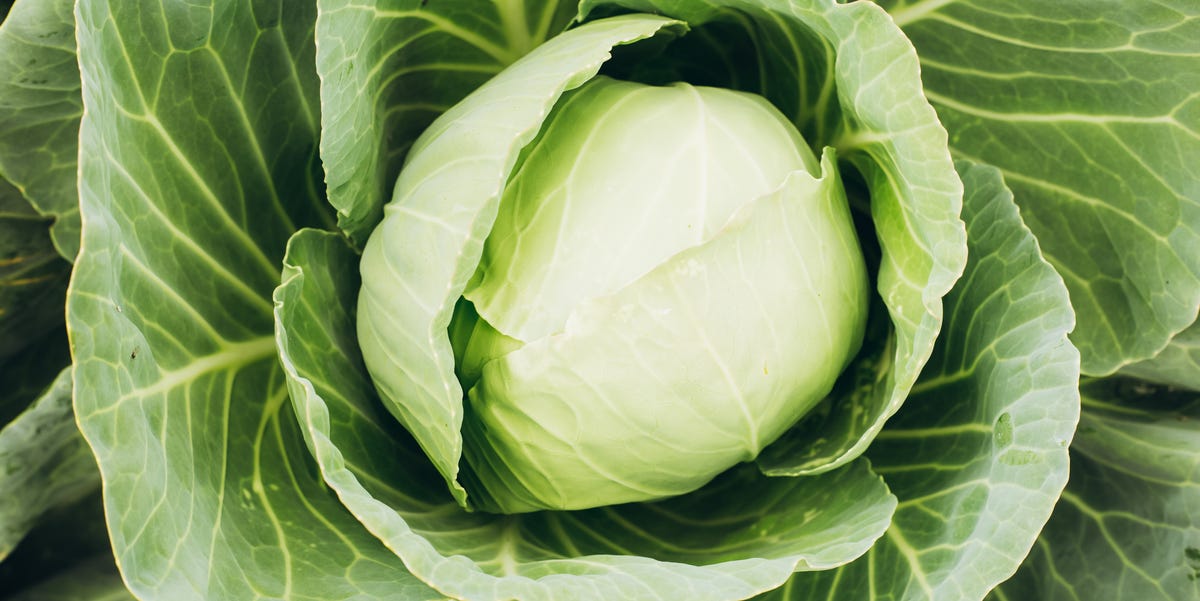
8) Cabbage (green or red)
Cabbage is budget-friendly and nutrient-dense. Red cabbage adds anthocyanins (those deep purple-red pigments), while both
types offer fiber and vitamin C. Fermented cabbage (like sauerkraut or kimchi) can add probiotics, though sodium can climb.
Best move: make a crunchy slaw to keep in the fridge for quick meals.
9) Bok choy
Bok choy is a mild cruciferous vegetable that cooks quickly and absorbs flavors beautifully. It offers vitamin C and vitamin K,
plus a satisfying crunch in stir-fries.
Weeknight idea: sauté with garlic and ginger, then splash in soy sauce and sesame oil.
10) Carrots
Carrots are famous for beta-carotene (which your body can convert to vitamin A), supporting vision and immune function.
They’re also easy to snack on and hold up well in soups and stews.
Pro tip: roasting carrots brings out natural sweetnessadd cumin or smoked paprika for extra depth.
11) Sweet potatoes
Sweet potatoes deliver beta-carotene, fiber, and potassium. They’re a starchy vegetable, but they’re also nutrient-packed and
generally more fiber-rich than many refined starches.
Simple win: bake or microwave, then top with black beans, salsa, and Greek yogurt for a balanced meal.
12) Red bell peppers
Red bell peppers are a standout source of vitamin C and add carotenoids for extra antioxidant support.
They’re also one of the easiest ways to make healthy meals feel festivelike confetti, but edible.
Use them: raw with hummus, roasted into pasta sauce, or sautéed for fajitas.
13) Tomatoes
Tomatoes are technically a fruit, but nutritionally they’re a vegetable staple. They’re known for lycopene, a red pigment
studied for its antioxidant properties. Cooked tomato products (like sauce) can make lycopene easier to absorb.
Best idea: pair tomatoes with olive oil to help absorb fat-soluble compounds.
14) Beets
Beets bring folate and unique pigments called betalains. They also contain naturally occurring nitrates, which the body can
convert into nitric oxidea compound involved in blood vessel function.
How to eat: roast whole beets, slice into salads, or try them blended into a smoothie with berries.
15) Asparagus
Asparagus provides folate and fiber, and it contains compounds that fit well in an overall gut-friendly eating pattern.
It’s also quick to cook, which helps when your motivation is… fragile.
Fast prep: roast or air-fry with olive oil, salt, pepper, and a squeeze of lemon.
16) Mushrooms
Mushrooms aren’t plants, but they earn their spot because they add flavor and useful nutrients with few calories.
Many mushrooms provide B vitamins, and they’re one of the few foods that can contribute vitamin D when exposed to UV light.
Cooking tip: sauté until they release moisture and brownthis unlocks their savory “umami” superpower.
17) Garlic
Garlic is small but mighty. It contains sulfur compounds (like allicin) associated with heart-healthy eating patterns when used
to flavor vegetables and proteins instead of relying on excess salt.
Max flavor: chop or crush, let it sit a few minutes, then cookyour taste buds will send a thank-you note.
18) Onions
Onions (red, yellow, whitepick your character) contain antioxidant compounds like quercetin and contribute to flavor-building
that makes healthy meals easier to stick with. They’re also a natural partner for beans, greens, soups, and stir-fries.
Meal prep idea: caramelize a batch and use all week in bowls, sandwiches, and eggs.
19) Artichokes
Artichokes are fiber champions and also provide antioxidants. They’re especially useful if you’re trying to boost fiber intake
without eating “another sad salad.” Even canned or jarred artichoke hearts can be a smart pantry option.
Try them: toss hearts into pasta, grain bowls, or a Mediterranean-style salad with olives and chickpeas.
How to get the benefits without living in your kitchen
Go for variety, not perfection
Many people get stuck trying to find “the best” vegetable and forget the real win: consistency and variety. Aim to rotate
leafy greens, cruciferous vegetables, and colorful options throughout the week. If you only like three veggies right now,
that’s finemake them your foundation and add one “new” vegetable at a time.
Fresh, frozen, and canned all count
Frozen vegetables can be just as nutritious as fresh and are often cheaper and easier to keep on hand. Canned vegetables can
also workjust watch sodium and rinse when appropriate. The “best” vegetable is the one that shows up in your actual dinner.
Cook smarter: protect flavor and texture
Overcooking turns many vegetables into mush and turns many people into quitters. Roasting, stir-frying, steaming until
just-tender, and quick sautéing help preserve texture and keep vegetables enjoyable. Pair vegetables with herbs, spices, acids
(lemon/vinegar), and healthy fats (olive oil, avocado, nuts) to make them satisfying.
Common “healthy vegetable” mistakes nutritionists see
- Only eating raw veggies: Some nutrients become easier to absorb after cooking (and cooked veggies can be gentler on digestion).
- Forgetting protein and fat: A veggie-heavy meal still needs balance. Add beans, eggs, fish, tofu, chicken, yogurt, or nuts.
- Letting veggies rot in the drawer: Buy what you’ll use and lean on frozen for backup.
- Going zero-to-a-million on fiber: Increase gradually and drink water to stay comfortable.
Real-life experiences with “healthy vegetables” (the part nutritionists don’t always put on the handout)
In real kitchens, “eat more vegetables” isn’t a philosophyit’s logistics. The biggest shift many people notice is that
vegetables become dramatically easier to eat when they’re treated like the main event, not the sad side quest.
One common experience: the first time you roast broccoli or Brussels sprouts properlyhigh heat, enough oil to coat, plenty
of space on the panyou realize vegetables can taste like something you’d actually pay for at a restaurant. Crispy edges,
tender centers, a squeeze of lemon, maybe a little parmesan? Suddenly the vegetable isn’t “healthy,” it’s just… good.
Another frequent discovery is that prep beats willpower. People who keep washed greens, chopped peppers, or a
bag of frozen mixed vegetables ready to go tend to eat more vegetables without thinking about it. It’s not because they’re
more virtuous; it’s because the vegetables are convenient at the exact moment hunger shows up acting like a terrible life coach.
When veggies are prepped, they get tossed into eggs, soups, rice bowls, and pasta automatically. When they aren’t, you order
takeout and promise you’ll “do better tomorrow,” which is the nutritional version of putting your phone in a drawer to fix
your sleep schedule.
Many families also report that vegetables become more accepted when you stop presenting them as a moral test. Instead of “Eat
your greens because they’re healthy,” try “These are the crunchy carrots with the dip,” or “This is the sweet roasted pepper
that makes tacos taste awesome.” For picky eaters, repeating exposure matters. A vegetable that’s rejected today might be
tolerated next week and accepted next monthespecially if it shows up in different forms (raw, roasted, blended into soup,
tucked into a sauce). People are often surprised by how much texture drives preference: a kid who hates steamed
broccoli might love roasted broccoli, and an adult who “doesn’t like kale” might love it sautéed with garlic until it turns
silky.
There’s also the “budget reality” experience: the healthiest vegetable plan is the one you can afford and sustain. A lot of
people end up loving frozen spinach, frozen broccoli, and canned tomatoes because they’re consistent, inexpensive, and always
available. And honestly? That’s a nutrition win. You don’t need picture-perfect produce; you need vegetables that show up
regularlyon busy nights, on low-energy days, and on weeks when life is doing the most. If you can build a rotation of 5–7
vegetables you genuinely enjoy, and keep experimenting one new vegetable at a time, you’re doing what nutritionists actually
want: creating a pattern you can keep.
Finally, many people notice a simple but powerful shift when they increase vegetables: meals feel more satisfying because
they’re bigger, more colorful, and more varied. The plate looks abundant, not restrictive. And that’s the not-so-secret
reason vegetables work so well in healthy eating patterns: they help you eat in a way that feels like you’re gaining options,
not losing them.