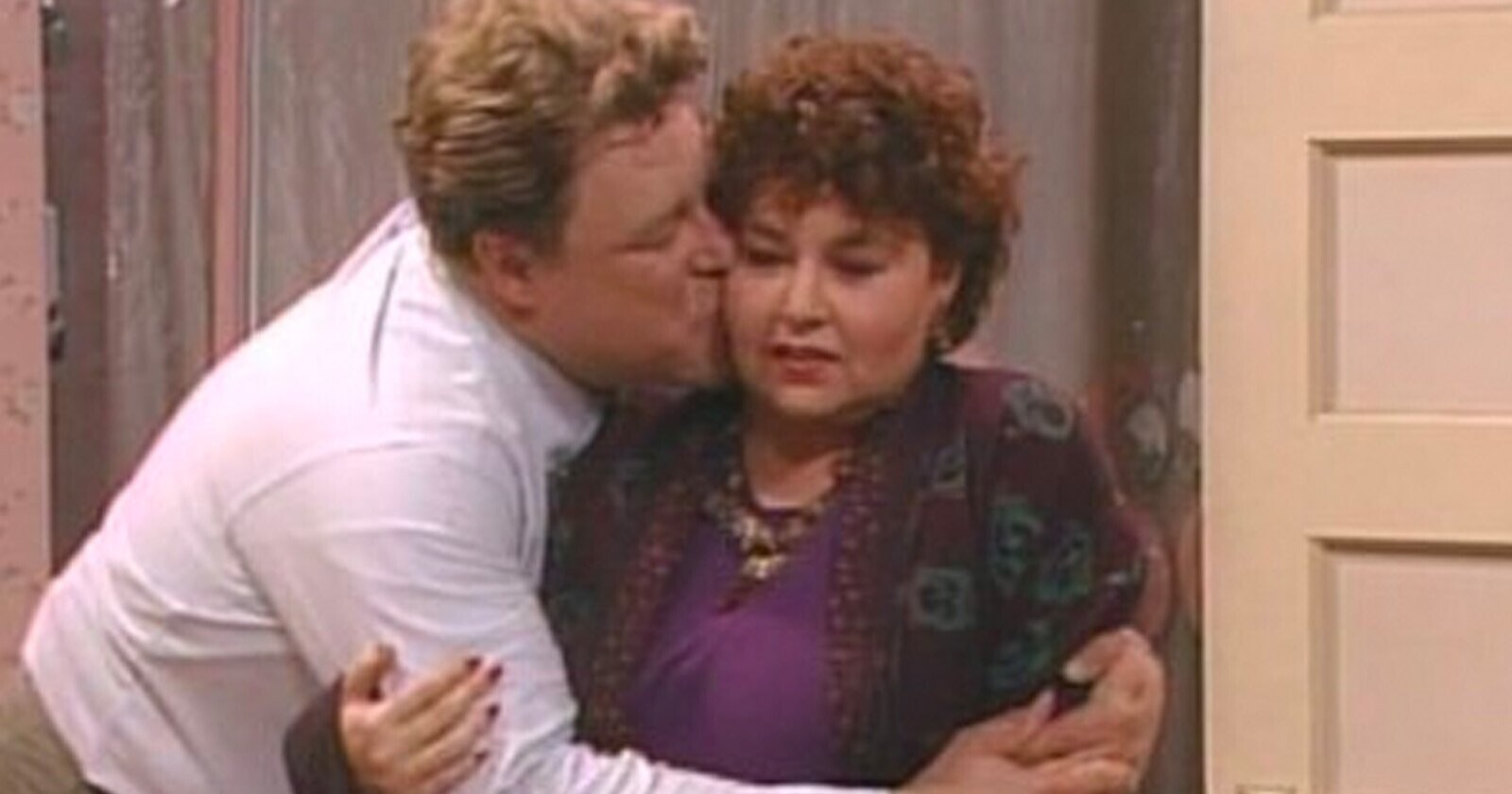
Few sitcoms have walked into America’s living room, kicked off their shoes, opened the fridge, and made themselves at home quite like Roseanne. Premiering on ABC in 1988, the show did not arrive wearing a glossy sitcom bow. It came with bills on the table, mismatched furniture, sharp jokes, tired parents, loud kids, and a couch that looked like it had survived several family arguments and at least one questionable casserole.
That was the magic. Roseanne made ordinary working-class life feel worthy of prime time. The Conners were not television’s polished dream family. They worried about money, jobs, parenting, marriage, aging relatives, and whether sarcasm could legally count as a second income. The answer, at least in Lanford, Illinois, was yes.
This collection of 15 trivia tidbits about Roseanne looks beyond the laugh track to explore casting surprises, ratings history, memorable episodes, behind-the-scenes details, and the long shadow the series still casts over American sitcoms. Whether you watched the original run, discovered it through reruns, or know the Conners through the 2018 revival and The Conners, these facts show why the show remains one of television’s most fascinating family comedies.
15 Roseanne Trivia Tidbits Every Sitcom Fan Should Know
1. Roseanne Premiered in 1988 and Immediately Felt Different
Roseanne first aired on ABC on October 18, 1988, with the pilot episode “Life and Stuff.” At the time, many family sitcoms leaned toward tidy living rooms, heartwarming lessons, and parents who solved problems before the final commercial break. The Conners did not get that memo. Their home felt noisy, cluttered, and real. Roseanne Conner, played by Roseanne Barr, was sarcastic, exhausted, loving, and completely uninterested in pretending that family life was always adorable. That honesty helped the show stand out almost instantly.
2. The Series Was Built Around Working-Class Reality
One of the biggest reasons Roseanne became a landmark American sitcom was its focus on a working-class family. Roseanne and Dan Conner were not secretly wealthy, magically comfortable, or living in a house that made viewers ask, “Wait, what exactly do these people do for a living?” They worked hard, stretched paychecks, argued over money, and still found ways to laugh. The show treated financial stress as part of daily life, not as a one-episode problem. That gave the series emotional weight beneath the jokes.
3. Lanford, Illinois Is Fictional, but It Feels Very Real
The Conners live in Lanford, Illinois, a fictional town that became one of television’s most recognizable blue-collar settings. Lanford works because it is not presented like a postcard. It is a place of diners, factories, small businesses, old friends, gossip, hard luck, and stubborn pride. The town gives Roseanne a grounded identity. It is specific enough to feel lived-in, but broad enough that viewers from many parts of America could recognize their own neighborhoods in it.
4. The Famous Conner House Exterior Is Not in Illinois
Here is a fun twist: the exterior used for the Conner family home is located in Evansville, Indiana, not Lanford, Illinois. The real house became a television landmark thanks to establishing shots used on the show. It is a perfect fit because it looks ordinary in the best possible way. No mansion, no dramatic driveway, no “TV money” nonsense. Just a believable family house with a porch that practically whispers, “Someone inside is arguing about bills and meatloaf.”
5. Roseanne Barr’s Comedy Persona Shaped the Show’s Voice
Although the series is credited to Matt Williams, the show’s identity was deeply tied to Roseanne Barr’s stand-up persona. Barr’s comedy often focused on domestic labor, motherhood, marriage, and the frustration of being expected to hold a household together while everyone else asked where the clean socks went. That perspective gave Roseanne its bite. The title character was not a sweet sitcom mom dispensing wisdom over cookies. She was funny, impatient, flawed, and usually two seconds away from a comeback sharp enough to slice a frozen pizza.
6. John Goodman Made Dan Conner a Sitcom Legend
Dan Conner could have been written as a standard TV dad, but John Goodman gave him warmth, vulnerability, humor, and a believable workingman’s weariness. Dan was big-hearted, stubborn, sometimes immature, and often hilarious. His chemistry with Roseanne helped the marriage feel authentic. They teased each other, fought hard, made up, worried about their kids, and leaned on jokes when life got heavy. Goodman’s performance helped turn Dan into one of the most memorable fathers in sitcom history.
7. Laurie Metcalf’s Jackie Became a Scene-Stealing Powerhouse
Laurie Metcalf played Jackie Harris, Roseanne’s sister, with a brilliant mix of nervous energy, emotional chaos, and comic precision. Jackie could be fragile, dramatic, loyal, awkward, and wildly funny within the same scene. Metcalf’s work on the show earned major recognition, including multiple Emmy wins. One famous example of her talent is the episode in which Jackie has to deliver sad family news over the phone and somehow turns grief, confusion, and panic into unforgettable comedy. That is not easy acting; that is Olympic-level sitcom gymnastics.
8. Becky Conner Was Famously Played by Two Actresses
One of the most famous Roseanne trivia facts involves Becky Conner. Lecy Goranson originated the role, but when she left to attend college, Sarah Chalke stepped in as Becky. The show did not hide from the switch. In true Roseanne fashion, it joked about the recasting and occasionally turned the situation into a playful wink at the audience. Later, Goranson returned, Chalke appeared again, and the Becky situation became one of television’s most amusing examples of a sitcom saying, “Yes, we know. Just go with it.”
9. Sara Gilbert’s Darlene Helped Define the Smart-Alecky TV Teen
Darlene Conner, played by Sara Gilbert, was not the stereotypical cheerful sitcom daughter. She was dry, moody, creative, sharp, and often more emotionally observant than the adults around her. Her sarcasm was practically a family inheritance, passed down like an old coat with better timing. Darlene’s evolution from tomboy kid to complicated young adult gave the show some of its most thoughtful storylines. She was funny because she was cutting, but memorable because she was vulnerable underneath the armor.
10. The Show Became a Ratings Giant
Roseanne was not just critically discussed; it was massively popular. During its original run, the sitcom became one of the highest-rated shows on American television. Its second season reached the top of the Nielsen ratings, proving that audiences were hungry for a family sitcom that felt less polished and more honest. The Conners were not aspirational in the traditional TV sense. Viewers did not tune in because they wanted the house, the furniture, or the grocery budget. They tuned in because the family felt familiar.
11. Halloween Became a Roseanne Specialty
Roseanne is often remembered for its Halloween episodes, and for good reason. The show embraced the holiday with costumes, pranks, spooky setups, and an enthusiasm that made the Conner household feel like the unofficial headquarters of sitcom Halloween. The first major Halloween episode, “Boo!,” aired during season two and helped establish a tradition. These episodes worked because the family’s mischievous energy fit the holiday perfectly. Some sitcoms do Halloween. Roseanne practically put on a witch hat and filed taxes as Halloween.
12. The Series Tackled Subjects Other Sitcoms Avoided
Roseanne gained attention for addressing issues that many prime-time comedies either avoided or softened. The show explored economic insecurity, parenting conflicts, workplace struggles, family trauma, marriage tension, and social issues with unusual directness. It did not always wrap everything in a neat bow. Sometimes the joke landed, sometimes the problem remained, and sometimes the episode left viewers with more to think about than a typical sitcom closer. That willingness to sit with discomfort helped make the show culturally important.
13. The Original Finale Took a Huge Creative Swing
The 1997 series finale is one of the most debated sitcom endings of all time. After a strange ninth season involving a lottery win and major shifts in tone, the finale revealed that much of what viewers had seen was part of Roseanne’s writing. The biggest emotional twist was that Dan had actually died after his heart attack, and Roseanne had rewritten reality as a way to cope. Some fans admired the ambition; others felt like the show had pulled the emotional rug out from under them. Either way, nobody accused it of being boring.
14. The 2018 Revival Drew Enormous Attention
In 2018, Roseanne returned to ABC with much of the original cast, including Roseanne Barr, John Goodman, Laurie Metcalf, Sara Gilbert, Lecy Goranson, and Michael Fishman. The revival premiered to huge ratings, showing how much interest still surrounded the Conner family. The return also updated the show’s world, placing the characters in a more modern political and economic climate. For a brief moment, it looked as if one of television’s biggest sitcom families had successfully moved back into prime time.
15. The Cancellation Led to The Conners
The revival was canceled in 2018 after Roseanne Barr posted a racist tweet that drew widespread backlash. ABC ended the series, and the franchise continued without Barr through the spin-off The Conners. In that series, Roseanne Conner was written off, and the focus shifted to Dan, Jackie, Darlene, Becky, and the extended family. It was an unusual television pivot: a sitcom universe continuing after the removal of its title character. The result showed the strength of the ensemble and the durability of Lanford as a setting.
Why Roseanne Still Matters in Sitcom History
The lasting appeal of Roseanne comes from more than nostalgia. Yes, the couch, the kitchen table, the flannel-heavy wardrobe, and the classic one-liners all carry a strong retro charm. But the show’s real power lies in how seriously it took ordinary people. The Conners were funny, but they were not treated as jokes. Their struggles mattered. Their jobs mattered. Their mistakes mattered. Their home was chaotic, but it was also a place of loyalty.
Many sitcoms ask viewers to relax into a fantasy. Roseanne asked them to laugh at reality. That difference gave the series a special texture. The jokes often came from recognizable frustration: a teenager talking back, a boss being unreasonable, a car repair arriving at the worst possible time, or a family member saying exactly the wrong thing with perfect confidence. The humor did not float above life; it came straight out of it.
The show also helped expand what a sitcom mother could be. Roseanne Conner was not endlessly patient, perfectly dressed, or quietly self-sacrificing. She was loud, funny, complicated, and frequently wrong. That made her feel human. She could be loving without being soft, funny without being harmless, and protective without being saintly. In an era when many TV moms were expected to smooth over family conflict, Roseanne often walked directly into it carrying a joke like a frying pan.
Viewing Experiences and Rewatch Notes: What Roseanne Feels Like Today
Watching Roseanne today can feel like opening a time capsule that somehow still has snacks inside. The hairstyles, clothes, kitchen appliances, and landline phones place the show firmly in its era, but the emotional engine remains surprisingly current. Families still argue about money. Parents still worry about whether they are doing enough. Kids still develop personalities that make adults question every parenting decision they have ever made. And everyone still gathers in the kitchen as if the universe runs on coffee, leftovers, and unresolved tension.
A modern rewatch also highlights how confident the show was in silence, messiness, and imperfect endings. Not every scene races toward a punchline. Sometimes the humor sits inside a glance, a sigh, or Dan looking like he would rather repair a roof in a thunderstorm than continue a family conversation. That rhythm gives the series a lived-in quality. The characters do not seem to enter the room just because the script told them to. They seem like they were already there, arguing about something before the camera arrived.
For viewers who grew up with the show, Roseanne may bring back memories of watching television when families gathered around one screen and discussed episodes the next day. For newer viewers, it offers a look at how sitcoms handled class, parenting, and social issues before streaming changed television habits. The pacing is different from many current comedies, but that can be part of the pleasure. The show gives scenes time to breathe. It lets characters be cranky. It allows the house to look like people actually live there, which is more revolutionary than it sounds.
The best way to experience Roseanne is not to treat it like a museum piece. It is funnier when watched as a living family comedy with sharp edges. Some storylines have aged better than others, and the off-screen controversies are now part of the show’s complicated legacy. Still, the original series remains important because it captured a version of American family life that television often ignored. It found humor in overdue bills, sibling tension, factory work, parenting panic, and the daily miracle of keeping a household from falling apart.
A good rewatch also makes one thing clear: the supporting cast is not just decoration. Jackie, Dan, Darlene, Becky, D.J., Crystal, Nancy, Leon, Mark, David, and Bev each add a different kind of comic pressure. The show works because Lanford feels populated by people with histories, grudges, dreams, and questionable decision-making skills. In other words, it feels like a real town.
That is why these Roseanne trivia tidbits still matter. They are not just behind-the-scenes decorations. They reveal how a sitcom about a struggling family became a cultural heavyweight. Roseanne did not win affection by pretending life was easy. It won affection by proving that even when life is difficult, messy, loud, and held together with duct tape, there is still room for laughter. Especially if someone remembered to buy coffee.
Conclusion: Roseanne’s Trivia Tells a Bigger Story
The most interesting thing about Roseanne is that its trivia is not random fluff. Each detail points to why the show mattered. The fictional town of Lanford helped ground the story. The Evansville house gave the Conners a believable face. The Becky recast became a running joke. Jackie’s Emmy-winning brilliance proved the strength of the ensemble. The Halloween episodes showed the show’s playful side, while the finale and revival proved that the franchise was never afraid of big swings.
More than three decades after its debut, Roseanne remains one of the defining American sitcoms because it gave working-class family life a central place on television. It was loud, imperfect, funny, controversial, and unforgettable. In other words, it was very Conner.