Some light fixtures politely illuminate a room. Allied Maker’s Dome Pendant walks in wearing a tailored jacket, sets the mood, and somehow makes your kitchen island look like it has its life together. This is not the pendant you buy because the ceiling looked lonely. It is the pendant you choose when lighting needs to do several jobs at once: provide glow, shape the room, show off materials, and quietly signal that someone in the house knows the difference between “nice lamp” and “architectural lighting.”
Allied Maker has built a reputation around handcrafted lighting made with brass, glass, wood, and a very serious respect for proportion. The Dome Pendant is one of the brand’s most recognizable forms: a hand-spun dome shade paired with a blown glass globe and a wood detail that keeps the whole piece from feeling cold or overly industrial. It is simple, but not basic. Refined, but not fussy. Premium, but thankfully not the kind of premium that requires you to whisper when standing near it.
For homeowners, interior designers, architects, and design lovers searching for Allied Maker Dome Pendant, handcrafted pendant lighting, brass dome pendant lights, or luxury kitchen island lighting, this guide breaks down what makes the fixture special, where it works best, how to choose the right size and finish, and what to know before making it the jewelry of your ceiling.
What Is Allied Maker’s Dome Pendant?
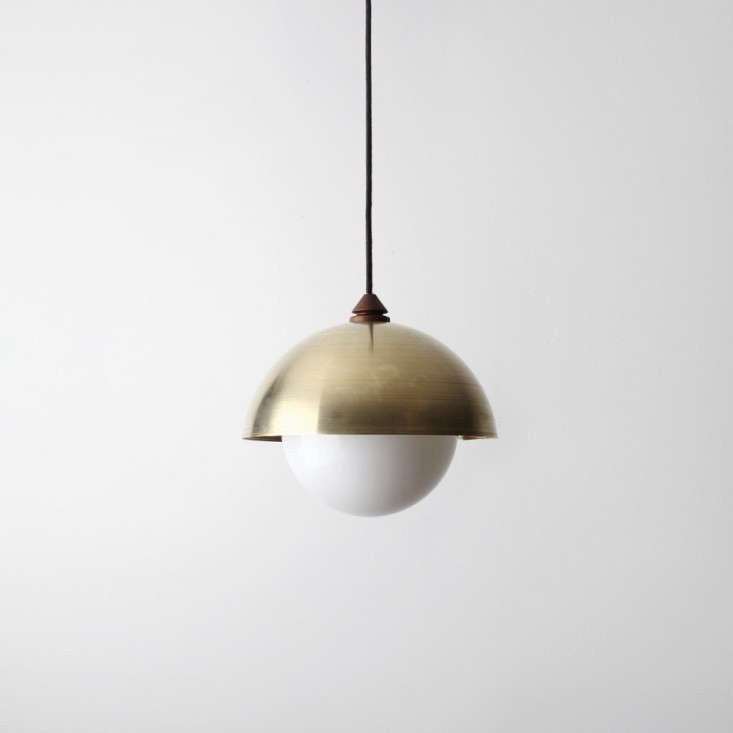
Allied Maker’s Dome Pendant is a handcrafted ceiling light that combines a dome-shaped metal shade, a glass globe diffuser, and a wood finial. The result is a fixture that balances three visual languages at once: the strength of metal, the softness of glass, and the warmth of natural wood. That mix is exactly why the pendant feels equally comfortable in a modern kitchen, a boutique restaurant, a calm reading corner, or a dining room that wants atmosphere without drama.
The classic Dome Pendant is available in multiple sizes, including 8-inch, 10-inch, 14-inch, and 20-inch versions. Each size changes the mood. The smaller sizes feel jewel-like and precise, while the larger models become more architectural. The 14-inch version is often the sweet spot for residential spaces because it has enough presence to anchor a room without shouting, “Look at me, I am the ceiling celebrity.” The 20-inch model, meanwhile, is the one to consider when scale matters: large kitchens, long dining tables, restaurant seating areas, and generous entryways.
The fixture is made from brass, glass, and wood, with Allied Maker offering a wide range of metal, glass, and wood finishes. Depending on the combination, the same pendant can look crisp and Scandinavian, warm and mid-century, moody and dramatic, or quietly luxurious. A matte white dome with pale wood and an opal globe reads airy and minimal. Blackened brass with smoked glass feels deeper, richer, and more evening-ready. Brass with walnut brings a classic warmth that works beautifully with stone counters, plaster walls, oak cabinetry, and leather seating.
The Design DNA: Why the Dome Shape Works
The dome is one of the most useful shapes in lighting. It directs attention downward, creates a clear silhouette, and brings a sense of shelter. Think of a dome pendant above a table: it visually gathers people below it. That is why dome lights have stayed relevant across industrial, mid-century, Scandinavian, and contemporary interiors. The shape is practical, but it also feels human. It says, “Here is the place where dinner happens. Here is where coffee becomes a personality trait. Here is where homework, wine, or late-night cereal may occur.”
Allied Maker’s version avoids the flatness that can make some dome pendants feel generic. The blown glass globe softens the light source, while the wood finial adds a crafted note at the top. The metal shade provides structure, but the glass prevents the light from feeling harsh. This balance makes the Dome Pendant especially useful in spaces where you want both style and comfort.
Brass Gives the Pendant Its Backbone
Brass is a major part of Allied Maker’s identity. In the Dome Pendant, the brass shade gives the fixture substance and a sense of permanence. Unlike thin decorative metal that can feel temporary, a well-made brass fixture develops character over time. Depending on the finish, it can look polished and formal, brushed and relaxed, oxidized and moody, or soft and antique-inspired.
In interiors, brass also plays well with other materials. It can warm up marble, soften concrete, complement walnut, and make painted cabinetry feel more intentional. If your room already has brass cabinet pulls or warm metal plumbing fixtures, the Dome Pendant can tie those details together. If your space uses cooler metals like nickel or stainless steel, a brass dome can add contrast without feeling out of place.
Glass Makes the Light Livable
The glass globe is not just decorative. It diffuses the bulb, reduces glare, and gives the pendant its soft visual center. In practical terms, this matters above dining tables, kitchen islands, and seating areas, where exposed bulbs can turn a lovely room into an interrogation scene. Nobody wants to chop onions under lighting that feels like a police procedural.
Allied Maker offers glass options such as opal, matte white, clear, frosted, and smoked. Opal and matte white are great for a calm, even glow. Clear glass feels lighter and more transparent, but it may reveal more of the bulb. Smoked glass adds drama and works well in bars, lounges, powder rooms, and moody dining spaces. Frosted glass offers a middle ground: softer than clear, less opaque than opal.
Wood Keeps It Warm
The wood element is a small detail with a big effect. Wood keeps the fixture from feeling too mechanical. It adds texture, grain, and a handmade quality that connects the pendant to furniture, flooring, cabinetry, or architectural trim. In a room full of smooth surfaces, that natural note can make the difference between “beautiful” and “beautiful but please do not touch anything.”
Allied Maker Dome Pendant Sizes and Specifications
Choosing the right pendant size is less about guessing and more about proportion. A small pendant in a large room can look timid. A huge pendant in a compact space can feel like a UFO has chosen your breakfast nook for first contact. The Dome Pendant’s size range helps solve that problem.
| Size | Best For | General Character |
|---|---|---|
| 8-inch Dome Pendant | Small counters, bedside areas, compact corners, grouped installations | Precise, jewel-like, subtle |
| 10-inch Dome Pendant | Kitchen islands, reading nooks, small dining tables, powder rooms | Balanced, versatile, easy to repeat |
| 14-inch Dome Pendant | Medium kitchens, dining areas, restaurants, feature lighting | Classic, confident, designer-friendly |
| 20-inch Dome Pendant | Large islands, long tables, commercial interiors, spacious rooms | Architectural, bold, statement-making |
The 8-inch model delivers a smaller pool of light and works especially well in multiples. The 10-inch pendant has a compact but noticeable profile and can be a smart choice over narrower islands or smaller dining zones. The 14-inch model brings more visual authority and is often easier to use as a primary design feature. The 20-inch version is substantial, so it needs breathing room. Give it a high ceiling, a long table, or a large open kitchen and it will reward you with presence.
Where Allied Maker’s Dome Pendant Works Best
Kitchen Islands
The kitchen island is the obvious home for a dome pendant, and for good reason. Islands need task lighting, but they also need atmosphere because they are rarely used for just one thing. One hour, the island is a prep station. Next, it is a homework desk. Later, it becomes a snack buffet, laptop zone, or unofficial family meeting table. The Dome Pendant handles this multitasking beautifully because the shade gives direction while the globe keeps the light comfortable.
For a long island, two or three pendants can create rhythm. The trick is spacing. Leave enough room between fixtures so each pendant feels intentional, not crowded. If using the 14-inch size, two pendants may be enough for a medium island. For smaller 8-inch or 10-inch sizes, three may look more balanced. Always consider the island length, ceiling height, and sightlines.
Dining Rooms
Above a dining table, the Dome Pendant creates intimacy. It visually lowers the ceiling just enough to make the table feel like a destination. A single 20-inch Dome Pendant can work over a round or square table, while multiple smaller pendants can look elegant over a long rectangular table. Use dimming whenever possible. Dinner lighting should flatter people, food, and the brave soul who attempted homemade risotto.
Entryways and Hallways
In an entryway, the Dome Pendant can set the tone for the whole home. A brass and glass pendant near the front door tells guests that the design story starts immediately. In hallways, smaller sizes can create a quiet rhythm, especially when paired with warm walls, wood floors, or art. Just be mindful of clearance. A pendant should never become a forehead-level surprise.
Bedrooms and Reading Corners
Smaller Dome Pendants can be used beside a bed in place of table lamps, freeing up nightstand space and adding a custom look. In reading corners, a pendant can define the area without needing a floor lamp. Choose warmer glass and finishes for a softer effect. Opal glass, brass, bronze, walnut, or white oak combinations tend to feel restful and residential.
Restaurants, Cafes, and Boutique Spaces
The Dome Pendant also works beautifully in hospitality interiors. It has enough personality for a restaurant but stays restrained enough not to compete with food, furniture, or architectural features. In a cafe, a row of dome pendants can create visual order. In a boutique, they can highlight display zones while contributing to the brand mood. Good lighting does not just help people see; it helps them feel where they are.
How to Choose the Right Finish
Finish selection is where the Dome Pendant becomes personal. Allied Maker’s broad finish program allows designers and homeowners to fine-tune the fixture to the room. This matters because a pendant is rarely seen by itself. It is seen next to cabinets, hardware, wall color, tile, stone, furniture, and daylight.
For a Bright, Calm Interior
Choose a matte white or porcelain white dome with pale wood and opal or matte white glass. This combination works well in kitchens with white oak cabinets, plaster walls, light stone, and quiet minimalism. It feels fresh without becoming sterile.
For Warm Modern Luxury
Brass or bronze with walnut and opal glass is a strong choice. It looks rich but not flashy. This pairing suits dining rooms, kitchens with natural stone, and living spaces that use earthy colors. Add leather stools or dark wood chairs and the whole room starts acting more expensive.
For a Moody, Dramatic Look
Consider blackened brass, smoked glass, or darker wood. This works well in bars, powder rooms, restaurants, and interiors with deep green, charcoal, espresso, or plaster finishes. The effect is cinematic. Not “villain lair,” ideally, but definitely “someone here owns good glassware.”
For a Soft Transitional Room
Use a restrained metal finish with a neutral globe and medium-toned wood. This keeps the pendant from feeling too modern or too traditional. It can bridge shaker cabinets, marble counters, vintage rugs, and contemporary furniture without starting an argument.
Dome Pendant vs. Perforated Dome Pendant
Allied Maker also offers perforated versions of the Dome Pendant. The perforated style introduces small openings in the metal shade, allowing light to escape through the dome and create a patterned glow. The classic Dome Pendant is cleaner and more solid, while the perforated version is more decorative and atmospheric.
Choose the classic Dome Pendant if you want a calm silhouette, strong material presence, and a more timeless look. Choose the perforated version if you want sparkle, texture, and a slightly more playful lighting effect. In a minimal kitchen, the classic dome may be the better long-term choice. In a restaurant, lounge, or powder room, perforation can add memorable detail.
Installation and Planning Tips
Before ordering a luxury pendant, measure like a person who has been hurt by guessing. Check ceiling height, table or counter dimensions, junction box placement, and sightlines from nearby rooms. If the pendant will hang over an island, make sure it does not block views between the kitchen and living area. If it will hang over a dining table, center it on the table rather than blindly centering it in the room. Tables move; electrical boxes are stubborn.
For kitchen islands and dining tables, many designers use a hanging height that keeps the bottom of the pendant roughly 30 to 36 inches above the surface, then adjust based on fixture size, ceiling height, and the height of the people using the space. Taller ceilings may need a longer drop for visual balance. Lower ceilings may need smaller fixtures or fewer pendants. The goal is simple: the light should feel connected to the surface below without becoming an obstacle.
Dimming is highly recommended. The Dome Pendant can provide functional light, but its beauty really shows when the brightness can shift throughout the day. Bright in the morning, softer at dinner, lower during evening conversations. A dimmer turns one fixture into several moods, which is cheaper than buying a new personality for the room.
Light Quality: What to Expect
The Dome Pendant is designed to create a pleasant balance between direct and diffused light. The dome helps shape the light downward, while the glass globe softens the source. The result is not the same as a recessed downlight, which often disappears into the ceiling. This pendant is meant to be seen. It lights the space and participates in the composition of the room.
Warm color temperatures such as 2700K or 3000K usually pair well with brass, wood, and residential interiors. They make natural materials feel warmer and skin tones more flattering. Cooler light can be useful in certain workspaces, but for dining, relaxing, and hospitality, warm light usually wins. Nobody has ever said, “This romantic dinner would be better under the emotional temperature of a dentist’s office.”
Is Allied Maker’s Dome Pendant Worth It?
The Dome Pendant is not a budget fixture, and it is not trying to be. Its value comes from design integrity, material quality, finish customization, and made-to-order craftsmanship. If you simply need light, there are cheaper pendants. If you want a fixture that becomes part of the architecture, improves the mood of a room, and holds up visually over time, the Dome Pendant makes a strong case for itself.
It is especially worth considering when the surrounding space has already received thoughtful investment: custom cabinetry, stone counters, handmade tile, plaster walls, quality furniture, or a carefully designed restaurant interior. In those settings, a generic pendant can flatten the room. Allied Maker’s Dome Pendant adds the finishing layer that makes the space feel complete.
Common Mistakes to Avoid
Choosing a Size That Is Too Small
Small pendants can be beautiful, but undersized fixtures often look accidental. If the room has tall ceilings, a large island, or open-plan proportions, consider the 14-inch or 20-inch size.
Ignoring Finish Coordination
The pendant does not need to match every metal in the room, but it should relate to something. Tie it to cabinet hardware, plumbing fixtures, furniture legs, wood tones, or nearby lighting.
Skipping the Dimmer
A luxury pendant without dimming is like a sports car with one speed. It still works, but you are missing half the fun.
Installing Without Testing Sightlines
Use painter’s tape, cardboard, or a temporary mockup to visualize size and height. This is not glamorous, but neither is realizing your pendant blocks the television from the kitchen stool.
Experience Notes: Living With and Designing Around Allied Maker’s Dome Pendant
Based on common homeowner and designer experiences with handcrafted dome pendants, the first thing people usually notice is not the brightness. It is the atmosphere. The Dome Pendant has a way of making a room feel more intentional even before the bulb is switched on. During the day, it reads as a sculptural object. At night, it becomes part of the emotional architecture of the space. That shift is one of the biggest reasons dome pendants remain popular in high-end interiors.
In a kitchen, the experience is especially practical. A well-placed Dome Pendant can make an island feel like the center of the home, not just a countertop with ambitious storage underneath. The glass globe softens the light enough for casual meals, while the dome gives enough direction for chopping, serving, and pretending you did not buy the dessert. Homeowners who care about both function and design tend to appreciate this balance. It does not feel like a purely decorative fixture, but it also does not look like task lighting borrowed from a workshop.
Designers often treat the Dome Pendant as a bridge between materials. For example, in a kitchen with white oak cabinets, a stone backsplash, and unlacquered brass hardware, the pendant can connect all three: wood above, brass at the shade, glow at the glass. In a darker dining room, a blackened or bronze finish can echo the furniture while the globe keeps the fixture from becoming visually heavy. This flexibility is important because expensive lighting should not only look good in a showroom. It should make sense with the messy, layered reality of actual rooms.
Another experience worth noting is scale. Many people are nervous about choosing a larger pendant, especially online. But in real interiors, slightly larger fixtures often look more confident than tiny ones. The 14-inch Dome Pendant can feel surprisingly natural over a kitchen island, while the 20-inch version can be stunning over a dining table or in a commercial space. The key is not simply size; it is context. A large pendant needs negative space around it. Give it room and it becomes elegant. Crowd it with upper cabinets, beams, or other busy elements and it may feel forced.
Maintenance is also part of the ownership experience. Brass, glass, and wood are honest materials, and honest materials like a little care. Glass globes may need occasional cleaning, especially in kitchens where cooking residue can travel farther than anyone wants to admit. Brass finishes should be treated according to the maker’s care guidance, because patina is part of the charm for many finishes. Wood details should be protected from harsh cleaners. In other words, do not attack a handcrafted pendant with mystery spray from under the sink and hope for the best.
The emotional payoff is the strongest argument for the Dome Pendant. It is the type of fixture that makes small daily rituals feel better: morning coffee, dinner prep, late-night conversations, setting the table, reading under a warm pool of light. Good lighting does not merely help you see your home. It helps you enjoy being in it. Allied Maker’s Dome Pendant understands that assignment very well.
Conclusion
Allied Maker’s Dome Pendant is a strong example of modern American lighting design: handcrafted, material-driven, highly customizable, and visually calm enough to age well. Its brass dome, blown glass globe, and wood detail create a fixture that feels architectural without becoming cold. It can support task lighting over a kitchen island, add intimacy above a dining table, bring polish to an entryway, or create atmosphere in a restaurant or boutique interior.
The best version for your space depends on scale, finish, glass type, and installation height. Smaller sizes work beautifully in multiples or compact areas, while larger versions create a more dramatic focal point. Finish choices can push the pendant toward bright minimalism, warm luxury, or moody sophistication. Add dimming, plan the placement carefully, and the Dome Pendant becomes more than a light fixture. It becomes part of the room’s personality.
If you are looking for a pendant that blends craftsmanship with modern simplicity, Allied Maker’s Dome Pendant deserves serious attention. It has enough restraint for timeless interiors and enough character to avoid disappearing into the ceiling. That is a rare balance, and in the world of lighting, rare balance is exactly what keeps a room glowing long after the trend cycle has moved on to whatever shape the internet is currently yelling about.