Easter dinner has a funny way of making the side dishes do all the emotional heavy lifting. The ham may arrive glossy and dramatic, the lamb may look like it hired a publicist, and the dessert table may sparkle with pastel confidence. But the real magic? It is often hiding in a bowl of lemony asparagus, a tray of roasted carrots, a creamy potato gratin, or a spring salad that makes everyone say, “Wait, who made this?”
That is why this guide to 13 fresh Easter side dishes to make the holiday special focuses on sides that feel bright, seasonal, colorful, and worthy of a holiday table without requiring you to renovate your entire kitchen. Easter food should taste like spring finally opened the windows: fresh herbs, tender greens, sweet carrots, creamy potatoes, citrus, peas, radishes, asparagus, and a few cozy classics because no one wants a holiday meal that feels like a punishment salad.
Whether you are hosting Easter brunch, planning a formal Sunday dinner, feeding relatives who “only want a small plate” and then return three times, or building a potluck menu, these Easter side dish ideas are designed to balance freshness and comfort. You will find make-ahead tips, flavor pairings, and specific examples that help you serve a spread that looks polished but still feels warm, familiar, and fun.
Why Fresh Easter Side Dishes Matter
Easter lands at the perfect moment for fresh produce. Spring vegetables are tender, colorful, and naturally festive. Asparagus, peas, carrots, green beans, radishes, spinach, leeks, herbs, and new potatoes all bring brightness to the table. They also pair beautifully with classic Easter mains such as baked ham, roasted lamb, salmon, chicken, or vegetarian centerpieces.
The best Easter side dishes do three things. First, they add color. A table full of beige food may taste good, but it will not exactly scream “spring celebration.” Second, they create balance. Rich meats and creamy casseroles need something crisp, lemony, herby, or lightly sweet beside them. Third, they help guests build a plate that feels complete. A spoonful of potatoes, a forkful of green vegetables, a refreshing salad, and a warm roll can turn a simple meal into a holiday memory.
13 Fresh Easter Side Dishes for a Brighter Holiday Table
1. Lemon Parmesan Roasted Asparagus
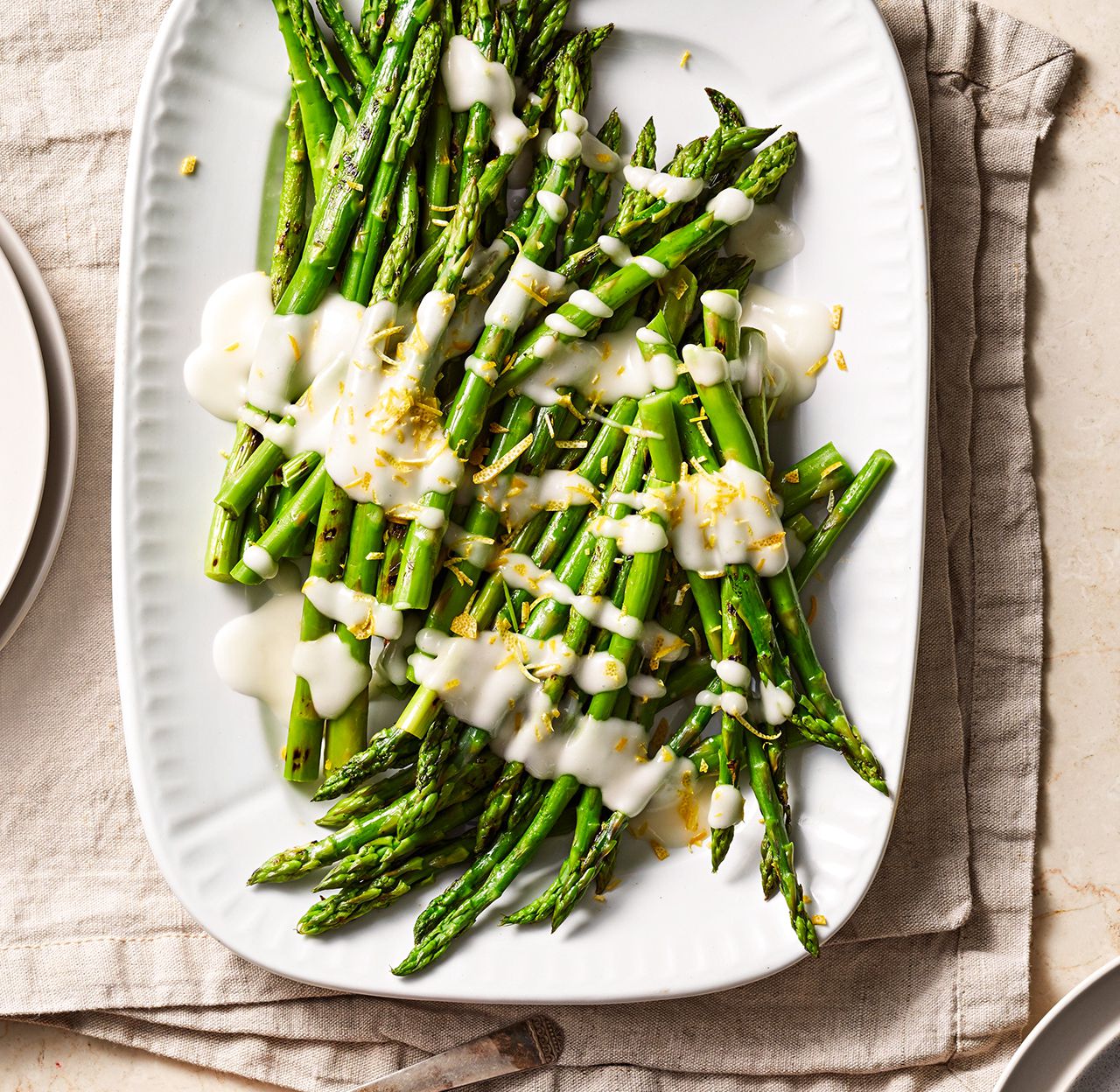
Asparagus is practically the unofficial ambassador of Easter side dishes. It is elegant, fast, and does not need much fuss to taste special. Toss trimmed asparagus with olive oil, salt, pepper, lemon zest, and a little garlic, then roast until the tips are crisp and the stalks are tender. Finish with grated Parmesan and a squeeze of fresh lemon juice.
This dish works because it cuts through rich Easter mains. The lemon keeps it bright, the cheese adds savory depth, and the asparagus brings that unmistakable “spring is here” energy. Serve it warm or at room temperature, which is helpful when your oven schedule looks like an air traffic control board.
2. Honey-Glazed Rainbow Carrots with Thyme
Carrots belong on the Easter table for obvious bunny-related reasons, but they also happen to be delicious when roasted properly. Rainbow carrots make the platter look festive without any extra effort. Roast them with olive oil, honey, butter, thyme, salt, and pepper until caramelized at the edges.
The trick is to avoid overcrowding the pan. Carrots need space to roast, not steam. If they are piled together like commuters on a Monday morning, they will soften but never develop that glossy, golden flavor. Finish with flaky salt, chopped parsley, or a light sprinkle of toasted pistachios for crunch.
3. Spring Pea Salad with Mint and Feta
A fresh pea salad is one of the easiest ways to bring cool, green brightness to Easter dinner. Use thawed frozen peas or fresh blanched peas, then combine them with crumbled feta, chopped mint, scallions, lemon juice, olive oil, and cracked black pepper. Add thinly sliced radishes if you want extra crunch and a pop of color.
This side dish is especially useful because it can be made ahead. Let it chill for an hour so the flavors get friendly. The mint adds freshness, the feta brings saltiness, and the peas deliver natural sweetness. It is simple, cheerful, and far more exciting than the phrase “pea salad” has any right to be.
4. Creamy Scalloped Potatoes with Gruyere
No Easter side dish lineup is complete without potatoes. Scalloped potatoes are rich, nostalgic, and dramatic in the best possible way. Thinly sliced potatoes are layered with cream, garlic, butter, and cheese, then baked until bubbling and golden. Gruyere gives the dish a nutty flavor, while Parmesan adds a salty finish.
For the best texture, slice the potatoes evenly with a mandoline or a very sharp knife. Yukon Gold potatoes are a great choice because they become creamy without falling apart. Let the casserole rest for at least 15 minutes before serving so the layers settle. This also prevents the first scoop from sliding across the plate like a dairy-based avalanche.
5. Strawberry Spinach Salad with Poppy Seed Dressing
When Easter dinner needs something fresh and pretty, strawberry spinach salad answers the call wearing a floral dress. Baby spinach, sliced strawberries, toasted pecans, red onion, goat cheese, and a lightly sweet poppy seed dressing create a side that feels springy and celebratory.
The contrast is what makes it work. Sweet strawberries, creamy cheese, crunchy nuts, and tangy dressing keep every bite interesting. If you are serving ham, this salad is especially good because the fruit and acidity balance the salty richness of the meat. Add grilled chicken or boiled eggs if you want to turn leftovers into lunch the next day.
6. Green Beans Almondine with Lemon Butter
Green beans almondine is classic for a reason: it is elegant, quick, and tastes like someone knew exactly what they were doing. Blanch green beans until bright green and crisp-tender, then sauté them in butter with garlic, lemon juice, and toasted sliced almonds.
This side dish is a smart choice for Easter because it adds texture without being heavy. The almonds bring crunch, the lemon keeps it lively, and the beans stay fresh-tasting. For extra flavor, add shallots or a small spoonful of Dijon mustard to the butter sauce. Serve immediately if possible, but do not panic if it sits for a few minutes. It is forgiving, which is exactly what every holiday cook deserves.
7. Deviled Egg Potato Salad
Deviled eggs and potato salad are both Easter staples, so combining them is not just practical; it is delicious diplomacy. Use tender potatoes, chopped hard-boiled eggs, celery, scallions, mustard, mayonnaise, paprika, pickle relish, and fresh dill. The result is creamy, tangy, and familiar, with just enough personality to stand out.
This is a great make-ahead Easter side dish because it improves after chilling. Prepare it the night before, then taste it again before serving. Cold potato salads often need a tiny extra pinch of salt or splash of vinegar after resting. Garnish with paprika and herbs for a pretty finish.
8. Roasted Radishes with Herb Butter
Radishes are often served raw, but roasting transforms them into something mellow, tender, and surprisingly elegant. Their sharp bite softens, leaving a delicate flavor that pairs beautifully with butter, herbs, and lemon. Roast halved radishes with olive oil, salt, and pepper, then toss them with melted butter, parsley, chives, and a squeeze of lemon.
This is a fresh Easter side dish for anyone who wants something unexpected. It looks beautiful on the plate, especially if you use a mix of red, pink, and purple radishes. Bonus: it gives you the satisfaction of serving a vegetable that makes guests ask, “Wait, are these radishes?” in a pleasantly shocked tone.
9. Spring Vegetable Casserole with Leeks and Peas
A spring vegetable casserole gives you comfort without weighing down the table. Sauté leeks with butter until soft, then combine them with peas, asparagus pieces, spinach, a light cream sauce, and a crisp breadcrumb topping. Bake until bubbling and golden.
This dish is ideal for Easter because it bridges the gap between fresh vegetables and cozy casseroles. The leeks add gentle sweetness, the peas bring color, and the breadcrumb topping gives that satisfying crunch everyone secretly hunts for. Add fresh herbs such as dill, parsley, or tarragon to keep the flavor bright.
10. Citrus Avocado Salad with Fennel
If your Easter menu includes a heavy main dish, a citrus avocado salad can save the plate from feeling too rich. Use orange or grapefruit segments, sliced avocado, shaved fennel, arugula, and a simple vinaigrette made with citrus juice, olive oil, honey, and Dijon mustard.
The fennel adds a crisp, lightly anise-like flavor, while the citrus brings juicy brightness. Avocado makes the salad feel satisfying without requiring cheese or cream. This is also one of the prettiest Easter side dishes you can serve. Arrange it on a wide platter instead of tossing it in a deep bowl so every color gets its moment.
11. Buttery Dinner Rolls with Fresh Herbs
Fresh rolls may not be a vegetable, but Easter guests will absolutely notice if the bread basket is empty. Soft dinner rolls brushed with melted butter and herbs are simple, comforting, and perfect for catching the last bit of glaze, gravy, or sauce on the plate.
You can use homemade dough, store-bought frozen rolls, or bakery rolls and still make them feel special. Brush them with garlic-herb butter before serving. Try parsley, chives, thyme, or rosemary. If you want a slightly sweeter version for brunch, use honey butter instead. Either way, make more than you think you need. Bread has a way of vanishing politely.
12. Roasted New Potatoes with Garlic and Dill
New potatoes are tender, creamy, and perfect for spring holiday meals. Roast them with olive oil, garlic, salt, pepper, and a little smoked paprika until crisp outside and fluffy inside. Toss with fresh dill and lemon zest before serving.
This dish is less rich than scalloped potatoes but still deeply satisfying. It works well if you already have a creamy casserole on the table and want a potato option that feels lighter. Serve with a small bowl of sour cream or Greek yogurt mixed with herbs for dipping. It is casual, colorful, and excellent beside ham, lamb, salmon, or roast chicken.
13. Shaved Asparagus and Snap Pea Salad
For a truly fresh Easter side dish, skip the oven and make a raw spring salad. Shave asparagus into ribbons with a vegetable peeler, then toss with sliced snap peas, arugula, lemon juice, olive oil, Parmesan, toasted almonds, and black pepper.
The texture is crisp and lively, and the flavor is clean enough to balance richer dishes. This salad is best dressed shortly before serving so the vegetables stay snappy. It is also a great option for guests who prefer lighter sides or want something green that does not come covered in cream sauce. Every Easter table needs one dish that says, “I brought freshness,” and this one says it loudly but politely.
How to Build a Balanced Easter Side Dish Menu
A strong Easter menu does not need all 13 dishes. Unless you are feeding the entire neighborhood or trying to win a casserole-based championship, choose a balanced mix. For a small gathering, three or four sides are usually enough. For a larger Easter dinner, five to seven sides give guests variety without overwhelming the cook.
A good formula is one potato dish, one green vegetable, one salad, one bread, and one colorful roasted vegetable. For example, you could serve scalloped potatoes, lemon Parmesan asparagus, strawberry spinach salad, herb rolls, and honey-glazed carrots. That combination feels complete, colorful, and festive without repeating the same flavor profile.
Make-Ahead Tips for Stress-Free Easter Hosting
The best Easter side dishes are not only delicious; they also respect your schedule. Potato salad, pea salad, dressings, chopped herbs, toasted nuts, and many casseroles can be prepared ahead. Rolls can be baked earlier and refreshed with warm butter. Vegetables can be trimmed, washed, and stored in the refrigerator before roasting.
For hot dishes, think about oven timing. If your main dish needs the oven, choose at least one stovetop side and one room-temperature salad. Roasted vegetables can often be served warm rather than piping hot. Creamy casseroles should rest before serving anyway, which gives you a little breathing room.
Food safety matters, too. Perishable side dishes should not sit at room temperature for more than two hours. Store leftovers in shallow containers so they cool quickly, and refrigerate them promptly. Most cooked leftovers are best used within three to four days. That way, your Easter memories stay charming instead of becoming a cautionary tale involving mayonnaise.
Experience Notes: What Makes These Easter Side Dishes Feel Truly Special
After years of watching holiday tables succeed, wobble, recover, and occasionally run out of forks, one lesson stands out: Easter side dishes should feel generous but not complicated. People remember the dishes that make the meal easier to enjoy. They remember the asparagus that tasted bright beside salty ham, the carrots that looked like sunshine on a platter, the potato casserole with the golden top, and the salad that made them feel slightly virtuous before dessert arrived wearing coconut.
The best experience starts before cooking. When planning Easter sides, imagine the plate as a whole. If the main dish is sweet, such as glazed ham, add tangy, lemony, or herb-forward sides. Lemon asparagus, citrus salad, green beans almondine, and pea salad all help balance sweetness. If the main dish is lamb, lean into mint, dill, garlic, potatoes, and roasted vegetables. If you are serving salmon, fresh salads, snap peas, asparagus, and new potatoes create a lighter spring feel.
Texture matters more than many cooks realize. A holiday plate with only soft foods feels sleepy, even when the flavors are good. Add crunch through toasted almonds, pecans, breadcrumbs, radishes, snap peas, or crisp roasted potato edges. Add creaminess through scalloped potatoes, avocado, feta, goat cheese, or deviled egg potato salad. Add brightness through lemon juice, vinegar, citrus, fresh herbs, and pickled elements. When every side dish has a different personality, the meal feels abundant without becoming chaotic.
Presentation also helps. Easter is a colorful holiday, so use wide platters when possible. Carrots look better spread out than piled into a bowl. Salads look fresher when toppings are visible. A final sprinkle of herbs can make almost any dish look intentional. Even simple roasted potatoes become holiday-worthy with dill, lemon zest, and a serving spoon that is not secretly from the back of the junk drawer.
Another practical experience tip: do not make every side dish labor-intensive. Choose one “showpiece” side, such as scalloped potatoes or a spring vegetable casserole, then keep the others simpler. Roasted asparagus, glazed carrots, green beans, and fresh salads can be beautiful without requiring emotional support. A balanced workload keeps the host cheerful, and cheerful hosts season food better.
Finally, remember that Easter meals are about gathering, not perfection. If the rolls brown a little too much, call them rustic. If the salad is missing one ingredient, add extra herbs and keep moving. If someone brings a mystery casserole, give it a place of honor and ask no questions. The most special Easter side dishes are the ones that invite people back for seconds, spark conversation, and make the table feel like spring has officially arrived.
Conclusion
These 13 fresh Easter side dishes to make the holiday special bring together the best parts of spring cooking: bright vegetables, creamy comfort foods, crisp salads, buttery rolls, fresh herbs, and colorful platters that make guests smile before they even take a bite. From lemon Parmesan asparagus and honey-glazed carrots to scalloped potatoes, pea salad, roasted radishes, and citrus avocado salad, each dish adds something useful to the Easter table.
The secret is balance. Pair rich mains with fresh sides, creamy casseroles with crisp salads, and sweet glazes with lemony or herb-filled vegetables. Plan a few make-ahead dishes, keep food safety in mind, and leave room for the joy of the day. Easter dinner does not need to be fussy to feel special. Sometimes all it takes is a colorful platter, a good potato dish, and enough rolls for the people who insist they are “not that hungry.”