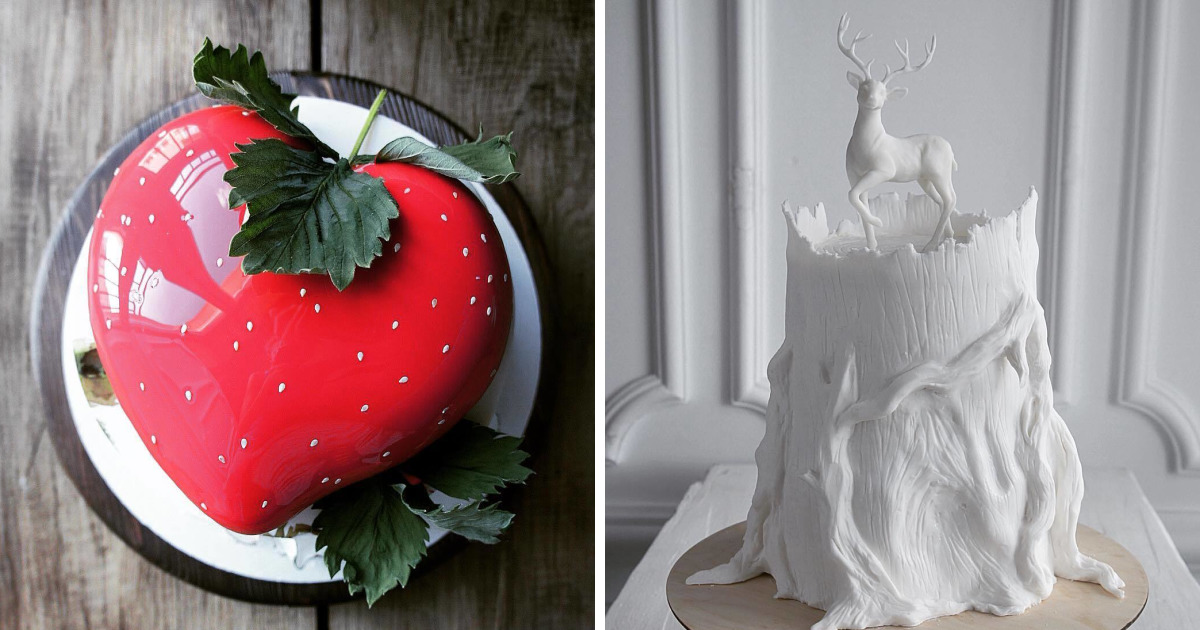
Some cakes arrive at a party, sit politely on the dessert table, and wait to be sliced. Then there are cakes that enter the room like a celebrity wearing a museum exhibit, a chandelier, and a small forest at the same time. The jaw-dropping creations by Russian pastry chef Elena Gnut belong firmly in the second category.
Known for her imaginative cake art from Kaliningrad, Russia, Elena Gnut has built a global audience by turning sponge, frosting, fondant, chocolate, edible paint, and sculpted details into desserts that look almost too beautiful to touch. Almost. Let’s be honest: if someone handed you a slice, your fork would still start negotiating with your conscience immediately.
The title “102 Stunning Cakes By Russian Chef That Will Blow You Away” is not an exaggeration. Her work feels like a bakery wandered into an art gallery and decided the walls were overrated. From animal cakes with soulful expressions to fantasy cottages, elegant floral towers, book-inspired designs, sculpted birds, dreamy wedding cakes, and whimsical pieces that look like they escaped from a fairy tale, her cakes show what happens when technical baking meets fearless imagination.
Who Is Elena Gnut?
Elena Gnut is a Russian pastry chef and cake artist whose designs gained wide attention online thanks to their sculptural detail and emotional storytelling. Based in Kaliningrad, she became known internationally through social media, where her cakes attracted fans who were not just hungry, but also slightly confused about whether dessert was allowed to be this dramatic.
Her cake style is not limited to one category. Some bakers are famous for clean wedding cakes. Others specialize in cartoon characters, flowers, or realistic food illusions. Elena’s portfolio moves between all of these worlds. One cake may look like a delicate bird perched on a branch. Another may resemble a weathered storybook, a tiny cottage, a bouquet, a magical creature, or a painting wrapped around tiers of sponge and cream.
That range is part of the fascination. Her cakes do not simply say, “Happy birthday.” They say, “Welcome to Act Three of a fantasy movie, please grab a fork.”
Why These Russian Cake Designs Went Viral
Beautiful cakes have always done well online because they combine two things people love: food and disbelief. Elena Gnut’s cakes add a third ingredient: personality. Each design feels intentional. The decorations are not just placed on top; they seem to belong to a story.
They Look Like Sculptures First and Desserts Second
Many of Elena’s most memorable cakes use height, texture, and movement in a way that makes them feel sculptural. A bird wing may curve naturally. A dragon-like creature may appear to curl around the cake. A flower may look soft enough to have grown there overnight. These are not flat decorations; they are edible forms with dimension.
This is where advanced cake decorating techniques matter. Sculpted cakes often require stable cake layers, careful carving, internal support, crumb coating, chilling, and a finishing medium such as fondant, modeling chocolate, ganache, or buttercream. The outside may look effortless, but behind that “effortless” look is the kind of planning that makes ordinary home bakers stare at their mixing bowl and whisper, “We are not ready.”
They Combine Realism With Fantasy
One reason Elena’s cakes stand out is that they are not trapped by realism. Some designs look incredibly lifelike, especially animals, flowers, feathers, and painted details. But she often mixes realism with fantasy, giving a cake the mood of a fairy tale illustration.
That balance is powerful. A completely realistic cake can impress people. A fantasy-realistic cake can make people feel something. It is the difference between saying, “That looks like a bird,” and saying, “I think that bird knows ancient secrets and has a better skincare routine than I do.”
They Are Built for the Instagram Era Without Feeling Empty
There is a difference between a cake made only to get clicks and a cake that earns attention because it is genuinely beautiful. Elena’s work succeeds online because it photographs well, but the designs also reward close looking. You notice the color blending, tiny textures, expressive details, and careful composition.
In modern cake art, visual storytelling is everything. A cake must survive the party, please the client, taste good, and look strong enough to stop people mid-scroll. That is a demanding job description for something that may eventually be eaten with a paper plate and a plastic fork.
The Signature Elements of Elena Gnut’s Cake Art
While each cake feels different, several design elements appear again and again in her most admired creations. These details help explain why her work has become such a reference point for fans of artistic cakes and luxury cake design.
1. Hand-Painted Details
Many of the most stunning cakes use painterly techniques. Edible paint can create watercolor effects, vintage surfaces, soft shadows, and realistic textures. On a cake shaped like a book, painted edges can make pages appear aged. On a floral cake, subtle shading can make petals look alive. On an animal design, painted eyes and fur details can turn sugar into personality.
Hand-painting also gives a cake the feeling of a custom artwork. It is not just decorated; it is illustrated.
2. Sculpted Animals and Birds
Animal cakes are risky. Done well, they are enchanting. Done badly, they can look like a raccoon made a wish and something went terribly wrong. Elena’s animal-inspired cakes tend to succeed because they focus on expression, shape, and texture rather than relying only on novelty.
Birds, swans, foxes, bears, owls, and fantasy creatures are especially suited to her style. Feathers, fur, eyes, and posture allow the cake to feel alive. These designs show how cake art can borrow from sculpture, illustration, and character design.
3. Floral Drama
Flowers are a classic cake decoration, but Elena often treats them like the main event. Sugar flowers, buttercream blooms, wafer-paper petals, and painted botanical details can turn a cake into an edible garden. The best floral cakes are not just pretty; they are balanced. Color, scale, and placement all matter.
Her floral work often feels romantic without becoming predictable. The flowers may look soft and elegant, but the overall cake still has a sense of movement and surprise.
4. Storybook and Fantasy Themes
Some cakes feel like they were inspired by old books, fairy tales, enchanted forests, or tiny houses hidden somewhere past common sense. These designs are especially memorable because they invite viewers to imagine a whole world around the dessert.
A storybook cake might use aged textures, sculpted covers, painted pages, and tiny decorative objects. A fantasy cottage cake may include edible wood grain, moss-like details, windows, doors, vines, and whimsical proportions. The result is a cake that feels less like a dessert and more like a setting.
5. Elegant Wedding Cake Energy
Not every stunning cake has to shout. Some of Elena’s designs lean into soft colors, graceful shapes, delicate florals, and luxury finishes. These cakes work beautifully for weddings and formal events because they combine technical polish with emotion.
Modern wedding cake trends often favor texture, sculptural details, draped effects, buttercream piping, fresh or sugar flowers, and personal storytelling. Elena’s work fits naturally into that world because her cakes feel custom rather than generic.
How Do Cakes Like This Actually Get Made?
To appreciate these cakes, it helps to understand what might be happening behind the scenes. A sculpted cake is not simply baked and decorated in one heroic afternoon while birds sing through the window. It usually involves several stages, and each stage matters.
Baking a Stable Base
Art cakes need structure. Soft, delicate cakes can taste wonderful, but they may not be ideal for heavy sculpting or tall designs. Many professional cake artists choose recipes that are moist but sturdy enough to carve, stack, chill, and support decorations.
The cake layers must be level. Uneven layers can create leaning, sliding, or the terrifying moment when a cake begins to resemble a dessert-based landslide. That is why decorators often trim domed tops, add even filling layers, and chill the cake before final shaping.
Crumb Coating and Chilling
A crumb coat is a thin layer of frosting that traps loose crumbs before the final coating goes on. It sounds humble, but it is one of the quiet heroes of cake decorating. Without it, the final surface can become speckled with crumbs, which is charming only if the theme is “delicious chaos.”
Professional decorators often chill the cake after crumb coating. This firms up the surface, making it easier to add smooth buttercream, ganache, fondant, or other finishes.
Using Fondant, Modeling Chocolate, Ganache, and Buttercream
Different finishes create different effects. Fondant can provide a smooth, clean surface and can be shaped into drapery, figures, panels, or decorative objects. Modeling chocolate is popular for sculpted details because it can be shaped by hand and still tastes like chocolate, which is a quality humanity generally supports.
Ganache can create a firm, smooth base under fondant or work as a glossy drip. Buttercream can be piped, textured, painted, or smoothed into elegant finishes. Each medium has strengths, and the most impressive cakes often combine several.
Adding Edible Details
The final details are where a cake becomes memorable. Tiny eyes, feathers, petals, cracks in a book cover, painted shadows, edible moss, metallic accents, and delicate piping all help create the illusion. These details require patience, steady hands, and the emotional strength to spend hours on something that guests may later cut into slices.
What Makes These 102 Cakes So Stunning?
The number 102 suggests variety, and variety is exactly the appeal. A collection of Elena Gnut’s cakes feels like walking through different rooms of a dessert museum. Some pieces are elegant. Some are funny. Some are sweetly sentimental. Some look like they belong in a fantasy novel with a suspiciously attractive wizard on the cover.
The Cakes Feel Personal
Custom cake art works best when the design reflects a person, event, or story. Elena’s cakes often feel deeply personal, even when viewers do not know the client. A book cake may suggest a reader, teacher, writer, or dreamer. An animal cake may honor a beloved pet or favorite creature. A floral cake may capture a wedding mood or birthday personality.
That personal quality makes the designs more than decoration. They become edible portraits of taste, memory, and emotion.
The Color Palettes Are Carefully Chosen
Color can make or break a cake. Too many colors can turn a design into a frosting traffic jam. Too few can make it feel flat. Elena’s strongest cakes often use controlled palettes: soft pastels, earthy tones, dramatic darks, metallic touches, or naturalistic shading.
This is especially important for fantasy and sculptural cakes. The colors must support the story. A forest cake needs depth and shadow. A swan cake needs softness and grace. A vintage book cake needs warm browns, creams, and aged edges. A whimsical cake can use brighter tones, but even then, balance matters.
The Designs Have Movement
Great cake design is not only about decoration; it is about composition. The eye needs somewhere to go. Elena’s cakes often guide the viewer through curves, height, asymmetry, floral cascades, animal posture, or painted scenes. This movement makes the cake feel alive.
Even a still cake can suggest action. A bird can look ready to fly. Flowers can appear to spill down the tiers. A fantasy creature can curl around the base. A painted scene can pull you into a tiny edible universe.
Why People Love “Too Pretty to Eat” Cakes
The phrase “too pretty to eat” appears often in cake art, but it is only half true. People absolutely want to eat beautiful cakes; they just want to take 47 photos first. A stunning cake creates a moment before dessert becomes dessert. It gives guests something to gather around, talk about, and remember.
That is why artistic cakes are so popular for weddings, milestone birthdays, baby showers, anniversaries, and luxury events. They serve as decoration, entertainment, conversation starter, and dessert all at once. Honestly, very few centerpieces can say the same unless your floral arrangement is secretly filled with chocolate mousse.
Lessons Home Bakers Can Learn From Elena Gnut’s Cakes
Most home bakers are not going to wake up tomorrow and sculpt an edible owl with emotionally complex eyes. That is fine. Inspiration does not require imitation. You can learn from elite cake artists without trying to recreate every detail.
Start With One Strong Idea
A memorable cake does not need ten themes. Choose one clear concept: garden, storybook, swan, forest, vintage postcard, favorite pet, ocean, music, or birthday bouquet. A focused idea usually looks more expensive and more intentional.
Use Texture Before Complexity
Texture can make a simple cake look advanced. Try rough buttercream for a rustic look, smooth ganache for elegance, piped rosettes for romance, chocolate shards for drama, fruit for color, or edible flowers for softness. You do not need to build a castle if a well-placed floral cascade will do the job.
Respect the Power of a Crumb Coat
If your cake decorating journey has been haunted by crumbs, the crumb coat is your friend. Chill it, then add the final layer. This single step can make a homemade cake look dramatically cleaner.
Practice Piping on Parchment
Piping directly onto a cake for the first time is bold, but so is skydiving. Practice on parchment paper first. Stars, shells, rosettes, leaves, dots, and borders become easier with repetition.
Remember That Flavor Still Matters
A cake can look like a royal artifact, but if it tastes like sweet cardboard wearing a nice coat, guests will remember. The best cakes balance design with flavor: moist layers, thoughtful fillings, good frosting, and textures that make each bite enjoyable.
Experience Section: What It Feels Like to See Cakes Like These in Real Life
Seeing artistic cakes online is impressive, but seeing a cake like this in person is a different experience. Online, you admire the picture. In person, you start circling the table like a detective trying to understand how the evidence is edible.
The first reaction is usually silence. Not because people are unimpressed, but because the brain needs a moment to update its definition of cake. You expect frosting roses or a chocolate drip. Instead, you see a sculpted bird, a storybook cover, a cottage with tiny windows, or a floral arrangement so delicate it looks like it should be watered rather than sliced.
Then come the questions. “Is that edible?” “How long did this take?” “Who made it?” “Can we cut it?” “Should we cut it?” “Will the cake be offended?” A truly stunning cake creates a small social event before anyone even tastes it. Guests pull out phones. Someone asks for better lighting. Someone else becomes an unofficial museum guard, warning children not to poke the sugar flowers. For a few minutes, the cake is not food; it is the guest of honor.
The best part is the emotional reaction. Artistic cakes often connect to personal memories. A book cake can make a writer feel seen. A pet-inspired cake can make a family laugh and tear up at the same time. A wedding cake with handmade flowers can feel like a symbol of the whole day: careful, beautiful, and full of meaning. That is why cake art matters. It is not just decoration. It is celebration made visible.
There is also something wonderfully human about the tension between admiring the cake and wanting to eat it. People say, “It’s too pretty to cut,” but dessert has a destiny. Eventually, someone gets the knife. The first slice feels slightly dramatic, as if a tiny edible kingdom is falling. Then everyone tastes it, relaxes, and remembers that beauty and buttercream were always meant to be friends.
For home bakers, cakes like Elena Gnut’s can be both inspiring and intimidating. It is easy to look at a sculpted masterpiece and think, “My cupcakes have never emotionally moved anyone.” But the better way to look at it is this: every expert cake artist started with basic skills. Leveling layers, making frosting, piping borders, smoothing sides, shaping decorations, and learning color all build over time.
You do not need to create a 102-piece gallery of showstoppers to bring some of this magic into your own kitchen. Try one artistic detail at a time. Paint a few edible leaves. Add a small handmade flower. Use a richer color palette. Build a themed topper. Pipe with intention instead of panic. Even a simple cake can feel special when it has a clear idea and a little care.
That is the real lesson behind these stunning cakes: dessert can be playful, emotional, funny, elegant, and wildly creative. A cake can be a memory, a message, a sculpture, and a snack. It can make people laugh before dinner and gasp after the candles are lit. And yes, it can still taste good after everyone finishes photographing it from six different angles.
Final Thoughts
“102 Stunning Cakes By Russian Chef That Will Blow You Away” is more than a catchy title. It captures the feeling of discovering cake art that refuses to be ordinary. Elena Gnut’s creations show how far baking can go when it borrows from sculpture, painting, design, storytelling, and a little edible magic.
Her cakes remind us that food does not have to be plain to be delicious, and art does not have to hang on a wall to be meaningful. Sometimes art arrives on a cake board, wears buttercream, and makes everyone at the party temporarily forget how forks work.
Whether you are a professional baker, a dessert lover, a wedding planner, or someone who simply enjoys seeing creativity pushed to delicious extremes, these Russian cake designs are proof that the world of cake art is bigger, bolder, and far more imaginative than most of us realized.