Filson coats are not the sort of outerwear that politely asks the weather to behave. They are built with the attitude of a seasoned trail boss: quiet, practical, and fully prepared for rain that arrives sideways. Since 1897, Filson has been associated with rugged American outerwear, especially waxed cotton jackets, Mackinaw wool cruisers, field coats, parkas, and workwear designed for people who spend real time outdoors rather than simply posting about it from a coffee shop window.
The story of how Filson makes its coats and other outerwear begins in Seattle, where Clinton C. Filson founded the company during the Klondike Gold Rush. Prospectors, loggers, foresters, hunters, anglers, ranchers, and outdoor workers needed clothing that could survive cold, wet, abrasive conditions. Filson’s answer was not delicate fashion. It was durable fabric, functional patterns, serious stitching, reinforced pockets, and materials that improve with wear instead of collapsing emotionally after one drizzle.
Today, Filson outerwear blends heritage construction with modern sourcing and production. Some iconic pieces are still made in the United States, including selected Mackinaw Wool Cruiser models made at Filson in Seattle, while other jackets and parkas are imported. That means the best way to understand Filson is not through a single label, but through the company’s larger method: start with proven materials, design around utility, build for longevity, and make repairs and maintenance part of the product’s life.
The Filson Philosophy: Outerwear Built for Work First
Many clothing brands start with a mood board. Filson starts with a problem: cold rain, wet snow, thorny brush, timber work, saddle wear, boat spray, freezing mornings, and pockets that must actually hold something heavier than a receipt from brunch. This practical approach explains why Filson coats often look familiar even when they are new. The brand’s best-known designs, especially the Mackinaw Cruiser and Tin Cloth Cruiser, were created around outdoor work.
The famous Cruiser pattern was patented in 1914 and became a signature Filson design. It was developed for people who needed mobility, weather protection, and storage in the field. The multi-pocket front, double-layer back, and rear game or map pocket were not decorative flourishes. They were tools sewn into clothing. In other words, the jacket was basically a wearable toolbox, minus the rattling sound and the risk of dropping a wrench on your toe.
That utility-first thinking still shapes Filson outerwear. A Filson coat often has a boxier cut for layering, strong closures, substantial fabric weight, and pocket placement designed for gloved hands. The result is outerwear that can feel stiff or heavy when new, especially in waxed cotton. But that is part of the bargain. Filson jackets are meant to break in, not merely be worn.
Material Selection: The Real Starting Point
Filson’s outerwear reputation rests heavily on its signature materials. The brand does not rely on one miracle fabric. Instead, it uses different textiles for different kinds of weather and work. Mackinaw wool handles cold, wet conditions with natural warmth. Tin Cloth resists abrasion, wind, rain, and brush. Shelter Cloth offers a lighter waxed-cotton option. Down and synthetic insulation appear in parkas built for deeper cold.
Mackinaw Wool: Nature’s Old-School Performance Fabric
Filson’s Mackinaw wool is among the brand’s most recognizable materials. The classic Mackinaw Wool Cruiser is typically made with 24-ounce-per-linear-yard wool. It is dense, warm, breathable, and naturally able to insulate even when damp. That last point matters. Wool does not quit the moment the weather becomes unpleasant, which is why outdoor workers trusted it long before “performance fabric” became a marketing phrase printed on hangtags.
The wool is tightly woven, often in a 2×2 twill, to help block wind while still allowing moisture vapor to escape. In plain English: it keeps warmth in without turning the wearer into a walking sauna. Mackinaw wool is also durable because it uses long, strong fleece fibers spun into sturdy yarns. It may feel a bit scratchy compared with soft fashion wool, but that is because it is built more like equipment than loungewear. This is not the sweater you wear while whispering compliments to a houseplant. This is wool that wants to split firewood.
Tin Cloth: Waxed Cotton With a Backbone
Tin Cloth is Filson’s legendary waxed cotton canvas. It is usually a 14-ounce cotton duck fabric treated with an oil-finish wax. The canvas is tightly woven for tear strength, then waxed so the finish penetrates the fabric instead of sitting weakly on the surface. This creates a shell that resists rain, wind, brush, and abrasion.
New Tin Cloth can feel stiff. It may crease, show marks, and develop a patina quickly. That is not a defect; that is the jacket introducing itself. Over time, the waxed cotton softens, molds to the body, and records use in a way that denim fans understand immediately. A well-worn Filson Tin Cloth jacket looks like it has stories, even if one of those stories is “I stood heroically in a grocery store parking lot during light rain.”
Shelter Cloth, Cover Cloth, and Linings
Filson also uses lighter waxed cottons such as Shelter Cloth, often around 11 ounces, for jackets that need weather resistance with more flexibility. Some models use dry-finish Cover Cloth linings for comfort, polyester sleeve linings for easier layering, wool collars for warmth, or down and synthetic insulation for cold-weather parkas.
This mix of materials lets Filson tune each coat for its purpose. A Tin Cloth Short Lined Cruiser emphasizes abrasion resistance and year-round utility. A Mackinaw Wool Cruiser emphasizes warmth and breathability. A Down Cruiser Parka combines traditional waxed-cotton protection with insulation for colder conditions. The recipe changes, but the goal stays the same: useful outerwear that can take a beating and still show up for work the next morning.
Pattern Making: Why Filson Coats Look the Way They Do
Filson patterns tend to be straightforward because they are designed around movement and function. The classic Cruiser is a perfect example. Its front cargo pockets, hand pockets, button-secure closure, adjustable cuffs, and rear utility pocket serve real purposes. The double-layer back adds durability and protection. The hip-length cut on some Tin Cloth models keeps the jacket clear of tool belts, pants pockets, and seated movement.
Modern consumers sometimes expect a slim, tailored silhouette from every jacket. Filson is often more generous, especially in traditional workwear models. That extra room is not accidental. It allows layering over flannels, sweaters, liners, or vests. It also improves mobility when reaching, lifting, casting, chopping, loading, or performing any activity more demanding than reaching for the TV remote.
When Filson updates archival designs, the changes are usually subtle. Special releases inspired by older Mackinaw Cruisers may reproduce details such as shorter lengths, beveled pockets, natural buttons, or historically accurate snaps. These details matter because Filson customers often care deeply about continuity. In the world of heritage outerwear, changing a pocket angle can spark more debate than a family Thanksgiving seating chart.
Cutting and Sewing: The Craft Behind the Coat
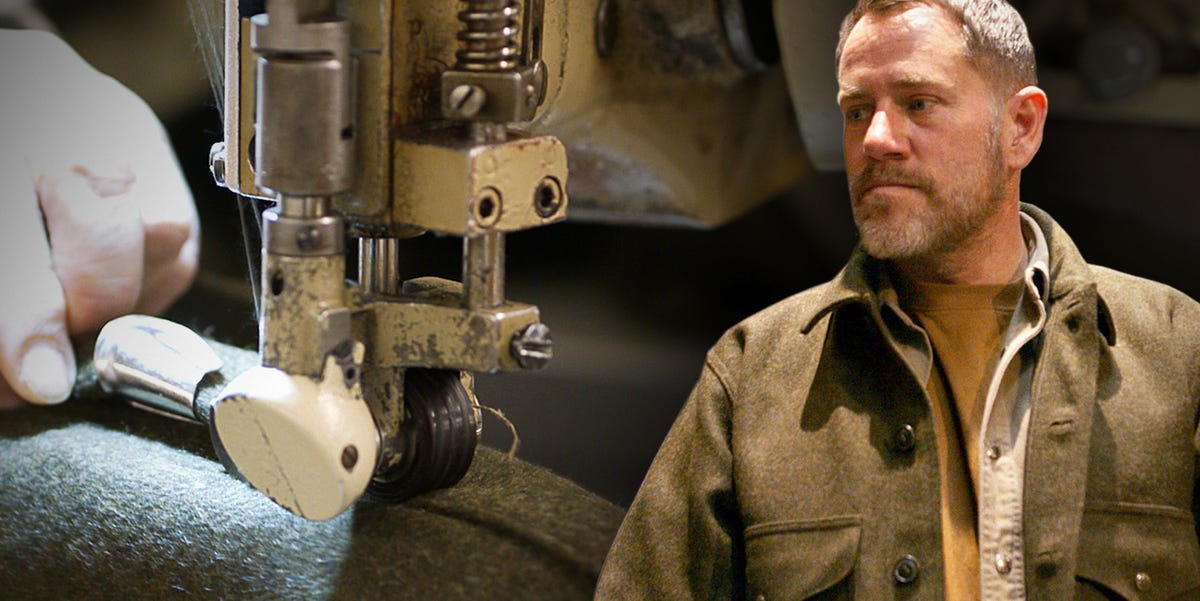
After materials and patterns are selected, the making of a Filson coat becomes a matter of precision. Heavy wool and waxed cotton are not dainty fabrics. They require sharp cutting tools, careful handling, and industrial sewing equipment capable of managing thickness, wax, seams, and reinforced areas.
For wool cruisers made at Filson in Seattle, the process typically involves laying out fabric, cutting pattern pieces, organizing panels, sewing major seams, attaching pockets, building the collar and cuffs, installing buttons or snaps, and finishing the garment through inspection. The order matters. A pocket sewn slightly off may not affect warmth, but it affects function and appearance. Heritage outerwear is not supposed to look sloppy. Rugged is good. Crooked is not a design philosophy.
Waxed cotton jackets demand another kind of care. Oil-finish Tin Cloth can mark and crease during construction, so makers must handle it with skill while accepting that the material’s character is part of its appeal. Seams, stress points, pocket edges, cuffs, and shoulders need particular attention because those areas experience the most wear. The best Filson coats feel overbuilt because they are designed for use, repair, and long service.
Made in USA, Imported, and Why the Product Page Matters
One important point for buyers: not every Filson coat is made in the United States. Some iconic Mackinaw wool pieces are made at Filson or stitched in the USA using imported material. Other outerwear, including certain Tin Cloth jackets, women’s cruisers, work jackets, and insulated parkas, may be imported. This is not hidden; Filson typically lists manufacturing origin on individual product pages.
That distinction matters for shoppers who prioritize American manufacturing. If “Made in USA” is essential, check the current product details before buying. Product origins can vary by model, season, size run, or special release. A Mackinaw Wool Cruiser and a Tin Cloth Work Jacket may both look like classic Filson, but their manufacturing location may differ.
Still, Filson’s broader construction logic remains consistent: heavy-duty fabric, proven patterns, repairable designs, and materials selected for outdoor performance. The label tells you where a specific garment was built. The design tells you what job it was built to do.
Weather Resistance: How Filson Handles Rain, Wind, and Cold
Filson does not make every coat waterproof in the modern technical-shell sense. Instead, the brand often uses traditional weather resistance. Tin Cloth and Shelter Cloth shed rain because waxed cotton creates a protective barrier. Mackinaw wool resists wind and keeps insulating when damp. Down parkas add loft and warmth for cold conditions, often protected by tougher outer fabrics.
This approach has strengths and trade-offs. Waxed cotton is durable, repairable, and handsome in a “yes, I own a hatchet” sort of way. But it can be heavier than synthetic shells and may require rewaxing. Wool breathes well and performs beautifully in cold damp weather, but it is not a light rain jacket for tropical storms. A Filson coat is best understood as practical heritage gear, not ultralight backpacking equipment.
That is why the brand remains popular among people who value longevity, field utility, and classic style. Filson outerwear is not trying to win a pack-weight contest. It is trying to be the jacket you reach for year after year, even after cheaper coats have retired quietly into the donation bin.
Care and Maintenance: The Secret to Long Life
Filson outerwear is made to age, but it still needs proper care. Waxed cotton should not be machine washed or dry cleaned because detergents and solvents can strip the wax finish. Instead, dirt and mud should be brushed off or wiped away with cold water. Over time, waxed garments should be rewaxed to restore maximum water resistance, especially around shoulders, cuffs, seams, elbows, and pocket edges.
Wool requires a different routine. Mackinaw wool jackets are generally dry-clean only, though light brushing and airing out can help between cleanings. Wool naturally resists odor better than many synthetic materials, which is helpful if your idea of a weekend involves campfire smoke, wet dogs, and a truck that may or may not contain fishing gear.
Filson also backs products with a guarantee against defects in materials and workmanship for the lifetime of the product. Normal wear, misuse, and accidental damage are treated differently, but the company offers repair services for many items. This repair culture reinforces one of the main reasons people buy Filson: the coat is not meant to be disposable.
Examples of Filson Outerwear Construction
Mackinaw Wool Cruiser
The Mackinaw Wool Cruiser is the centerpiece of Filson outerwear history. It is made with thick virgin wool, has multiple cargo pockets, handwarmer pockets, a full-width rear pocket, adjustable cuffs, and a button front. Its dense weave helps block wind while remaining breathable, making it suitable for cold, damp conditions where synthetic puffiness is not always the answer.
Tin Cloth Short Lined Cruiser
The Tin Cloth Short Lined Cruiser uses 14-ounce oil-finish waxed cotton with a shorter cut and practical pocket layout. It is rugged, weather resistant, and designed to break in over time. It is especially useful as a work jacket or everyday shell in cool, wet weather. It may feel stiff at first, but after a few weeks of wear it starts behaving less like armor and more like an old friend who owns a chainsaw.
Down Cruiser Parka
The Down Cruiser Parka shows how Filson blends heritage materials with modern insulation. Instead of relying only on wool or canvas, it adds down warmth under a tough weather-resistant shell. This type of construction suits colder climates where durability and insulation both matter.
Why Filson Outerwear Still Appeals Today
Filson coats appeal to different buyers for different reasons. Outdoor workers appreciate the durability. Hunters and anglers appreciate the field utility. Heritage menswear fans appreciate the timeless look. City wearers appreciate the fact that a Tin Cloth jacket can make a walk to the office feel like an expedition, even if the wildest animal encountered is a parking meter.
The biggest appeal, however, is longevity. In an era of fast fashion and disposable jackets, Filson makes outerwear that asks for a longer relationship. The coat may start stiff, develop creases, collect scuffs, lose a little wax, gain a little personality, and eventually look better than it did on day one. That slow aging process is central to the brand’s identity.
Filson outerwear is not cheap, and it is not always lightweight. But the value argument is based on years of use, repairability, and timeless design. A good Filson coat does not chase trends. It waits patiently for the weather to become terrible, then quietly proves its point.
Experience Notes: Living With Filson Coats and Outerwear
Wearing Filson outerwear is a different experience from wearing a modern lightweight jacket. The first thing many people notice is the substance. A Mackinaw Wool Cruiser feels dense and warm the moment you put it on. A Tin Cloth jacket feels structured, almost stubborn. It does not drape like a fashion jacket at first. It stands there with the confidence of a barn door. But after regular wear, especially through cool mornings, rainy errands, hikes, yard work, and travel, the jacket begins to soften and shape itself around your movements.
The break-in period is part of the pleasure. With Tin Cloth, creases appear at the elbows. The shoulders develop lighter stress marks. Pocket edges darken or polish from use. The wax finish may pick up dust, rain marks, or brush scratches. People who like spotless clothing may find this stressful. People who like honest wear will find it addictive. A waxed Filson coat does not stay showroom-perfect for long, and frankly, it looks relieved when it finally gets dirty.
In daily life, the pockets are one of the biggest advantages. The Cruiser layout is genuinely useful. You can carry gloves, a small notebook, keys, dog bags, a phone, a pocketknife, sunglasses, and still have room for something unnecessary but emotionally important, like a granola bar you forgot about. The rear pocket on Cruiser-style jackets is especially distinctive. It was designed for field use, but in everyday life it can hold maps, gloves, a scarf, or small flat items. Just remember what you put back there, unless you enjoy discovering trail snacks several seasons later.
Layering is another major part of the Filson experience. Many coats have room for flannel shirts, wool sweaters, vests, or liners. This makes them versatile across seasons. A Tin Cloth Cruiser over a light shirt can handle a crisp fall morning. Add wool underneath and it becomes more capable in winter. A Mackinaw Wool Cruiser over a base layer and heavy shirt can feel excellent in cold, damp air because wool manages temperature well without the clammy feeling some synthetic shells create.
There are quirks. Waxed cotton can transfer oil to light-colored car seats, bags, or clothing, especially when new or freshly rewaxed. It can also feel stiff in cold weather. Wool cruisers can feel scratchy at the neck or wrists if worn over short sleeves, so long sleeves are your friend. Some Filson jackets are boxier than fashion-oriented buyers expect, which is wonderful for layering but less ideal if you want a sharply tailored silhouette. In other words, a Filson coat is not trying to look like it just left a runway. It is trying to look like it knows where the firewood is stacked.
Care becomes part of ownership. Brushing mud off Tin Cloth, touching up wax in high-wear areas, airing out wool, and repairing small issues early all help the garment last. This maintenance is not difficult, but it is different from tossing a synthetic jacket into the washing machine and hoping for the best. The reward is a coat that develops character and remains useful for years. With regular care, Filson outerwear feels less like a purchase and more like a long-term tool.
The best experience with Filson comes from using the garment as intended. Wear it in rain. Take it camping. Walk the dog in miserable weather. Use the pockets. Let the wool breathe. Let the waxed cotton crease. A Filson coat that never leaves the closet is like a cast-iron skillet used only as kitchen decor: handsome, yes, but slightly tragic. These jackets are made to gather stories, and they tend to look better once they have a few.
Conclusion
Filson makes its coats and other outerwear by combining heritage patterns, durable materials, field-tested details, and a philosophy of long service. From the 1914-patented Mackinaw Cruiser to the waxed Tin Cloth jackets that protect against rain and abrasion, the brand’s best pieces are designed around real outdoor use. Some garments are made in the USA, some are imported, and smart buyers should check each product’s manufacturing details. But across the line, Filson’s outerwear identity remains clear: build with purpose, use serious fabric, design pockets that matter, and create coats that get better with age.
Note: Product materials, manufacturing locations, and specifications can vary by season and model. Always check the current product page or garment label before purchasing, especially if Made in USA construction is important to you.