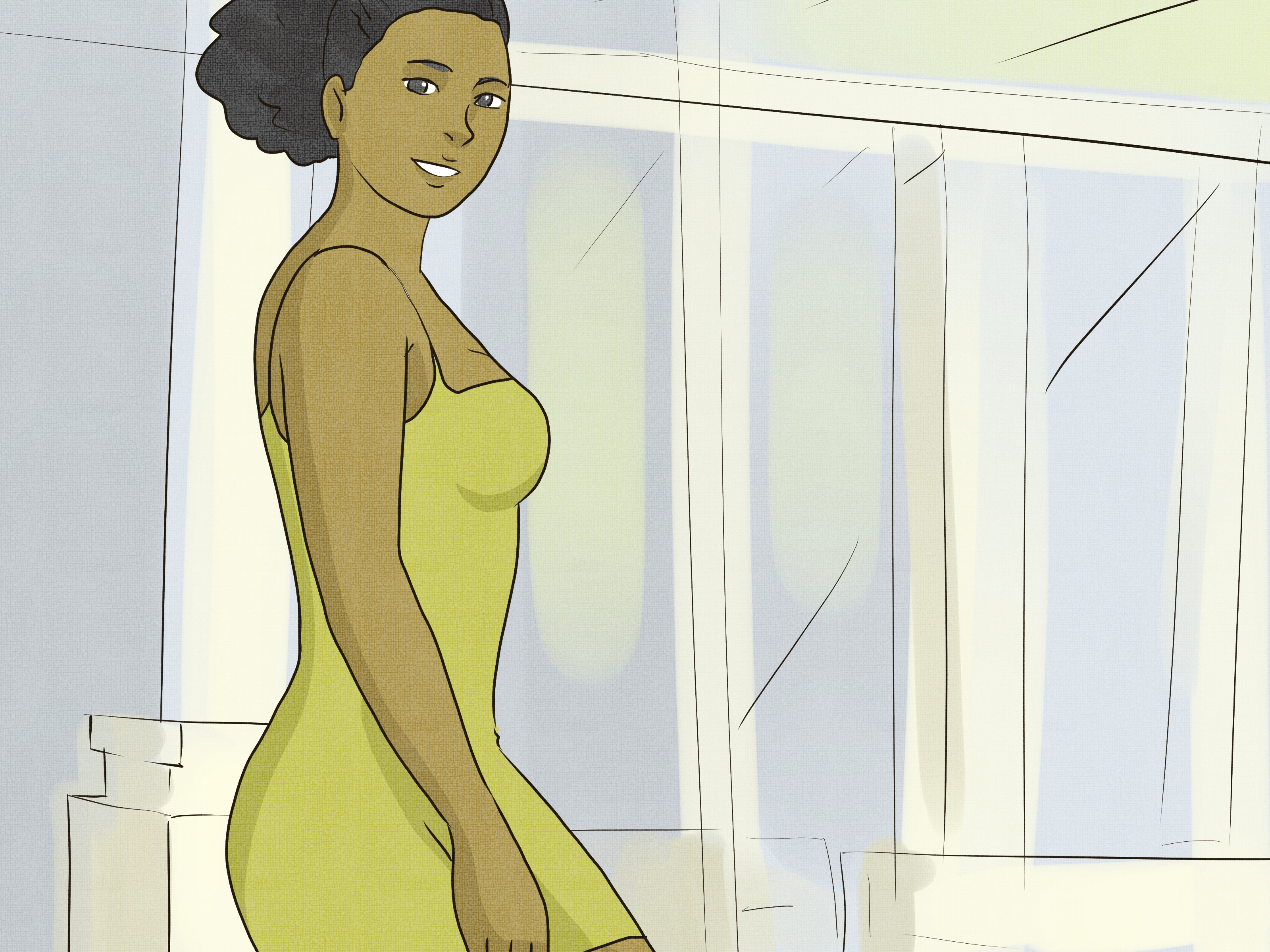
A bodycon dress does not whisper. It walks into the room, clears its throat, and announces that your outfit has officially arrived. Because this close-fitting style follows the shape of the body, small detailsfabric thickness, seam placement, undergarments, color, and even posturecan noticeably change the overall silhouette.
The good news is that you do not need to lose weight, skip dinner, or spend the evening holding your breath like someone is taking a photo that never ends. The smartest bodycon styling tricks are visual: they create longer lines, reduce distracting bunching, define your proportions, and help the dress lie smoothly.
The phrase “look skinny” is commonly searched, but the real goal should be to create a polished, streamlined appearance while remaining comfortable. A dress should work for your bodynot hold it hostage. Here are ten practical ways to style a bodycon dress so you look sleek, balanced, and confident from every angle.
1. Start With the Correct Dress Size
The most effective slimming trick is also the least glamorous: wear the right size. A bodycon dress should skim your figure without creating deep horizontal wrinkles, pulling across the hips, or forcing the seams to migrate toward a neighboring zip code.
Going down a size rarely makes the body look smaller. Instead, overstretched fabric can highlight every line underneath and create bulges around the neckline, waist, armholes, and hem. A dress that is too large is not ideal either because loose sections may bunch around the stomach or lower back.
Perform the sit-and-breathe test
When trying on the dress, sit down, lift your arms, walk several steps, and take a full breath. The neckline should stay in place, the hem should not climb dramatically, and the fabric should return to its original position. Accurate measurements and movement tests are more reliable than automatically choosing the smallest size you can zip.
2. Choose Structured, Medium-Weight Fabric
Very thin jersey may feel soft on the hanger, but under bright lighting it can reveal underwear seams, skin texture, and the exact location of the snack you ate three hours ago. Medium-weight materials generally create a cleaner outline because they have enough structure to glide over the body rather than cling to every tiny contour.
Look for dresses made with double-layer jersey, ponte knit, ribbed knit, stretch crepe, scuba-inspired fabric, or a substantial cotton-spandex blend. A modest amount of stretch helps the dress follow your curves while recovering its shape instead of becoming loose around the waist after an hour.
Lined dresses and styles with built-in shaping panels can also produce a smoother finish. Before buying, hold the garment up to a light. If you can clearly see your hand through two layers of fabric, the dress may require a slip or carefully selected underwear.
3. Use Ruching to Create Strategic Camouflage
Ruching is one of fashion’s friendliest inventions. The gathered fabric introduces texture, which prevents the eye from focusing on one uninterrupted section of the body. Side ruching is especially useful around the waist and stomach because it creates diagonal folds and visually defines the midsection.
A wrap-style front, twisted waist, or asymmetrical draping can have a similar effect. These details break up a flat expanse of fabric and direct attention toward the dress design rather than the exact outline underneath it. Current bodycon designs frequently use ruching, wrap fronts, waist ties, or shirring to add shape without requiring heavy layering.
Make sure the gathering sits where you want it. Ruching positioned too high may bunch under the bust, while ruching placed too low can add unnecessary volume around the hips. The sweet spot is usually from the natural waist to the upper hip.
4. Wear Seamless, Well-Fitting Undergarments
Even the best dress can lose its sleek appearance when visible bra edges and underwear seams form a surprise topographic map underneath it. Seamless underwear, laser-cut briefs, smooth thongs, and bonded-edge styles are designed to lie flatter under close-fitting clothing.
Choose underwear close to your skin tone when wearing a light-colored, sheer, or thin dress. White underwear under white fabric can be more visible than a properly matched nude shade. For darker bodycon dresses, either skin-tone or matching dark underwear may work, depending on the fabric.
Do not forget the bra
A properly fitted bra can improve the way the entire dress hangs. Cups that are too small may create visible spillage, while a loose band can ride upward and distort the back of the dress. Select a smooth T-shirt bra, seamless wireless bra, supportive bodysuit, or neckline-specific bra that remains hidden when you move.
5. Select Shapewear for Smoothing, Not Squeezing
Shapewear is optional, not a mandatory entrance fee for wearing a fitted dress. However, a well-chosen piece can smooth underwear lines, reduce fabric bunching, and create a more continuous silhouette.
Match the shapewear to the dress. A mid-thigh short can smooth the waist, hips, and upper legs beneath a midi dress. A shaping brief works under shorter hems. A bodysuit provides a continuous foundation beneath a sleeveless or long-sleeved style, while a full slip may be helpful under thin fabrics.
Do not intentionally buy shapewear several sizes too small. Excessive compression can cause rolling, pinching, visible edges, restricted movement, and discomfort. If the garment leaves painful marks, irritates your skin, causes tingling, or makes it difficult to breathe normally, remove it and choose a larger size or lighter support level. Medical and consumer guidance consistently emphasizes proper sizing and comfort rather than extreme compression.
6. Build a Monochromatic Outfit
Wearing one color from the neckline to the shoes creates an uninterrupted visual line. Without sharp color changes dividing the body into sections, the eye travels vertically, making the overall silhouette appear longer and more streamlined.
Black is the classic choice, but it is not the only option. Navy, espresso brown, charcoal, burgundy, forest green, plum, and deep teal can all produce a similarly polished effect. You can also combine several shades from one color family, such as a chocolate bodycon dress with dark brown heels and a camel coat.
A monochromatic outfit does not have to be boring. Mix textures instead of adding competing colors: pair a ribbed dress with suede shoes, a smooth leather bag, and a soft wool coat. Dressing in one color or closely related tones is widely used to create a continuous vertical impression and avoid visually cutting the frame into separate blocks.
7. Look for Vertical and Diagonal Design Lines
Strategic lines can guide the eye exactly where you want it to go. Vertical ribbing, long seams, narrow pinstripes, a row of buttons, or a deep V-neck encourages the viewer’s gaze to move up and down rather than from side to side.
Diagonal ruching and angled color panels can also define the waist. A dress with darker side panels and a slightly lighter center panel may create the impression of a narrower middle because the contrasting edges visually reshape the outline.
Avoid assuming that every stripe is automatically flattering. Large, widely spaced patterns can dominate a petite frame, while stretched horizontal stripes may emphasize areas where the fabric is pulling. Thin vertical elements, subtle ribbing, and long uninterrupted seams tend to be easier to style.
8. Define the Waist in the Right Place
Waist definition gives a bodycon outfit structure. Dresses with curved seams, a wrap detail, a built-in waistband, or carefully placed color blocking can visually separate the rib cage from the hips and create clearer proportions.
A narrow belt may help when the dress is slightly loose at the natural waist, but avoid using a wide, sharply contrasting belt that cuts the torso in half. A belt in the same color as the dress provides definition without disrupting the long line of the outfit.
Placement matters. Position the belt at the narrowest comfortable area of your torso, which may be slightly above or below the textbook “natural waist.” Your body did not sign a contract promising to match a fashion illustration, so adjust the placement until the proportions look balanced.
9. Add a Long, Open Layer
An unbuttoned blazer, long cardigan, lightweight trench, or open shirt creates two vertical lines down the front of the body. These lines frame the dress and can make the center section appear narrower while adding coverage around the sides, hips, or lower back.
Choose a layer that ends at a deliberate point. A blazer finishing just below the hips works well with many midi bodycon dresses, while a knee-length coat can extend the vertical effect. Avoid jackets that stop at the widest part of the torso unless the cropped proportion clearly defines the waist.
Keep the layer open rather than buttoned tightly. Stylists often use open jackets, oversized shirts, and longline coats to create uninterrupted lines and balance the close fit of a bodycon dress.
10. Finish With Leg-Lengthening Shoes and Confident Posture
Shoes can continue the vertical line established by the dress. Pointed-toe pumps, low-cut flats, sleek ankle boots, and sandals with minimal straps allow more of the foot or leg to remain visually uninterrupted. Shoes close to your skin tone can lengthen the appearance of bare legs, while shoes matching dark tights can create a continuous cold-weather line.
Heels may add physical height, but they are not required. A pointed flat or low slingback can create a similar directional effect without asking your toes to file a formal complaint. Choose shoes you can walk in naturally because wobbling cancels out even the cleverest styling trick.
Finally, stand comfortably upright with relaxed shoulders, a level chin, and your weight balanced between both feet. Good posture helps clothing hang as designed. Confidence is not a magical slimming filter, but it changes the way you carry the dressand that is often what people notice first.
Common Bodycon Dress Mistakes to Avoid
Buying a smaller size for motivation
A dress is clothing, not a disciplinary program. Buy the size that fits your current body comfortably. When the fabric is smooth and the seams sit correctly, the result usually looks more refined than an overstretched smaller size.
Layering several tight garments
A tight bra, compressive bodysuit, shaping shorts, control tights, and bodycon dress worn together may create more ridges than they remove. Select one foundation garment that addresses your main concern and perform a full movement test.
Ignoring the back view
Check the dress in a three-way mirror or use your phone camera. Look for a riding hem, twisted center seam, visible bra band, shapewear lines, or fabric gathered above the lower back.
Saving the first full try-on for the event
Wear the complete outfit at home before the occasion. Sit, walk, climb stairs, use the restroom, and test the dress under indoor lighting and camera flash. Glamour is much easier when you know the outfit will not begin a rebellion halfway through dinner.
Real-World Experiences: What Actually Makes a Bodycon Dress Look Better
Styling advice often sounds wonderfully simple until you are standing in front of a mirror with six bras, three pairs of shapewear shorts, and a dress that looked very different on the product page. Real experience shows that the most successful bodycon outfit is rarely the one with the strongest compression. It is usually the one with the fewest distractions.
Experience 1: The size-up surprise
Imagine trying on a black ribbed midi dress in your usual size. It zips, but the fabric forms horizontal lines across the hips and the hem creeps upward whenever you walk. The next size looks larger on the hanger, yet once worn, the ribs fall vertically, the side seams remain straight, and the waist looks more defined because the fabric is no longer fighting for survival.
This is a common lesson: a slightly easier fit can create a visually slimmer result. The number printed on the label is hidden inside the dress. The wrinkles are not.
Experience 2: The shapewear experiment
A firm-control short may initially make the waist feel smaller, but its upper edge can roll beneath the dress after sitting. Switching to a lighter, higher-waisted style often produces a better result because it remains flat and allows comfortable movement.
During a test run, wear the shapewear for at least an hour. Sit at a table, walk around, and bend to pick something up. If you spend the entire time adjusting the waistband, that garment is not supporting the outfit; it has become a side quest.
Experience 3: Ruching versus plain jersey
Two dresses may have the same measurements and color, yet look completely different. A plain single-layer jersey dress presents one uninterrupted surface, so every seam underneath can be noticeable. A dress with side ruching, thicker fabric, and a diagonal wrap panel creates shadows and texture that make the overall silhouette appear smoother.
This does not mean plain bodycon dresses should be avoided. They simply require greater attention to fabric quality, fit, and undergarments.
Experience 4: The power of one color
Consider a navy midi dress worn with nude sandals, a bright white jacket, and a contrasting red bag. Each color change creates a new visual stopping point. Replace those pieces with navy shoes, a dark blue open blazer, and a compact bag in the same color family, and the outfit immediately appears longer and more cohesive.
The individual items are not necessarily more expensive or more fashionable. The difference comes from continuity. The eye travels through the outfit instead of stopping to inspect every section separately.
Experience 5: Tailoring a nearly perfect dress
Sometimes the dress fits through the hips but gaps at the waist. Sizing down would make the lower half too tight, while leaving the dress unchanged creates bunching above the hips. A tailor can often take in the waist or center-back seam while preserving room elsewhere.
Small changes to the hem, straps, neckline, sleeves, or waist placement may dramatically improve how the dress follows the body. Tailoring is particularly worthwhile for a versatile black, navy, or neutral dress that you plan to wear repeatedly.
Experience 6: Choosing comfort before leaving home
The most flattering outfit can become unflattering when discomfort changes your posture. If you cannot sit normally, breathe deeply, or walk without pulling at the hem, your shoulders may tense and your movements may look guarded.
A successful bodycon outfit should feel secure enough that you can stop thinking about it. Once the fit, undergarments, shoes, and layers have passed the home test, the dress becomes part of the evening rather than the evening’s main technical problem.
Final Thoughts
Learning how to look skinny in a bodycon dress is less about changing your body and more about controlling the visual details surrounding it. Correct sizing, structured fabric, smooth undergarments, subtle shapewear, waist definition, vertical lines, tonal colors, open layers, and streamlined shoes can all help create a longer and more polished silhouette.
Use the tips that make you feel comfortable and ignore the ones that do not suit your style. You are allowed to wear bright colors, bold prints, flat shoes, or no shapewear whatsoever. The ultimate goal is not to disappear inside the dress. It is to wear the dress confidently enough that nobody wonders whether you followed ten styling rules before leaving home.