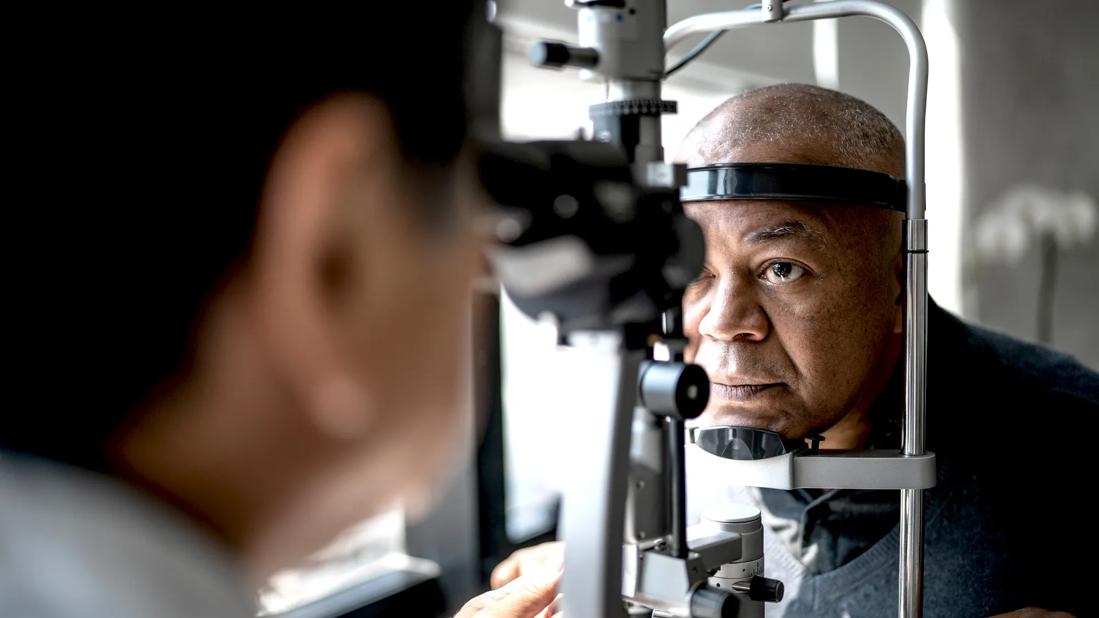
It sounds like a plot twist from a medical drama: your eyes may know something about your brain before your memory does. But this is not science fiction, and it is definitely not a reason to panic every time you misread a restaurant menu. Researchers are increasingly finding that vision problems may be linked with a higher risk of cognitive decline and dementia, especially in older adults.
The keyword here is risk. Your vision cannot diagnose dementia by itself, and blurry eyesight does not mean dementia is waiting around the corner wearing tiny sneakers. However, certain changes in sightsuch as difficulty seeing contrast, reading up close, judging depth, or navigating familiar placescan offer important clues about brain health. The eyes and brain work like a very intense buddy-cop duo: when one struggles, the other often has to work harder.
In recent years, vision impairment has moved from being seen as “just an eye problem” to being discussed as a potentially modifiable dementia risk factor. That matters because many common causes of vision loss, including cataracts, uncorrected refractive error, diabetic eye disease, and some forms of age-related eye disease, can be detected, managed, or treated. In other words, taking care of your eyes may also be a practical way to support your brain.
What Does “Your Vision Can Predict Dementia” Really Mean?
The phrase “your vision can predict dementia” should not be taken literally in the same way a weather app predicts rain. There is no simple eye chart that says, “Congratulations, you have a 72% chance of forgetting where you put your glasses.” Instead, vision changes may act as early warning signals, risk markers, or clues that something broader is happening in the nervous system.
Dementia is not one single disease. It is a group of symptoms involving memory, thinking, communication, reasoning, judgment, and daily function. Alzheimer’s disease is the most common cause, but vascular dementia, Lewy body dementia, frontotemporal dementia, and mixed dementia can also affect the way a person thinks and behaves.
Vision enters the conversation because seeing is not just an eye job. Your eyes collect light, but your brain turns that light into meaning. The brain helps you recognize faces, read words, judge distance, avoid obstacles, interpret motion, and understand what objects are. When the visual system is impaired, the brain may receive less information, poorer-quality information, or information that requires more effort to process.
The Eye-Brain Connection: Why Vision Matters for Memory
The retina, located at the back of the eye, is part of the central nervous system. It contains nerve cells and blood vessels that may reflect certain changes occurring elsewhere in the body, including the brain. That is one reason scientists are interested in retinal imaging, optical coherence tomography, and other eye-based tools as possible windows into neurodegenerative disease.
But the connection is not only about biology under a microscope. It also shows up in everyday life. If someone cannot see clearly, they may read less, drive less, exercise less, go out less, and socialize less. That means fewer conversations, fewer puzzles for the brain to solve, fewer errands, fewer hobbies, and fewer moments of “Where did I park?”which, while annoying, is technically a cognitive workout.
Vision loss can also increase the mental load of ordinary tasks. Imagine trying to cook dinner when the spice labels look like tiny gray smudges. Now imagine doing that every day. The brain has to compensate constantly, and that extra effort may contribute to fatigue, withdrawal, and reduced engagement.
Vision Problems Linked to Higher Dementia Risk
Research has highlighted several types of visual impairment that appear to be associated with cognitive decline and dementia risk. These include distance vision problems, near vision problems, and contrast sensitivity impairment.
1. Contrast Sensitivity Problems
Contrast sensitivity is the ability to distinguish objects from their background, especially when colors or shades are similar. It is what helps you see a gray curb on a rainy day, white rice on a white plate, or a step in dim lighting. When contrast sensitivity declines, the world may not look blurry in the classic sense, but it becomes harder to interpret.
This matters because contrast sensitivity appears to have a strong relationship with dementia risk in older adults. A person may still read big letters on an eye chart but struggle with real-world visual complexity. That is why a basic “Can you read line five?” test may miss problems that affect daily life.
2. Near Vision Impairment
Near vision helps with reading, using a phone, checking medication labels, paying bills, cooking, and doing hobbies like knitting, drawing, or crossword puzzles. When near vision gets worse and is not corrected, a person may slowly stop doing mentally stimulating activities.
This is one of the sneaky parts of vision loss. People often adapt without realizing it. They stop reading books because “the lighting is bad.” They avoid forms because “the print is ridiculous.” They stop texting because “phones are annoying.” Sometimes the phone is annoying, yes, but sometimes the eyes are asking for help.
3. Distance Vision Impairment
Distance vision affects driving, watching television, recognizing people across a room, reading street signs, and moving confidently through public spaces. When distance vision declines, independence can shrink. People may avoid unfamiliar places, skip social events, or become less physically active.
That reduced activity can influence brain health indirectly. The brain likes movement, novelty, social connection, and problem-solving. If poor vision cuts those experiences down, the brain may lose some of its regular stimulation.
4. Depth Perception and Visual-Spatial Changes
Dementia itself can cause visual-spatial problems, such as difficulty judging distance, processing visual cues, or recognizing objects. Someone may have trouble parking a car, navigating stairs, finding items in clutter, or understanding where one object ends and another begins.
These changes can be mistaken for clumsiness or simple aging. But if they are new, frequent, or affecting daily life, they deserve medical attention. Sometimes the issue is eye-related. Sometimes it is neurological. Sometimes it is both. The point is not to guessit is to get checked.
What the Research Says About Vision and Dementia
Several major studies have found an association between vision impairment and dementia. One nationally representative study of older U.S. adults found that vision impairment was common and that dementia was more prevalent among people with at least one measured vision impairment. The researchers estimated that a meaningful share of dementia cases in older adults could be associated with vision problems, especially contrast sensitivity impairment.
Another important finding comes from cataract research. Cataracts cloud the lens of the eye, making vision dim, blurry, or yellowed. In a large cohort study of older adults, cataract extraction was associated with a lower risk of developing dementia compared with not having cataract surgery. The study does not prove that cataract surgery directly prevents dementia, but it strongly supports the idea that restoring vision may have benefits beyond simply seeing the TV remote again.
The broader pattern is consistent: healthy vision may support cognitive engagement, mobility, confidence, mood, and independence. Poor vision may do the opposite, especially when untreated.
Can an Eye Exam Detect Dementia?
An eye exam cannot diagnose dementia on its own. If anyone tells you a five-minute eye scan can fully predict your future brain health, keep your wallet and your eyebrows raised.
However, eye exams can detect conditions that may affect quality of life and possibly dementia risk. A comprehensive eye exam can identify cataracts, glaucoma, diabetic retinopathy, macular degeneration, uncorrected vision problems, and other conditions that may worsen with age.
Researchers are also studying retinal biomarkersmeasurable changes in the retina, retinal blood vessels, or nerve fiber layersthat may be linked with Alzheimer’s disease and other forms of cognitive decline. Tools like optical coherence tomography can image retinal layers in detail. These technologies are promising, but they are not yet a routine stand-alone dementia screening method for the general public.
Why Untreated Vision Loss May Affect Brain Health
There are several possible explanations for the vision-dementia connection. Scientists are still investigating which pathways matter most, but the leading theories make practical sense.
Less Sensory Input
The brain depends on clear input from the senses. When vision declines, the brain receives less information about the environment. Over time, reduced sensory stimulation may affect how actively certain brain networks are used.
Higher Cognitive Load
If seeing becomes difficult, the brain has to work harder to do simple tasks. Reading a bill, crossing a street, or recognizing a face may require more effort. That constant strain can be exhausting and may leave less mental energy for memory and decision-making.
Social Isolation
People with untreated vision loss may avoid social situations because they feel embarrassed, unsafe, or overwhelmed. Social isolation is already recognized as a dementia risk factor, so anything that increases isolation deserves attention.
Reduced Physical Activity
Vision problems can make walking, exercising, and traveling feel risky. Less physical activity can affect blood pressure, blood sugar, mood, sleep, and overall brain health.
Shared Vascular and Metabolic Risks
Some conditions that harm the eyes also affect the brain. Diabetes, high blood pressure, smoking, and vascular disease can damage blood vessels in both places. The eyes may reveal clues about broader circulation and metabolic health.
Eye Conditions That Deserve Attention
Not every vision problem is connected to dementia, but several common eye conditions become more frequent with age and can reduce independence if ignored.
Cataracts
Cataracts cause cloudy or dim vision, glare, faded colors, and difficulty seeing at night. Because cataracts are common and treatable, they are one of the most practical eye problems to address. Restoring clear vision may help people stay active, social, and mentally engaged.
Age-Related Macular Degeneration
Age-related macular degeneration affects central vision, making it harder to read, recognize faces, drive, and do close-up tasks. Early AMD may not cause symptoms, which is exactly why regular eye exams matter. The disease can progress slowly or more quickly depending on the type.
Glaucoma
Glaucoma can damage the optic nerve and often develops without obvious early symptoms. Peripheral vision may be affected first. Because lost vision from glaucoma usually cannot be restored, early detection is essential.
Diabetic Retinopathy
Diabetes can damage retinal blood vessels. Diabetic eye disease may progress silently before vision changes become obvious. Managing blood sugar, blood pressure, cholesterol, and regular eye screening can help protect sight.
Uncorrected Refractive Error
Sometimes the problem is not dramatic. A person may simply need updated glasses. But even “simple” uncorrected vision problems can make reading, driving, and daily tasks harder than necessary.
Signs Your Vision Changes Should Not Be Ignored
Some vision changes are urgent. Others are gradual but still important. Talk with an eye care professional or health care provider if you notice:
- New trouble reading, even with glasses
- Difficulty seeing in dim light
- Problems recognizing faces
- More falls, stumbles, or trouble judging steps
- Straight lines looking wavy or distorted
- New blank spots, flashes, floaters, or sudden vision loss
- Difficulty driving, especially at night
- Confusion that seems worse in visually busy places
- Trouble finding objects that are right in front of you
These signs do not automatically mean dementia. They may point to treatable eye disease, medication effects, neurological issues, or other health problems. The safest move is evaluation, not self-diagnosis via late-night internet spirals.
How to Protect Vision and Support Brain Health
There is no guaranteed way to prevent dementia, and eye care is only one part of the puzzle. But it is a practical part. Good vision supports reading, walking, cooking, socializing, hobbies, and independenceall things the brain enjoys much more than doomscrolling at 1 a.m.
Get Regular Comprehensive Eye Exams
Routine eye exams are especially important after age 50, and even earlier for people with diabetes, high blood pressure, family history of eye disease, or previous eye problems. A dilated eye exam can detect diseases before symptoms become obvious.
Update Glasses or Contacts
Small prescription changes can make a big difference. If you are squinting, increasing font size every month, or blaming every lamp in the house, it may be time for a new prescription.
Manage Blood Pressure, Blood Sugar, and Cholesterol
The eyes and brain both depend on healthy blood vessels. Managing cardiovascular and metabolic risk factors can support both vision and cognitive health.
Stay Physically and Socially Active
Movement, conversation, learning, and social connection all support brain health. Clearer vision can make these activities easier and safer.
Use Better Lighting and Contrast at Home
Good lighting, high-contrast labels, uncluttered walkways, and clearly marked stairs can help reduce falls and frustration. This is not “getting old.” This is smart design. Even twenty-year-olds appreciate not tripping over a laundry basket in the dark.
Do Not Delay Treatable Eye Care
If cataracts, diabetic eye disease, or another treatable condition is affecting daily life, ask about options. The goal is not only sharper vision; it is preserving independence and participation in the world.
The Future: Retinal Scans, AI, and Dementia Prediction
Researchers are exploring whether retinal images, eye movement patterns, and artificial intelligence can help identify people at higher risk for Alzheimer’s disease or dementia before symptoms become severe. Because the retina is accessible, noninvasive imaging could someday become part of broader brain-health screening.
Still, this field is developing. Many tools need more validation before they become routine clinical tests. A future dementia risk assessment may combine eye data with age, genetics, cardiovascular health, cognitive testing, lifestyle factors, blood biomarkers, and medical history. The eye may be one window into the brain, but it is not the whole house.
Common Myths About Vision and Dementia
Myth: Blurry Vision Means Dementia
No. Blurry vision can come from dry eyes, cataracts, outdated glasses, diabetes, medications, or many other causes. It should be checked, but it is not a dementia diagnosis.
Myth: Dementia Is Just Memory Loss
No. Dementia can affect language, problem-solving, attention, mood, behavior, movement, and visual-spatial abilities. Some people notice navigation or visual processing problems before major memory problems appear.
Myth: Eye Exams Are Only for People Who Wear Glasses
No. Eye exams can detect diseases that may not cause early symptoms. You can have “good enough” vision and still have an eye condition worth treating.
Myth: Nothing Can Be Done
Not true. While not all dementia can be prevented, many risk factors can be managed. Treating vision problems, staying active, managing chronic disease, sleeping well, eating a balanced diet, and maintaining social connection can all support healthier aging.
Experience-Based Reflections: What This Looks Like in Real Life
In everyday life, the link between vision and dementia risk often appears quietly. It rarely announces itself with dramatic music. More often, it starts with small changes that families explain away. A parent stops reading the newspaper. A grandparent no longer wants to drive to the grocery store. Someone who used to love cooking begins burning food or avoiding recipes with small print. The explanation may be “I’m tired,” “I’m just getting older,” or “The lighting in this house is terrible.” Sometimes that is true. Sometimes the eyes are struggling.
One common experience is the slow shrinking of a person’s world. When vision becomes unreliable, familiar activities can feel risky. Walking outside becomes stressful because curbs are harder to judge. Social gatherings become awkward because faces are harder to recognize. Reading becomes exhausting, so books and hobbies are abandoned. Over time, fewer activities mean fewer conversations, fewer decisions, and fewer mental challenges. The person may appear less engaged, but the root problem may be that the world has become visually difficult to navigate.
Another real-world pattern involves contrast. Families may notice that an older adult misses food on a plate, overlooks pills on a counter, or struggles with stairs that blend into the floor. This is not always carelessness. Contrast sensitivity can decline even when a person still reads an eye chart reasonably well. A white bathroom, a pale rug, and a beige step may look stylish in a magazine, but for aging eyes they can become an obstacle course designed by a minimalist villain.
Caregivers also report that better vision can change mood. When someone receives updated glasses, improved lighting, magnifiers, or cataract treatment, they may become more willing to read, cook, walk, or visit friends. That does not mean eye care cures dementia. It means vision affects confidence. Confidence affects activity. Activity affects quality of life. And quality of life matters at every stage of aging.
There is also an emotional side. Vision loss can be embarrassing. People may hide it because they do not want to seem dependent. They may laugh off mistakes, avoid appointments, or insist they are “fine” while secretly memorizing where furniture is placed. Families can help by treating eye care as normal maintenance, not a personal failure. We service cars, update phones, replace light bulbs, and change air filters. Updating vision care deserves at least the same respect as rebooting the Wi-Fi router.
The most useful lesson is practical: pay attention to patterns. A single moment of misreading a label is not a crisis. Repeated trouble with reading, navigation, faces, contrast, or depth deserves a checkup. If vision changes appear alongside memory problems, confusion, personality changes, or difficulty managing daily tasks, it is time to involve both eye care and primary care professionals. The goal is not to attach a scary label. The goal is to find treatable problems early, protect independence, and give the brain the clearest possible view of the world.
Conclusion: Your Eyes May Be Brain Health Messengers
Your vision can predict dementia only in the sense that visual changes may reveal risk, strain, or early signs that deserve attention. The eyes are closely connected to the brain, and poor vision can affect how people move, think, socialize, and stay independent. Research increasingly supports the idea that vision impairment is not a minor inconvenienceit may be an important part of dementia prevention and healthy aging.
The hopeful part is that many vision problems are detectable, manageable, or treatable. Regular eye exams, updated prescriptions, cataract care, chronic disease management, better lighting, and safer home design can all help. No eye exam can promise a dementia-free future, but protecting sight is one of the most practical steps you can take to support a more active, connected, and brain-friendly life.
So yes, listen to your eyes. If they are sending blurry, dim, distorted, or confusing messages, do not ignore them. They may not be fortune-tellers, but they are excellent reportersand sometimes, they file stories your brain needs you to read.