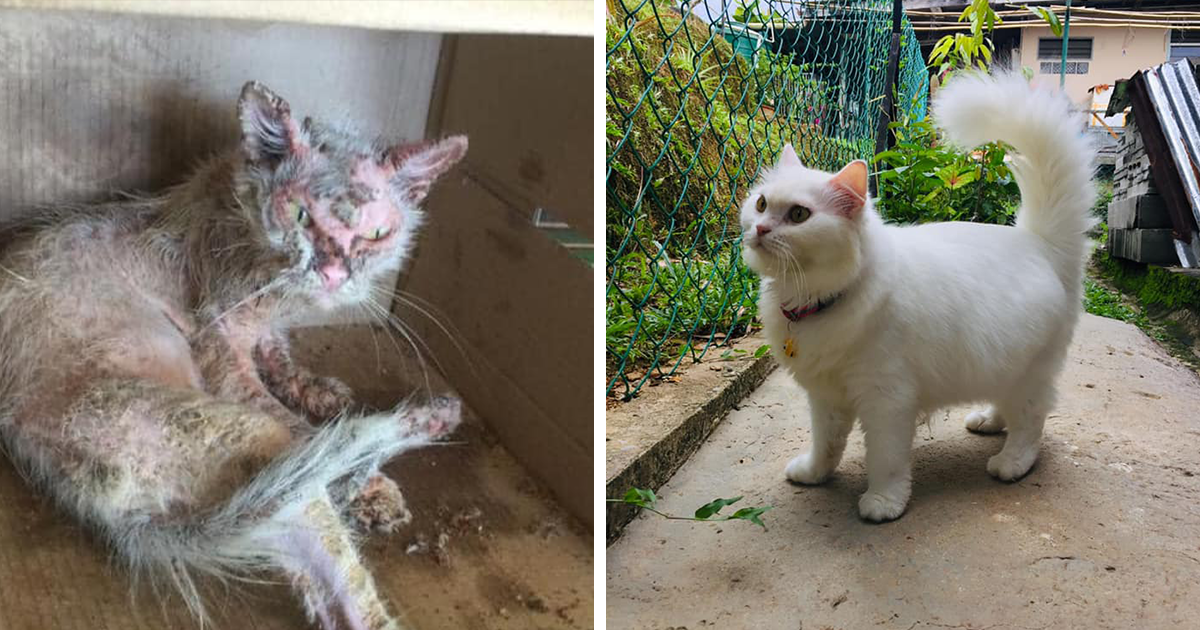
Some rescue stories begin with a grand plan. This one begins the way many real ones do: with a tiny sound, a bad feeling, and a woman who could not convince herself to “just keep walking.” On a noisy street, tucked near a curb where cars rushed by and people hurried past, she spotted a kitten that clearly was not having a great day. The little cat was dirty, thin, frightened, and moving with the stiff, awkward caution that usually means pain. In other words, this was not a “maybe the kitten is fine” situation. This was a “cancel your errands and grab a towel” kind of moment.
What happened next is the kind of story animal lovers never really forget. A woman stopped, assessed the danger, carefully got the kitten off the street, and started the chain of decisions that often makes the difference between suffering and survival. It is the emotional version of finding a penny on the sidewalk, except the penny is alive, suspicious, covered in grime, and fully prepared to question your motives.
Stories about a woman saving a wounded kitten from the streets resonate because they combine two things people understand instantly: vulnerability and mercy. But beneath the emotional pull is something even more powerful: real-world rescue logic. Helping an injured kitten is not just about having a soft heart. It is about staying calm, acting safely, getting veterinary help fast, and understanding that recovery is usually part medicine, part patience, and part absurdly small food bowls.
Why This Kind of Kitten Rescue Story Hits So Hard
A wounded street kitten is the definition of “against the odds.” Kittens are fragile to begin with. When injury, infection, parasites, exposure, dehydration, or hunger are added to the mix, their condition can decline fast. That is why rescue organizations and veterinarians repeatedly stress the same point: when a kitten is visibly sick or injured, quick intervention matters. A kitten with crusted eyes, trouble breathing, pale gums, a cold body, bleeding, limping, or extreme lethargy is not being dramatic. That kitten needs help.
That urgency is what makes this story more than a sentimental moment. The woman did not just feel sorry for the kitten. She responded in the exact way rescuers are told to respond when an animal is clearly in trouble. She contained the danger, avoided making the situation worse, and moved the kitten toward medical care.
There is another reason people connect with stories like this: they turn compassion into something visible. Plenty of people care. Fewer people stop. Even fewer know what to do after they stop. The emotional center of the story is the rescue itself, but the meaningful part is what came after: transport, treatment, wound care, nutrition, trust-building, and the long, unglamorous stretch of healing that never makes it into a dramatic headline.
The Moment She Chose Action Over Hesitation
Imagine the scene. The kitten is crouched low, trying to make itself invisible while sitting in the least invisible place possible. Maybe there is a small wound near the leg. Maybe the fur is matted. Maybe one eye is half shut. Maybe the kitten tries to dart away but can only wobble a few steps before giving up. That is usually how rescuers know this is not a kitten who simply needs a snack and a motivational speech.
The woman approached the way experienced rescuers recommend: slowly, quietly, and without sudden movements. Injured cats are scared cats, and scared cats are not famous for excellent decision-making. A towel, small blanket, or carrier often becomes the rescue MVP in these situations. It helps contain the kitten safely, reduces the chance of another injury, and protects the rescuer from claws that are tiny but emotionally committed.
What Smart Rescuers Do First
- Check whether the kitten is in immediate danger from traffic, weather, or other animals.
- Approach calmly and avoid chasing, which can send an injured kitten into more danger.
- Use a towel or carrier for safe transport.
- Keep handling gentle and minimal if pain or bleeding is obvious.
- Get veterinary help quickly instead of trying random home remedies.
That last point matters. A wounded kitten is not a weekend craft project. It is not the moment to become a self-appointed feline surgeon with cotton swabs, kitchen ointment, and dangerous confidence. Rescue experts consistently warn against DIY medication and prolonged confinement without veterinary care. A kitten with an injury needs assessment, pain control, and a real treatment plan.
Why the First Vet Visit Changes Everything
Once the kitten was off the street, the story likely shifted from panic to triage. At a veterinary clinic, the questions come quickly. Is the kitten dehydrated? Is the body temperature normal? Are there puncture wounds, fractures, or infection? Is the kitten old enough to eat independently? Could this be a lost pet rather than a feral-born kitten? Is there a microchip?
That microchip check is more important than many people realize. Veterinary clinics and shelters routinely scan found animals because some street cats are not truly unowned. They may be lost, displaced, or recently abandoned. A tiny scanner can turn a mystery into a reunion. And when there is no chip, the exam still gives rescuers something just as valuable: facts. Facts calm people down. Facts also prevent the “I Googled one symptom and now I think this kitten has seventeen rare diseases” phase.
Depending on the injury, treatment might include wound cleaning, antibiotics, pain medication, fluids, parasite treatment, or protective bandaging. If the wound came from a bite or puncture, the infection risk is especially serious. Small punctures on cats can hide larger problems underneath the surface, which is one reason veterinarians treat fight wounds and abscess-prone injuries so seriously.
This is the part rescue stories often skip, but it is the part that saves lives: stabilization first, sentiment second. The woman may have fallen in love with the kitten on the sidewalk, but medicine had to happen before the fairy tale ending could begin.
Healing a Wounded Kitten Is More Than Bandages
Once the kitten was safe indoors, recovery probably looked far less cinematic than people imagine. Real healing is quiet. It smells a little like disinfectant and canned food. It involves setting alarms, monitoring litter box use, checking appetite, keeping the wound clean, and gently discouraging the patient from licking the exact place that needs to stay untouched. Cats, unfortunately, are brilliant at locating their own stitches with the precision of a heat-seeking missile.
A veterinarian may recommend flushing or cleaning the wound, administering prescribed medication on schedule, and using a bandage or recovery collar if needed. Warmth also matters. Small kittens lose body heat quickly, especially when they are ill, underweight, or wet. A soft blanket, a draft-free room, and a safe low-stress setup can do a lot to support medical treatment.
Nutrition becomes another big part of the comeback. Injured kittens often arrive underfed, dehydrated, or too weak to eat well. Some need frequent small meals. Younger kittens may need bottle-feeding or specialized formula, while older kittens usually do better with highly digestible kitten food and careful hydration support. This is one reason rescue groups often remind the public that very young kittens can require around-the-clock care. Tiny body, giant job description.
And then there is the emotional side of recovery. A street kitten does not automatically understand that the scary giant with the food dish is trying to help. Trust has to be built. The woman likely spent hours simply sitting nearby, speaking softly, moving slowly, and letting the kitten decide when contact felt safe. That approach mirrors what many cat behavior and rescue groups recommend for fearful or unsocialized kittens: steady, low-pressure interaction instead of force.
From Survival Mode to Safety
One of the most meaningful parts of a rescue like this is the shift in the kitten’s body language. At first, the kitten may flatten itself into corners, freeze when a hand appears, or inhale food like it is competing on a survival reality show. Then, day by day, something changes. The shoulders soften. The eyes stay open a little longer. The growling becomes silence, the silence becomes curiosity, and curiosity turns into that first hesitant step toward a human hand.
This is when rescuers know the kitten is not just healing physically. The nervous system is unclenching. Safety is becoming believable.
For a wounded kitten rescued from the streets, this transition is huge. Outdoor life exposes cats to cars, weather extremes, parasites, infectious disease, dog attacks, and fights with other cats. Moving indoors into a clean, controlled recovery space dramatically reduces those risks. It also opens the door to the next stage of care: vaccination, deworming, spay or neuter planning, socialization, and either adoption or long-term placement.
The Bigger Lesson Hidden Inside a Small Rescue
The story of a woman saving a wounded kitten from the streets works so well online because it delivers instant emotional payoff. But the real lesson is deeper: compassion is most effective when it is paired with informed action. Not every kitten outdoors should be scooped up immediately. Rescue organizations often remind people that healthy kittens may be better off left with their mother if she is nearby and the area is safe. A visibly injured kitten, though, is different. That is the exception. That is the emergency. That is when stepping in is the right move.
This distinction matters because good rescue is not impulsive rescue. It is thoughtful rescue. It asks: Is the kitten sick, bleeding, cold, weak, or struggling to breathe? Is there obvious trauma? Can I transport the kitten safely? Where is the nearest veterinarian, rescue, or shelter resource? Am I helping in a way that improves the outcome, not just my feelings in the moment?
The woman in this story got the answer right. She did not save the kitten with a dramatic speech or a perfect Instagram caption. She saved the kitten by doing several practical things well, quickly, and kindly.
What Happily Ever After Usually Looks Like
In real kitten rescue stories, the happy ending is rarely instant. It is layered. First, the kitten survives the first night. Then it eats a full meal. Then it tolerates medication without acting like it has been personally betrayed by civilization. Then it gains weight. Then the wound starts closing. Then it plays for the first time. Then it naps in a ridiculous position only a relaxed cat would choose. Then, one day, it purrs.
That first purr after a hard rescue is enough to emotionally rearrange a person.
Maybe the woman kept the kitten. Maybe she fostered it until a family adopted it. Maybe the tiny street survivor grew into a healthy indoor cat with a talent for stealing warm laundry and sitting on keyboards exactly when emails matter most. Whatever the ending, the rescue changed two lives. The kitten got safety, treatment, and a future. The rescuer got something harder to describe but instantly recognizable: the knowledge that stopping mattered.
Experiences Related to Saving a Wounded Kitten From the Streets
People who rescue injured kittens often describe the experience in surprisingly similar ways, even when the details are different. First comes the shock. You are on your way to do something normal, and suddenly the whole day tilts because there is a tiny animal in pain and now your brain refuses to care about groceries, emails, or whatever else was on the agenda. Then comes the adrenaline. You start scanning for a box, a towel, a clinic, a safe route, a phone number, a plan. It is amazing how quickly an ordinary person can become a full-time crisis coordinator when the patient weighs less than a bag of flour.
After that comes uncertainty. Rescuers often say this is the hardest part. You do not know whether the kitten will eat. You do not know whether the injury is minor or severe. You do not know whether the shaking is fear, pain, cold, or all three. Even with veterinary help, there is a waiting period that feels enormous. You watch every breath. You celebrate every sip of water like your team just won a championship. You learn that a kitten lifting its head can feel like a major medical breakthrough.
Another common experience is the emotional whiplash between heartbreak and comedy. One minute you are crying because the kitten looks impossibly fragile. The next minute the same kitten is hissing at a stuffed toy twice its size like it pays rent and owns the building. Recovery is often full of these moments. A kitten that arrived weak and dirty may suddenly develop opinions, attitude, and a dramatic objection to medicine. Oddly enough, rescuers find that encouraging. Sass is a sign of life.
Many people also talk about the slow growth of trust. At first, the kitten may not want to be touched at all. It hides, flinches, or stares with the expression of a tiny landlord evaluating an unapproved visitor. But over time, routines help. Food appears on schedule. The room stays quiet. The scary human speaks gently and does not grab. The kitten starts connecting people with relief rather than danger. That first head bump, first lap nap, or first purr can feel bigger than words. It is not just affection. It is evidence that fear is losing ground.
Rescuers frequently say the experience changes how they see stray animals forever. After helping one wounded kitten, they notice more. They recognize the difference between a healthy outdoor cat and one in distress. They learn whom to call, what supplies to keep nearby, and how important foster networks, veterinarians, and local rescue groups really are. Some go on to foster more kittens. Some volunteer. Some donate. Some simply become the person who no longer looks away.
And perhaps that is the most lasting experience of all: the realization that kindness is not always grand, polished, or convenient. Sometimes it is dirty, anxious, expensive, sleep-deprived, and covered in kitten formula. Sometimes it means rearranging your life for a creature that does not even thank you right away. But people who have done it will tell you the same thing. When that once-wounded kitten finally stretches out in safety, eats with confidence, and falls asleep without fear, every difficult minute makes sense.
Conclusion
A woman saved a wounded kitten from the streets, and that sentence sounds simple until you unpack everything inside it. She noticed what others missed. She acted when delay could have cost a life. She chose practical compassion: safe rescue, veterinary care, patient recovery, and a chance at a future. That is what makes the story memorable. It is not just about one kitten getting lucky. It is about what happens when kindness shows up prepared.
In a world where people are often told to keep moving, this woman stopped. Because of that, one frightened kitten got warmth instead of asphalt, treatment instead of infection, and comfort instead of fear. And honestly, if that does not restore your faith in humanity a little, you may need to spend more time around cats. Preferably the healed kind.