Some love stories begin with fireworks. Others begin withour hedgehog for the first time, we had dreams of soft snuggles, adorable photos, and a magical friendship montage. What we got instead was a ball of needles, dramatic huffing, and the unmistakable feeling that our new pet had already filed a complaint with management.
At first, we honestly thought he hated us. He curled up, hissed, puffed, and made every attempt to become the world’s smallest cactus. But over time, that suspicious little face changed. The same hedgehog who once treated our hands like enemy aircraft now relaxes, explores, and appears to smile so often that we are beginning to suspect he knows exactly how cute he is.
This is the funny, heartwarming truth about bonding with a pet hedgehog: affection does not always arrive wagging its tail. Sometimes it arrives covered in spines, judging your life choices from under a fleece blanket.
The First Meeting: Love at First Spike
Bringing home a hedgehog is not like bringing home a golden retriever puppy. A puppy might bounce into your arms as if you are the greatest person ever born. A hedgehog, especially an African pygmy hedgehog, may take one look at you and immediately transform into a prickly cinnamon roll of suspicion.
That reaction can feel personal, but it usually is not. Hedgehogs are prey animals by nature. Their survival strategy is not “make friends and network.” It is “curl into a defensive ball and wait for the scary thing to lose interest.” When a hedgehog huffs, pops, raises its spines, or rolls up tightly, it is often saying, “I am frightened,” not “I have reviewed your personality and found it disappointing.”
Our little guy did not know us. He did not know our scent, our voices, our routine, or whether our hands were safe. From his point of view, two giant mammals had appeared, lifted him from everything familiar, and moved him into a new world full of strange smells. Frankly, if someone did that to us, we would also consider becoming a ball.
Why a Hedgehog May Seem Like He Hates You
The phrase “my hedgehog hates me” is common among new owners, but it usually describes fear, stress, or unfamiliarity. Hedgehogs are not naturally eager to please humans. They are independent, nocturnal, scent-driven animals that need patience before they feel safe.
Huffing and Puffing Are Normal
Huffing sounds dramatic, like your hedgehog has discovered unpaid taxes in your name. But it is a normal defensive behavior. Many hedgehogs huff when they are picked up, woken, startled, or introduced to a new person. The best response is calm consistency. Do not punish the behavior, do not yell, and do not force sudden affection. Let the hedgehog learn that your hands bring safety, warmth, and predictable handling.
Curling Into a Ball Is Self-Protection
A curled-up hedgehog is not being rude. He is using his built-in security system. Those spines are there for a reason. Young hedgehogs may be extra sensitive, especially if they are still adjusting to new surroundings or going through quilling, the stage when new spines come in and the skin may feel uncomfortable.
New Smells Can Be Overwhelming
Hedgehogs rely heavily on scent. A new home can feel like an entire airport of smells: laundry detergent, carpet, soap, food, furniture, other pets, and the mysterious human hand. Some owners place a small piece of worn fabric near the hedgehog’s sleeping area so the animal can become familiar with their scent in a low-pressure way.
The Turning Point: Trust Is Built in Tiny Steps
The first sign of progress was not a grand emotional breakthrough. There was no violin music. No slow-motion hug. One evening, he simply uncurled a little faster than usual. Then he sniffed our fingers without immediately choosing war. Then he walked across a lap, paused, and settled under a blanket as if he had decided we were acceptable furniture.
That is how bonding with a hedgehog often works. It happens in inches. A few calmer minutes today. A little less huffing tomorrow. One tiny nose peeking out from the blanket next week. Slowly, the hedgehog begins to understand that the giant hands are not predators. They are warm transportation devices with snack potential.
We learned to handle him gently and regularly, especially in the evening when he was naturally more awake. We stopped expecting instant cuddles and started celebrating small wins. A relaxed body. Softer breathing. Curious sniffing. A tiny face emerging from a fleece pouch. In hedgehog language, these moments are basically love letters written with little feet.
And Then Came the Smile
Let’s be honest: hedgehogs do not smile exactly the way people do. A “smiling hedgehog” is often a relaxed facial expression, a slightly open mouth, a comfortable posture, or a perfectly timed photo that melts the internet into soup. Still, when a hedgehog looks peaceful, bright-eyed, and cozy, it is hard not to see joy in that little face.
Our hedgehog’s expression changed as his confidence grew. The tense ball became a curious explorer. The suspicious huff machine became a tiny nighttime comedian. He started posing in the most ridiculous ways: tucked into blankets like a burrito, peeking from cups, lounging with the royal confidence of a pet who pays no rent but owns the emotional mortgage.
That famous “hedgehog smile” is part science, part storytelling, and part human weakness for cute animals. But there is real meaning behind the transformation. A relaxed hedgehog is usually one who feels secure. He may stretch out, lower his spines, explore, eat normally, and show interest in his surroundings. Those behaviors matter more than any single photo-ready grin.
What a Happy Hedgehog Actually Looks Like
A content hedgehog does not always act like a cartoon. Some are naturally shy. Some are bold. Some enjoy lap time; others prefer supervised exploration and then returning to their hide like an introvert leaving a party. Happiness is not one-size-fits-all, especially when the animal in question has the social energy of a tiny forest hermit.
Relaxed Body Language
A hedgehog that feels safe may uncurl more quickly, keep its spines flatter, breathe calmly, and move around with curiosity instead of panic. It may sniff, walk, climb over soft blankets, or investigate new objects without immediately turning into a defensive pinecone.
Healthy Nighttime Activity
Hedgehogs are nocturnal, which means their version of a productive morning often begins when humans are thinking about sleep. A healthy pet hedgehog may run on a wheel, explore its enclosure, eat, drink, and rearrange bedding with the seriousness of an interior designer on a deadline.
Normal Eating and Grooming
A comfortable hedgehog generally maintains a steady appetite, drinks water, and keeps normal habits. Any sudden changes in eating, movement, weight, breathing, droppings, or activity should be taken seriously and discussed with an exotic-animal veterinarian.
Hedgehog Care Matters More Than Cute Photos
The internet loves smiling hedgehog pictures, and understandably so. They look like tiny grandfathers who just heard a wholesome joke. But behind every adorable pet photo should be proper care. Hedgehogs are not decorations, props, or pocket-sized toys. They are exotic pets with specific needs.
Temperature Is a Big Deal
Pet hedgehogs need a warm, stable environment. If their space gets too cold, they may become lethargic or attempt hibernation, which can be dangerous for many captive hedgehogs. A safe enclosure should be away from drafts, direct harsh sunlight, and cold floors. Many owners use approved heat sources and thermometers to keep the habitat comfortable.
They Need Space and Enrichment
A hedgehog may be small, but it still needs room to move. A proper enclosure should include a hiding area, bedding, food and water, and a safe exercise wheel with a solid running surface. Hedgehogs can travel surprising distances at night, so exercise is not optional. Without enough activity, they can become bored or overweight.
Diet Should Be Thoughtful
Hedgehogs are insectivores by nature, though pet diets often include high-quality formulated food, appropriate protein, and carefully selected treats. Insects may be offered in moderation depending on veterinary guidance. Overfeeding fatty treats can quickly lead to weight problems, which is a very undignified fate for an animal already shaped like a small pastry.
Clean Hands Are Part of Good Ownership
Like many animals, hedgehogs can carry germs without looking sick. Washing hands after handling, cleaning the enclosure regularly, and keeping pet supplies away from kitchen surfaces are simple habits that protect both humans and pets. Cute does not cancel hygiene. A smiling hedgehog is still a hedgehog, not a dishwasher-safe plush toy.
How We Helped Our Hedgehog Trust Us
The biggest lesson was simple: stop rushing. Hedgehog bonding is not a race. It is more like earning a security clearance from a prickly night goblin. You show up, stay calm, repeat the routine, and eventually the tiny official approves your application.
We Let Him Learn Our Scent
Before demanding interaction, we gave him time to recognize us. We used soft bedding, gentle handling, and calm voices. We avoided strong perfumes before handling him because hedgehogs experience the world through scent more intensely than humans do.
We Handled Him Consistently
Short, regular handling sessions worked better than long, stressful ones. Some evenings, he only wanted to sit under a blanket. That still counted. He was near us, smelling us, hearing us, and learning that nothing bad happened.
We Respected His Personality
Not every hedgehog becomes a social media superstar. Some remain shy. Some are bold explorers. Some enjoy being held; others tolerate it politely and then request to return to their private residence immediately. Respecting the animal’s personality is part of responsible pet ownership.
The Internet Loves a Smiling Hedgehog for a Reason
There is something irresistible about a hedgehog who looks happy. Maybe it is the contrast. Spines suggest danger, but the tiny face suggests sweetness. The combination is comedy gold. A smiling hedgehog looks like a cactus that discovered inner peace.
Stories like this spread because they capture a feeling many pet owners understand: the slow transformation from uncertainty to trust. Anyone who has adopted a shy animal knows the magic of the first relaxed moment. The first nap nearby. The first curious sniff. The first time the pet chooses to stay instead of hide.
That is why the image of a once-nervous hedgehog now appearing to smile is more than just cute. It is a reminder that trust can grow quietly. It does not always burst into the room. Sometimes it peeks out from under a blanket, blinks at you, and decides you are not so terrible after all.
What New Hedgehog Owners Should Know Before Bringing One Home
A hedgehog can be a wonderful pet for the right person, but it is not the right pet for everyone. They are nocturnal, require careful temperature control, need regular cleaning, and may not enjoy constant cuddling. They also need access to veterinarians who understand exotic pets.
Before bringing one home, future owners should research local rules, find a qualified exotic-animal vet, prepare a proper enclosure, and understand the daily care routine. Hedgehogs are charming, but they are also specialized animals. The goal should never be simply to own something cute. The goal is to provide a safe, healthy life for a small creature that depends entirely on human care.
Also, prepare emotionally for the early awkward phase. Your hedgehog may not immediately adore you. He may huff. He may hide. He may act like your hand is a suspicious moving mountain. That does not mean the bond is doomed. It means the relationship is beginning exactly where many hedgehog relationships begin: with caution, patience, and a few tiny dramatic sound effects.
Experience Section: What Living With a “Smiling” Hedgehog Taught Us
Living with a hedgehog has taught us that small animals can have enormous personalities. At first, we measured progress in dramatic ways: Did he uncurl? Did he stop hissing? Did he look at us without acting betrayed? But over time, we learned to notice quieter signals. A little nose twitching from inside the blanket. A slower curl when we picked him up. A calm pause on the couch. These tiny moments became the real story.
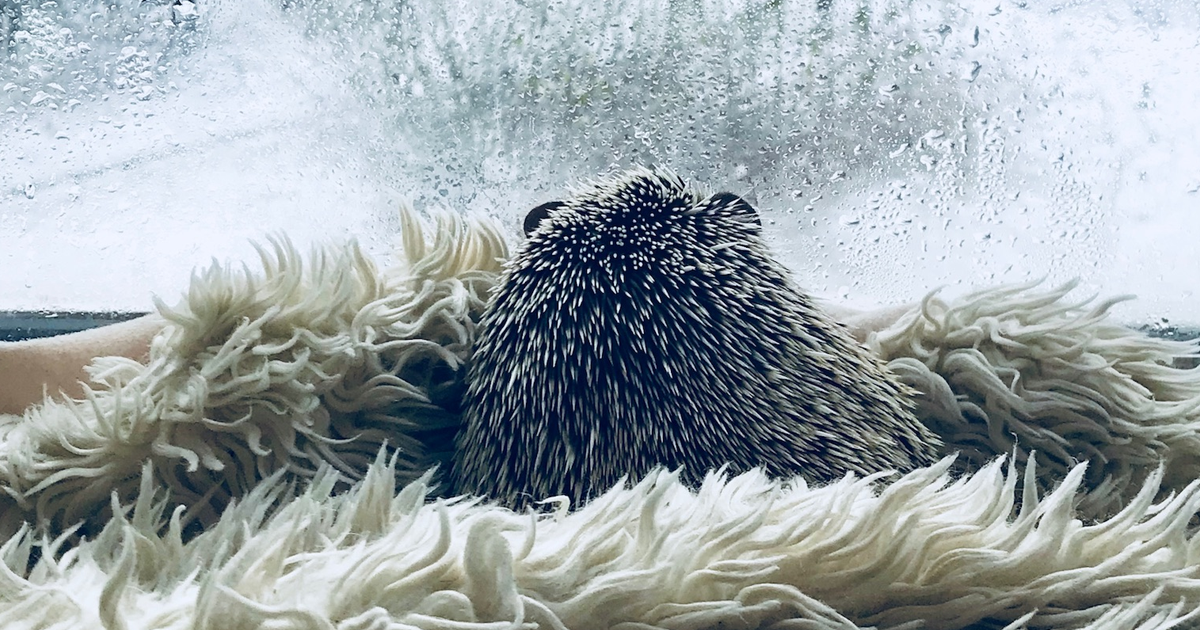
One of the funniest experiences happened during evening handling time. We had placed him on a soft blanket, expecting him to hide as usual. Instead, he marched forward with surprising confidence, climbed into the fold of the blanket, and looked out with an expression that said, “This is my cave now. You may continue paying the bills.” It was the first time he seemed less like a nervous guest and more like a tiny landlord.
Another lesson came from photography. We wanted cute pictures, of course. Everyone wants the legendary smiling hedgehog photo. But we quickly learned that comfort comes before content. A relaxed photo session lasts only as long as the hedgehog remains calm. Bright lights, loud noises, or too much handling can ruin the mood. The best photos came naturally: after he had explored, settled, and decided the blanket was acceptable. The smile was never something we forced. It appeared when he felt safe.
We also learned that hedgehogs are surprisingly routine-oriented. When the room was quiet and the evening rhythm stayed familiar, he seemed more confident. Sudden changes made him cautious again. This helped us understand that trust is not a trophy you win once. It is something maintained through gentle habits. Clean enclosure. Warm space. Predictable handling. Respect for sleep time. A hedgehog may be small, but his standards are not.
The most meaningful experience was realizing that affection does not always look the way humans expect. Our hedgehog does not run to the door like a dog. He does not purr like a cat. He does not perform gratitude with dramatic flair. Instead, he shows comfort by uncurling, exploring, relaxing, and allowing us into his little world. That is enough. In fact, it feels more special because it had to be earned.
Now, when he appears to smile, we do not simply see a cute expression. We see the whole journey behind it: the nervous first day, the cautious handling sessions, the late-night wheel marathons, the blanket caves, the tiny steps toward trust. We see proof that patience works. We see a small animal who once seemed convinced we were villains, now comfortable enough to show his face to the world like a miniature ambassador of joy.
So yes, when we picked up our hedgehog, we thought he hated us. Now he looks like he is smiling all the time. Maybe he is happy. Maybe he is relaxed. Maybe he has simply mastered the art of looking adorable in exchange for snacks. Whatever the truth, one thing is certain: he did not just become our pet. He became a tiny reminder that love can be slow, spiky, funny, and absolutely worth the wait.
Conclusion: From Spiky Stranger to Tiny Smiling Star
The story of a hedgehog who seemed to hate us but now will not stop smiling is really a story about patience. New hedgehogs can be scared, defensive, and slow to trust. Their huffing and curling are not insults; they are survival instincts. With gentle handling, proper care, a warm habitat, and respect for their personality, many hedgehogs become calmer and more confident.
A smiling hedgehog may not smile exactly like a person, but the joy people feel when they see one is real. Behind that cute little face is a lesson every pet owner can appreciate: trust is built, not demanded. Sometimes the most rewarding bonds begin with a huff, a ball of spines, and the humble realization that love needs time to uncurl.
Note: This article is written for web publication and is based on real hedgehog behavior and general pet-care knowledge. For medical concerns, diet changes, or signs of illness, hedgehog owners should consult a qualified exotic-animal veterinarian.