Indoor gardening sounds fancy until you realize it can start with a jar, a handful of potting mix, and the humble decision to stop letting your windowsill collect only dust. You do not need a greenhouse, a degree in botany, or the mysterious confidence of someone who owns matching pruning shears. With the right beginner-friendly indoor gardening projects, even a tiny apartment, office corner, kitchen counter, or laundry-room shelf can become a cheerful patch of green.
The beauty of indoor gardening is that it meets you where you are. No backyard? No problem. Forgetful waterer? There is a project for that. Live somewhere with winter weather that treats outdoor basil like a personal enemy? Bring the garden inside. These easy indoor garden ideas focus on low-cost supplies, forgiving plants, practical steps, and projects that deliver real results without turning your home into a jungle-themed science fair.
Below are 11 indoor gardening projects absolutely anyone can do, inspired by practical houseplant care, small-space gardening, propagation, kitchen gardening, and DIY plant projects. Some will feed you, some will decorate your home, and some will make you feel like a plant wizard for approximately the price of a coffee and a bag of soil.
Why Indoor Gardening Is Perfect for Beginners
Indoor gardening gives beginners more control than outdoor gardening. You can manage light, water, containers, temperature, and pests more easily when your plants are within arm’s reach. Most indoor plants prefer consistent conditions, which means your cozy living room can be more reliable than a backyard that goes from “pleasant spring morning” to “surface of the sun” by lunch.
The key is choosing the right plant for the right place. Bright windows are great for herbs, succulents, seed starting, and many edible projects. Lower-light rooms can still support hardy houseplants like pothos, snake plant, ZZ plant, and philodendron. If natural light is weak, a simple LED grow light can turn a dim corner into a productive mini garden.
Another beginner rule: drainage is not optional. A cute pot without a drainage hole is basically a tiny bathtub for roots. Use nursery pots inside decorative cachepots, choose containers with holes, or add a very careful watering routine if you insist on using that adorable ceramic llama planter. The llama may be charming, but root rot is not.
11 Indoor Gardening Projects Absolutely Anyone Can Do
1. Start a Windowsill Herb Garden
A windowsill herb garden is the classic indoor gardening project because it is useful, attractive, and delicious. Basil, chives, parsley, thyme, oregano, mint, and cilantro can all grow indoors with enough light. Place them near a bright south-, east-, or west-facing window, or supplement with a grow light for stronger growth.
Use small pots with drainage holes and a lightweight potting mix. Water when the top inch of soil feels dry, not every time you walk past feeling emotionally available. Herbs hate sitting in soggy soil, especially rosemary, thyme, and oregano. Mint is a little thirstier and more forgiving, but it can also grow like it has a five-year expansion plan, so keep it in its own container.
Harvest often, but gently. Snip leaves from the top to encourage bushier growth. Add basil to pasta, chives to eggs, mint to tea, and parsley to anything that needs to look like you tried harder than you did.
2. Grow Microgreens on a Kitchen Counter
Microgreens are the indoor garden’s version of instant gratification. These tiny edible greens are harvested shortly after sprouting and can be ready in about one to three weeks, depending on the crop. Good beginner choices include radish, broccoli, sunflower, pea shoots, mustard, kale, and arugula.
Fill a shallow tray with moistened seed-starting mix or a lightweight soilless medium. Scatter seeds evenly, press them gently into the surface, mist with water, and cover the tray for a couple of days to encourage germination. Once the seeds sprout, move the tray into bright light. Keep the medium moist but not swampy.
Harvest microgreens with clean scissors when the first true leaves appear. Rinse, dry, and sprinkle them on sandwiches, soups, tacos, omelets, or salads. They make you look like a restaurant chef, even if dinner is boxed mac and cheese wearing a tiny green hat.
3. Make a Mason Jar Propagation Station
Plant propagation is the art of making more plants from plants you already have. Translation: free houseplants. A mason jar propagation station is one of the easiest DIY indoor gardening projects because it requires only cuttings, water, and patience.
Choose easy-to-root plants such as pothos, philodendron, tradescantia, coleus, mint, or basil. Cut a healthy stem just below a node, which is the small bump where leaves and roots can grow. Remove the lower leaves and place the cutting in clean water so the node is submerged. Set the jar in bright, indirect light.
Change the water every few days. When roots are a couple of inches long, move the cutting into potting mix. Keep the soil lightly moist while the new plant adjusts. Congratulations: you have just cloned a plant, which sounds like science fiction but is mostly scissors and optimism.
4. Build a Tiny Terrarium
A terrarium is a miniature indoor garden grown inside a glass container. It is perfect for desks, shelves, coffee tables, and anyone who likes the phrase “tiny ecosystem.” Closed terrariums work best with humidity-loving plants such as small ferns, fittonia, peperomia, moss, and baby tears. Open terrariums are better for succulents and cacti because they need more airflow and drier conditions.
Start with a clean glass jar, bowl, or vase. Add a thin layer of small stones for drainage, then a light layer of horticultural charcoal if you have it, followed by potting mix suited to your plants. Arrange the plants, tuck soil around their roots, and decorate with moss, pebbles, bark, or tiny figurines if your garden needs a resident ceramic frog.
Water sparingly. Closed terrariums recycle moisture, so they need very little water once established. If condensation covers the glass constantly, open the lid for a while. If the soil looks dry and plants wilt, mist lightly.
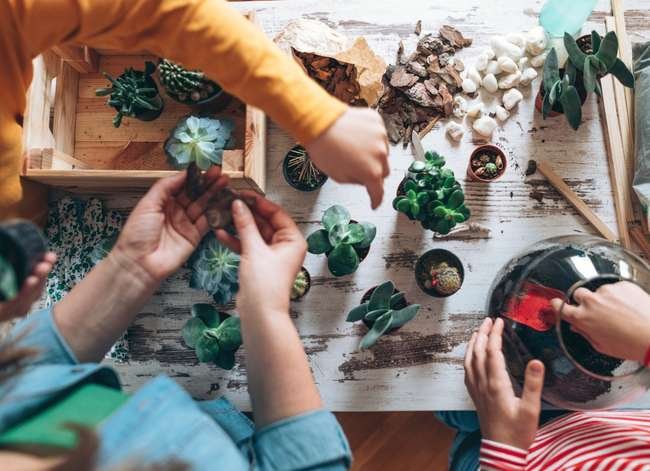
5. Create a Succulent Dish Garden
Succulent dish gardens are stylish, low-maintenance, and surprisingly easy when you follow one important rule: do not love them to death with water. Succulents store moisture in their leaves and stems, so they prefer bright light, fast-draining soil, and dry periods between waterings.
Choose a shallow container with drainage holes. Fill it with cactus or succulent mix, then arrange plants such as echeveria, haworthia, jade plant, sedum, or aloe. Leave space between plants because crowded succulents can trap moisture and invite problems. Top the soil with decorative gravel if you like the polished look.
Place the dish garden near a bright window or under a grow light. Water deeply, let extra water drain, and then wait until the soil is dry before watering again. If the plants stretch toward the light and look leggy, they need brighter conditions. If they turn mushy, the watering can has committed a crime.
6. Try an Indoor Lettuce Bowl
Lettuce is one of the friendliest edible crops for indoor gardening because it grows quickly and does not demand as much light as fruiting vegetables like tomatoes or peppers. Leaf lettuce, butterhead lettuce, spinach, arugula, and baby kale can all work well indoors with bright light.
Use a wide, shallow container with drainage holes. Fill it with potting mix, scatter seeds over the surface, cover lightly, and mist. Once seedlings appear, place the bowl under a grow light or in a very bright window. Keep the soil evenly moist, not soggy.
Harvest using the “cut-and-come-again” method. Snip outer leaves while leaving the center of the plant intact so it can keep growing. This gives you small but steady harvests for salads, sandwiches, and smug little moments when you say, “I grew this,” while pointing at lunch.
7. Plant a Kitchen Scrap Garden
Kitchen scrap gardening is a fun indoor project for kids, beginners, and adults who enjoy making groceries do a second shift. Some vegetable scraps can regrow edible tops or roots in water or soil. Green onions are the superstar here. Place the white root ends in a glass with a little water, set them in bright light, and watch new green shoots appear.
You can also try romaine lettuce bases, celery bottoms, carrot tops for greenery, and herbs with leftover stems. Not every scrap will produce a full new vegetable, but many will give you fresh leaves, a useful garnish, or a fascinating kitchen experiment.
Change water frequently to prevent slime and odors. Once roots develop, some scraps can be moved into potting mix. Treat this project as a low-pressure experiment. If it works, you win. If it fails, compost it and pretend it was performance art.
8. Make a Self-Watering Bottle Planter
A self-watering bottle planter is a clever project for people who forget to water or who enjoy turning recycling into something useful. You can make one with a clean plastic bottle, cotton string, scissors, and potting mix.
Cut the bottle in half. Poke a hole in the cap, thread cotton string through it, and invert the top half into the bottom half. The string acts as a wick, pulling water from the reservoir below into the soil above. Add potting mix and plant herbs, lettuce, pothos cuttings, or small houseplants.
Keep the reservoir filled and place the planter in suitable light. This setup helps maintain steady moisture, which is useful for leafy greens and moisture-loving plants. It is not ideal for succulents or cacti, which prefer to dry out. Think of it as a tiny plant drinking fountain, minus the dramatic office-watercooler gossip.
9. Assemble an Air Plant Display
Air plants, also called tillandsias, are quirky little plants that do not need soil. They absorb moisture and nutrients through their leaves, making them perfect for creative displays. You can place them in shells, driftwood, wire holders, hanging glass globes, or magnetic containers.
Air plants need bright, indirect light and good airflow. Watering usually involves soaking them in room-temperature water, then shaking off excess moisture and letting them dry upside down before returning them to their display. Drying is important because trapped water can cause rot.
This is a great indoor gardening project for renters because there is no potting mess, no heavy containers, and no complicated setup. Just do not glue the base of the plant into a container or bury it in decorative stones where it cannot breathe. Air plants are low-maintenance, not immortal.
10. Set Up a Beginner Grow-Light Shelf
If your home lacks sunny windows, a grow-light shelf can change everything. It lets you grow herbs, microgreens, lettuce, seed starts, succulents, and houseplants in spaces that would otherwise be too dim. A basic setup can be as simple as a small shelving unit, LED grow lights, trays, and a timer.
Position lights close enough to the plants to be useful but not so close that leaves scorch. Many leafy plants do well with consistent daily light from an LED fixture. A timer makes the routine easy because plants enjoy consistency and humans enjoy not remembering one more thing.
Use trays under pots to catch water, rotate plants occasionally, and group plants with similar needs together. Keep succulents and herbs in brighter spots, while pothos and philodendron can tolerate slightly lower light. This project is especially helpful during winter, when natural daylight is short and houseplants often slow down.
11. Start Seeds Indoors for a Future Outdoor Garden
Seed starting is an indoor gardening project with a big payoff. It lets you grow vegetables, herbs, and flowers before outdoor conditions are ready. Tomatoes, peppers, basil, marigolds, zinnias, broccoli, cabbage, and many other plants can be started indoors and moved outside later.
Use seed-starting mix, clean trays, labels, and bright light. Moisten the mix before planting, sow seeds at the depth recommended on the packet, and cover the tray until seeds germinate. Once seedlings emerge, remove the cover and place them under strong light. Weak, leggy seedlings usually mean they are reaching for more light.
Do not start every seed in the universe on the same day. Check the seed packet for timing, because some plants need more weeks indoors than others. Before transplanting outdoors, gradually harden off seedlings by exposing them to outdoor conditions for increasing periods over several days. This prevents shock and teaches your baby plants that wind exists.
Indoor Gardening Supplies Worth Having
You can start many indoor garden projects with basic supplies: containers with drainage holes, quality potting mix, a watering can, pruning scissors, plant labels, a spray bottle, and trays to protect furniture. A small grow light is worth considering if your windows are dim or if you want to grow herbs and greens year-round.
Avoid using garden soil in indoor containers. Outdoor soil can become compacted in pots and may bring in pests, weed seeds, or disease organisms. A lightweight potting mix or seed-starting mix gives roots better airflow and drainage. For succulents, use cactus mix. For seed starting and microgreens, choose a fine, clean medium that stays moist without becoming heavy.
You do not need expensive gadgets to succeed. A finger pushed into the soil is still one of the best moisture meters. If the top inch is dry, many plants are ready for water. If the soil is damp, wait. Plants are living things, not calendar appointments.
Common Indoor Gardening Mistakes to Avoid
Overwatering
Overwatering is the number one beginner mistake. Yellow leaves, mushy stems, fungus gnats, and sour-smelling soil can all point to too much moisture. Water thoroughly when needed, let excess drain away, and do not let pots sit in standing water.
Ignoring Light Needs
Light drives plant growth. A basil plant in a dark hallway is not “decor”; it is a slow farewell. Match plants to your available light or use grow lights. Leafy greens, herbs, succulents, and seedlings generally need brighter conditions than many low-light houseplants.
Using the Wrong Container
Containers should fit the project. Microgreens need shallow trays. Herbs need drainage. Succulents need fast-draining soil and bright light. Large pots for tiny plants can hold too much moisture, while tiny pots for large plants dry out too fast.
Fertilizing Too Much
Indoor plants grow more slowly than outdoor plants, especially in winter. Too much fertilizer can burn roots and create crusty buildup on the soil. Feed lightly during active growth and pause or reduce feeding when plants slow down.
How to Choose the Best Indoor Gardening Project for Your Space
If your kitchen has a bright window, start with herbs, microgreens, or lettuce. If your living room has indirect light, try a propagation station, pothos, philodendron, or a terrarium. If you have a sunny sill, succulents and seed starting can work well. If your home is darker than a movie theater during the dramatic scene, choose a grow-light shelf.
Think about your routine, too. If you travel often, choose succulents, snake plants, or self-watering setups. If you like daily interaction, microgreens and seed starting give you something to check often. If you want a relaxing decorative project, build a terrarium or air plant display. Indoor gardening works best when the project fits your habits instead of demanding a brand-new personality.
Beginner-Friendly Plant Picks
For easy houseplants, consider pothos, snake plant, spider plant, ZZ plant, philodendron, peperomia, tradescantia, and peace lily. For edible indoor gardening, try basil, mint, chives, parsley, lettuce, arugula, pea shoots, radish microgreens, and broccoli microgreens. For dry, sunny spots, choose jade plant, haworthia, aloe, echeveria, or sedum.
The best beginner plant is not always the trendiest one. Rare plants can be beautiful, but many are expensive, fussy, and dramatic enough to deserve their own reality show. Start with forgiving varieties, learn their signals, and then branch out once you feel confident.
Extra Experience: What These Indoor Gardening Projects Teach You in Real Life
The most useful thing about indoor gardening is that it gives feedback quickly. A microgreen tray tells you within days whether the seeds are too dry, too wet, or reaching for more light. A pothos cutting shows roots like a tiny celebration in a jar. A basil plant makes it extremely clear when it wants more sun by leaning toward the window like it has spotted a celebrity outside.
From experience, the easiest indoor gardening wins usually come from projects that match your daily habits. A windowsill herb garden works beautifully if you already cook often and will notice when the soil gets dry. Microgreens are perfect for people who like fast results and do not want a long-term plant commitment. A terrarium suits someone who enjoys arranging small details and checking in occasionally. Succulents are ideal for bright rooms and patient waterers, but they are not the best choice for someone who shows affection with a watering can every morning.
One of the biggest lessons is that “low maintenance” does not mean “no maintenance.” Even hardy plants need the right light, suitable soil, and occasional attention. Snake plants and ZZ plants can tolerate neglect, but they still dislike being drowned. Air plants do not need soil, but they still need water and airflow. Self-watering planters reduce guesswork, but they are not magic; the reservoir still needs refilling.
Another real-life discovery: indoor gardens make homes feel more alive. A small shelf of herbs can change the mood of a kitchen. A propagation jar on a desk turns a workday into something a little less fluorescent. A lettuce bowl gives you a tiny harvest that feels weirdly satisfying because you grew food indoors, without a yard, tractor, or straw hat. Plants add routine, texture, color, and a sense of care to ordinary rooms.
Indoor gardening also teaches observation. Instead of following a rigid watering schedule, you learn to check soil moisture. Instead of placing every plant in the same window, you notice which leaves stretch, fade, crisp, or perk up. You learn that brown tips can mean dry air, inconsistent watering, fertilizer buildup, or stress. You learn that yellow leaves are not always a disaster; sometimes they are simply old leaves retiring from service.
The best advice is to start with one or two projects, not all 11 at once. Try microgreens this week. Root a pothos cutting next week. Add a basil plant when you have a bright window ready. Build confidence slowly. Indoor gardening should feel encouraging, not like you accidentally adopted a botanical daycare.
Finally, accept that a few plants may fail. Every gardener has a small invisible cemetery of lessons learned. The goal is not perfection. The goal is to keep experimenting, adjusting, and enjoying the process. When a cutting roots, a seed sprouts, or a new leaf unfurls, you get a tiny green reminder that growth does not have to be dramatic to be meaningful.
Conclusion
Indoor gardening is one of the easiest ways to bring nature into your home, grow fresh food in small spaces, and learn practical plant care without needing a backyard. From windowsill herbs and microgreens to terrariums, propagation jars, air plant displays, grow-light shelves, and seed-starting trays, these beginner indoor gardening projects prove that anyone can grow something.
Start small, choose plants that match your light, use containers with drainage, and resist the urge to water everything into soup. With a few simple supplies and a willingness to observe, your home can become greener, fresher, and a lot more fun. The first sprout is all it takes. After that, you may find yourself saying things like “my lettuce needs better light” in normal conversation. That is when you know the indoor garden has officially won.
Note: This article synthesizes practical indoor gardening guidance from reputable U.S. horticulture, university extension, and home-improvement sources. Source links were intentionally omitted per request.