A plastic shoe rack is one of those humble household items that quietly does heroic workuntil one day you look at it and wonder, “Why is this thing holding three sneakers, a lonely flip-flop, and a mystery cable?” The good news is that a plastic shoe rack is more versatile than it looks. Whether it is sitting in your entryway, hiding in a closet, or leaning in the garage like it has given up on life, there are plenty of smart things you can do with it.
This guide explains how to use, upgrade, repurpose, donate, recycle, and creatively transform a plastic shoe rack. Instead of tossing it into the trash, you can turn it into better shoe storage, a mini plant shelf, a pantry organizer, a bathroom caddy, a kids’ supply station, or even a garage command center. In other words, that lightweight little rack may be more useful than half the gadgets in your junk drawer.
Why a Plastic Shoe Rack Is Worth Keeping
Plastic shoe racks are popular because they are lightweight, affordable, easy to clean, and usually simple to assemble. They may not have the glamour of custom built-in shelving, but they do the job without requiring a contractor, a measuring tape meltdown, or a budget meeting with your wallet.
The best reason to keep a plastic shoe rack is flexibility. Unlike heavy wooden furniture or metal shelving, most plastic racks can be moved from room to room with very little effort. If your entryway gets crowded, move it to the closet. If your closet is full, move it to the laundry room. If your laundry room is already a disaster zone, congratulationsyou have discovered your next organizing project.
A plastic shoe rack also supports a practical home organization habit: giving everyday items a defined place. Shoes pile up near doors because people remove them quickly and move on with life. A rack creates a simple visual cue. When everyone knows where sneakers, sandals, boots, and school shoes belong, the floor has a fighting chance.
Use It as a Better Shoe Storage System
The most obvious answer to “what to do with a plastic shoe rack” is also the most useful: make it work better for shoes. Many people own shoe racks but do not actually organize them. They simply pile footwear on top and hope gravity becomes an assistant. Sadly, gravity is not known for its filing skills.
Sort Shoes by Frequency of Use
Start by separating shoes into three groups: daily wear, occasional wear, and seasonal wear. Daily shoes should live on the easiest shelf to reach. Occasional shoes can go on the upper or lower shelf. Seasonal shoes, like snow boots or beach sandals, can be moved to bins, under-bed storage, or the back of a closet until they are needed.
For example, a family entryway rack might keep school shoes and work sneakers on the middle shelf, rain boots underneath, and sports shoes on top. This system prevents the classic morning scene where everyone is late, one shoe has vanished, and someone is loudly blaming the dog.
Use Labels for Shared Spaces
If multiple people use the same plastic shoe rack, labels can help. You do not need fancy vinyl lettering. A simple label that says “Dad,” “Mom,” “Kids,” “Guests,” or “Sports” can make the system easier to follow. For younger children, use small picture labels so they can match their shoes to the right space.
Keep the Rack Near the Drop Zone
A shoe rack works best when it lives where shoes naturally come off. That might be the entryway, mudroom, garage door, bedroom closet, or hallway. If the rack is too far away, shoes will not magically travel to it. Shoes are many thingsuseful, stylish, occasionally smellybut they are not self-motivated.
Turn It Into an Entryway Organizer
A plastic shoe rack can become a compact entryway organizer with just a few additions. Place small baskets on one shelf for gloves, dog leashes, sunscreen, reusable shopping bags, or umbrellas. Use the top shelf for a tray that holds keys, sunglasses, and wallets. Keep shoes on the lower shelves so the whole station feels intentional.
This is especially helpful in small apartments, dorm rooms, and homes without a formal mudroom. A basic rack can act like a tiny command center. Add a wall hook above it for coats or backpacks, and suddenly your entryway looks planned instead of “we just dropped everything and ran.”
Repurpose a Plastic Shoe Rack in the Closet
If your shoes already have a home, your plastic shoe rack can still work hard inside a closet. Use it to organize folded sweaters, handbags, hats, jeans, or workout clothes. Because plastic shelves are usually open, you can see what you own instead of discovering a forgotten sweater three years later and asking whether it has always been that color.
For accessories, place small bins or fabric baskets on each shelf. One basket can hold belts, another can hold scarves, and another can hold off-season items. A rack also works well for kids’ closets because it keeps things low, visible, and easy to grab.
Use It in the Bathroom
A plastic shoe rack can be surprisingly useful in the bathroom because it is easy to wipe clean and generally handles moisture better than some wood-based organizers. Use it to hold towels, toilet paper, cleaning supplies, bath toys, or baskets of toiletries. In a shared bathroom, assign each shelf to a different person.
For a cleaner look, use matching bins. Clear bins work well if you want to see everything. Solid bins are better if you prefer to hide the visual chaos of hair products, backup soap, and the tiny hotel shampoos that somehow multiply in the dark.
Transform It Into a Pantry or Kitchen Helper
A clean plastic shoe rack can become a useful pantry organizer. It can hold canned goods, snack baskets, paper towels, lunch containers, or reusable water bottles. If the rack is narrow, place it inside a pantry or against a kitchen wall. If it is short, it can fit under a counter or inside a larger cabinet.
One smart idea is to use each shelf for a category: breakfast items, snacks, baking supplies, and lunchbox extras. This makes it easier to see what you have before buying the third box of crackers because the first two were hiding behind the oatmeal.
Before using a shoe rack in the kitchen, wash it thoroughly with warm water and mild soap. If it previously held muddy sneakers, give it a deeper clean and let it dry completely. Organization is wonderful, but nobody wants trail dust seasoning on the granola bars.
Make a Mini Plant Stand
If your plastic shoe rack is sturdy and stable, it can become a mini plant stand for a porch, balcony, patio, or sunny indoor corner. Small potted herbs, succulents, and starter plants fit nicely on tiered shelves. The open design helps air circulate, and plastic is easy to clean after watering spills.
For indoor use, place saucers under pots to catch water. For outdoor use, check that the rack is not placed where strong wind can knock it over. Lightweight plastic shelves are convenient, but they can become dramatic in bad weather. Nobody wants to chase basil down the driveway.
Use It in the Garage or Laundry Room
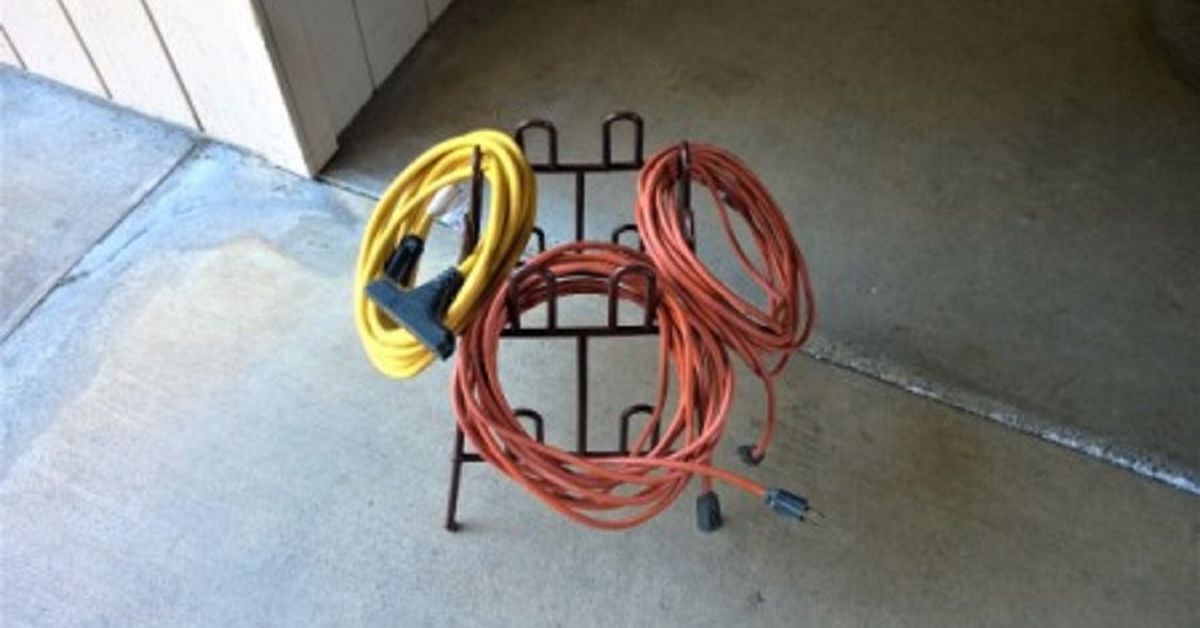
The garage is where many household items go to become mysterious. A plastic shoe rack can bring order to that zone by holding car cleaning supplies, gardening gloves, small tools, sports gear, spray bottles, extension cords, or paint accessories. Use bins for smaller items so they do not fall through open slats.
In the laundry room, a shoe rack can hold detergent, dryer sheets, stain removers, cleaning cloths, and extra hangers. It can also be used as a drying station for shoes, slippers, or delicate items that need airflow. Just make sure the rack can handle the weight of large bottles before loading it like a warehouse shelf.
Create a Kids’ Art or School Supply Station
A plastic shoe rack is perfect for kids’ supplies because it is low, accessible, and not precious. Add bins for crayons, markers, paper, coloring books, flash cards, glue sticks, and craft supplies. If the rack gets a sticker stuck to it or a marker streak across the side, you can usually wipe it down and move on with your day.
For school mornings, use the rack as a backpack and homework station. One shelf can hold library books, one can hold lunchboxes, and one can hold shoes or sports gear. This creates a predictable routine and reduces the daily treasure hunt for missing permission slips.
Upgrade the Look Without Spending Much
If the plastic shoe rack works but looks boring, give it a simple makeover. Clean it first, then consider adding adhesive shelf liner, removable wallpaper, small baskets, or decorative labels. Neutral bins can make a basic rack look more polished. A tray on top can make it feel like furniture instead of temporary storage.
For safety, be careful with paint. Not all paints bond well to plastic, and a poorly painted rack can chip quickly. If you decide to paint it, use products designed for plastic and follow the label instructions. Also, let it cure fully before placing items back on it.
Donate It If It Is Still in Good Condition
If you no longer need your plastic shoe rack, donating it can be a better option than throwing it away. Many donation centers accept clean, usable household goods, but rules vary by location. The key phrase is “clean and usable.” A rack with missing pieces, cracked shelves, mildew, or sharp broken edges is not a generous donation; it is just outsourcing your trash problem.
Before donating, wipe the rack thoroughly, check that it stands evenly, and make sure all parts are included. If it can be disassembled, tape the pieces together or place small connectors in a labeled bag. Local thrift stores, community groups, shelters, college students, neighborhood free groups, and garage sales may all be good options.
Recycle It Responsibly When It Is Broken
If the rack is cracked, unstable, or no longer safe to use, recycling may be possible depending on your local program. Plastic recycling rules vary widely. The recycling symbol or resin number on plastic does not automatically mean your curbside program accepts that item. Large rigid plastic items may need to go to a special drop-off center rather than your regular bin.
Check your city or county recycling website before placing a plastic shoe rack in curbside recycling. If it is made from mixed materials, such as plastic shelves with metal rods, you may need to separate the parts. If local recycling is not available, consider whether any pieces can be reused before disposal.
When to Throw It Away
Sometimes the honest answer is that a plastic shoe rack has reached retirement. If it is brittle, badly cracked, moldy, missing key parts, or collapses every time someone looks at it too confidently, it may be time to dispose of it. A broken rack can scratch floors, trip people, or drop items unexpectedly.
Before throwing it away, remove any reusable baskets, labels, wheels, screws, or connectors. Then follow local waste rules. Responsible disposal is not glamorous, but neither is keeping a wobbly rack that threatens your ankles every Tuesday.
Best Ideas for What to Do With a Plastic Shoe Rack
1. Use It for Everyday Shoes
Keep your most-used shoes near the door and store less-used pairs elsewhere. This prevents clutter and makes mornings easier.
2. Turn It Into a Mudroom Station
Add baskets for hats, gloves, pet supplies, and keys. Pair it with wall hooks to create a complete drop zone.
3. Use It in a Closet
Store folded clothes, handbags, hats, or accessories. Add bins for a cleaner and more organized appearance.
4. Make It a Bathroom Shelf
Use it for towels, toiletries, bath toys, and backup supplies. Plastic is easy to wipe clean in humid spaces.
5. Build a Pantry Organizer
Use shelves for snacks, cans, lunch items, or paper goods. Clean the rack carefully before moving it into food storage areas.
6. Create a Plant Stand
Place herbs, succulents, or small potted plants on the shelves. Use trays to catch water and protect floors.
7. Organize the Garage
Store sports gear, gardening supplies, cleaning bottles, or small tools. Use bins to keep loose items contained.
8. Donate It
If the rack is clean, sturdy, and complete, offer it to a donation center, neighbor, student, or community group.
9. Recycle It
If it is broken, check local recycling rules. Some rigid plastics require special handling or drop-off locations.
Common Mistakes to Avoid
Do not overload a plastic shoe rack with heavy tools, large books, or giant detergent bottles unless it is designed for that weight. Plastic shelves can bend or crack under pressure. Also avoid placing it near high heat, such as a furnace, radiator, or hot garage wall in summer, because some plastic can warp.
Another mistake is using the rack without measuring the space first. A rack that blocks a doorway or makes a hallway feel cramped will quickly become annoying. Choose a spot where it improves movement rather than creating an obstacle course.
Finally, do not use a dirty rack in a new space. A five-minute cleaning session can make the difference between “clever repurpose” and “why is there sidewalk dust in the linen closet?”
Personal Experience: How a Plastic Shoe Rack Can Save a Messy Corner
From real-life home organizing experience, the plastic shoe rack is rarely the star of the room, but it often solves the problem that makes a room feel messy. In one small apartment entryway, a basic three-tier plastic rack turned a daily shoe pile into a neat landing zone. Before the rack, shoes collected by the door like they were attending a meeting. Sneakers, sandals, slippers, and one ambitious hiking boot spread across the floor. After the rack, the space immediately felt calmer.
The trick was not simply adding the rack. The trick was assigning jobs to each shelf. The bottom shelf held outdoor shoes because they were usually the dirtiest. The middle shelf held daily sneakers and flats. The top shelf held a small basket for keys, a lint roller, and reusable grocery bags. That one change made leaving the house easier. No one had to search for shoes, keys, or the bag needed for a quick grocery run.
Another useful experience came from using a plastic shoe rack in a laundry room. Instead of stacking cleaning products on top of the dryer, the rack held detergent, stain remover, wool dryer balls, extra sponges, and folded cleaning cloths. It was not fancy, but it worked beautifully. The open shelves made everything visible, and because the rack was plastic, wiping away drips was simple. A small bin on the lower shelf held random socks waiting for their partners, which felt both practical and emotionally supportive. Everyone knows single socks are going through something.
A plastic shoe rack also works well for children’s spaces. In a playroom, one rack became a rotating toy shelf. Instead of dumping everything into one large bin, toys were grouped by type: building blocks on one shelf, puzzles on another, and art supplies in small containers on top. Kids could see what they had, choose one activity, and put it back more easily. The rack was light enough to move but sturdy enough for daily use.
The most surprising use was as a plant shelf on a covered balcony. Small herbs fit perfectly, and the tiered structure helped each plant get light. The rack was not beautiful at first, but after adding matching pots and a tray underneath, it looked intentional. It also kept the plants off the floor, which made sweeping easier.
The lesson is simple: before getting rid of a plastic shoe rack, test it in another role. Walk through your home and look for a place where small items are spreading across a surface. Entryway clutter, bathroom bottles, pantry snacks, craft supplies, garage tools, and laundry products are all good candidates. A plastic shoe rack may not be elegant, but it is practical, affordable, and surprisingly adaptable. Sometimes the best organizing tool is not the expensive one; it is the one already sitting in your closet, waiting for a second chance.
Conclusion
A plastic shoe rack is more than a place to park sneakers. It can organize your entryway, improve closet storage, support bathroom supplies, tame pantry clutter, hold plants, manage kids’ items, or bring order to a garage or laundry room. If it is still sturdy, clean, and useful, keep it or donate it. If it is broken, check local recycling options before sending it to the trash.
The smartest approach is to match the rack to the problem. Need less clutter by the door? Use it for daily shoes. Need better storage in the bathroom? Add baskets. Need a mini shelf in the garage? Give it a practical second life. A plastic shoe rack may not win design awards, but used well, it can win something better: a cleaner, calmer home.