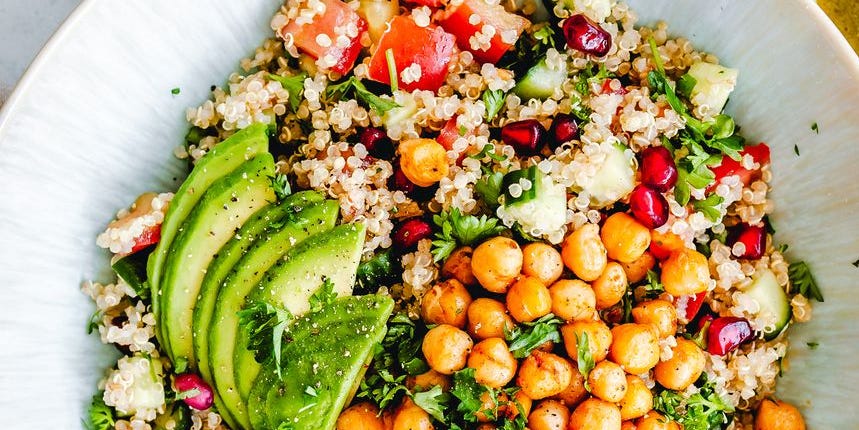
The F-Factor Diet sounds like something invented by a very serious nutrition professor with a chalkboard, a calculator, and a suspiciously organized pantry. In reality, the “F” stands for fiber, the humble nutrient that does not get glamorous billboard treatment but quietly does a lot of heavy lifting for digestion, fullness, blood sugar balance, and heart health.
Created by registered dietitian Tanya Zuckerbrot, the F-Factor Diet is a weight-loss eating plan built around a simple idea: combine high-fiber carbohydrates with lean protein so meals feel satisfying while calories stay reasonable. Unlike many diets that demand a dramatic breakup with carbs, restaurants, or social life, the F-Factor approach says you can still eat carbohydrates, dine out, and enjoy flexibilityprovided you pay attention to fiber, protein, and net carbs.
But is the F-Factor Diet a smart, sustainable eating pattern or just another diet with a shiny name tag? The answer is nuanced. Its core emphasis on fiber-rich foods is supported by mainstream nutrition science. However, the plan can become restrictive for some people, especially if followed too aggressively or with too much reliance on processed bars, powders, and strict carb counting. Let’s unpack how it works, what you can eat, what to watch for, and how real-life eating might look on this plan.
What Is the F-Factor Diet?
The F-Factor Diet is a high-fiber, moderate-protein eating plan designed primarily for weight management. It encourages people to eat foods that are naturally filling, especially vegetables, fruits, legumes, whole grains, nuts, seeds, and lean proteins. The theory is straightforward: fiber adds bulk to meals, slows digestion, and helps you feel full longer. Protein also supports satiety, so combining the two may reduce the urge to snack like a raccoon discovering an unlocked pantry at midnight.
The plan became popular because it presents itself as more flexible than traditional low-carb diets. Instead of banning carbohydrates, it focuses on choosing the right kinds of carbohydratesespecially those that contain fiber. A bowl of lentils, berries, or high-fiber crackers fits the idea better than a giant cinnamon roll the size of a throw pillow.
How the F-Factor Diet Works
The F-Factor Diet is based on three main habits: eating high-fiber carbohydrates, pairing them with lean protein, and tracking net carbs during different phases of the plan.
1. Fiber Is the Star of the Show
Fiber is a type of carbohydrate that the body does not fully digest. Instead of being broken down like sugar or starch, it moves through the digestive system and helps with fullness, bowel regularity, cholesterol management, and blood sugar control. Most Americans do not eat enough fiber, so the F-Factor Diet’s focus on fiber addresses a real nutritional gap.
Common high-fiber foods include beans, lentils, raspberries, blackberries, chia seeds, oats, bran cereal, whole-wheat bread, avocado, broccoli, artichokes, peas, and leafy greens. These foods bring more to the table than fiber alone. They also provide vitamins, minerals, antioxidants, and plant compounds that support overall health.
2. Lean Protein Keeps Meals Satisfying
The plan encourages pairing fiber-rich foods with lean protein. Examples include grilled chicken with roasted vegetables, Greek yogurt with berries, eggs with high-fiber toast, salmon with lentils, or tofu with a big vegetable stir-fry. Protein helps maintain muscle, supports fullness, and gives meals staying power.
Lean protein options on the F-Factor Diet may include poultry, fish, eggs, low-fat dairy, tofu, tempeh, beans, lentils, seafood, and lean cuts of meat. Plant proteins are especially useful because many of them naturally contain both protein and fiber. Beans, for example, deserve a tiny standing ovation.
3. Net Carbs Are Tracked in Phases
The F-Factor Diet uses the concept of net carbs, generally calculated by subtracting fiber from total carbohydrates. The idea is that fiber has less impact on blood sugar and digestion than refined carbohydrates. The plan traditionally includes phases that start with lower net carbs and gradually increase them as a person moves toward maintenance.
This phased approach may appeal to people who like structure. However, it can feel too rule-heavy for others. Anyone with a history of disordered eating, obsessive tracking, or anxiety around food should be cautious with any plan that requires detailed counting.
What Can You Eat on the F-Factor Diet?
The best version of the F-Factor Diet looks like a colorful, high-fiber, protein-rich eating patternnot a sad parade of diet snacks. Here are the main food groups that fit well.
High-Fiber Vegetables
Vegetables are central to the diet because they are generally low in calories and high in volume. Good choices include broccoli, Brussels sprouts, spinach, kale, zucchini, cauliflower, cabbage, carrots, peppers, mushrooms, asparagus, and artichokes.
For example, lunch might be a large salad with grilled chicken, chickpeas, cucumbers, tomatoes, peppers, and a vinaigrette. That meal offers crunch, protein, fiber, and enough personality to avoid feeling like “diet food.”
Fiber-Rich Fruits
Fruit is allowed, especially higher-fiber options such as raspberries, blackberries, pears, apples, oranges, and strawberries. Berries are especially popular because they provide fiber with fewer net carbs than many tropical fruits.
A simple snack could be plain Greek yogurt topped with raspberries and chia seeds. It tastes like something you chose voluntarily, which is always a good sign.
Beans, Lentils, and Legumes
Beans and lentils are fiber champions. Black beans, chickpeas, kidney beans, lentils, split peas, and edamame can all fit into the F-Factor approach. They provide plant-based protein, complex carbohydrates, and minerals.
One practical dinner idea is turkey chili with black beans, tomatoes, peppers, onions, and spices. It is warm, filling, and unlikely to leave you staring dramatically into the refrigerator an hour later.
Whole Grains and High-Fiber Carbs
Whole grains can fit when portions align with the phase of the diet. Options may include oats, quinoa, barley, bulgur, whole-wheat bread, high-fiber wraps, bran cereal, and brown rice. The plan tends to favor carbs that deliver meaningful fiber rather than refined grains that vanish from your stomach like a magic trick.
When shopping, look for products with whole grains listed near the top of the ingredient list and a meaningful amount of fiber per serving. A bread with several grams of fiber per slice is more aligned with the plan than fluffy white bread that contributes mostly refined starch.
Lean Proteins
Lean proteins help anchor meals. Common choices include chicken breast, turkey, eggs, egg whites, fish, shrimp, tuna, low-fat cottage cheese, Greek yogurt, tofu, tempeh, and lean beef in moderation.
A balanced F-Factor-style plate might include salmon, roasted Brussels sprouts, and a small serving of quinoa. It is not flashy, but it works. Nutrition does not always need fireworks; sometimes it needs a fork and a plan.
Healthy Fats
Healthy fats are not unlimited, but they are part of a balanced diet. Avocado, olive oil, nuts, seeds, and nut butters can fit in reasonable portions. Because fats are calorie-dense, the plan typically encourages moderation rather than free-pouring olive oil like you are fueling a tiny Mediterranean boat.
Foods to Limit on the F-Factor Diet
The F-Factor Diet does not necessarily ban foods forever, but it encourages limiting items that are low in fiber and easy to overeat. These include sugary desserts, refined white bread, pastries, sweetened drinks, fried foods, candy, chips, and highly processed snacks.
Alcohol may be allowed in moderation, depending on the phase and personal goals. Still, alcohol can lower inhibitions around food choices and add calories quickly, so it is best handled with awareness rather than optimism alone.
Potential Benefits of the F-Factor Diet
It Encourages More Fiber
This is the strongest point in the diet’s favor. Fiber supports digestion, helps prevent constipation, and may help people feel full with fewer calories. Diets rich in fiber-containing foods are also associated with better heart and metabolic health.
It May Support Weight Loss
Because high-fiber foods and lean proteins are filling, the diet may help some people naturally reduce calorie intake. You may feel satisfied after a large, fiber-rich meal without needing to rely on tiny portions that make dinner feel like a practical joke.
It Promotes Better Carbohydrate Choices
The plan does not treat all carbs as villains. Instead, it distinguishes between refined, low-fiber carbohydrates and high-fiber carbohydrates. This can help people move from sugary cereals and white bread toward oats, beans, berries, vegetables, and whole grains.
It Can Be Flexible
Compared with stricter diets, the F-Factor approach may feel more adaptable. It can work with restaurant meals, busy schedules, and different cuisines if the person understands the basic structure: fiber plus protein, with mindful portions.
Possible Downsides and Safety Considerations
The F-Factor Diet is not perfect, and it is not right for everyone. One concern is that increasing fiber too quickly can cause bloating, gas, cramps, constipation, or diarrhea. Fiber works best when increased gradually and paired with enough fluids.
Another concern is over-reliance on processed high-fiber products. Bars, powders, and packaged snacks can be convenient, but whole foods usually offer a broader nutrition package. A raspberry does not need a marketing department; it simply shows up with fiber, water, antioxidants, and charm.
The diet has also faced public controversy, including complaints from some individuals who reported digestive issues and other health concerns while using F-Factor products or following the program. Causation has been disputed, and not every claim has been proven. Still, the controversy is a useful reminder: any diet can become risky if it is too restrictive, poorly matched to a person’s health needs, or followed in an extreme way.
People with digestive conditions such as irritable bowel syndrome, inflammatory bowel disease, gastroparesis, or a history of bowel surgery should speak with a healthcare professional before dramatically increasing fiber. People with diabetes, kidney disease, pregnancy-related nutrition needs, or a history of eating disorders should also get personalized guidance.
Sample One-Day F-Factor Diet Meal Plan
Breakfast
Plain Greek yogurt with raspberries, chia seeds, and a sprinkle of high-fiber cereal. This meal combines protein, fiber, and a little crunch, which is important because breakfast should not feel like medical paperwork.
Lunch
Grilled chicken salad with mixed greens, chickpeas, cucumbers, tomatoes, peppers, and a light vinaigrette. Add a high-fiber cracker or whole-grain crispbread if it fits your carb target.
Snack
Cottage cheese with sliced strawberries, or raw vegetables with hummus. Both options combine protein and fiber without requiring a culinary degree.
Dinner
Salmon with roasted broccoli and a small serving of lentils or quinoa. This dinner offers protein, fiber, healthy fats, and enough flavor to keep your taste buds from filing a complaint.
How to Start the F-Factor Diet in a Smarter Way
If you want to try an F-Factor-style approach, begin gently. First, estimate your current fiber intake. Many people are surprised to discover they are eating far less fiber than recommended. Then increase fiber gradually over several weeks. Add one high-fiber food at a time, such as berries at breakfast, beans at lunch, or vegetables at dinner.
Drink enough water. Fiber absorbs water and adds bulk, so hydration matters. Without enough fluids, a sudden fiber increase can make digestion feel like rush-hour traffic with no exit ramp.
Prioritize whole foods before packaged products. High-fiber bars and powders may be useful occasionally, but they should not replace vegetables, fruits, beans, lentils, and whole grains. Your gut generally appreciates variety.
Finally, remember that exercise, sleep, stress management, and overall calorie balance still matter. The F-Factor Diet may say exercise is not required for weight loss, but physical activity supports heart health, muscle, mood, insulin sensitivity, and long-term weight maintenance. Your body is not a spreadsheet; it is a living system.
Real-Life Experience: What Following an F-Factor-Style Diet Can Feel Like
Imagine someone named Emilynot a celebrity, not a wellness influencer, just a regular person with a busy job, a half-used bag of spinach in the fridge, and a history of promising herself she will “start Monday.” Emily decides to try an F-Factor-style approach because she wants to feel fuller during the day and stop the 4 p.m. snack spiral that usually ends with crackers, cookies, and a mysterious handful of cereal eaten directly from the box.
In the first week, she does not overhaul her entire life. Instead, she adds fiber to breakfast. She swaps a sweetened coffee drink and plain bagel for Greek yogurt with berries, chia seeds, and a small portion of high-fiber cereal. The first surprise is that she stays full longer. The second surprise is that chia seeds are tiny but apparently have the ambition of a construction crew.
At lunch, Emily begins building meals around protein and plants. Instead of ordering a plain turkey sandwich with chips, she chooses a turkey salad bowl with chickpeas, vegetables, and a vinaigrette. Some days she still wants bread, so she chooses a whole-grain wrap with enough fiber to be worth it. She learns that the goal is not “never eat bread.” The goal is “choose carbs that bring something useful to the meeting.”
Dinner is more challenging. Emily lives with people who are not interested in “diet food,” especially if it looks beige or tastes like sadness. So she makes meals that everyone can customize: turkey chili with beans, chicken fajita bowls with peppers and black beans, salmon with roasted vegetables, and lentil soup with a side salad. The meals are normal. Nobody needs to whisper the word “fiber” at the table.
By week two, Emily notices one important lesson: increasing fiber too quickly is not heroic. It is noisy. A sudden jump from low fiber to very high fiber causes bloating and discomfort. She scales back, drinks more water, and spreads fiber across meals instead of trying to win the Fiber Olympics before noon. This makes the plan much easier to live with.
She also learns that packaged high-fiber snacks are convenient but not magic. A bar in her bag helps when meetings run late, but if she relies on bars, powders, and crackers all day, she feels less satisfied than when she eats real meals. Whole foods give her more volume, flavor, and nutrients.
After a month, Emily’s biggest win is not dramatic weight loss. It is structure. She has a simple decision-making tool: include protein, include fiber, choose carbs carefully, and do not let perfection ruin dinner. She still eats out. She still has dessert sometimes. But she becomes more aware of how different foods affect fullness and energy.
That is the most practical way to view the F-Factor Diet. It does not need to become a rigid identity. You do not have to announce, “I am an F-Factor person now,” while dramatically throwing white rice into the sunset. Instead, you can borrow the useful ideaeat more fiber-rich foods with lean proteinand leave behind anything that feels overly restrictive, obsessive, or unsustainable.
Conclusion: Is the F-Factor Diet Worth Trying?
The F-Factor Diet is built on a nutrition principle that makes sense: most people could benefit from eating more fiber-rich foods. Pairing fiber with lean protein can support fullness, better food choices, and potentially weight management. The best version of the plan looks like a balanced diet rich in vegetables, fruits, legumes, whole grains, lean proteins, and healthy fats.
However, the plan is not automatically healthy for everyone. Tracking net carbs, pushing fiber too quickly, relying heavily on packaged products, or treating the diet as a strict rulebook can backfire. The smartest approach is flexible, food-first, gradual, and personalized. Fiber is powerful, but it is not a magic wand. It is more like a dependable friend who helps your digestive system stay organized and politely reminds your appetite to calm down.
If you are considering the F-Factor Diet, use it as inspiration rather than a commandment. Add fiber slowly, drink water, prioritize whole foods, include protein at meals, and seek professional advice if you have medical conditions or a complicated relationship with dieting. A good eating plan should improve your life, not turn every meal into a math quiz with lettuce.