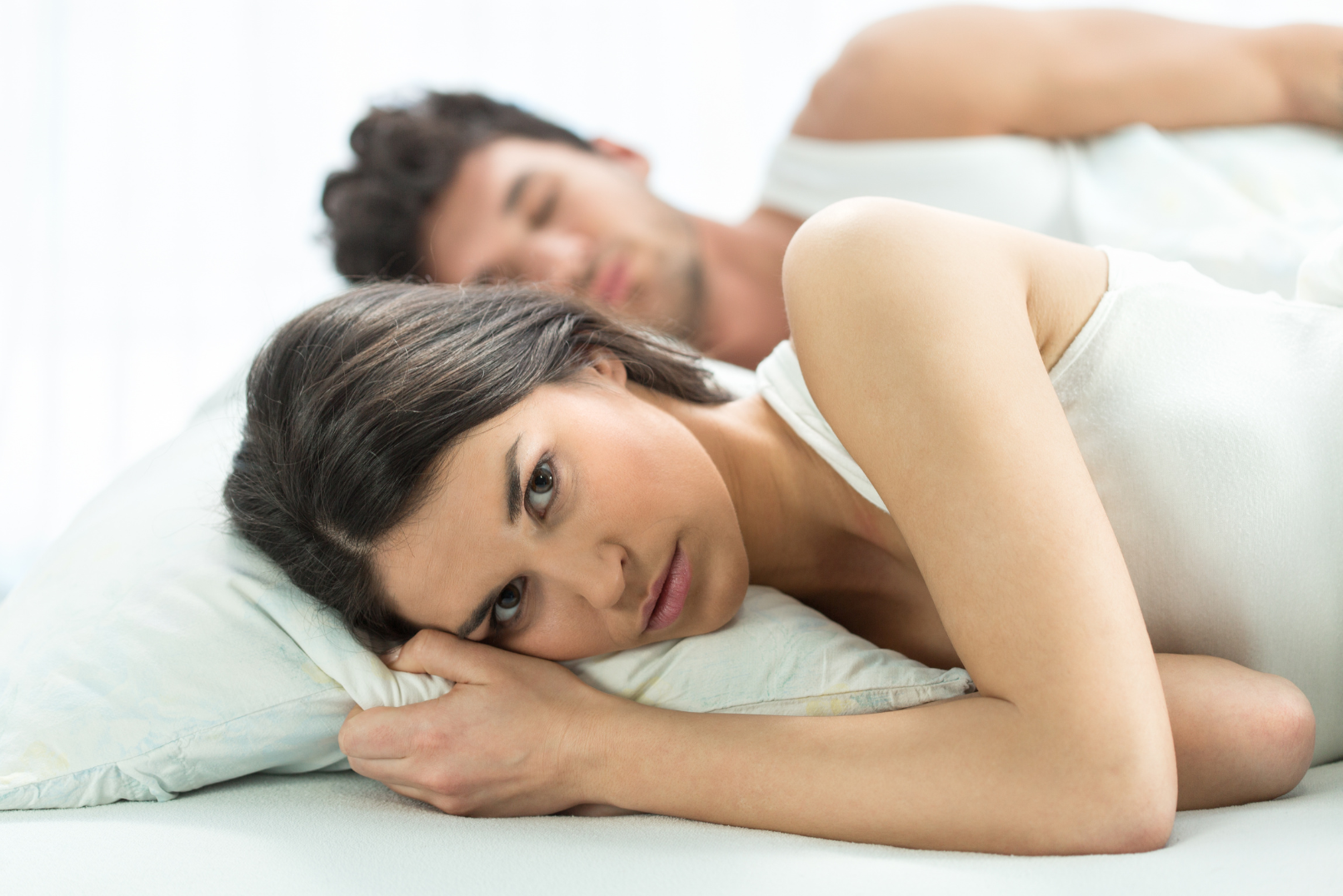
Do you ever reread a text message so many times that your phone should start charging rent? Do you feel calm one minute, then panic because your partner replied with “ok” instead of “okayyy ❤️”? Welcome to the confusing world of relationship anxiety, where love can feel warm, wonderful, and occasionally like a group project with your nervous system.
A relationship anxiety test can help you understand whether your worries are normal bumps in the romance road or a pattern that deserves attention. This article includes a simple self-check quiz, common signs of relationship anxiety, possible causes, examples, coping strategies, and real-life experiences that many people recognize but rarely say out loud.
Important note: This test is not a medical diagnosis. It is an educational tool designed to help you reflect. If anxiety is interfering with your daily life, safety, sleep, work, or relationship, consider speaking with a licensed mental health professional.
What Is Relationship Anxiety?
Relationship anxiety is persistent worry, insecurity, or fear about a romantic relationship. It can happen in new relationships, long-term partnerships, dating situations, marriages, or even after a breakup. The main theme is usually uncertainty: “Do they really love me?” “What if they leave?” “What if I chose the wrong person?” “What if I mess this up?”
Some concern in relationships is normal. Healthy love does not turn you into a stone statue with perfect emotional posture. Everyone has doubts, especially after conflict, distance, life changes, or a partner’s confusing behavior. Relationship anxiety becomes more concerning when worry takes over your thoughts, affects your behavior, or creates repeated tension between you and your partner.
Relationship Anxiety Test: Self-Assessment Quiz
Answer each question based on how often it describes you in your current or most recent romantic relationship.
Scoring Guide
- 0 points: Never or almost never
- 1 point: Sometimes
- 2 points: Often
- 3 points: Almost always
Relationship Anxiety Test Questions
- I worry that my partner will leave me, even when there is no clear evidence.
- I replay conversations, texts, or small changes in tone to figure out what they “really” meant.
- I often need reassurance that my partner still loves me or wants the relationship.
- I feel nervous when my partner takes longer than usual to reply.
- I compare myself to my partner’s exes, friends, coworkers, or people on social media.
- I fear that one disagreement means the relationship is in danger.
- I test my partner, withdraw, or act upset to see whether they will chase me.
- I feel jealous or threatened when my partner spends time away from me.
- I struggle to enjoy good moments because I am waiting for something to go wrong.
- I often ask friends to analyze my relationship for me.
- I worry that my anxiety itself will ruin the relationship.
- I avoid honest conversations because I fear rejection, conflict, or abandonment.
- I feel physically anxious in the relationship, such as tight chest, stomach knots, restlessness, or trouble sleeping.
- I have intrusive doubts about whether I love my partner enough or whether they are “the one.”
- I feel calmer only after reassurance, but the relief does not last very long.
What Your Score May Mean
0–10 points: Low relationship anxiety. You may have occasional worries, but they probably do not control your relationship. Keep practicing honest communication and emotional awareness.
11–25 points: Mild to moderate relationship anxiety. Your worries may show up during conflict, distance, uncertainty, or stressful seasons. You may benefit from learning self-soothing skills, identifying triggers, and improving communication.
26–35 points: High relationship anxiety. Anxiety may be shaping your reactions, expectations, and sense of security. Consider talking with a therapist, especially if reassurance-seeking, jealousy, overthinking, or avoidance is affecting the relationship.
36–45 points: Very high relationship anxiety. Your relationship concerns may feel intense, repetitive, or hard to control. Professional support can help you understand whether anxiety, attachment patterns, obsessive thoughts, trauma, or another issue is involved.
Common Signs of Relationship Anxiety
1. Constant Reassurance Seeking
Reassurance is not bad. Everyone needs comfort sometimes. The problem begins when reassurance becomes a loop: you ask, feel better for ten minutes, then the worry returns wearing sunglasses and pretending it is a brand-new thought.
Examples include asking “Do you still love me?” many times, needing repeated confirmation that your partner is not angry, or checking whether the relationship is “okay” after every small disagreement.
2. Overthinking Texts and Tone
Relationship anxiety loves tiny details. A period at the end of a text becomes suspicious. A shorter reply becomes evidence. A busy afternoon becomes a courtroom drama starring your imagination as the prosecutor.
Overanalyzing can feel protective, but it often creates more uncertainty. Instead of helping you understand the relationship, it can train your brain to look for danger in neutral situations.
3. Fear of Abandonment
Many people with relationship anxiety are deeply afraid of being left. This fear may show up as clinginess, jealousy, people-pleasing, emotional shutdown, or sudden anger. The behavior may look different, but underneath it is often the same question: “Am I safe with you?”
4. Difficulty Trusting Good Moments
A partner may be loving, consistent, and present, but anxiety whispers, “Yes, but what if this changes tomorrow?” This makes it difficult to relax into affection. Instead of enjoying closeness, you may scan for the next threat.
5. Avoiding Vulnerability
Some people respond to relationship anxiety by becoming clingy. Others become distant. Avoidance can feel safer than admitting needs. You may pretend not to care, delay hard conversations, or end relationships early to avoid being hurt later.
What Causes Relationship Anxiety?
Anxious Attachment Patterns
Attachment style describes how people tend to connect, trust, and respond to emotional closeness. Someone with an anxious attachment pattern may strongly desire intimacy but fear rejection or abandonment. This can lead to hypervigilance, reassurance-seeking, and emotional sensitivity when a partner seems distant.
Past Betrayal or Breakups
If you have been cheated on, suddenly abandoned, lied to, or emotionally dismissed, your brain may try to protect you by staying alert. Unfortunately, that alert system can keep ringing even when your current partner is not the person who hurt you.
Low Self-Worth
Relationship anxiety often grows in the gap between “I want love” and “I am afraid I am not enough.” When self-worth depends entirely on a partner’s attention, every delayed text can feel like a personal performance review.
General Anxiety or Stress
Sometimes the relationship is not the root problem. Work pressure, poor sleep, family stress, health worries, or generalized anxiety can spill into romance. The relationship becomes the screen where every fear gets projected.
Relationship OCD
Relationship obsessive-compulsive disorder, often called ROCD, can involve intrusive doubts about a partner, attraction, compatibility, or whether the relationship is “right.” People may repeatedly check their feelings, compare their partner, seek reassurance, or mentally review memories. If thoughts feel intrusive, repetitive, distressing, and compulsive, a therapist trained in OCD can be especially helpful.
Relationship Anxiety vs. Real Relationship Problems
Not every worry is “just anxiety.” Sometimes your nervous system is responding to real problems: dishonesty, emotional neglect, manipulation, abuse, repeated boundary violations, or a partner who disappears whenever accountability enters the room.
A helpful question is: Is my fear based on a pattern of evidence or mostly on imagined possibilities?
If your partner is consistently respectful, honest, and emotionally available, anxiety may be distorting the situation. If your partner repeatedly lies, insults you, threatens you, controls you, or makes you feel unsafe, the issue is not simply relationship anxiety. Safety and support come first.
How to Cope With Relationship Anxiety
1. Name the Thought Without Obeying It
Try saying, “I am having the thought that they are losing interest,” instead of “They are losing interest.” This small language shift creates distance between you and the anxiety. A thought is not a fact. It is a mental event, not a breaking news alert.
2. Delay Reassurance Requests
If you usually ask for reassurance immediately, wait ten minutes. Then try twenty. Use that time to breathe, journal, walk, stretch, or do something grounding. The goal is not to ban reassurance forever. The goal is to prove to your brain that anxiety can rise and fall without an emergency meeting.
3. Communicate Clearly, Not Critically
Instead of saying, “You never care about me,” try, “When I do not hear from you after plans change, I feel anxious. Can we agree to send a quick update when possible?” Clear requests work better than emotional detective work.
4. Build a Life Outside the Relationship
A relationship should be important, but it cannot be your only source of identity, comfort, and entertainment. Friendships, hobbies, exercise, meaningful work, and personal goals all help reduce emotional pressure on the relationship.
5. Watch for Reassurance Traps
Reassurance feels good in the moment, but too much of it can train anxiety to demand more. Try replacing repeated questions with self-validation: “I feel scared right now, but fear does not mean danger. I can handle uncertainty.”
6. Consider Therapy
Therapy can help you identify patterns, understand attachment wounds, challenge distorted thoughts, build emotional regulation skills, and communicate more securely. Cognitive behavioral therapy, acceptance and commitment therapy, attachment-based therapy, couples therapy, and OCD-focused treatment may all be useful depending on your symptoms.
Examples of Relationship Anxiety in Real Life
The Text Message Spiral
Your partner usually replies with jokes and emojis. Today they write, “Busy day, talk later.” Anxiety says, “They are bored of me.” You check their online status, reread old messages, and ask a friend for interpretation. By bedtime, you are emotionally exhausted, and nothing has actually happened.
The Perfect Date Problem
You have a wonderful date. Your partner is affectionate, present, and kind. Instead of feeling happy, you worry, “What if this was too good? What if I get attached and lose them?” Anxiety can turn even positive experiences into threats because closeness raises the stakes.
The Comparison Trap
You see your partner’s ex on social media and immediately begin comparing appearance, success, humor, and imaginary breakfast skills. Suddenly you are competing with someone who is not even in the room. Relationship anxiety often creates invisible rivals.
When Should You Get Help?
Consider professional help if relationship anxiety causes panic, sleep problems, frequent conflict, compulsive checking, social media monitoring, inability to function, avoidance of healthy intimacy, or repeated urges to end good relationships just to escape uncertainty.
You should also seek support immediately if you feel unsafe, trapped, controlled, threatened, or emotionally harmed. Anxiety work is useful, but it should never be used to excuse mistreatment.
How Partners Can Support Someone With Relationship Anxiety
If your partner has relationship anxiety, patience matters. So do boundaries. You can validate feelings without becoming a full-time reassurance vending machine.
Helpful support may sound like: “I love you, and I am here. I also think we should work on ways to help you feel secure without needing to ask this ten times tonight.” That is caring and honest, which is basically relationship spinach: not always exciting, but good for long-term health.
of Experiences Related to the Relationship Anxiety Test
Many people take a relationship anxiety test because they are tired of feeling hijacked by their own thoughts. They may love their partner deeply, but the relationship feels like walking through a room full of emotional motion sensors. One small movement, and suddenly the alarm goes off. A late reply, a distracted facial expression, or a quiet evening can become “proof” that something is wrong.
One common experience is the reassurance cycle. A person feels anxious and asks, “Are we okay?” Their partner says yes. Relief arrives, but only briefly. Later, the anxious thought returns: “They sounded annoyed when they said yes.” So the person asks again, maybe with different wording. The partner becomes tired, the anxious person feels guilty, and both people end up frustrated. The painful part is that reassurance is usually requested because the person cares, not because they want to annoy anyone. Still, when reassurance becomes repetitive, it can drain the relationship.
Another familiar experience is emotional mind-reading. Someone with relationship anxiety may believe they can detect rejection from tiny clues. If their partner is quiet, they assume disappointment. If their partner wants alone time, they assume fading love. If their partner laughs at someone else’s joke, they assume competition. In reality, people are quiet for many reasons: stress, hunger, poor sleep, too many meetings, or the spiritual burden of choosing what to eat for dinner again.
People also describe feeling ashamed of their anxiety. They know their reactions may be bigger than the situation, but knowing does not automatically calm the body. Anxiety can feel physical: a tight stomach, racing heart, tense shoulders, or restless scrolling. That is why coping often requires more than logic. Breathing, grounding, movement, journaling, and therapy can help the body learn safety, not just the mind.
A relationship anxiety test can be useful because it turns a foggy emotional experience into something more visible. Instead of saying, “I am just too much,” a person can see specific patterns: fear of abandonment, reassurance-seeking, jealousy, avoidance, overthinking, or difficulty trusting stability. Naming the pattern creates a starting point.
The hopeful part is that relationship anxiety is workable. People can learn to pause before reacting, ask for needs directly, tolerate uncertainty, and build self-worth outside the relationship. Partners can learn to offer warmth without enabling every anxious ritual. Over time, love can feel less like a final exam and more like a shared home: imperfect, occasionally messy, but safe enough to breathe in.
Conclusion
A relationship anxiety test is not about labeling yourself as broken. It is about understanding your emotional patterns with honesty and compassion. Relationship anxiety can make love feel uncertain, even when the relationship is stable. It can push you toward reassurance-seeking, overthinking, jealousy, avoidance, or fear of abandonment. But these patterns can change.
The goal is not to eliminate every doubt. Healthy relationships always include some uncertainty because humans are not downloadable instruction manuals. The goal is to respond to uncertainty with self-awareness, communication, emotional regulation, and support when needed.
If your score was high, take it seriously but gently. You are not “too needy” or “bad at love.” You may simply need better tools, safer communication, and perhaps professional guidance. With practice, relationship anxiety can become less of a director and more of a background character with fewer speaking lines.