Note: This article is written for web publication and synthesizes current public information from official gaming companies, U.S. gaming media, industry reports, and market research sources. No source links are included in the article body by request.
A Pocket-Sized Sign of a Much Bigger Shift
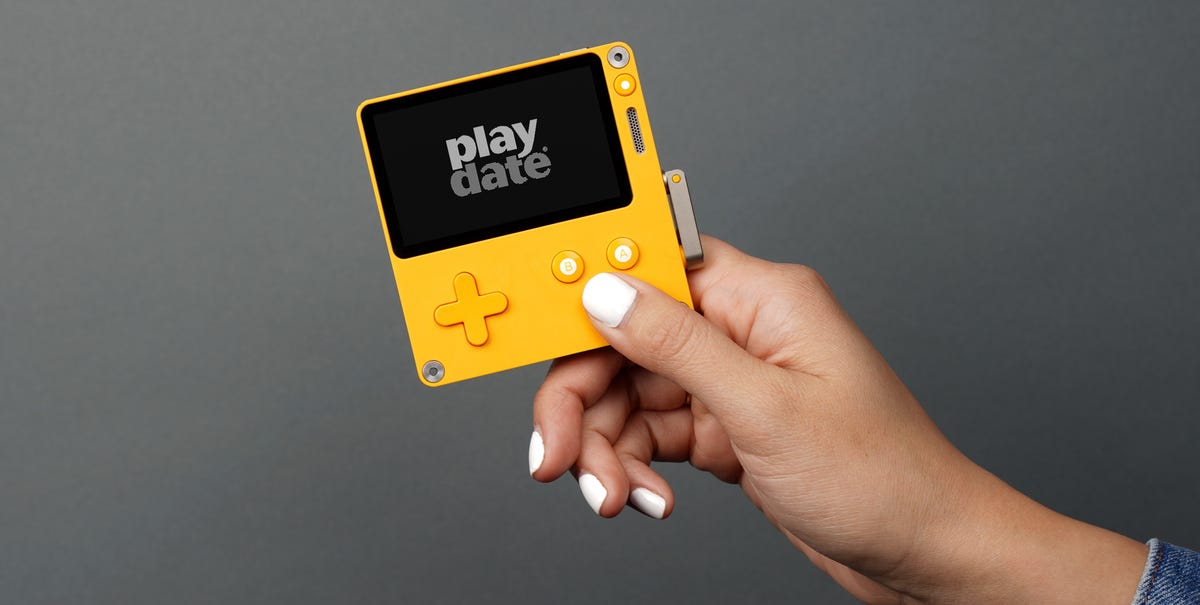
The future of gaming may not arrive as a giant black box under your TV. It may arrive in your backpack, on your coffee table, or in your hands while someone else is using the television to watch a cooking show where nobody actually cooks anything normal. The rise of the new handheld gaming systemespecially with the arrival of the Nintendo Switch 2 and the continuing momentum of devices like the Steam Deck OLED, ASUS ROG Ally X, ROG Xbox Ally, Lenovo Legion Go, and PlayStation Portalsuggests that gaming is moving toward a more flexible, personal, and always-available future.
For years, the gaming industry was neatly divided into three kingdoms: consoles in the living room, PCs at the desk, and mobile games on phones. Handheld systems lived somewhere in between, usually treated as “secondary” machines for travel, kids, or nostalgic Pokémon marathons. That old map no longer works. Today’s handheld gaming devices are not just cute little companions. They are becoming serious platforms with high-resolution displays, powerful chips, cloud features, social tools, and access to massive game libraries.
So what could this new handheld system mean for the future of gaming? In simple terms: gaming is becoming less about where you play and more about how quickly, comfortably, and socially you can jump in. The couch, train, bed, airport, dorm room, and lunch break are all turning into valid gaming spaces. The console war may still exist, but the real battleground is now convenience.
The Nintendo Switch 2 Effect: Hybrid Gaming Grows Up
Nintendo’s Switch 2 is the clearest symbol of this shift. It builds on the original Switch’s hybrid ideaplay on the TV, undock, keep goingbut adds modern features that make the system feel less like a toy and more like a full gaming hub. With a larger 1080p handheld screen, support for HDR, variable refresh rate, frame rates up to 120 fps, and up to 4K output in TV mode, the Switch 2 shows that handheld gaming no longer has to mean “the smaller, weaker version.”
The Joy-Con 2 controllers also point to a future where handheld systems become more experimental. Magnetic attachment makes the hardware feel cleaner and more modern, while mouse-style controls in compatible games open doors for strategy titles, creative software, shooters, party games, and oddball Nintendo ideas that probably sounded ridiculous in a meeting and then sold 20 million copies.
GameChat is another important signal. By allowing voice chat, screen sharing, and group communication directly through the system, Nintendo is acknowledging something players already know: gaming is a social hangout. People do not simply play games; they talk, react, laugh, watch each other fail, and provide deeply unhelpful advice like “just dodge.” If handheld systems can make that social layer easier, they become more than game machines. They become portable living rooms.
Handheld Gaming Is No Longer a Niche
One reason this matters is scale. The video game audience is enormous. Industry reports show that more than 200 million Americans play video games regularly, while global gaming revenue remains one of the strongest forces in entertainment. That means any successful shift in hardware design can influence not just hobbyists, but families, commuters, students, remote workers, casual players, and longtime console fans.
The original Nintendo Switch proved that a hybrid device could sell to a massive audience. The Switch 2’s strong launch and continued sales momentum suggest that demand for flexible gaming has not disappeared. In fact, it may be stronger than ever. Players have grown used to entertainment that follows them everywhere: music streams instantly, movies live on tablets, books sync across devices, and social media unfortunately survives every attempt to escape it. Gaming had to follow.
That is why handheld systems are becoming a serious part of the industry’s future. They solve a simple problem: modern life is busy. Not everyone has two uninterrupted hours in front of a TV. A handheld lets players enjoy a race, run a dungeon, clear a mission, manage a farm, or lose one more ranked match from almost anywhere. That flexibility is powerful.
The Portable PC Revolution Changes Expectations
Nintendo is not alone. Valve’s Steam Deck helped prove that PC gaming could work in a handheld format without requiring players to build a shrine of RGB lights under their desk. The Steam Deck OLED improved the experience with a brighter HDR OLED screen, better battery life, faster Wi-Fi, and a more refined portable design. It made PC gaming feel more console-like without removing the openness that PC players love.
Then came Windows-based handheld gaming PCs such as the ASUS ROG Ally X and Lenovo Legion Go. These devices push the idea even further by offering access to multiple storefronts, Game Pass, Steam, Epic Games Store, emulators, mods, and traditional PC software. They are not always as simple as a console, but they are flexible in a way traditional consoles are not.
The ROG Ally X, for example, focuses heavily on battery improvement with an 80Wh battery, showing that performance alone is not enough. Players want power, yes, but they also want the device to last longer than a dramatic boss intro. Lenovo’s Legion Go, with its large 8.8-inch display and detachable controllers, takes a different approach by leaning into screen size and modular design. These systems are experimenting in public, and the gaming audience is paying attention.
Xbox and PlayStation Are Rewriting Their Handheld Strategies
For years, Xbox seemed allergic to dedicated handheld hardware. Now, the ROG Xbox Ally line shows Microsoft taking portable gaming seriously through partnerships, Windows integration, and Xbox-style interface design. The Xbox full-screen experience points toward a future where PC handhelds feel less like tiny laptops and more like consoles. That matters because user interface is one of the biggest barriers to handheld PC gaming. Nobody wants to troubleshoot a driver update when they only had 25 minutes to play before dinner.
PlayStation has taken a different route with the PlayStation Portal. Instead of acting as a standalone console, it focuses on remote play from a PS5. That makes it less powerful as an independent device but very useful for players who want to access their console library away from the TV. It also shows that the future of handheld gaming will not be one-size-fits-all. Some devices will run games locally. Some will stream. Some will combine both. Some will make you wonder why the Wi-Fi always behaves until the exact moment a boss fight begins.
Cloud Gaming and Local Hardware Will Work Together
One of the biggest questions surrounding handheld systems is whether cloud gaming will replace local hardware. The answer is probably nobut it will absolutely reshape it. Cloud gaming is useful because it reduces the need for expensive hardware and massive downloads. A handheld device with strong cloud support can access games that would otherwise require more processing power than the device can provide locally.
However, local gaming still matters. Internet connections vary, latency can ruin fast-paced games, and not everyone wants their single-player adventure to depend on a router that looks like it was designed in 2009. The most likely future is hybrid: local play for reliability, cloud play for convenience, and cross-save features that let players move between devices without starting over.
This is where the new generation of handheld systems becomes exciting. A player might start a game on a TV, continue on a handheld in bed, check progress through a phone app, and later stream the same title while traveling. The game becomes less tied to one machine and more connected to the player’s account, library, and lifestyle.
Game Design Will Change Because of Handheld Play
Hardware affects game design. When consoles became more powerful, games became bigger and more cinematic. When mobile phones became mainstream, games became shorter, touch-friendly, and service-driven. As handheld systems become more popular, developers will likely think more carefully about flexible play sessions.
That does not mean every game will become small or casual. In fact, one of the most exciting things about modern handheld systems is their ability to run large, complex games. Titles like role-playing games, open-world adventures, racing games, cozy simulators, fighting games, and indie roguelikes all benefit from portability. But developers may design better suspend-and-resume systems, cleaner interfaces for smaller screens, readable text, adjustable performance modes, and missions that respect players who may only have 15 minutes.
Indie developers may benefit the most. Handheld players often love games that are easy to start, satisfying in short bursts, and deep enough to return to for weeks. That describes many indie hits perfectly. A new handheld boom could give smaller studios a bigger audience, especially when digital stores and recommendation systems make discovery easier.
Families and Shared Spaces Could Benefit
One underrated impact of handheld gaming is household peace. In many homes, the television is a contested resource. Someone wants sports. Someone wants a movie. Someone wants cartoons. Someone wants to watch a 48-minute video about organizing a pantry. A handheld system lets gaming happen without dominating the shared screen.
That is a big deal for families. Parents can play after kids go to bed without firing up the entire entertainment center. Kids can play in handheld mode without taking over the living room. Siblings can play together using detachable controllers. Friends can bring systems to the same room and connect locally or online. Gaming becomes more adaptable to real homes rather than demanding that homes adapt to gaming.
The future of gaming may therefore be less about “maximum horsepower” and more about “minimum friction.” The best system may not be the one with the biggest numbers on the box. It may be the one people actually use every day because it fits naturally into their routines.
Performance Still Matters, But Efficiency Matters More
Handheld systems face one eternal enemy: battery life. Power is exciting until the device becomes a warm rectangle begging for a charger. This is why efficiency will be one of the most important themes in the future of portable gaming.
Better chips, smarter cooling, OLED and advanced LCD displays, variable refresh rate, AI-assisted upscaling, and performance profiles all matter because they help balance visual quality with battery life. A handheld does not need to match a high-end desktop PC. It needs to deliver a great experience at realistic settings for a realistic amount of time. That is a different engineering challenge, and it may push the whole industry toward smarter optimization.
This could also influence console and PC gaming more broadly. If developers optimize games better for handhelds, players on laptops, budget PCs, and older consoles may benefit too. In that sense, handheld gaming could encourage more efficient software instead of the old strategy of solving every problem by throwing more hardware at it like a very expensive snowball.
Physical Games, Digital Libraries, and Backward Compatibility
Another major issue is ownership. Modern handheld systems live between two worlds: physical cartridges or discs on one side, digital libraries and subscriptions on the other. The Nintendo Switch 2 supports compatible physical and digital Nintendo Switch games, which helps players feel that their existing libraries still matter. That kind of backward compatibility can make upgrading less painful.
PC handhelds take a different route. They often give players access to existing digital libraries from Steam, Xbox, Epic Games, and other storefronts. This is powerful because players do not want to rebuy games every time a new device appears. The more future handheld systems respect existing libraries, the more attractive they become.
Subscriptions will also play a larger role. Game Pass, Nintendo Switch Online, PlayStation Plus, cloud catalogs, and publisher-specific services all point toward a future where players mix ownership with access. The challenge will be keeping that future understandable. Nobody wants to open five apps just to remember which service currently allows them to play the game they bought, borrowed, streamed, downloaded, upgraded, or accidentally subscribed to during a sale.
What This Means for the Console War
The new handheld era could soften the traditional console war. Instead of asking, “Which box under the TV wins?” players may ask, “Which ecosystem follows me best?” Nintendo offers exclusive games and hybrid simplicity. Valve offers PC freedom in a console-like shell. Xbox offers services, Windows integration, and a growing handheld-friendly interface. PlayStation offers powerful home-console experiences that can extend through remote play.
In other words, the future may be less about one winner and more about different styles of access. Some players will want Nintendo’s polished first-party magic. Some will want PC libraries on the go. Some will want cloud gaming. Some will want remote play. Some will buy everything and then claim they are “saving money” because the games were on sale.
Competition will likely push companies to improve faster. Better screens, better battery life, lighter designs, clearer interfaces, stronger online features, and more consumer-friendly libraries could all become standard expectations. That is good news for players.
Challenges That Could Slow the Handheld Future
Of course, handheld gaming still has obstacles. Price is one. The Nintendo Switch 2 launched at a higher price than the original Switch, and many PC handhelds cost as much as a traditional console or even a budget gaming laptop. Accessories, storage cards, cases, docks, controllers, and subscriptions can raise the real cost quickly.
Comfort is another issue. A handheld must be powerful, durable, portable, cool, quiet, and comfortable. That is a lot to ask from something people hold for hours. Weight, grip shape, button layout, heat, fan noise, and screen size all affect the experience. A device can have amazing specs and still fail if it feels like holding a grilled sandwich with joysticks.
Software complexity is also a challenge, especially for Windows handhelds. PC gaming offers freedom, but freedom sometimes arrives wearing a troubleshooting hat. Console-like interfaces, automatic settings, better sleep modes, and verified game compatibility will be crucial if handheld PCs want to reach beyond tech enthusiasts.
Real-World Experiences: How Handheld Gaming Changes Daily Life
The most convincing argument for the future of handheld gaming is not a spec sheet. It is the way these systems fit into ordinary life. Imagine a college student who wants to play a big RPG but shares a small apartment and does not have room for a full desk setup. A handheld gives that student access to deep, console-quality games without rearranging the furniture like a puzzle boss.
Think about a parent who used to love gaming but now has limited free time. Sitting down for a two-hour session may be rare, but playing 20 minutes of a racing game, farming sim, or tactical RPG after the house gets quiet feels realistic. The handheld does not magically create free time, but it makes small windows of time useful. That is a major emotional advantage.
For commuters, handheld systems can turn waiting into playing. A train ride becomes a chance to finish a quest. A delayed flight becomes less painful. A lunch break can become a quick match. Of course, nobody should be that person playing at full volume in public. Headphones exist for civilization.
For friends, handheld gaming makes multiplayer more casual and spontaneous. Instead of planning a full game night around a TV, people can gather with their own devices, share screens, chat, and play together from the couch, a dorm lounge, or a hotel room. Nintendo’s social features, PC handheld flexibility, and remote-play options all support this idea that gaming is not locked to one place.
For travelers, handhelds can provide comfort. Games become familiar spaces in unfamiliar places. A long trip feels less empty when a favorite world is available in a bag. This is especially true for cozy games, RPGs, puzzle games, and sports titles that do not demand perfect online conditions. The device becomes a small entertainment anchor.
For developers, these real-world habits matter. Games that load quickly, save often, display text clearly, and run smoothly at balanced settings will feel better on handhelds. Developers who understand portable play can design experiences that work both in long sessions and short bursts. That does not mean every game must be simplified. It means games should respect interruption, comfort, and flexibility.
For players, the biggest experience shift is psychological. A handheld makes gaming feel less like an event and more like a companion. You do not have to “go to the gaming room.” You simply pick up the device and continue. That small change can make games easier to finish, easier to share, and easier to enjoy without guilt. The future of gaming may not be louder, bigger, or more complicated. It may simply be closer.
Conclusion: The Future of Gaming Fits in Your Hands
The new handheld system represents more than another hardware upgrade. It represents a broader change in how people want to play. The future of gaming is portable, flexible, social, and connected across devices. Systems like the Nintendo Switch 2 show that hybrid consoles can deliver modern performance and family-friendly accessibility. Devices like the Steam Deck OLED, ROG Ally X, ROG Xbox Ally, Lenovo Legion Go, and PlayStation Portal show that companies are exploring different answers to the same question: how do we make great games easier to play anywhere?
The answer will not be one perfect device. It will be an ecosystem of choices. Some players will prefer Nintendo’s simplicity. Others will want PC power. Others will stream from a console or the cloud. But the direction is clear: gaming is no longer tied to the TV, the desk, or the phone. The next great gaming platform may be the one that lets people play when life actually allows it.
If the last generation proved that players love big worlds, the handheld future may prove that they love accessible worlds even more. The device in your hands may not replace every console, PC, or cloud service. But it could become the center of a more personal gaming lifestyleone where the best place to play is simply wherever you are.