Your front door is basically your home’s handshake. It tells visitors whether your house is buttoned-up and classic, sunny and sociable, moody and mysterious, or the kind of place where someone definitely owns excellent throw pillows. In 2026, front door paint colors are moving away from flat, predictable shades and into richer, warmer, more personality-packed territory.
The biggest front door color trends for 2026 are not random. They follow the same direction showing up across paint forecasts, exterior design reports, and home style conversations: nature-inspired greens, warm neutrals, earthy browns, confident reds, softened yellows, and blue-green shades that feel calm but still eye-catching. Translation? The best doors of 2026 will look intentional, welcoming, and just bold enough to make the neighbors slow down on their walks.
Below are six front door paint colors we’re calling now. They are stylish without being weird, fresh without being fussy, and practical enough for real homes with real weather, real mail carriers, and real muddy shoes waiting just inside.
Why Front Door Paint Colors Matter More in 2026
A front door is one of the fastest exterior upgrades you can make. You do not need a full renovation, a new roof, or a landscaping budget that requires a spreadsheet and emotional support snacks. A gallon of quality exterior paint, the right prep work, and a weekend can change the entire feeling of your home’s curb appeal.
In 2026, homeowners are thinking about exterior color differently. Instead of choosing a door shade only because it “matches the shutters,” more people are using the front door as a design focal point. The door is becoming the punctuation mark of the exterior palette. A beige house can suddenly feel current with a smoky green door. A white cottage can look warmer with a mahogany red entry. A gray exterior can feel less cold with creamy ivory or muted yellow.
The goal is not to chase trends blindly. The goal is to choose a front door paint color that feels modern now and still looks good after the internet moves on to arguing about whether chrome hardware is back again.
1. Smoky Jade Green
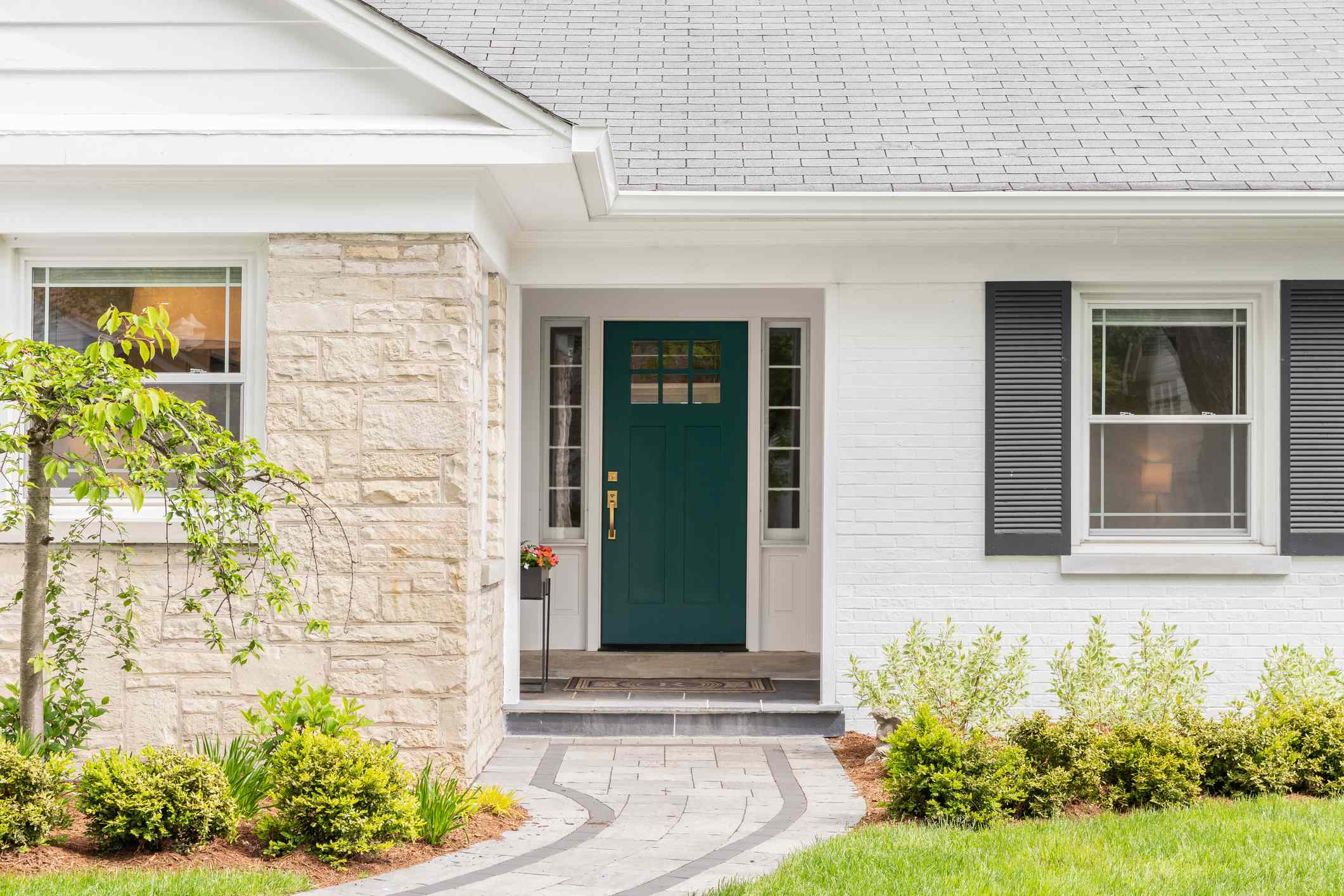
Smoky jade green may be the most important front door paint color of 2026. It sits between green, blue, and gray, which makes it incredibly flexible. It has more depth than sage, more softness than emerald, and more personality than charcoal. Think of it as the stylish cousin who shows up to brunch wearing linen, knows the best antique shops, and somehow never spills coffee.
Why It Will Be Huge
Green continues to dominate because it connects the home to nature. But 2026 greens are getting deeper and more refined. Smoky jade works especially well because it feels grounded, not gimmicky. It can make a new-build home look more established and give an older home a polished update without erasing its character.
Best Homes for Smoky Jade
This color is excellent for white, cream, taupe, pale gray, stone, and light brick exteriors. It also pairs beautifully with natural wood accents, black lanterns, bronze hardware, and planters filled with soft grasses or white flowers.
If your exterior has cool undertones, choose a jade with more blue-gray in it. If your house has warm stone or beige siding, look for a jade with a little olive or eucalyptus warmth. The right version should feel calm in daylight and elegant at dusk.
2. Warm Eucalyptus
Warm eucalyptus is softer than smoky jade and more organic than mint. It is the front door color for homeowners who want something fresh but not loud. It says, “Welcome, we compost emotionally and physically,” but in a tasteful way.
Why It Will Be Huge
This shade fits perfectly with the broader move toward wellness-inspired home design. People want homes that feel restful, comfortable, and connected to the outdoors. Warm eucalyptus gives the entry a relaxed, restorative mood while still adding enough color to be noticeable from the street.
How to Style It
Warm eucalyptus looks especially good with brass, antique bronze, or matte black hardware. It also works with woven doormats, terracotta pots, olive trees, lavender, and creamy exterior trim. If your home leans farmhouse, cottage, coastal, or modern organic, this is one of the safest trend-forward choices.
One tip: avoid pairing this color with overly icy gray siding. Warm eucalyptus usually looks best when the surrounding palette has warmth, texture, or natural materials.
3. Universal Khaki and Mushroom Greige
Yes, a khaki front door can be exciting. No, this is not the same khaki as the cargo shorts your uncle wore to every family barbecue from 2003 to 2011. The 2026 version is softer, warmer, and more architectural. It lives in the elegant zone between beige, taupe, greige, and mushroom.
Why It Will Be Huge
Warm neutrals are coming back because homeowners want exteriors that feel timeless rather than stark. A khaki or mushroom door is subtle, but that is exactly the point. It creates a quiet luxury effect without screaming, “I read three design trend reports before breakfast.”
Best Pairings
This color family is ideal for homes with stone, brick, stucco, warm white siding, black windows, or natural wood. It pairs well with aged brass, oil-rubbed bronze, or simple black hardware. It is also a great choice if your landscaping already provides color and you want the door to feel calm and integrated.
For a modern look, choose a slightly deeper mushroom shade with gray-brown undertones. For a softer cottage look, choose a lighter khaki with a creamy base. Either way, test the paint outside. Neutrals can shift dramatically depending on sunlight, shadows, and the color of nearby brick or stone.
4. Deep Garden Green
Deep garden green is the moodier sibling of eucalyptus. It is darker, richer, and more dramatic, but still completely livable. On a front door, it can look classic, expensive, and a little mysterious in the best possible way. It is the color equivalent of a velvet blazer: not necessary, but absolutely effective.
Why It Will Be Huge
Dark greens are gaining momentum because they offer the drama of black without feeling as harsh. They also look fantastic with exterior materials that are already popular: stone, brick, white siding, warm wood, and dark metal accents. In 2026, deep green feels like a natural choice for homeowners who want a bold door but do not want bright red, cobalt blue, or anything that can be seen from space.
Where It Works Best
Deep garden green is stunning on traditional homes, Craftsman houses, Tudors, cottages, and modern farmhouses. It can also soften a very boxy modern exterior when paired with landscaping. Add brass hardware for a classic look or black hardware for something more streamlined.
If your entryway is shaded, choose a deep green with enough visible color so it does not read as black. If your door gets full sun, a darker green can look wonderfully crisp, but invest in durable exterior paint to help prevent fading.
5. Warm Mahogany Red
Red front doors never fully disappear, but in 2026 they are getting earthier and more grown-up. Instead of bright fire-engine red, the big move is toward warm mahogany, oxblood, burgundy, and brown-red tones. These shades feel rooted, confident, and classic.
Why It Will Be Huge
Warm mahogany red has the emotional appeal of a traditional red door but with more sophistication. It feels welcoming without looking overly cheerful. It also works beautifully with the return of richer wood tones, brown-based palettes, and heritage-inspired details.
How to Use It Without Overdoing It
The trick is to let mahogany red be the star. Keep surrounding trim crisp, landscaping tidy, and hardware simple. This color looks especially handsome with cream siding, charcoal shutters, warm brick, dark green accents, or natural stone.
If you are nervous about red, choose a shade with brown or plum undertones. It will feel more grounded and less “holiday decoration that stayed up too long.” A glossy or satin finish can add depth, while a flatter finish may make the color feel more historic and understated.
6. Mellow Yellow and Creamy Ivory
Yellow is having a softer, smarter moment. The 2026 version is not neon, lemon, or school-bus yellow. It is mellow, creamy, sun-warmed, and slightly nostalgic. Somewhere between butter, straw, ivory, and soft gold, this front door color brings instant friendliness to an exterior.
Why It Will Be Huge
After years of cool grays and serious neutrals, homeowners are craving warmth. Mellow yellow and creamy ivory deliver cheer without chaos. They brighten shaded porches, soften dark exteriors, and make a home feel approachable.
Best Homes for This Color
This shade works beautifully on white cottages, navy houses, charcoal exteriors, green siding, weathered shingles, and brick homes with warm undertones. It is also a charming choice for bungalows and small homes because it draws attention to the entry without overwhelming the facade.
For a more classic look, lean toward creamy ivory. For more personality, choose a muted golden yellow. Avoid anything too fluorescent or candy-like unless your house has the confidence of a beach cottage and the landscaping to back it up.
How to Choose the Right 2026 Front Door Paint Color
The best front door paint color is not just the trendiest one. It is the one that works with your home’s fixed elements: roof, brick, stone, siding, trim, porch flooring, and hardware. Paint is flexible. Brick is not. The brick wins.
Look at Undertones First
If your home has warm brick, tan stone, cream siding, or bronze hardware, choose warm colors such as mushroom greige, mahogany red, mellow yellow, or eucalyptus green. If your exterior has cool gray siding, blue undertones, or black-and-white contrast, smoky jade, deep garden green, or a cooler greige may work better.
Test Paint in Real Light
Never choose a front door color from a tiny paper chip alone. Paint a large sample board and look at it in morning light, afternoon light, cloudy weather, and evening shade. A color that looks perfect in the store can become wildly different outside. This is how people accidentally end up with a door that says “expensive olive” online and “pickle jar” in real life.
Think About Finish
A satin or semi-gloss finish is usually a smart choice for front doors because it offers durability and a subtle sheen. Glossy finishes can look glamorous but will highlight dents, brush marks, and surface flaws. Matte finishes can look elegant but may not be as easy to clean on a high-touch exterior door.
Front Door Color Combinations That Will Look Fresh in 2026
For a white house, try smoky jade, deep garden green, mahogany red, or mellow yellow. White exteriors can handle almost anything, which is both a blessing and a dangerous amount of freedom.
For a red brick house, try mushroom greige, deep green, warm eucalyptus, or creamy ivory. These shades respect the warmth of brick without fighting it.
For a gray house, try smoky jade, mahogany red, creamy yellow, or khaki greige. These colors add warmth and depth so the home does not feel too cold.
For a beige or taupe house, try deep garden green, warm mahogany, blue-green jade, or creamy ivory. The goal is to create contrast while keeping the palette cohesive.
For a black or charcoal house, try mellow yellow, eucalyptus, warm ivory, or mahogany red. A lighter or warmer door can keep a dark exterior from feeling too severe.
Real-Life Experience Notes: What Actually Happens When You Paint a Front Door
Here is the part of front door painting that glossy design articles do not always admit: choosing the color is the fun part. Preparing the door is the part where your patience packs a small suitcase and threatens to leave. But prep is what separates a beautiful front door from one that looks like it was painted during a windstorm by a raccoon with ambition.
In real projects, the first surprise is how much the old color affects your confidence. A door that has been black, navy, or red for years can make every sample look strange at first. Your eye has to adjust. That is why large samples matter. Tape them to the door and live with them for a couple of days. Walk up from the street. Look from your car. Look when the porch light is on. A color that feels too bold at noon may look perfect in the evening.
The second lesson is that hardware changes everything. A warm eucalyptus door with old silver hardware can look slightly unfinished, while the same door with aged brass suddenly looks custom. Deep garden green with black hardware feels modern and serious. Mahogany red with bronze hardware feels traditional and warm. Creamy yellow with polished brass can look cheerful and classic, but with matte black it becomes more graphic and contemporary.
Another practical experience: do not ignore the inside edge of the door. If the door opens inward, you will see the edge every day. Painting the edge gives the project a more finished look. Some homeowners paint only the exterior face, but the little strip along the side can expose the old color like a tiny design confession.
Weather also matters. Paint on a mild, dry day if possible. Too much heat can make paint dry too quickly, leaving drag marks. Too much humidity can slow curing. Wind can blow dust, leaves, and mysterious outdoor particles directly onto your fresh finish. Nature has excellent timing and no respect for your weekend project.
Finally, expect the color to feel more intense once the whole door is painted. A sample is polite. A full door has opinions. That is not a bad thing. Front doors are supposed to have presence. The best 2026 colors work because they create a small moment of design drama without requiring the entire house to change. A smoky jade door can make plain siding look intentional. A mushroom greige door can make a busy stone exterior feel calmer. A warm mahogany door can make a simple house feel established and welcoming. A mellow yellow door can make coming home feel a little more cheerful, even when you forgot to bring in the trash bins again.
The experience proves the larger point: front door color is emotional as much as visual. It is the color you see when you leave, when you return, when guests arrive, and when delivery drivers take slightly blurry photos of your packages. Choose a shade that works with your exterior, yes, but also choose one that makes you happy to walk through it.
Conclusion: The 2026 Front Door Is Warm, Grounded, and Personal
The biggest front door paint colors for 2026 are not about shock value. They are about warmth, depth, and personality. Smoky jade, warm eucalyptus, mushroom greige, deep garden green, mahogany red, and mellow yellow all offer different ways to make an entry feel current without becoming a short-lived trend mistake.
If you want the safest bet, choose warm eucalyptus or mushroom greige. If you want drama, choose deep garden green or mahogany red. If you want charm, choose mellow yellow or creamy ivory. If you want the color that feels most unmistakably 2026, smoky jade is the one to watch.
Paint your front door well, pair it with the right hardware, and give your porch a little styling support. Your home will look fresher, more welcoming, and more intentional. And best of all, no one has to know the whole transformation started with you staring at paint swatches for 47 minutes and whispering, “Wait… is this green too green?”