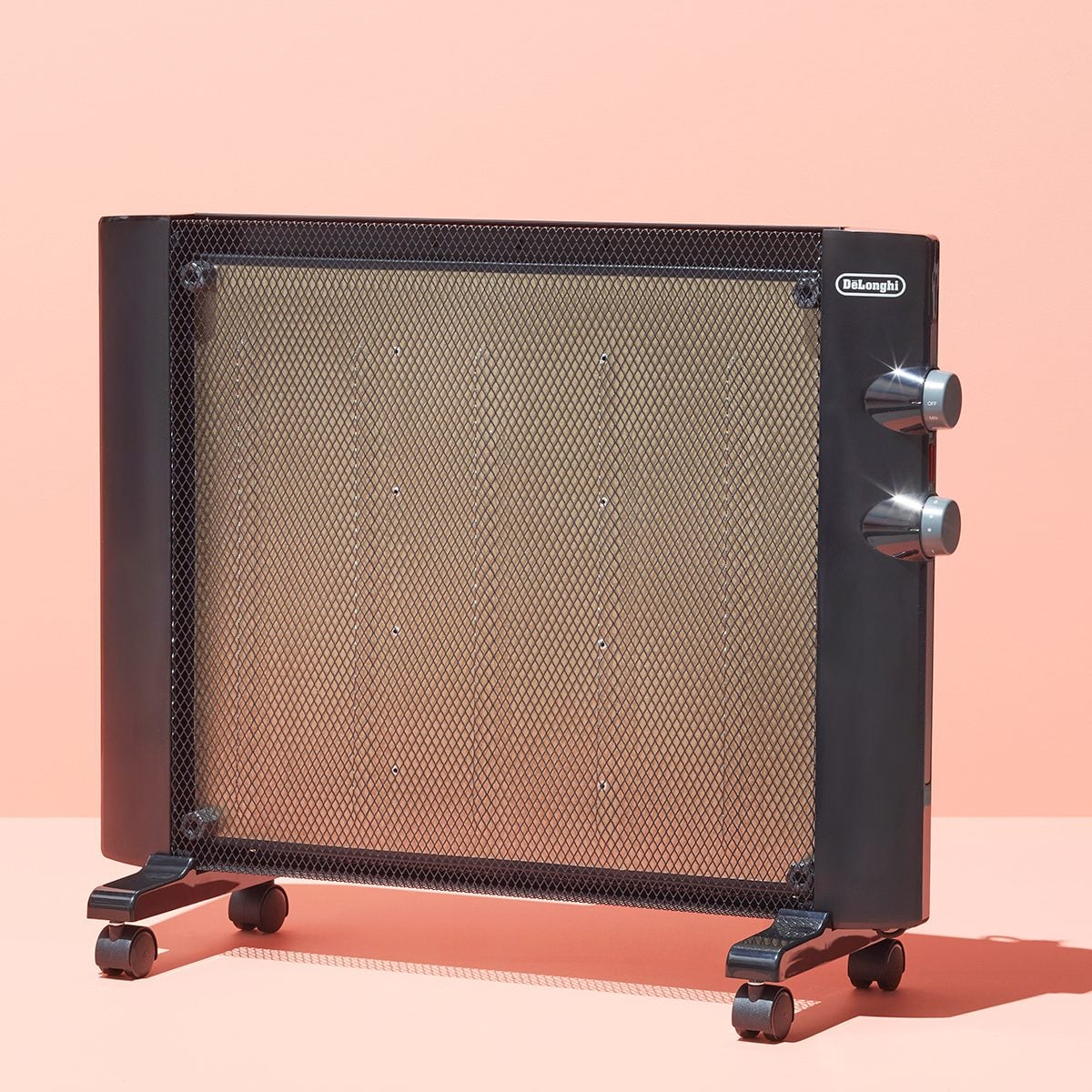
Some space heaters announce themselves like a tiny jet engine wearing a plastic helmet. They whir, blast, click, smell faintly like toasted dust, and make your ankles feel like they are vacationing in July while your shoulders remain trapped in January. The DeLonghi space heater is not that kind of drama queen.
After testing a DeLonghi oil-filled radiant heater in everyday home conditions, we came away with one big impression: this is the kind of heater you buy when you want gentle, steady warmth instead of hot air with an attitude problem. It is quiet, sturdy, simple to use, and especially good for rooms where you plan to stay awhilebedrooms, home offices, reading corners, drafty apartments, or that one room in the house that always seems personally offended by the thermostat.
This DeLonghi space heater review focuses on what matters in real life: heating comfort, noise, controls, portability, safety features, energy use, and whether the soft radiant heat actually feels better than the instant blast from a ceramic heater. Spoiler: if you like slow, cozy, even warmth, this heater has serious “hot cocoa and thick socks” energy.
What Makes the DeLonghi Space Heater Different?
The DeLonghi heater we tested belongs to the oil-filled radiator family. That means it does not use an exposed flame, and it does not blow air across a glowing element like many fan-forced heaters. Instead, electricity heats sealed diathermic oil inside the radiator body. The oil stays sealed inside the unit permanently, so there is no refilling, no topping off, and no mysterious “heater maintenance ritual” required.
Once the internal oil warms up, the metal fins radiate heat into the room. Some warmth spreads through natural convection as cooler air moves around the heater and rises as it warms. The result is a slower but softer style of heating. It feels less like standing in front of a hair dryer and more like the room itself is gradually remembering how to be comfortable.
Most DeLonghi oil-filled radiant heaters use up to 1500 watts, which is typical for full-size portable electric space heaters in the United States. Many models include an adjustable thermostat, multiple heat settings, an anti-freeze setting, thermal shutoff protection, and wheels for moving the heater from room to room. Depending on the model, you may also find a 24-hour timer, digital controls, an energy-saving mode, or DeLonghi’s ComfortTemp feature, which is designed to maintain a comfortable room temperature without constant fiddling.
Our First Impression: Built Like a Tiny Apartment Radiator
Right out of the box, the DeLonghi does not look like a futuristic gadget. It looks like a compact radiator that went to finishing school. The design is upright, narrow enough to tuck beside a desk or near a wall, and heavy enough to feel stable without being impossible to move. This is not a featherweight personal heater that you casually toss from room to room. It is more like a dependable small appliance that says, “I have one job, and I brought metal.”
The wheels are a bigger deal than they sound. Oil-filled heaters have weight to them, and dragging one across a floor is nobody’s idea of home comfort. The pre-assembled or snap-in wheel designs on many DeLonghi models make relocation much easier. We rolled it between a bedroom, a small office, and a living room corner without needing tools, strength training, or a motivational speech.
The controls are refreshingly straightforward. On simpler models, you get heat-level switches and a thermostat dial. On digital models, you may get a display, timer, and more precise temperature settings. Either way, the learning curve is low. You plug it directly into a wall outlet, choose a heat setting, adjust the thermostat, and let it work.
The Heat: Soft, Radiant, and Surprisingly Comforting
The main reason to buy a DeLonghi radiant heater is the heat quality. It does not deliver instant fireplace theatrics. Instead, it builds warmth gradually and evenly. In our testing, the heater took longer to make a chilly room feel comfortable than a fan-forced ceramic heater would. That is normal for oil-filled radiators. But once the unit warmed up, the comfort level was excellent.
The heat feels calm. That may sound odd, but anyone who has sat beside a noisy fan heater knows the difference. There is no blast of hot air hitting one side of your body. There is no dry wind pushing dust around the room. There is no “my left knee is roasting but my hands are still cold” situation. The DeLonghi produces a more balanced warmth that slowly fills the space.
This makes it especially pleasant for long sessions: working from home, sleeping, studying, reading, folding laundry, or pretending to fold laundry while scrolling on your phone. Because the heater is silent during operation, it does not compete with video calls, white noise machines, podcasts, or your neighbor’s leaf blower, who apparently has a 12-month landscaping contract with chaos.
Best Rooms for a DeLonghi Oil-Filled Radiator
A DeLonghi oil-filled space heater works best in small to medium rooms where you want steady warmth for several hours. Think bedrooms, nurseries used with careful supervision, enclosed home offices, guest rooms, studios, dens, and chilly apartment living areas. It is also a smart option for people who want supplemental heat in one room rather than raising the thermostat for the whole house.
It is not the best choice for quickly heating a large open floor plan. If your living room blends into your kitchen, hallway, staircase, and possibly the next county, a single portable radiator will not perform miracles. It can help, but it will work harder and slower. For open spaces, central heating, a heat pump, or a larger properly rated heating solution will usually make more sense.
The DeLonghi shines when the door can be closed and the heat can collect. In a bedroom, for example, it can take the edge off cold air and maintain a cozy temperature with very little noise. In a home office, it can make the space comfortable without turning the rest of the house into a tropical reptile exhibit.
Noise Level: Basically a Library With Wheels
One of the biggest advantages of this heater is quiet operation. Since an oil-filled radiator does not need a fan to push air, it runs silently most of the time. You may hear an occasional click as the thermostat cycles or a faint expansion sound as the metal warms, but that is about it.
For light sleepers, this matters. A fan heater may be fine during the day, but at night the hum can become the soundtrack to your slow descent into annoyance. The DeLonghi is much easier to live with in a bedroom. It warms without blowing air across your face, which is another benefit for people who dislike that dry, forced-air feeling.
Quiet heat is also useful in workspaces. During testing, it did not interfere with calls, voice recordings, or concentration. It simply sat there doing its job like a polite little radiator butler.
Does It Dry Out the Air?
All heating can make a room feel drier because warmer air can hold more moisture, but oil-filled radiant heaters do not blow air around the way fan-forced heaters do. That makes the DeLonghi feel gentler in practice. It does not stir up dust as aggressively, and it does not create that direct stream of hot air that can leave eyes, noses, and throats feeling irritated.
If your home is already very dry in winter, a humidifier may still help. But compared with a fan heater, the DeLonghi’s soft radiant heat feels less harsh. It is the difference between warming your hands near a calm radiator and being attacked by a very enthusiastic toaster.
Energy Use: Efficient for Zone Heating, Not Magic
Let’s be honest: a 1500-watt electric space heater uses electricity. It is not powered by hope, vibes, or the emotional warmth of a well-organized sock drawer. Used constantly at the highest setting, it can add noticeable cost to your electric bill.
Where the DeLonghi can help is zone heating. Instead of raising the temperature throughout your entire home, you warm only the room you are using. That can be practical if you spend most of the evening in one office or bedroom. Models with thermostats, timers, ComfortTemp, or eco modes can help prevent overheating and unnecessary runtime.
The oil-filled design also has a comfort advantage after the heater cycles off. Because the heated oil and metal body retain warmth, the unit continues releasing heat for a while. This does not create free energy, but it does smooth out the heating cycle. Instead of hot-cold-hot-cold swings, the room feels more consistent.
Safety Features We Appreciate
Space heater safety is not optional. It is the part of the review where we put down the cocoa and become extremely serious for a moment. DeLonghi radiant heaters commonly include safety features such as thermal shutoff protection, enclosed heating elements, stable construction, and low-surface-temperature design elements on select models. Some models also include anti-freeze settings designed to activate when temperatures drop very low.
Those features are helpful, but they do not replace safe use. Always plug a space heater directly into a wall outlet. Do not use an extension cord or power strip. Keep the heater at least three feet away from anything that can burn, including bedding, curtains, furniture, papers, pet beds, and laundry piles that you swear you are about to put away.
Place the heater on a flat, stable surface. Keep children and pets away from it. Do not use it in wet areas unless the manufacturer specifically says the model is designed for that environment. Do not leave a portable heater running unattended. And yes, read the manual. The manual is not exciting, but neither is explaining to your insurance company why a blanket was “just a little close.”
What We Loved Most
1. The Heat Feels Comfortable, Not Aggressive
The soft radiant warmth is the star. It is excellent for people who dislike the direct blast of ceramic heaters. It makes a room feel naturally warmer over time rather than creating one hot spot.
2. It Is Quiet Enough for Bedrooms
No fan means almost no operating noise. For sleeping, reading, studying, or working, that is a major advantage.
3. It Holds Heat Well
After warming up, the radiator continues to release heat even when the thermostat cycles down. That creates a steady comfort curve rather than a dramatic temperature roller coaster.
4. The Controls Are Simple
Whether you choose a basic dial model or a digital version, DeLonghi heaters tend to be easy to understand. You do not need an app, a subscription, or a degree in appliance diplomacy.
5. It Is Great for Zone Heating
Used in the right room, it can reduce the need to heat unused spaces. That makes it practical for home offices, bedrooms, and small living areas.
What Could Be Better
1. It Is Not Instant Heat
If you want to feel hot air within five seconds, choose a ceramic heater. The DeLonghi is slower. It rewards patience, not panic.
2. It Can Get Hot to the Touch
Even with designs intended to manage surface temperature, oil-filled radiators can become hot during use. This is not a toy, a footrest, or a towel warmer. Keep space around it.
3. It Is Heavier Than Compact Heaters
The weight helps stability, but it also means you will appreciate the wheels. Carrying it up and down stairs is less charming.
4. It Works Best in Enclosed Rooms
Large, open, drafty spaces will limit performance. This heater is best when it can gradually warm a defined area.
DeLonghi Radiant Heater vs. Ceramic Space Heater
A ceramic heater is the sprinter. It heats fast, blows warm air, and works well when you need quick comfort. It is great for short bursts, like warming a bathroom before a shower if the model is approved for that use, or heating your feet under a desk.
The DeLonghi oil-filled radiator is the marathoner. It takes longer to get going, but once warm, it provides steady, quiet heat for hours. It is better for maintaining comfort than delivering instant relief. If you are settling into a room for the evening, the DeLonghi is usually the more pleasant companion.
In our experience, the DeLonghi also feels less drying because there is no fan blasting air. People sensitive to noise, dust movement, or direct heat may prefer the oil-filled design.
Who Should Buy the DeLonghi Space Heater?
Buy it if you want quiet, consistent, soft radiant heat in a small or medium room. It is a strong choice for bedrooms, offices, apartments, and anyone who wants supplemental warmth without the noise of a fan. It is also a good fit if you value simple controls, sturdy build quality, and a heater that feels more like a traditional radiator than a gadget.
Skip it if you need instant heat, want something ultra-lightweight, or plan to heat a big open space. Also skip it if you cannot follow basic space-heater safety rules. Portable heaters are useful, but they demand respect.
Our Verdict
The DeLonghi space heater won us over because it does not try too hard. It does not flash, roar, oscillate dramatically, or pretend to be a smart home centerpiece. It simply creates soft, radiant heat and keeps doing it quietly.
For the right room, that is exactly what you want. The warmth is comfortable, the operation is nearly silent, and the design feels durable. It is not the fastest heater we have tested, but it is one of the most pleasant to live with over several hours. If your goal is to make one room feel cozy without turning your whole home’s thermostat into a financial thriller, the DeLonghi oil-filled radiant heater deserves a serious look.
Extra Testing Notes: Living With the DeLonghi Space Heater Day After Day
The longer we used the DeLonghi space heater, the more we appreciated its personalityor, more accurately, its lack of one. Some appliances constantly remind you they exist. They beep, glow, rattle, demand cleaning, or develop a new sound that makes you wonder whether you should call customer service or a priest. The DeLonghi was refreshingly uneventful. We turned it on, adjusted the heat, and let it become part of the room.
In a home office, the heater was at its best. Cold hands are productivity thieves. You sit down to answer emails, and suddenly your fingers feel like they have been stored in a freezer next to the peas. With the DeLonghi running nearby, the room gradually became comfortable enough to work without a blanket cape. The heat did not blow papers around, dry out our eyes, or add background noise to calls. It was the rare office upgrade that did not require cable management.
In a bedroom, the gentle heat felt even more useful. We liked turning the heater on before bedtime, letting the room warm up, and then lowering the thermostat setting. Because the radiator body retains heat, the comfort did not vanish the second the unit cycled off. The room stayed pleasantly warm without the start-stop gusts that fan heaters can create. For people who wake easily from noise, this matters more than any fancy feature list.
The living room test was more complicated. In a smaller enclosed sitting area, the DeLonghi performed well. In a larger open space, it helped but did not dominate. That is an important real-world point: a portable oil-filled heater is not a replacement for a central heating system. It is a zone heater. Use it where you are, close doors when possible, and give it time. Ask it to warm a reasonable room and it behaves beautifully. Ask it to heat an open-plan cathedral with drafty windows and it will politely do its best while silently judging your expectations.
We also noticed that placement matters. The heater worked best with open space around it so air could circulate naturally. Tucking it tightly behind furniture reduced the effect and created unnecessary safety concerns. A clear, stable spot near the area we were using gave the best comfort. We avoided placing it directly against curtains, bedding, or anything combustible, and we always plugged it directly into a wall outlet.
Another pleasant surprise was how little attention it needed. There were no filters to clean, no water tanks to refill, and no fan grilles collecting dust bunnies the size of emotional support animals. A quick exterior wipe when cool was enough for routine care. That low-maintenance design is one of the quiet advantages of oil-filled radiators.
After extended use, our opinion became clearer: the DeLonghi is not exciting in the flashy sense. It is exciting in the adult sense, where something works reliably, does not annoy you, and makes winter less rude. Its soft radiant heat is the reason to buy it, but the silence, stability, and simplicity are what make it easy to recommend.
If you want a heater for quick five-minute blasts, this is probably not your perfect match. If you want a dependable space heater that can make a room feel gently, steadily, wonderfully warm, the DeLonghi is a cozy little champion.