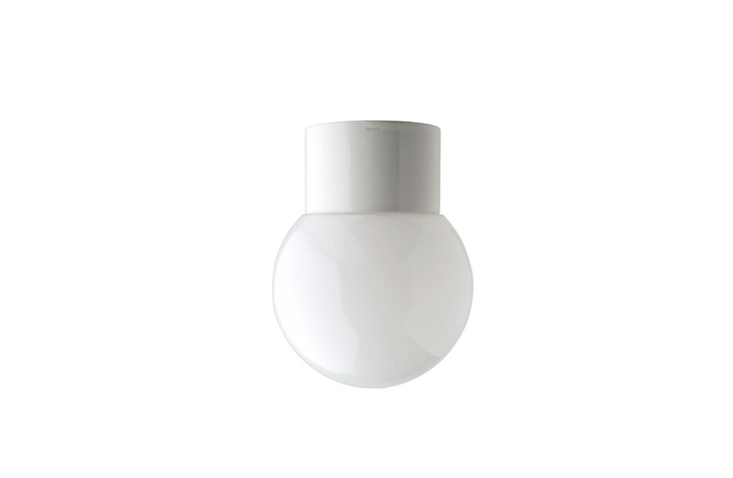
If you have ever shopped for a waterproof white porcelain lamp, you already know the internet can get a little dramatic. One listing says “weatherproof.” Another says “outdoor safe.” A third whispers sweet nothings like “porcelain finish” and then turns out to be plain painted metal wearing a fancy costume. That is why this topic deserves a real guide instead of a pile of vague product descriptions.
In practical American lighting terms, a waterproof white porcelain lamp is usually one of three things: a white glazed porcelain lampholder, a weatherproof outdoor fixture with a porcelain socket, or a lamp with a white porcelain-enamel finish designed for outdoor or moisture-prone spaces. Those are not identical products, and knowing the difference saves you from buying a pretty fixture that panics the first time it meets rain.
The best versions combine classic looks with hard-working performance. They brighten porches, mudrooms, laundry zones, utility rooms, garages, covered patios, workshops, breezeways, and some bathrooms with a clean, timeless look that feels fresh instead of fussy. White also has a sneaky superpower: it reflects light visually, reads crisp in daylight, and pairs with nearly every exterior style, from farmhouse and coastal to industrial and minimalist.
So let’s clear the fog. Here is what a waterproof white porcelain lamp really is, why porcelain matters, where these fixtures shine, what features separate the winners from the wet noodles, and how to choose one that looks great without becoming a soggy electrical regret.
What Is a Waterproof White Porcelain Lamp, Exactly?
The phrase sounds simple, but it covers a surprisingly wide family of products. In some cases, it means a basic white porcelain socket or lampholder mounted to an outlet box. These are the workhorses you see in utility spaces, closets, attics, garages, and workshops. Brands in the U.S. lighting market offer white glazed porcelain lampholders because porcelain handles heat well, resists discoloration better than many cheaper plastics, and gives a clean, durable finish.
In other cases, the phrase points to a complete outdoor lamp fixture with a white finish and either a porcelain socket or porcelain-enamel shade. That is where style joins the conversation. A white wall lantern by the front door, a white outdoor ceiling light on a porch, or a white post-mount fixture along a walkway may all fit the spirit of the term.
And here is one subtle but important detail: “porcelain lamp” can refer to solid glazed porcelain parts, but it can also refer to porcelain enamel, which is glass fused onto metal at high temperatures. That finish is prized because it is tough, glossy, classic-looking, and well suited to hard use. In short, some white porcelain lamps are actually porcelain-bodied, while others are steel fixtures wearing a very durable porcelain-enamel coat.
Why Porcelain Still Has a Loyal Fan Club
Porcelain has been around lighting for ages, and not by accident. It is one of those old-school materials that keeps surviving because it works. While plastic and composite sockets are common and often perfectly fine, porcelain remains popular where people want more heat resistance, more durability, and a more substantial feel.
A good white porcelain lampholder also looks cleaner over time. In utility spaces, that matters more than you might think. A dingy, yellowed socket makes an entire room feel tired. A crisp white porcelain fixture feels simple, bright, and dependable. It says, “I came to work,” which is more than can be said for a surprising number of decorative fixtures.
Porcelain can also be a smart material choice in locations with temperature swings, UV exposure, and hard daily use. Outdoor utility areas, barns, garages, and workshops benefit from materials that do not crack under pressure, warp from heat, or surrender their dignity after one hot summer. When manufacturers pair porcelain with brass, nickel-plated components, die-cast housings, gaskets, and proper outdoor ratings, you get the sweet spot: durability plus safety plus style.
“Waterproof” vs. Wet-Rated: The Difference That Actually Matters
This is the big one. In lighting, waterproof is often a marketing word, while wet-rated is the phrase that does the real heavy lifting. If you remember only one thing from this article, make it this: do not buy a lamp for outdoor rain exposure unless the fixture is clearly marked for wet locations.
A damp-rated fixture is meant for moisture-prone places that are somewhat protected, like covered porches, some patios, breezeways, and certain bathroom areas. A wet-rated fixture is designed for direct exposure to water, rain, splash, and similar conditions. That difference is not small. It is the difference between “can handle humidity” and “can handle the weather trying to ruin its day.”
Even more interesting, North American safety guidance gets specific about markings. Some wet-location luminaires are marked for covered ceiling mount only, while some wall or post-mounted units include special guidance for mounting within a certain distance from the ground because sprinkler exposure changes the risk. Translation: two fixtures can both sound outdoor-friendly, but the markings may allow different real-world uses.
Also, do not rely on IP numbers alone unless you understand what they cover. IP ratings are useful, but they do not automatically replace North American wet- or damp-location listings. A smart buyer checks the listing, the installation instructions, the mounting limitations, and the environment where the fixture will actually live.
Where a Waterproof White Porcelain Lamp Works Best
Front Porches and Entryways
White fixtures look sharp against brick, painted siding, stucco, stone, and dark trim. They feel especially at home on coastal, cottage, colonial, farmhouse, and transitional exteriors. If the entry is fully exposed, choose wet-rated. If it is deeply covered, damp-rated may be appropriate, but wet-rated still gives more flexibility.
Bathrooms and Laundry Rooms
These spaces love porcelain because moisture and daily use are part of the job description. A white porcelain fixture keeps the room feeling bright and hygienic. Just match the rating to the location and follow local electrical rules, especially near tubs, showers, or steamy zones.
Garages, Workshops, Mudrooms, and Utility Areas
This is where the humble white porcelain lampholder becomes a legend. It is affordable, durable, bright, and refreshingly low-maintenance. In damp or semi-outdoor work areas, choose a listed fixture or weatherproof lampholder assembly instead of assuming a plain indoor socket will be fine.
Patios, Walkways, and Post Mounts
If you want charm with backbone, white outdoor porcelain-style fixtures can be a great fit. Post-mount and wall-mounted options give you both visibility and curb appeal, especially when paired with warm LED light and clear or frosted glass.
Features to Look for Before You Buy
1. A Real Location Rating
Start with the rating, not the romance. Look for wet-rated if the lamp will face direct rain, sprinkler spray, or open-weather exposure. Look for damp-rated only when the area is covered and shielded from direct water contact.
2. Porcelain Where It Counts
If you specifically want porcelain for performance, verify whether the product uses a glazed porcelain socket, a porcelain body, or a porcelain-enamel finish. These are all useful, but they are not the same. A weatherproof fixture with a porcelain socket can be excellent. A porcelain-enamel shade can be beautiful and durable. Just know what you are actually paying for.
3. Gaskets, Seals, and Weatherproof Construction
A true outdoor fixture should not rely on optimism. Look for gaskets, sealed joints, weather-resistant housings, corrosion-resistant hardware, and clear installation guidance. If a product page mentions an inside gasket, weatherproof housing, or sealed assembly, that is a good sign. If it only says “for outdoor style inspiration,” that is not the same thing.
4. Finish Durability
White is beautiful, but outdoor white can look rough fast if the finish is weak. Quality outdoor fixtures use finishes and materials designed to resist fading, discoloration, corrosion, and weathering. This matters even more in coastal climates, high-UV regions, and places where winter likes to slap everything with moisture and grit.
5. The Right Bulb Base and Output
Many white porcelain lampholders use a standard medium base. That makes replacements easy. Still, do not assume every decorative outdoor fixture uses the same socket. Check the bulb base, wattage limit, or integrated LED specs before buying. Your future self will appreciate not standing on a ladder holding the wrong bulb like a confused lighthouse keeper.
6. Smart Light Quality
Brightness matters, but so does tone. For welcoming outdoor and residential spaces, warm light usually looks best. In general, soft white in the 2700K to 3000K range feels comfortable and flattering. Brighter, cooler light can work in task-heavy zones such as workshops, garages, or utility spaces where visibility matters more than ambiance.
7. Easy Maintenance
Outdoor fixtures should be easy to clean and simple to re-lamp if they are not integrated LED. White surfaces show dirt sooner, but that is not always bad. They basically tell you when they need attention. A quick wipe is much better than years of grime quietly building a new ecosystem.
Best Styles and Buying Scenarios
If you want a minimal, practical look, a white glazed porcelain lampholder is hard to beat. It is inexpensive, easy to pair with LED bulbs, and perfect for workhorse areas. If you want decorative exterior charm, look for a white wet-rated wall lantern, cylinder, flush mount, or post light. These give you the clean look of white while still handling tough outdoor conditions.
For vintage or industrial appeal, porcelain-enamel shades are especially attractive. They feel authentic, sturdy, and timeless. For modern homes, a white outdoor cylinder or simple geometric wall light looks crisp and architectural. For traditional homes, a white lantern with clear glass panels offers classic curb appeal.
And if you live near the coast, pay extra attention to corrosion resistance. Salt air is not impressed by pretty finishes. It wants to test your life choices. In harsh climates, materials and warranties matter almost as much as the wet-location rating itself.
Common Mistakes to Avoid
- Buying a porcelain socket and assuming the entire fixture is outdoor safe.
- Using a damp-rated light where direct rain can hit it.
- Ignoring mounting restrictions in the listing or instructions.
- Choosing a cool, harsh bulb for a cozy front porch.
- Confusing “white finish” with “porcelain.”
- Forgetting that white outdoor fixtures need occasional cleaning to stay brilliant.
Real-World Experiences With a Waterproof White Porcelain Lamp
People usually fall in love with a waterproof white porcelain lamp for one of two reasons: they want a fixture that feels timeless, or they are deeply tired of replacing cheap outdoor lights. Often, it is both. The first impression these lamps make is visual. White looks clean. It feels intentional. It brightens shady porches and dark corners before the bulb is even turned on. On a cloudy day, a white fixture can still make an exterior wall feel crisp and finished.
Then the practical side kicks in. Homeowners often notice that a well-made porcelain or porcelain-socket fixture feels more substantial in the hand than bargain-bin alternatives. The screws line up better. The mounting feels sturdier. The body does not flex like a nervous plastic lunch container. In garages and mudrooms, that sturdiness becomes part of the charm. The fixture is not trying to be glamorous. It is simply dependable, which is weirdly attractive once you have lived through a few flaky fixtures.
On covered porches, people tend to love how white porcelain-style lamps work with nearly any color palette. Black doors, natural wood, navy shutters, gray stone, red brick, and even pastel siding all play nicely with white. It is one of the easiest finishes to decorate around. That flexibility matters when the rest of the house changes over time. You can repaint the front door, swap hardware, add planters, or update house numbers without the fixture suddenly looking out of place.
In utility spaces, the experience is different but equally satisfying. A basic white porcelain lampholder in a laundry room or workshop gives off a no-nonsense vibe. Add a quality LED bulb and the room instantly feels more usable. Tools are easier to find. Shelves look less gloomy. Laundry no longer feels like it is being folded inside a cave. It is not luxury, but it is the kind of daily improvement people appreciate every single week.
Outdoor exposure is where the good fixtures separate themselves from the drama queens. A properly wet-rated white fixture with solid seals and weather-resistant construction tends to age gracefully. Not invisibly, of course. Dirt happens. Bugs remain unconvinced by human design standards. But the fixture still feels composed after storms, humidity, and seasonal temperature swings. That reliability creates trust. You stop thinking about the lamp because it keeps doing its job, which is the highest compliment a working fixture can earn.
There is also an emotional layer to these lamps that product specs never fully capture. A white porch light can feel welcoming in a way darker finishes sometimes do not. It glows softly at dusk, reads as friendly from the sidewalk, and makes entrances feel safer without looking harsh. In that sense, a waterproof white porcelain lamp is not just a functional object. It becomes part of how a home introduces itself: tidy, calm, practical, and maybe a little proud of having excellent taste.
Final Thoughts
A great waterproof white porcelain lamp is not just about looks, and it is not just about weather resistance. The sweet spot is the combination of the two. You want the clean beauty of white, the toughness of porcelain or porcelain-based components, and the confidence that comes from a real wet- or damp-location rating that matches the space.
If the lamp will face direct rain, buy wet-rated. If it is under solid cover with moisture but no direct exposure, damp-rated may work. If you want the strongest value, focus on materials, seals, finish quality, bulb compatibility, and clear listings. Do that, and you will end up with a fixture that is handsome, hardworking, and far less likely to become an expensive lesson in outdoor lighting semantics.