Vulvar cancer is not exactly the cancer people bring up over coffee, which is understandable. The vulva is a private part of the body, and many people feel awkward discussing itching, sores, color changes, or pain “down there.” But awkward silence is not a medical strategy. Vulvar cancer is rare, but it is real, and early attention can make a major difference.
The vulva is the external part of the female genital area. It includes the labia, clitoris, vaginal opening, urethral opening, mons pubis, and the skin between the vagina and anus. Vulvar cancer begins when cells in these tissues grow out of control. Most cases develop slowly, sometimes after years of precancerous skin changes. That slow pace can be helpful because it creates a window for diagnosis and treatmentif symptoms are not ignored.
This guide explains vulvar cancer symptoms, diagnosis, treatment options, risk factors, prevention, recovery, and real-life experiences that can help patients and families feel less alone. It is not a substitute for medical care, but it can help you know when to stop Googling at midnight and schedule an appointment with a qualified healthcare professional.
What Is Vulvar Cancer?
Vulvar cancer is a type of gynecologic cancer that starts in the tissues of the vulva. It is much less common than cervical, ovarian, or uterine cancer, but rarity does not make it harmless. The most common form is vulvar squamous cell carcinoma, which begins in the thin, flat cells that line the surface of the skin.
Other, less common types include vulvar melanoma, Bartholin gland cancer, basal cell carcinoma, adenocarcinoma, and extramammary Paget disease. These types may behave differently and may need different treatment plans. That is why a biopsy and expert pathology review matter so much. A sore is not “just a sore” until a clinician has confirmed what it is.
Common Symptoms of Vulvar Cancer
Vulvar cancer symptoms can be subtle at first. Many people mistake them for yeast infections, irritation from soap, shaving bumps, menopause-related dryness, hemorrhoids, or “probably nothing.” Sometimes it really is something minor. But if symptoms last, change, or keep coming back, they deserve medical attention.
Persistent Itching
Long-lasting vulvar itching is one of the most common warning signs. The key word is persistent. An occasional itch can happen for many harmless reasons. Itching that lasts more than a couple of weeks, wakes you up, or does not improve with basic care should be evaluated.
A Lump, Bump, Thickened Patch, or Wart-Like Growth
Some vulvar cancers appear as a lump or raised area. Others may look like a wart, rough patch, thickened skin, or cauliflower-like growth. If a bump is new, growing, bleeding, painful, or not healing, do not attempt to diagnose it with a mirror, flashlight, and panic. See a clinician.
Open Sore or Ulcer That Does Not Heal
An ulcer, raw spot, or open sore that lasts for several weeks can be a symptom of vulvar cancer. It may be painful, tender, itchy, or surprisingly painless. A painless sore still deserves attention, especially if it keeps returning or slowly enlarges.
Skin Color or Texture Changes
Vulvar cancer may cause skin to become red, pink, white, gray, dark brown, black, lighter than usual, or darker than usual. The skin may also feel thicker, scaly, rough, or fragile. Any new color change that does not resolve should be checked.
Bleeding, Burning, or Pain
Bleeding not related to a menstrual period, pain during sex, burning with urination, tenderness, or unusual discharge may occur. These symptoms can come from infections or noncancerous skin conditions too, but the right next step is still evaluation, not guessing.
When Should You See a Doctor?
Make an appointment if you notice persistent vulvar itching, a sore that will not heal, bleeding, a lump, skin color changes, pain, burning, or any symptom that feels unusual for your body. It is especially important to seek care if symptoms last longer than two weeks or continue despite treatment for a presumed infection.
Many patients delay care because they feel embarrassed. Please remember: gynecologists and gynecologic oncologists examine vulvar symptoms for a living. They are not shocked. They are not judging your underwear choices. They are there to help.
Causes and Risk Factors
There is no single cause of vulvar cancer. Instead, several risk factors can raise the chance of developing it. Having a risk factor does not mean a person will get cancer, and some people diagnosed with vulvar cancer have no obvious risk factors.
Human Papillomavirus (HPV)
HPV is linked to many vulvar cancers, especially those that occur in younger patients. Certain high-risk HPV types can cause abnormal cell changes that may become precancerous or cancerous over time. HPV is very common, and most infections clear on their own, but persistent high-risk infection can create problems.
Vulvar Intraepithelial Neoplasia (VIN)
VIN is a precancerous condition in which abnormal cells are found on the surface of the vulvar skin. Not all VIN becomes cancer, but it requires monitoring or treatment because it increases risk.
Lichen Sclerosus
Lichen sclerosus is a chronic inflammatory vulvar skin condition that can cause itching, white patches, thinning skin, tearing, and scarring. It is not cancer, but long-term inflammation can increase vulvar cancer risk. Proper diagnosis and treatment can reduce symptoms and help protect the skin.
Age, Smoking, and Weakened Immunity
Vulvar cancer is more common after menopause, though it can occur at any age. Smoking can increase the risk of HPV-related vulvar disease. People with weakened immune systems, including those taking immune-suppressing medicines or living with certain medical conditions, may also have higher risk.
How Vulvar Cancer Is Diagnosed
Diagnosis usually begins with a detailed medical history and a careful exam of the vulva. Your clinician may ask when symptoms started, whether they come and go, whether anything worsens or improves them, and whether you have a history of HPV, abnormal Pap tests, vulvar skin disease, or prior gynecologic conditions.
Vulvar and Pelvic Exam
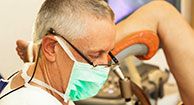
During the exam, the clinician looks closely at the vulvar skin, surrounding tissues, vagina, and cervix. They may use magnification or apply a solution that highlights abnormal areas. This can sound intimidating, but it is usually straightforward and quick.
Biopsy
A biopsy is the most important test for diagnosing vulvar cancer. A small sample of suspicious tissue is removed and examined under a microscope. Local numbing medicine is often used. The biopsy may cause pressure or a brief pinch, but it provides the answer that visual inspection alone cannot.
Imaging and Staging Tests
If cancer is found, additional tests may help determine the stage. Depending on the situation, doctors may recommend imaging such as MRI, CT, PET/CT, chest imaging, or ultrasound. They may also examine lymph nodes in the groin because vulvar cancer can spread through nearby lymphatic channels.
Sentinel Lymph Node Biopsy
For some early-stage vulvar cancers, doctors may perform a sentinel lymph node biopsy. This procedure identifies the first lymph node or nodes most likely to receive cancer cells from the tumor. If those nodes are cancer-free, more extensive lymph node surgery may sometimes be avoided.
Stages of Vulvar Cancer
Staging describes how far the cancer has spread. In general, early-stage vulvar cancer is limited to the vulva or nearby tissue. More advanced stages may involve lymph nodes, the urethra, vagina, anus, bladder, rectum, pelvic bones, or distant organs.
Stage matters because it guides treatment. A small, early cancer may be treated with surgery alone. A larger cancer or one involving lymph nodes may require a combination of surgery, radiation therapy, chemotherapy, or other therapies.
Treatment Options for Vulvar Cancer
Vulvar cancer treatment is personalized. Doctors consider the cancer type, tumor size, location, depth, stage, lymph node involvement, overall health, age, sexual function, urinary and bowel function, and patient preferences. A gynecologic oncologist is often the best specialist to coordinate care.
Surgery
Surgery is the main treatment for many vulvar cancers. The goal is to remove the cancer with a rim of healthy tissue while preserving as much normal anatomy and function as possible.
A wide local excision removes the tumor and surrounding tissue. A partial vulvectomy removes part of the vulva. A radical vulvectomy removes more extensive tissue and may be needed for larger or more invasive cancers. In some cases, reconstructive surgery or skin grafting can help restore the area after cancer removal.
Lymph Node Surgery
If there is concern that cancer may have spread, lymph nodes in the groin may be evaluated. This may involve sentinel lymph node biopsy or removal of additional lymph nodes. Lymph node results help determine whether radiation or chemotherapy is needed after surgery.
Radiation Therapy
Radiation therapy uses targeted energy to kill cancer cells. It may be given after surgery if there is a high risk of recurrence, if lymph nodes contain cancer, or if surgical margins are close or positive. Radiation may also be used before surgery to shrink a tumor or as the main treatment when surgery is not possible.
Chemotherapy
Chemotherapy may be used with radiation to make cancer cells more sensitive to treatment. It may also be used for advanced or recurrent vulvar cancer. The exact medicine depends on the cancer type, stage, prior treatments, and overall health.
Targeted Therapy and Immunotherapy
For certain advanced, recurrent, or metastatic cases, doctors may test the tumor for biomarkers that help guide systemic treatment. Some patients may be candidates for immunotherapy, targeted therapy, or a clinical trial. These options are not used for every patient, but they are increasingly important in modern cancer care.
Topical Treatment for Precancerous Disease
Some precancerous vulvar lesions may be treated with topical medication, laser therapy, or surgical excision. The best choice depends on the size, location, number of lesions, biopsy results, symptoms, and risk of progression.
Side Effects and Recovery
Recovery depends on the type and extent of treatment. After surgery, patients may experience soreness, swelling, wound drainage, numbness, changes in urination, discomfort sitting, or emotional distress about body changes. Healing can take time, and the vulvar area is not exactly a low-traffic zone. Walking, sitting, bathroom trips, and clothing choices may all require patience.
Radiation can cause fatigue, skin redness, irritation, diarrhea, urinary discomfort, vaginal narrowing, and sexual pain. Chemotherapy may cause fatigue, nausea, low blood counts, appetite changes, hair thinning, or increased infection risk, depending on the medicine used.
Good wound care, pain control, nutrition, gentle hygiene, and follow-up visits are essential. Many people also benefit from pelvic floor physical therapy, sexual health counseling, mental health support, and survivorship care.
Can Vulvar Cancer Be Prevented?
Not every case can be prevented, but risk can be reduced. HPV vaccination helps protect against HPV types that cause several cancers, including vulvar cancer. The vaccine works best before exposure to HPV, but some adults may still benefit depending on age and risk factors.
Other prevention steps include not smoking, treating vulvar skin conditions such as lichen sclerosus, attending regular gynecologic exams, reporting persistent symptoms early, and following up after any diagnosis of VIN or abnormal vulvar biopsy.
Living With Vulvar Cancer: Emotional and Practical Care
Vulvar cancer can affect more than the body. It can touch identity, intimacy, confidence, mobility, and mood. Patients may worry about sex, scarring, recurrence, odor, wound care, relationships, or how to explain the diagnosis to loved ones. These concerns are valid, and they deserve the same attention as scans and lab results.
A strong care team may include a gynecologic oncologist, radiation oncologist, medical oncologist, wound care nurse, pelvic floor therapist, social worker, dietitian, mental health counselor, and sexual medicine specialist. Cancer care is a team sport, and the patient should not have to play every position.
Experience-Based Insights: What Patients Often Wish They Had Known
Many people who go through vulvar cancer describe the beginning as confusing. The symptoms can feel too ordinary to be serious. Itching sounds like irritation. A tiny sore looks like a shaving nick. A patch of white skin might seem like dryness. This is one reason people often wait before seeing a doctor. Looking back, many patients say they wish they had trusted their instincts sooner. If something feels different, keeps returning, or refuses to heal, it is worth checking. You are not overreacting; you are collecting information.
Another common experience is embarrassment. Patients may delay care because they do not want to describe vulvar symptoms out loud. But once they meet the right clinician, many realize the exam is less humiliating than they imagined. A compassionate gynecologist will use clear language, explain each step, and make space for questions. If a clinician dismisses persistent symptoms without examining the area or considering a biopsy when needed, it is reasonable to seek a second opinion. Advocacy is not rudeness. It is healthcare with a backbone.
The biopsy can also bring anxiety. Some patients fear the procedure more than the appointment itself. In reality, many biopsies are quick and done with local numbing medicine. There may be soreness afterward, but the information gained is powerful. A biopsy can rule out cancer, confirm a skin condition, or catch abnormal cells early. Waiting in uncertainty is often harder than the test.
Treatment experiences vary widely. Someone with a small early-stage tumor may have surgery and return gradually to normal routines. Another person may need lymph node evaluation, radiation, chemotherapy, or reconstructive surgery. Recovery may involve wound care, loose clothing, sitz baths, pain medicine, and learning how to move comfortably. Patients often discover practical tricks: soft cotton underwear, peri bottles, cushion support, fragrance-free products, and accepting help instead of trying to win an imaginary “toughest patient” award.
Sex and intimacy can be emotionally complicated after vulvar cancer treatment. Some people worry about pain, appearance, desire, or how a partner will respond. These topics can feel hard to raise, but they are part of survivorship. Pelvic floor therapy, lubricants, vaginal dilators when recommended, counseling, and honest communication can help. Intimacy does not have to disappear, but it may need patience, creativity, and medical guidance.
Follow-up care is another major part of the experience. Patients may feel nervous before every exam, a reaction sometimes called “scanxiety,” even when no scan is involved. That fear is normal. Keeping appointments matters because recurrence is most treatable when found early. It can help to write down symptoms, bring a support person, and ask exactly what changes should trigger a call between visits.
Perhaps the biggest lesson from patient experiences is this: vulvar health deserves attention without shame. The body does not become less worthy of care because a symptom appears in a private place. A persistent itch, sore, lump, or skin change is not a character flaw. It is a signal. Listening to that signal can lead to earlier diagnosis, better treatment options, and a stronger sense of control.
Conclusion
Vulvar cancer is rare, but its symptoms should never be brushed aside. Persistent itching, sores, lumps, bleeding, burning, pain, or skin changes deserve a medical evaluation, especially when they last more than a couple of weeks. Diagnosis usually requires a careful exam and biopsy, while treatment may include surgery, lymph node evaluation, radiation therapy, chemotherapy, immunotherapy, targeted therapy, or clinical trials depending on the stage and cancer type.
The most important message is simple: do not let embarrassment delay care. Early diagnosis can lead to less extensive treatment and better outcomes. Your vulvar health is part of your whole health, and it deserves the same respect as your heart, lungs, skin, or any other body part that gets invited to medical conversations more often.